
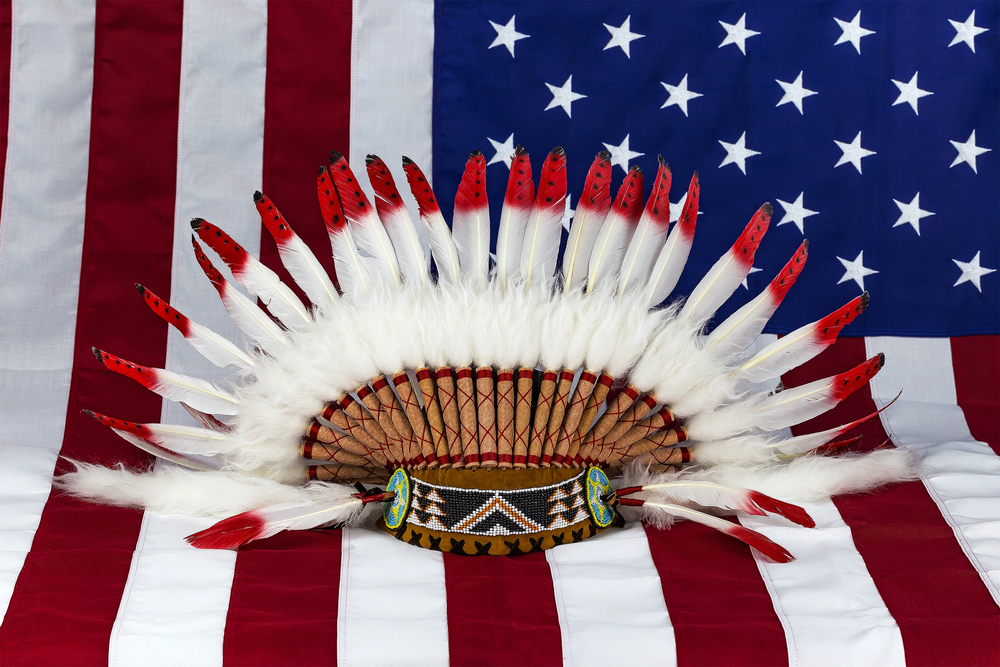
Most of the things people think they know about Native Americans simply aren’t true. Yes, no matter what the old textbooks or movies might tell you, a lot of the details about these communities are merely false stories mixed with stereotypes. Here are eight myths about Native Americans that some people still believe, and the truth behind the fiction. It’s time to learn the truth.
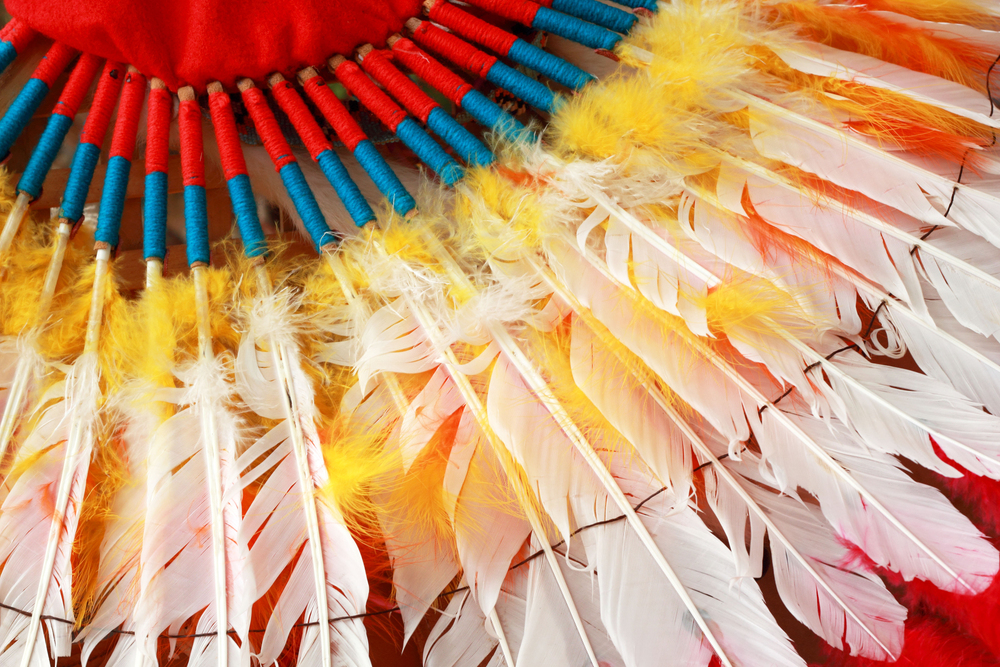
1. Native Americans all lived in tipis and wore feather headdresses
Images of Native Americans tend to include them living in tipis and wearing feather headdresses. But that’s not accurate. In fact, the Smithsonian’s National Museum of the American Indian shows that Native American housing depends on the region, with longhouses being popular in the Northeast and adobe structures common in the Southwest. You’ll find plank houses on the Northwest Coast. Sadly, a lot of popular culture has turned these differences into a single style that isn’t accurate.
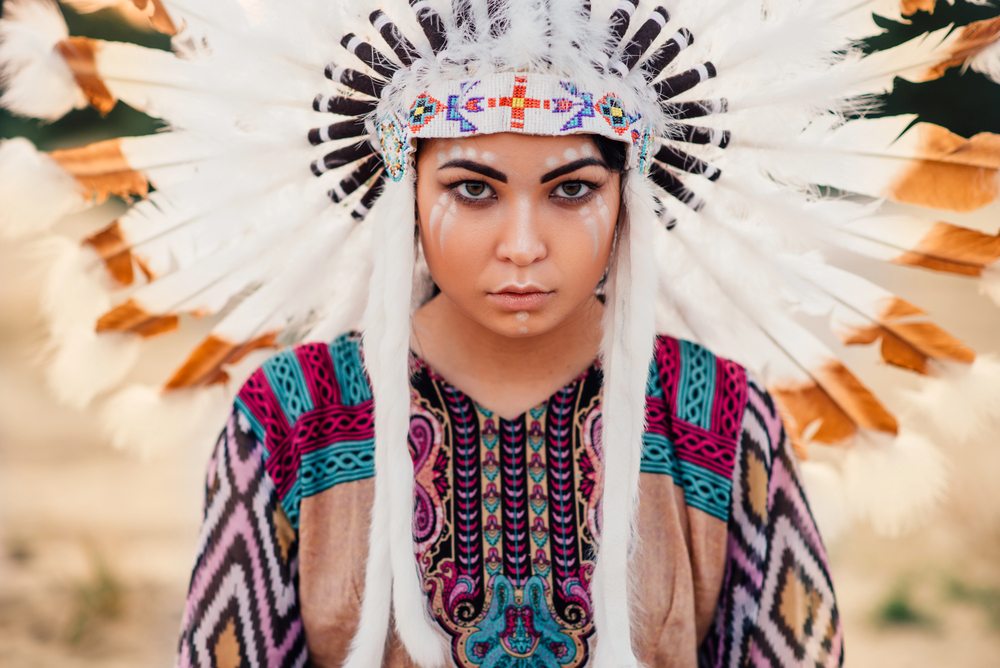
2. Native Americans are one people
You’ve probably heard or read people using the phrase “Native American culture” as though it describes a single, shared identity, yet the truth couldn’t be more different. The Bureau of Indian Affairs recognizes that there are actually hundreds of tribal nations. Each of these has its own government and traditions. Not once has there ever been a single Native American identity or culture, nor will there ever likely be one in the future, either.

3. Native Americans get a federal monthly check
People all over social media love to spread the myth that Native Americans get a monthly check from the federal government, simply because they’re Native American. That’s not true. In fact, organizations like the California Indian Culture & Sovereignty Center have repeatedly clarified that no such program exists, with some tribes getting revenue from specific programs or businesses instead. These payments come from tribal decisions and certain settlements. However, there’s no nationwide government check for Native Americans.

4. Native Americans don’t pay taxes
Similarly, there are those who believe that Native Americans don’t need to pay taxes because of tribal sovereignty. It’s not that simple. Like every other American citizen, Native Americans generally have to pay federal income taxes, although the income that comes from trust lands may be treated slightly differently. Either way, tribal sovereignty and individual taxation are completely separate issues. Native Americans don’t get to avoid paying their taxes because of their race.

5. Most Native people are casino-rich
The idea of Native Americans running casinos has become so common that some people genuinely believe that many people in Native communities are casino-rich. But quite a lot of tribes work without any casinos at all. In reality, discussions from the Bureau of Indian Affairs and Harvard Project on American Indian Economic Development research have shown that tribal economies can be quite different from community to community. Those that do have casinos also don’t have to share gaming revenue among members.
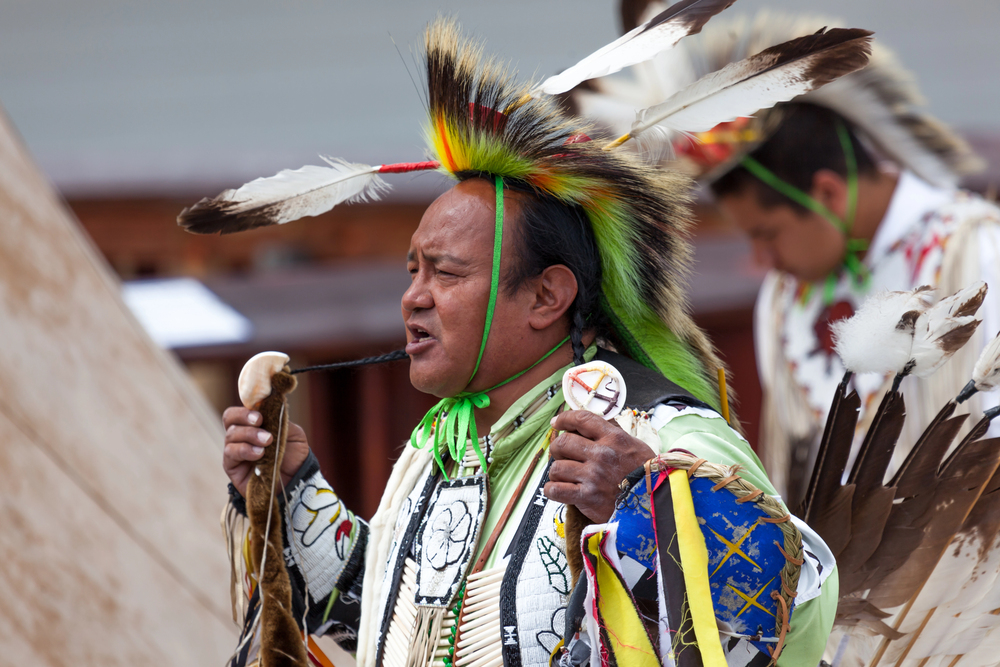
6. Native Americans didn’t have writing systems
The idea of Native history being completely unwritten isn’t really accurate. After all, you can see in Cherokee records from the early 1800s that Sequoyah created a syllabary to allow other Cherokee speakers to write their language. Literacy spread so quickly that the Cherokee Phoenix newspaper launched in 1828, and many Native Americans used writing for laws & public announcements. You can still see original printed examples of these at The Smithsonian’s National Museum of the American Indian.
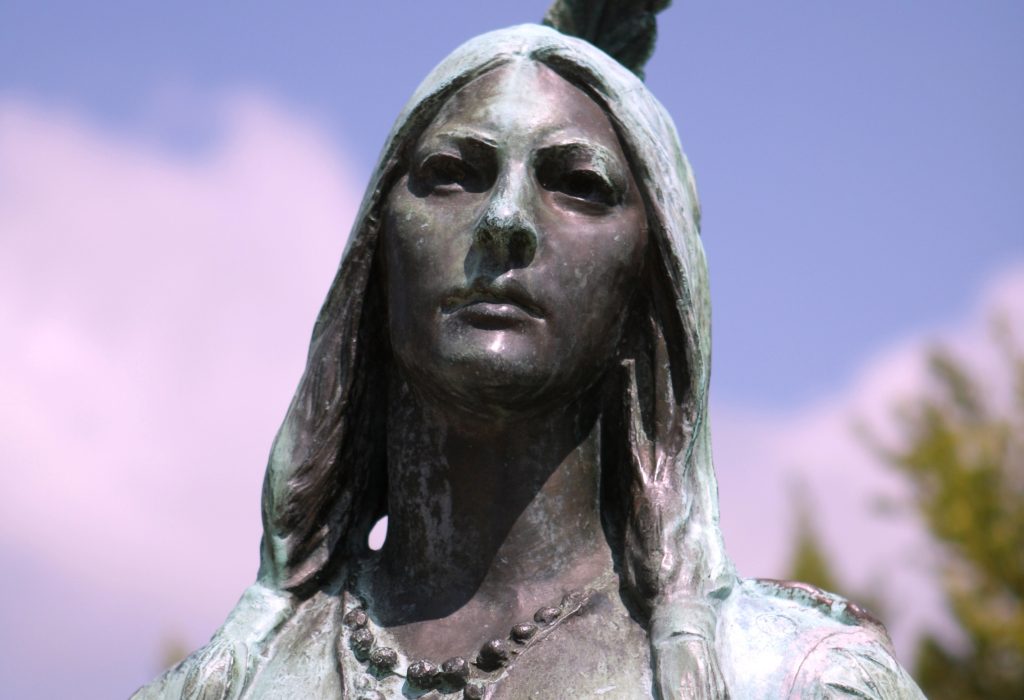
7. Pocahontas and John Smith were a romantic couple
Sure, pop culture turned Pocahontas into a love story, although the truth behind their relationship was far different. Historian Camilla Townsend explained that Pocahontas was only a young girl when Smith arrived. It was years later, during Smith’s own retellings, that the story about Pocahontas saving him from execution appeared. Plus, Pocahontas’s later marriage to John Rolfe wasn’t for love. It was more of a political partnership aiming to help colonial relations, rather than anything romantic.
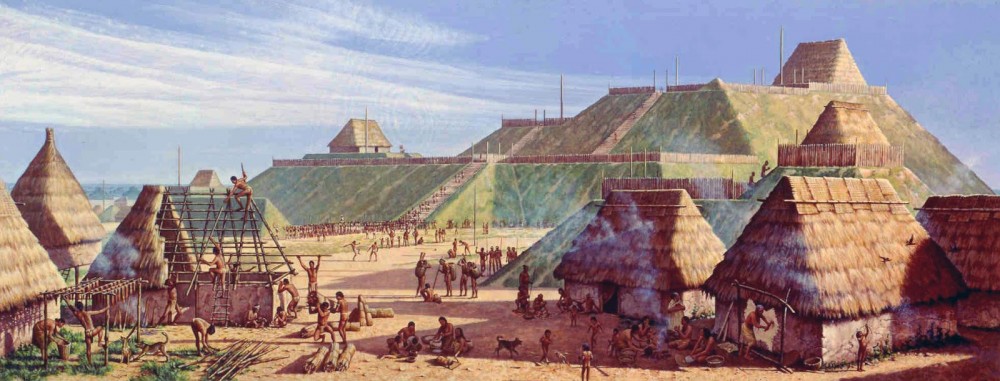
8. Native societies were always small
The majority of Americans have never heard about Cahokia, unless they live near the Mississippi River, and that makes it easy to assume that Native cities didn’t exist. They did. The truth is, archaeologists like Timothy R. Pauketat have confirmed that Cahokia was a major urban area for its time, around 1050 to 1150. It had large plazas & planned neighborhoods alongside monumental earthworks. At its height, it had a population that reached into the tens of thousands, and you can learn more about how organized construction projects helped the city grow, long before the Europeans arrived.
The majority of Native scholars and federal records tell the same story about these myths. They didn’t exactly come from nowhere, but rather, they stuck around because people kept repeating the same images or simplified lessons across generations. However, it’s not too difficult to take a look back at documented history to find the truth.

