

Being spiritually homeless affects older men in a lot of different ways. For some of them, the issue revolves around the church, while for others, it’s more to do with having a sense of belonging. Here are ten reasons that a lot of older men feel spiritually homeless today. Have you experienced any of these?

1. Fewer close male friendships for support
One of the major reasons that men feel so spiritually isolated today is that many older men do not have another guy to talk to regularly. According to research at the Survey Center on American Life, the share of American men who have at least six close friends fell from 55% in 1990 to 27% in 2021. 15% have no close friends at all. Everyday life feels a lot harder for many older men since they have nobody to talk to. That’s got to feel pretty lonely.

2. Community life is virtually non-existent
Public health researchers have also looked into the issue, including U.S. Surgeon General Dr. Vivek Murthy, who discussed the decline in Americans participating in community life. He argued that Americans are far less engaged in civic groups & neighborhood activities, along with communal spaces, than any generation before them. Losing these routines has a huge effect on older men. Sure, they may not have lost their belief, but they’ve lost the weekly anchor they once used to have, and that has a way of making them feel adrift.

3. Older men lost a lot of male-only spaces
A similar issue involves the loss of many male-only spaces that weren’t necessarily religious. Political scientist Robert D. Putnam documented how many older men lost their male-only civic groups, including fraternal organizations, which gave them shared duties & familiar roles. Quite a few older men failed to replace that structure with anything similar. Now, older men have fewer places where they automatically feel recognized and become isolated.
4. Congregations are closing or splitting
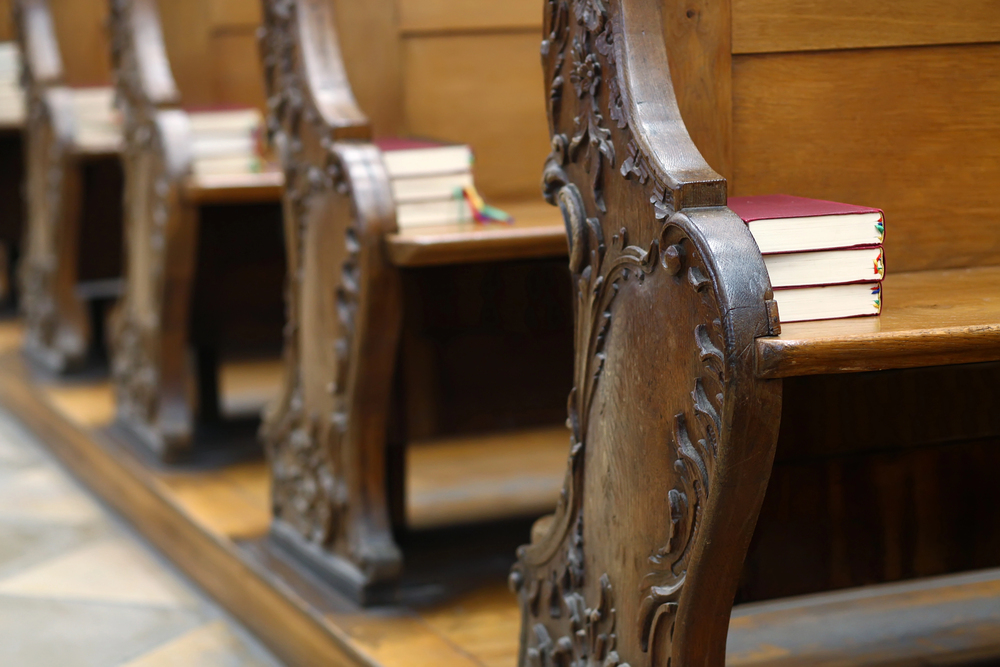
There are quite a few older men who have remained part of the same church for decades. However, data from Lifeway Research has found that thousands of American congregations have either closed or merged into other ones over the years. That affects men who still identify as religious. Out of nowhere, they might learn that their men’s group or choir has completely disappeared because the building has closed or the denomination has reorganized. These men lose valuable social connections as a result and it’s no wonder they feel so alone.

5. Retirement kills their sense of identity and schedule
Sociologists like John L. Oliffe have studied men’s sense of identity for many years, and they have repeatedly stated that men tend to build their identity around their work. They also found that men often struggle more than women after leaving their jobs. Why? Because their schedules and social contact were tied to the job itself, along with how they feel they contribute to society. Retiring, for older men, feels a lot more like losing a role than gaining free time. The end of a job signals the end of a structure. And more often than not, they have nothing to replace it with.

6. Lack of volunteering creates fewer service-based connections
Data from the U.S. Census Bureau’s Volunteering and Civic Life in America report shows that male volunteering rates are much lower than female volunteering rates across the country. Why is that important? It’s mostly because men don’t receive the same opportunities for having a sense of purpose through coaching or church service that women do. They also get fewer invitations for doing shared work, and go to fewer places where people expect them to show up every week. Instead, men rely primarily on their partners. Losing that relationship means that older men lose their support system rather quickly.
7. Older men have the highest suicide rates
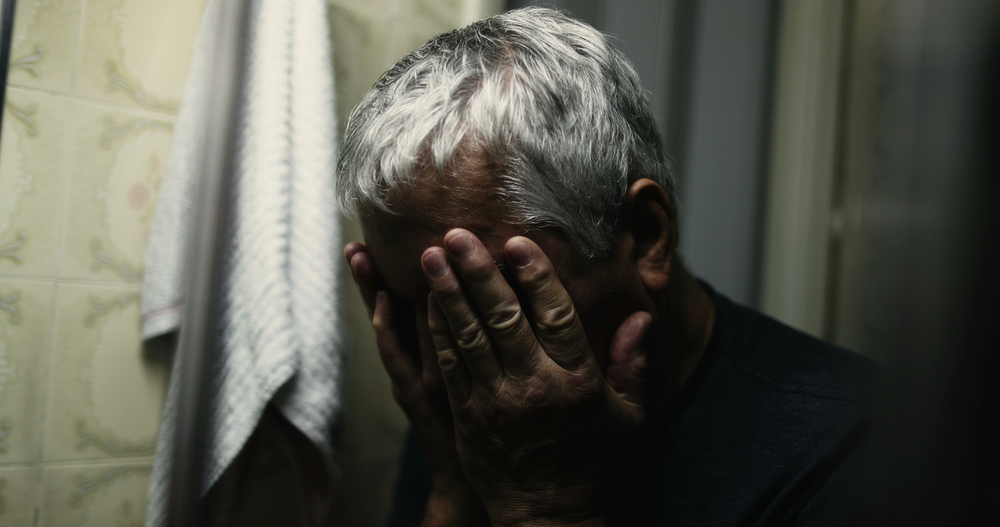
We also can’t ignore one of the saddest factors, and that’s in terms of suicide rates. CDC data has repeatedly shown that men, particularly older men, have much higher suicide rates than women. That’s not to say that higher suicide rates directly explain older men’s personal feelings or beliefs. However, they do suggest that older men appear to struggle more with their mental health than women do. The exact causes for this are unclear, yet CDC data clearly shows that a lot of older men are struggling.

8. Caregiving takes a lot
You might be surprised to learn about how many older men take on the role of a full-time caregiver, and that causes their routines to disappear relatively quickly. Monika Lopez–Anuarbe & Priya Kohli’s analysis of data from the U.S. National Study of Caregiving found that male caregivers usually report heavier strain than female caregivers. They also reported having fewer outlets for support. Such findings are rather important because caregiving can replace practically everything on the calendar for men, like casual visits or Sunday gatherings. Each day becomes focused on scheduling and medical issues instead. Soon enough, the spaces where men used to feel grounded have almost entirely disappeared.

9. Hearing loss pushes men out
There are a few older men who don’t leave social spaces on purpose, but rather, because they stop following conversations. Nicholas S. Reed and colleagues published a report in JAMA Internal Medicine that suggested treating hearing loss can reduce people’s sense of loneliness when they are older. That means the opposite is also true. Suffering from hearing loss causes you to feel more isolated because it gets tiring being in group settings, whether that’s church halls or family dinners. These start to feel a lot more awkward. Sure, some older guys still want a sense of connection, but they choose to stay at home because it feels a lot more comfortable.

10. Moral injury is a kind of spiritual fallout
Veterans make up a big share of the older male population, and that’s pretty important. The VA National Center for PTSD has explained “moral injury” as something that many vets suffer from, and it’s essentially a feeling of distress that comes from actions contradicting a person’s core values. Sadly, moral injury can affect a person’s faith & trust, as well as their sense of meaning. Some veterans choose to stay connected to tradition on the outside, but they feel disconnected on the inside. This sort of contradiction can make religious spaces feel unfamiliar for older men. It doesn’t matter that their beliefs haven’t changed.
It’s impossible for researchers to directly measure people’s sense of spiritual homelessness. However, when they track things like friendship patterns & volunteering, it becomes clear that many older men still believe and still care. They still want connections. Instead, it seems the issue is that the structures that gave older men the chance to act out these feelings have changed.

