
The American frontier will never be forgotten, thanks to all those movies & books about it. However, while a lot of the details do feel familiar, some of these are slightly off, and various historians have tried to correct the details on these misconceptions. Here are seven American frontier myths that historians question. People aren’t necessarily trying to lie when they spread these myths, but rather, they simply don’t know the truth behind them.
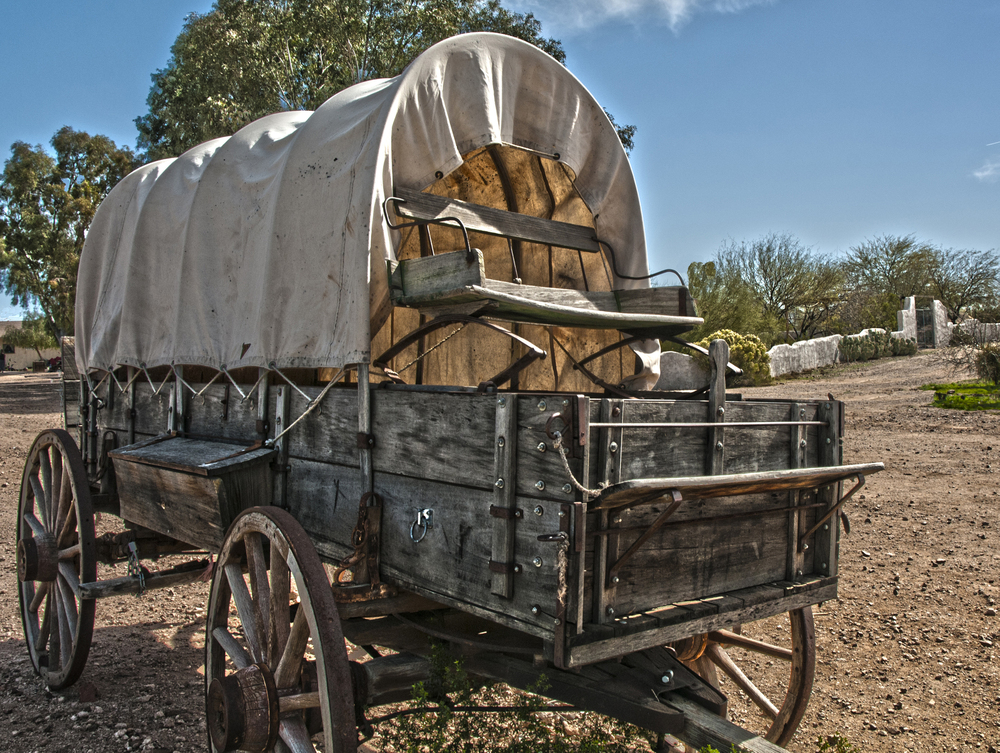
1. Conestoga wagons on every wagon train
You probably imagine huge Conestoga wagons rolling west whenever you think about the American frontier. However, historians at places like the Oregon/California Trail Center state that emigrants tended to use smaller prairie schooners when they were traveling. The heavy Conestoga designs weren’t built for migrating overland. Instead, they were used for freight roads in the east, while the lighter wagons were much easier to repair. They also required fewer animals to pull. No wonder the settlers avoided using Conestoga wagons all the time.
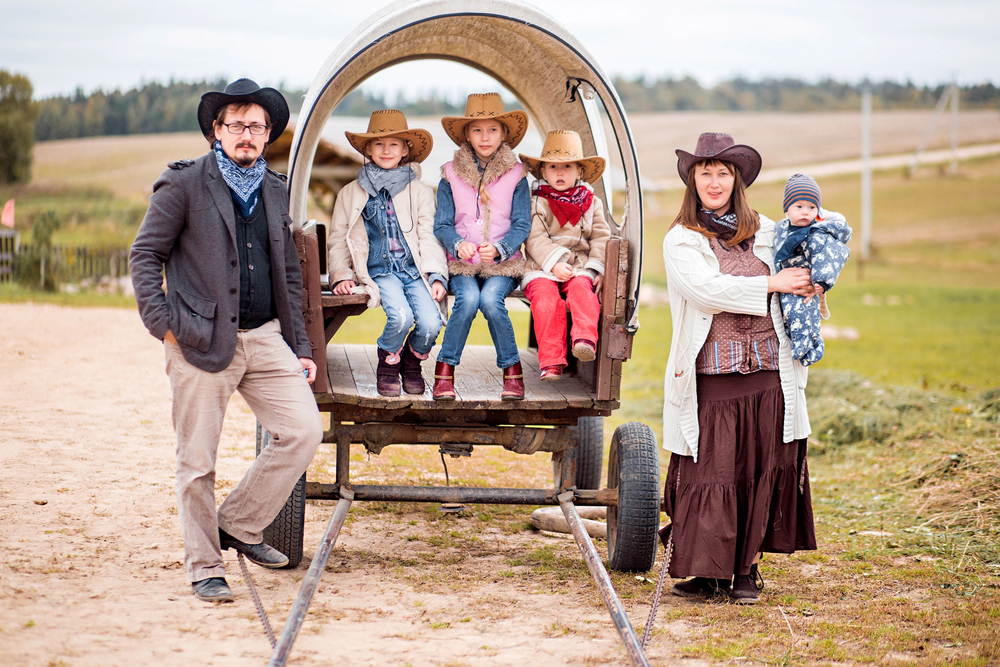
2. Wagon trains were mostly men chasing adventure
That’s all for wagons. A lot of old Western movies make it seem as though each wagon train was packed with single guys who were itching for some adventure, yet the trail records show something rather different. Historian John Mack Faragher said that many households moved together, with children & grandparents traveling in shared groups with their neighbors. In fact, many women dealt with livestock and repairs themselves. They made decisions about the route alongside the men.
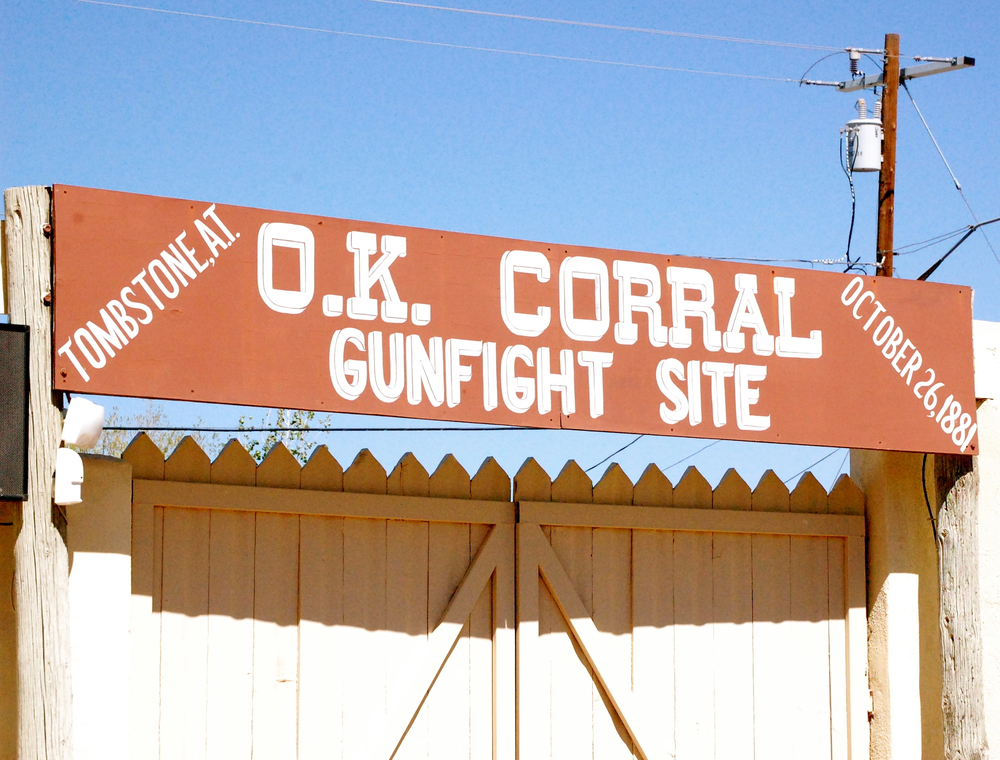
3. The O.K. Corral shootout happened at the corral
It sounds strange, but the O.K. Corral shootout didn’t actually even happen at the Corral, nor was it something that lasted all night long. Historians at the Smithsonian American Art Museum stated that the exchange itself probably only lasted around thirty seconds. But that’s not all. According to Tombstone historical material, the shooting actually happened in a nearby lot instead of the Corral. It wasn’t the drawn-out duel in a dusty area that we like to think it was. It’s thanks to Wyatt Earp’s own maps that we understand how the scene was today.
4. Frontier towns allowed people to walk around armed
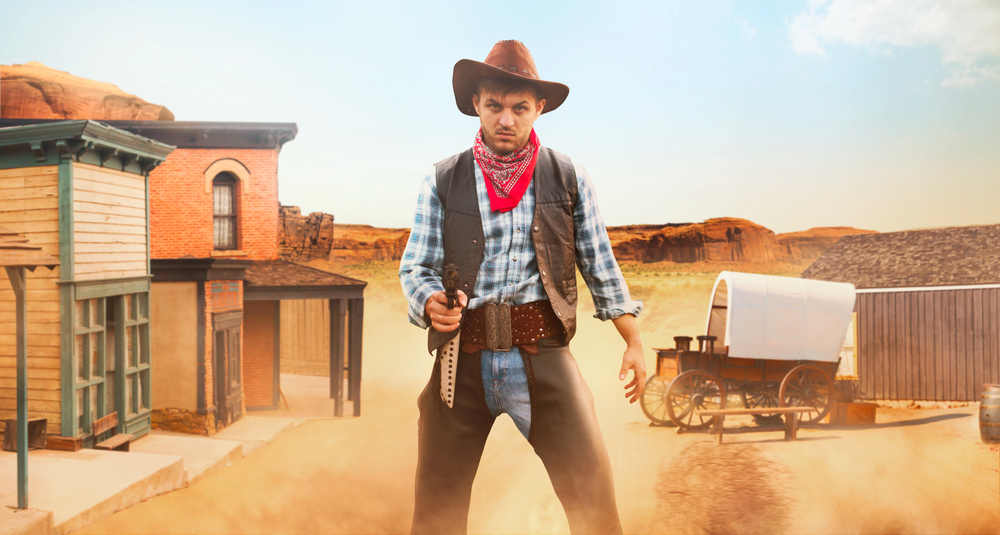
Sure, old Western films show people with guns everywhere. But research by Smithsonian Magazine found that many public spaces had strict firearm rules, with places like Tombstone also requiring visitors to surrender their weapons or register them. That’s why Virgil Earp tried to disarm the Cowboys before their famous fight. Of course, gun laws weren’t the same in every town, yet plenty of them tried to regulate how people used weapons within the city’s limits.
5. The Wild West had nonstop gunfights
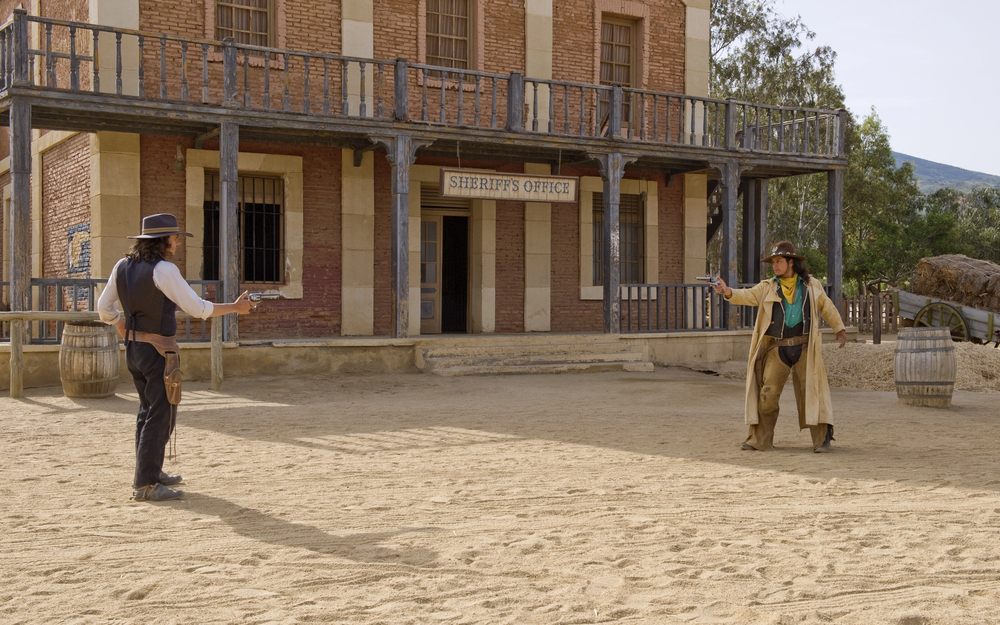
A similar myth is the idea of frontier towns being places of non-stop shootouts. You don’t have to look very far to find out that that’s not true. Researchers like Robert R. Dykstra have looked into the history of cattle towns, and they’ve found that murders were far rarer than dime novels & western films would have you believe. Dodge City’s local records state that there were fewer than two violent deaths each year during the cattle-ranching era. Most of the arrests were usually due to drunkenness or gambling, rather than gunfights.
6. The Homestead Act meant completely free land
The idea that the Homestead Act allowed settlers to claim land & move in is simply wrong. Researchers at the National Park Service describe the Act as more of a legal process that required people to be residents, and they also had to help improve buildings. They also needed to have spent years farming before they were given ownership. But that’s not all. In addition, settlers often had to pay filing fees and document their work so they could prove their claims in court, making it a far lengthier process than people like to imagine.
7. Cowboys were mostly white Americans
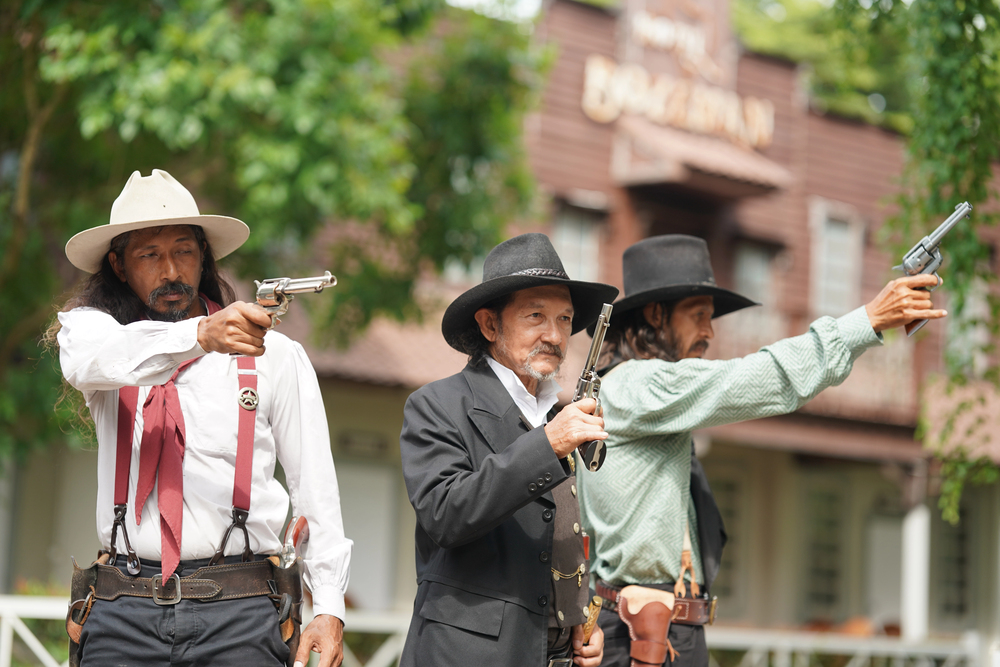
The classic image many of us have of cowboys actually leaves out the real people who worked cattle. William Loren Katz, a historian, stated that nearly one in four cowboys during the late nineteenth century was actually Black. A lot of the techniques that cowboys used also came from Mexican vaqueros, who were essentially Mexican cowboys. Yes, that’s right. A lot of saddle styles & the ways we like to imagine cowboys handling rope actually come from Spanish-speaking horse culture. They were around long before Hollywood westerns.
A lot of frontier “facts” came from entertainment myths, rather than anything based in truth. And it’s not simply Western movies. Some of the most famous figures, like Buffalo Bill, became popular through dime novels, along with other simplified character types that audiences could instantly recognize. These myths about the American frontier continue to exist, even today.

