
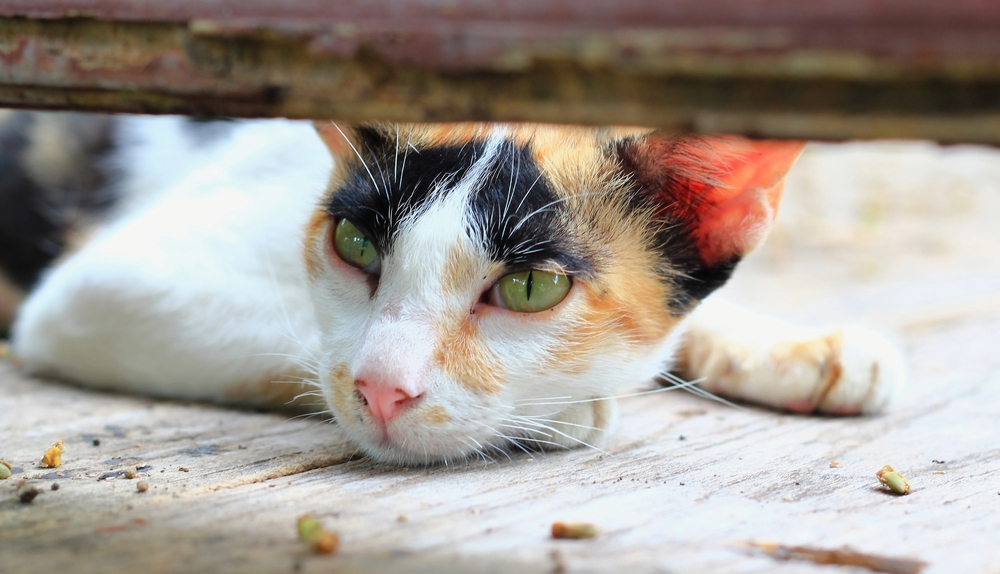
Not all cats appear sad when they’re feeling isolated. In fact, a lot of the signs of their loneliness come from changes in their habits that you might not notice unless you really pay attention to them. Veterinary behavior teams, including those at the Ohio State University Indoor Pet Initiative, have documented these habits. Here are eight signs that your cat could be feeling isolated at home.
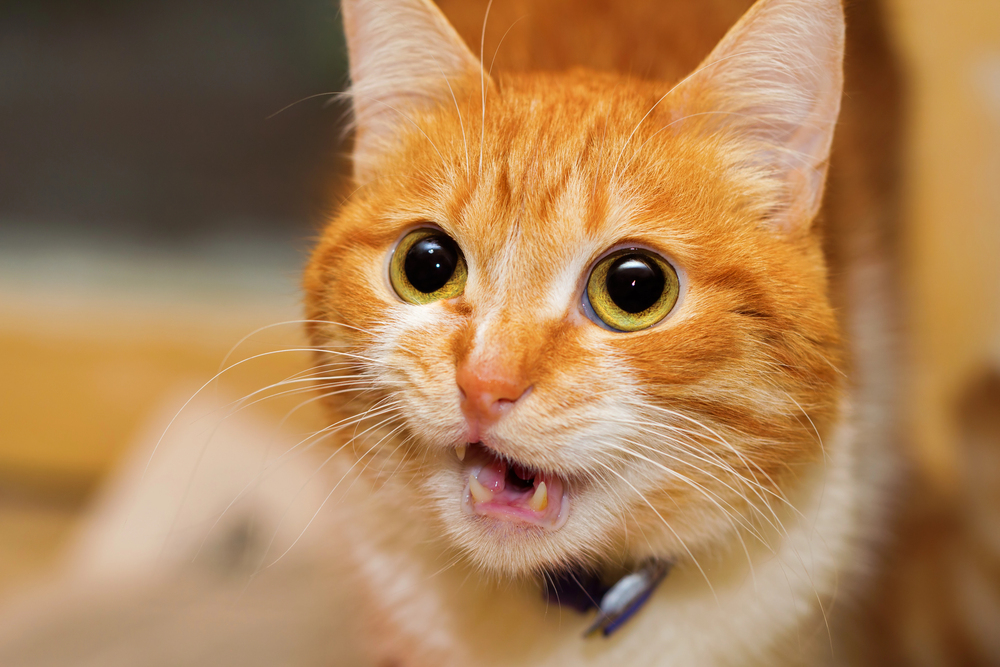
1. They get louder when the house is quiet
A few cats will start vocalizing more when nobody’s moving around, or the house is completely silent. Rather than them making constant noise, it’s more like a long, drawn-out meow that they’ll aim at hallways or doors. The Indoor Pet Initiative at Ohio State University says that such excessive vocalizing is a common sign of isolated indoor cats.
It’s especially common when the person the cat is most attached to leaves. You’ll likely hear pacing cries or drawn-out yowls, perhaps loud calls from another room, because your cat is upset that it has been “abandoned.”
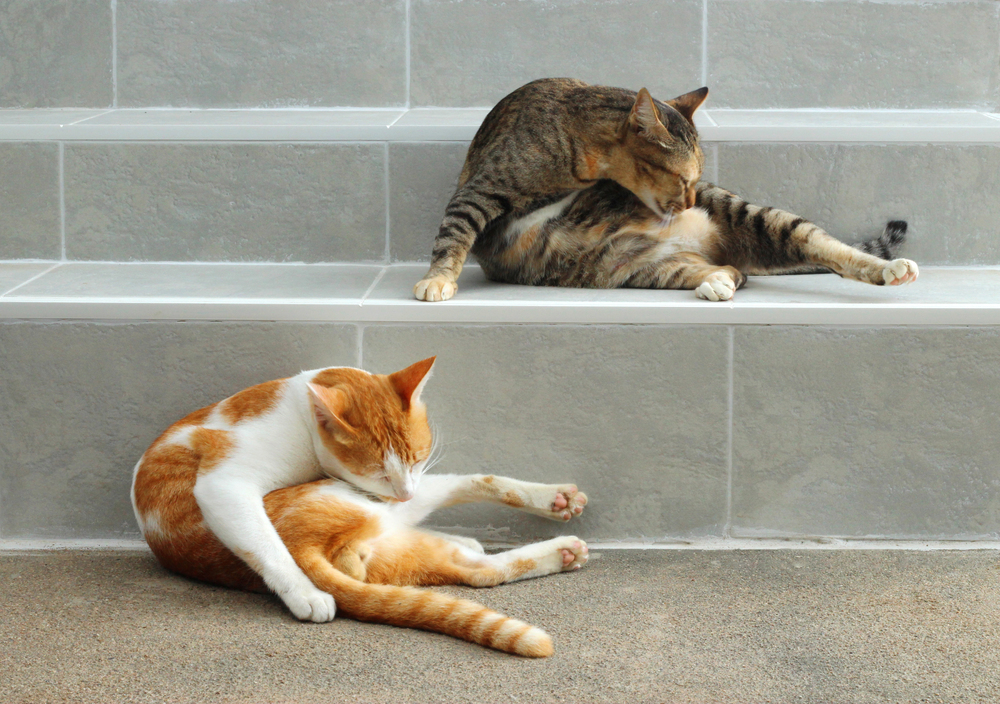
2. They spot polish one area
Yes, it’s normal for cats to constantly groom themselves. The real issue comes when they start repetitively grooming themselves in one exact spot instead of all over, like a normal routine. PetMD research has found that excessive grooming in one area of the body, especially the belly or legs, is often a sign of a cat that’s dealing with separation anxiety.
In fact, it’s something that vets refer to as “psychogenic grooming.” This essentially means that the overgrooming has nothing to do with fleas or skin issues and is instead a stress pattern. You might even notice that your feline’s fur has started thinning in certain areas. This may be due to excessive grooming.
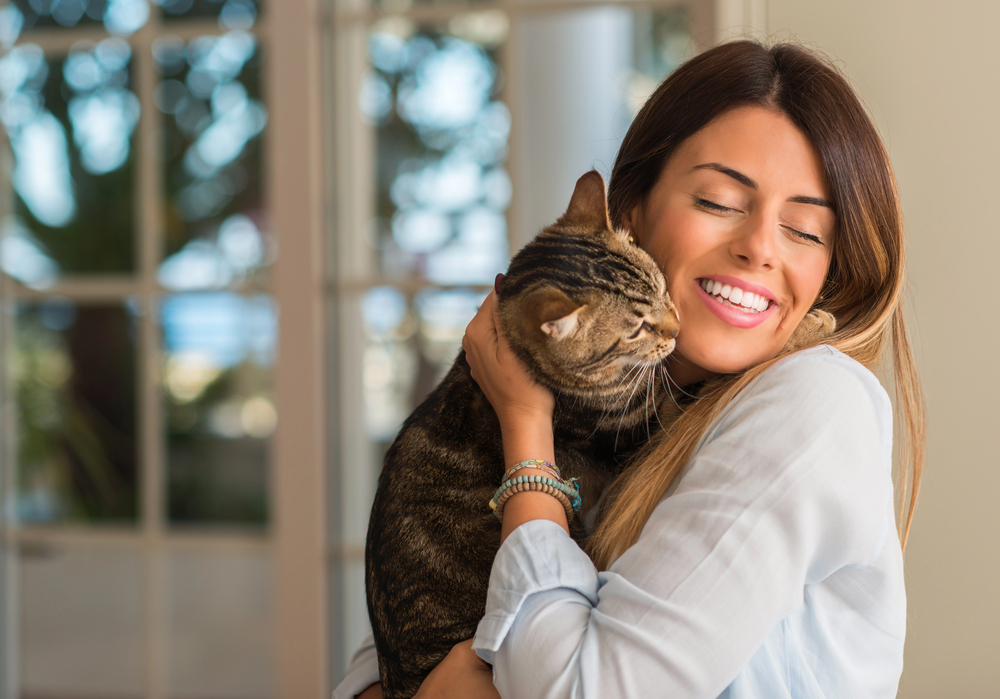
3. They stick to you when you’re home
Instead of hiding, some cats will attach themselves even harder when they feel isolated, and this can look like them following you into every room or blocking the doorway. They may also physically press themselves against you for longer than usual. Ohio State’s feline behavior studies have found that hyper-attachment is common among indoor cats with separation issues.
These sorts of cats keep looking for contact because they feel as though they don’t get enough. Of course, it’s only something to worry about if your cat’s behavior has changed in some way. A cat that has always been obsessed with you may simply be a clingy cat, meaning it could be a personality trait.
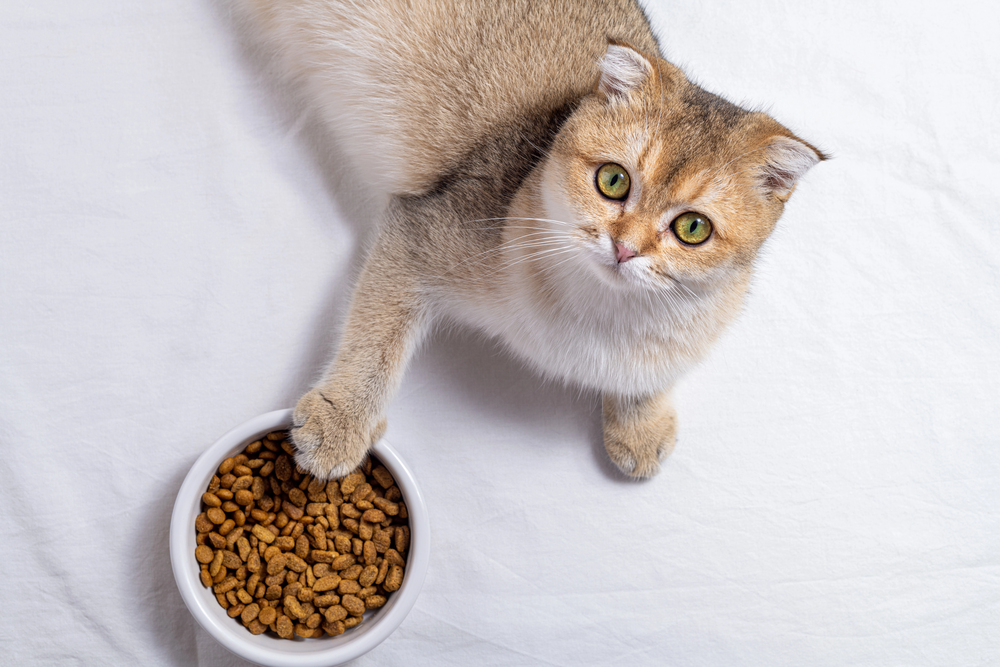
4. They overeat or drink when you’re at home
Pay attention to how your cat eats or drinks. Cats feeling isolated often avoid eating or drinking when their owner is absent, and then they make up for it when they return by overeating & drinking. Dr. Tony Buffington’s research suggests that anxious cats do this because they are so stressed.
As such, they become a lot hungrier and thirstier, so they will compensate by overindulging when they see their owner is back. It’s the timing that really matters here. They overeat when you’re at home, yet act very hesitant or don’t eat at all when you’re not.
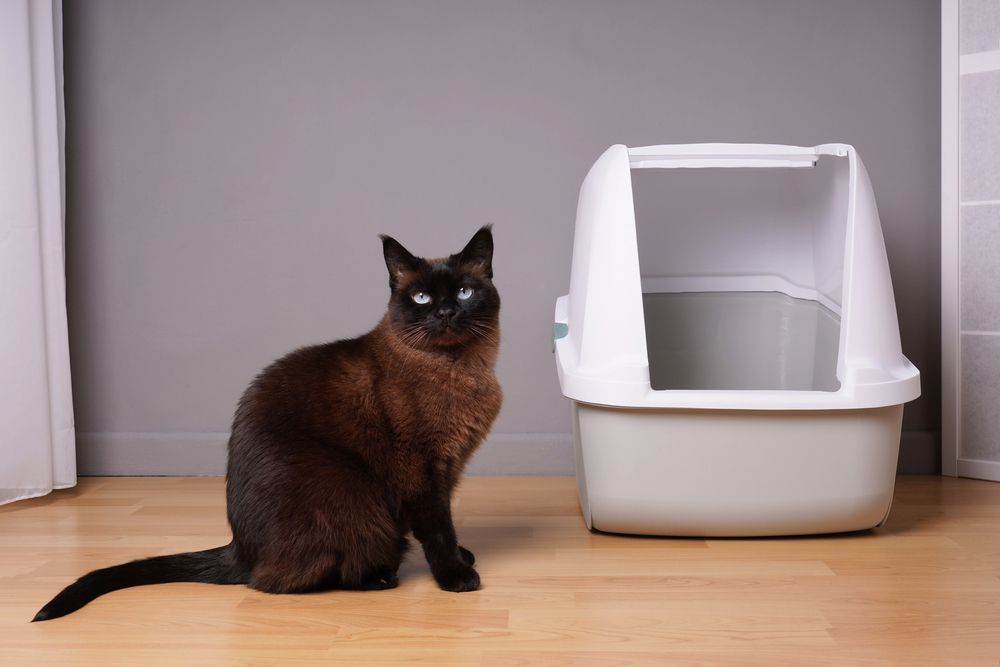
5. Their litter box habits change
Sadly, one of the most common signs of feline separation anxiety involves them urinating outside the litter box, and it’s usually on items that smell strongly like their owner. It’s something that Dr. Stefanie Schwartz actually conducted a study into. She found that, out of 136 clinic cases, around 75% of cats who urinated outside the litter box did so on the owner’s bed.
It’s not necessarily something your cat may do every day. Instead, they might only urinate or poop outside the litter box after you’ve been absent for a long time, or your schedule changes. It’s also important to note that such behavior could also be a sign of other health conditions, so you may want to take your furry friend to the vet.
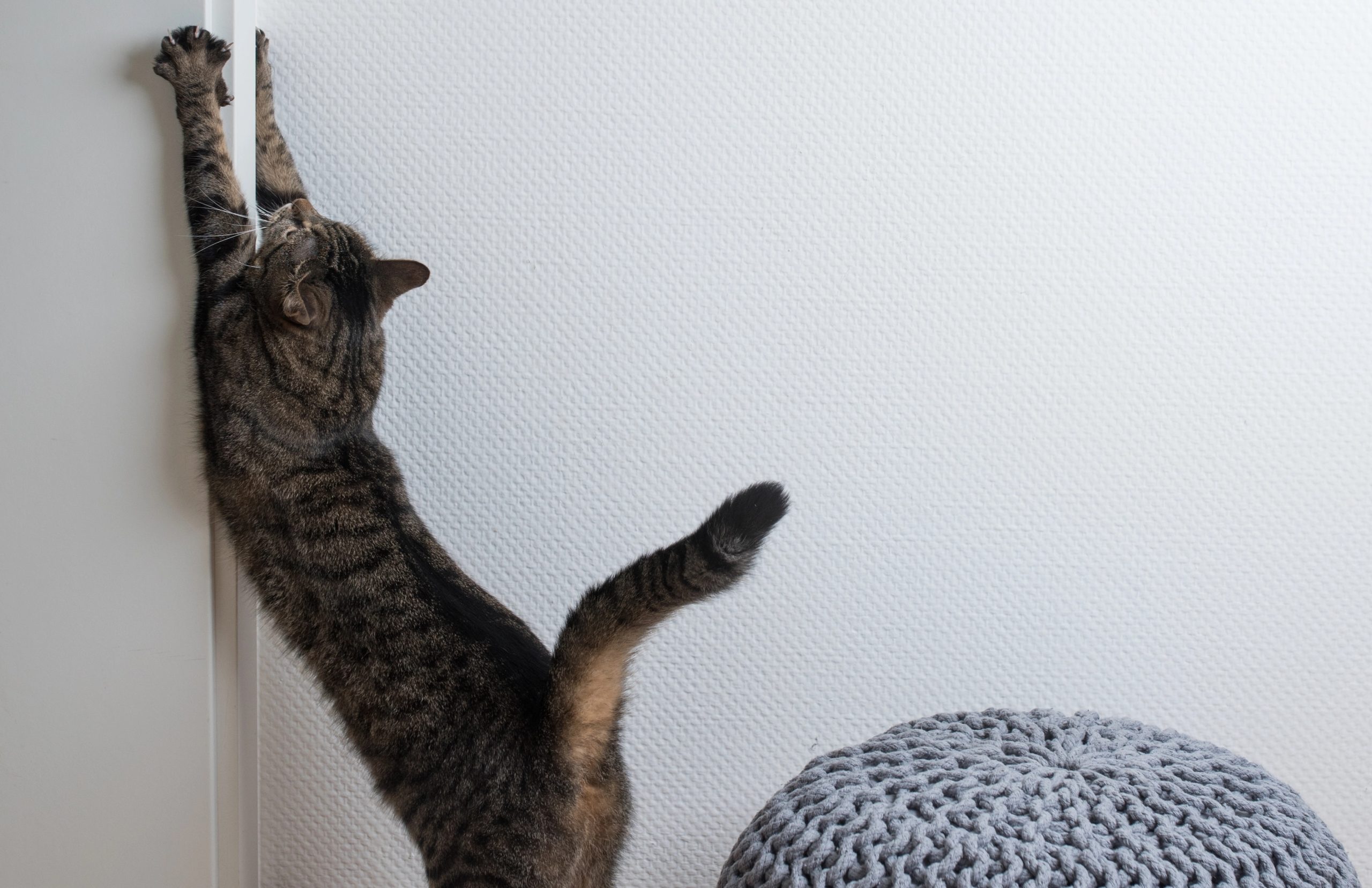
6. They start busy behaviors
No, your cat scratching the door frame or chewing random things may not simply be bored. Ohio State’s Indoor Pet Initiative states that destructive behavior is rather common among single indoor cats who have to spend long periods by themselves, meaning that they’re likely suffering from a form of separation anxiety.
Such behavior is common in cats with absent owners, rather than general play. You’ll be able to notice it because your cat may focus its “busy behavior” on specific locations instead of doing it all over the house. That’s a good sign that it’s feeling neglected.
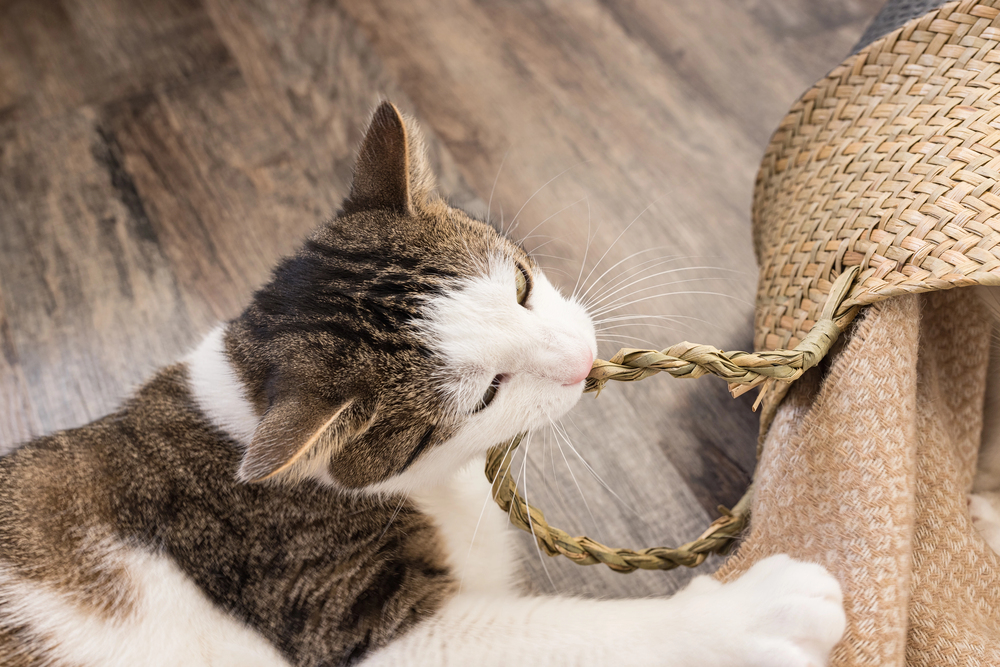
7. They start eating or chewing non-food items
Similarly, some lonely cats develop a habit called “pica,” which involves chewing or eating things that aren’t food. You might notice your cat chewing plastic bags or sucking on blankets, perhaps even tearing at cardboard when there’s nothing happening, and it’s due to stress. Cats who don’t have enough stimulation start eating things they know they can’t eat.
That’s not to say that your cat will start eating everything it can find. Cats with pica tend to go after the same texture again & again because it’s a source of comfort for them, rather than something they actually think tastes good.
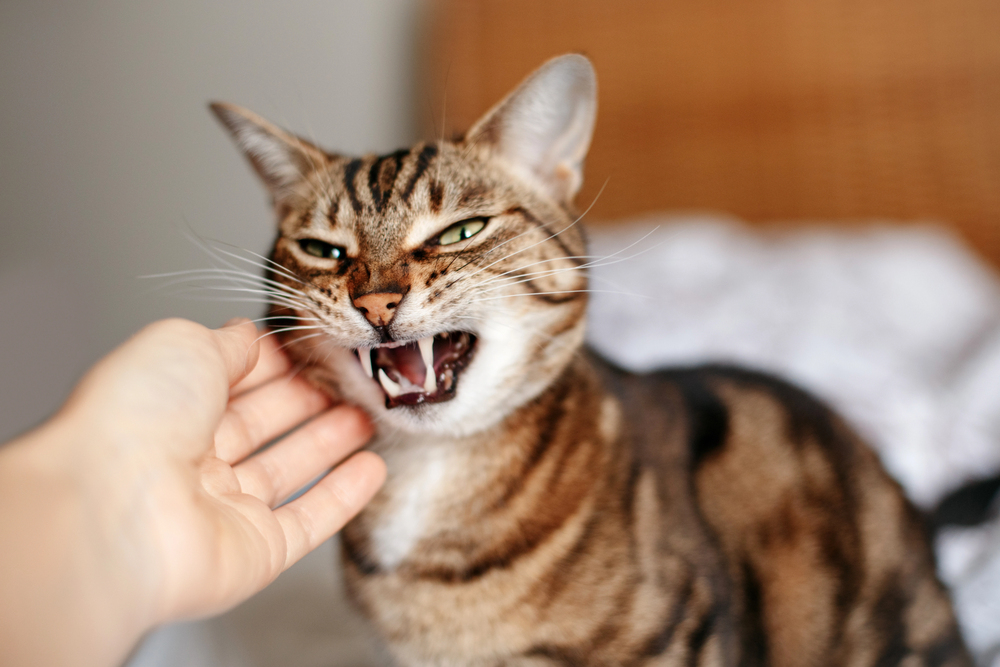
8. They ask for petting and get irritated fast
One minute, your cat seems desperate for attention, and it walks over & leans into your hand. But then it switches gears after a few seconds. You might notice that their tail starts flicking or their ears turn sideways, and then they pull away or swat at you. The Cornell Feline Health Center states that petting-induced aggression happens when cats become overstimulated.
It’s normal for cats to do this after you’ve been petting them for a short while. However, cats who spend a lot of time alone will sometimes experience such aggression relatively quickly, even after they’ve sought contact themselves. Their behavior can be confusing for owners who are used to more relaxed affection.
One thing that’s important to remember is that changes in your cat’s behavior are rarely due to a single explanation. The truth is, these behaviors could actually be a sign of other health issues, so you should always get your feline’s health checked before you assume it’s simply an emotional issue. All it takes sometimes is a simple change in routine or environment for a cat to start a new pattern.


