

Teen bedrooms have become like personal studios: a space to experiment with identities, friendships and get away from family life. Being independent in terms of space and time, which means desiring more of them, is also normal and not an immediate sign of trouble.
Nevertheless, secrecy may border on safety concerns, particularly in those situations where a teenager is distressed, attempting to blend in, or engaging in adventure. Being aware of what is likely to be hidden and what it can entail, caregivers are more likely to react with a calm sense of inquiry than in panic.
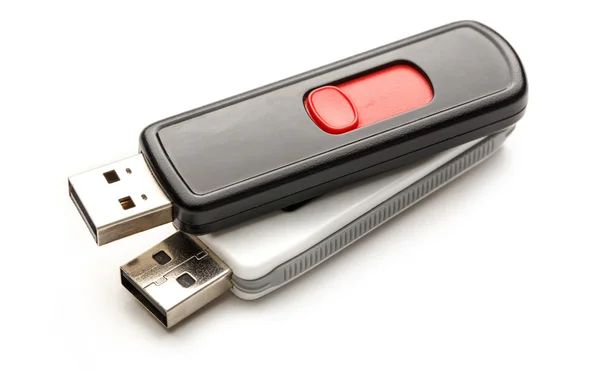
1. Vapes that look like everyday tech
A lot of vaping devices have a sleek design and even look like USB drives, pens, or highlighters. Vapor can be lost in a short time and smell may be lighter than cigarettes hence the device itself turns out to be the primary evidence. Laptop bags, pencil cups or small gadgets that can be found in desk organizers might be overlooked when doing routine cleaning. Vaping may cause nicotine dependence, and the teens may be exposed to harmful substances through the use of electronic cigarettes (vaping).
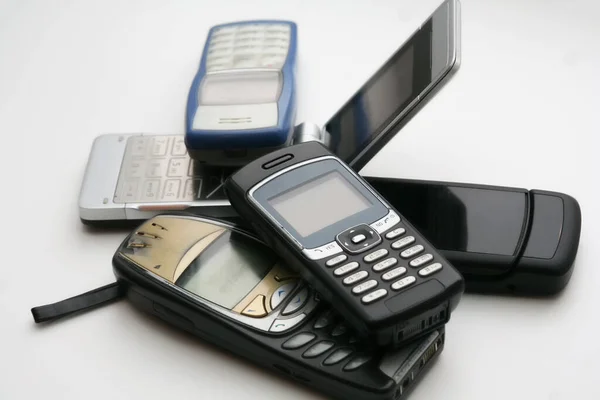
2. A second phone (or “burner” phone)
To evade parental controls, have some contacts private, or have accounts that the person should not know about, one can use a backup phone. Such devices are found in silent mode and usually stored in pillow cases or behind the drawers or storage areas that have not been used in a long time. An accidental giveaway can be an unknown charging cable, power bank or late-night vibration. The fact that the second phone is there may also indicate the need to have privacy that would not make one feel like a target of interrogation.
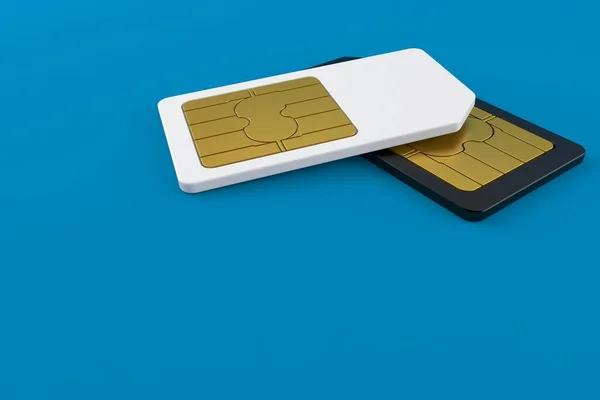
3. Tiny “switches” for identity and access (SIM cards and USB drives)
SIM cards and small USBs installed on secondary are simple to conceal as they are physically small, and they appear to be just another accessory. They could be utilized to modify numbers, save personal files or have a backup outside the family computer. Teenagers usually hide them in wallets, under phone covers, or inside an old electronic packaging. In the event that they are discovered, these items tend to indicate an interest in the ability to control access to them and the information that can be seen.
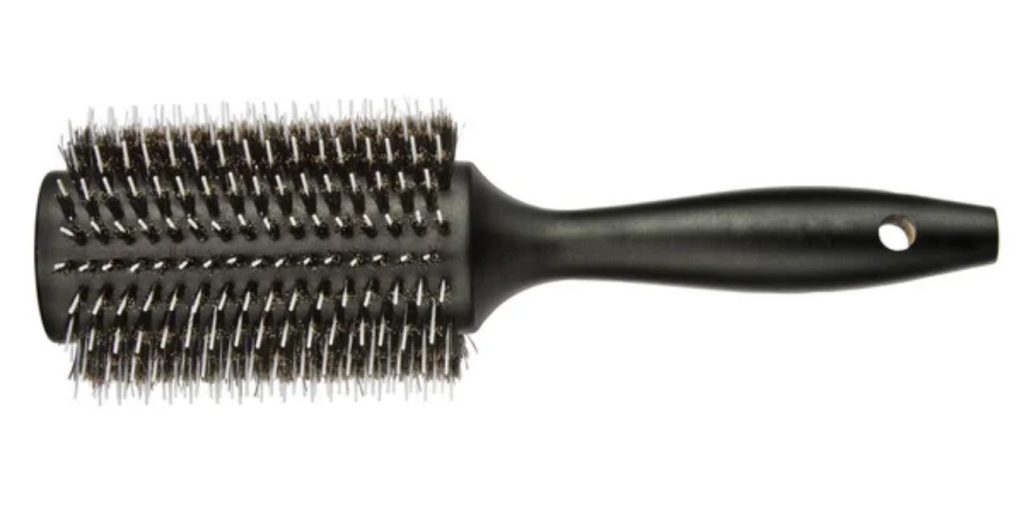
4. Diversion safes and false-bottom containers
Other hiding places will be located in areas where they are easily observed: false soda cans, hollowed hairbrushes or tubes that can be unscrewed to provide a hiding place. An awareness training exhibit on the use of rooms explains to the caregivers that common objects may have false bottoms, such as random tubes of Chapterstick used. Such containers may contain cash, pills, and so on. It is not the container itself that is important, but what is inside of it and why it seems the need to have it covered.

5. Alcohol disguised in water bottles
Alcohol can be poured into a plastic water bottle and consumed alongside an ordinary beverage in a night stand, a closet, or in a gym bag. Best indicator is likely to be smell, particularly when there is a spill of the bottle or opening. It is simple to bring it to a bedroom because of its appearance, the glass clink is not so obvious. Covert alcohol usually comes along with social influence, experimentation or stress coping.

6. Pills taken from home supplies
Adolescents have been known to keep drugs stored in sold-up drugs in small bags, tissue bundles, or mint tins. They can be concealed in curtain poles, battery packs, or obsolete technology boxes where parents do not pay much attention. Medical advice suggests that the caregiver should monitor the intake of prescription medication at home, as overlooking missing pills can be delayed. Discovery of pills in a non-approved course of action may indicate experimentation, anxiety or pain self-medication, or peer pressure.

7. Drug paraphernalia that is easy to misidentify
Pipes as small as grinders, rolling papers and other tools may be confused with random hardware, cosmetic jars or simply a strange keychain. Adolescents might keep them in their pencil cases, hoodies pockets or boxes of twisted strings. Objects with the purpose of eliminating smell such as a low-tech sploof that is a toilet paper roll and dryer sheets can also be placed in the drawers or under the bed. When there is paraphernalia, it is a direct safety issue no matter how minimal it appears to be.
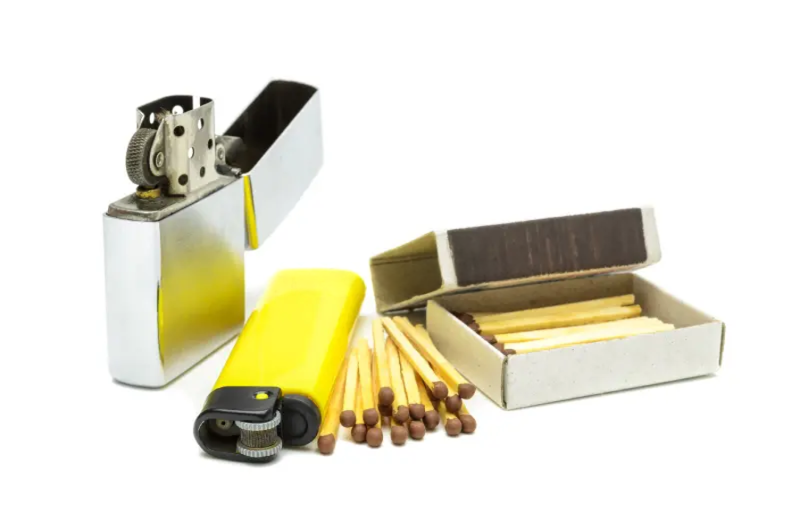
8. Lighters, matches, and strong scents used to cover tracks
Even in the homes where it is evident that no smoking is allowed, fire sources may be present since they may be used as cigarettes, workarounds related to vaping, or candles and incense. The lighters are normally disposed of in jean coin pockets, desk cups or backpacks. The use of incense or candles can be entirely decorative, although a large collection, or burning too much of it, may be used to conceal smoke or unpleasant fumes. When they appear in uncharacteristically large amounts, it can become their own indication that they are being air-freshened.
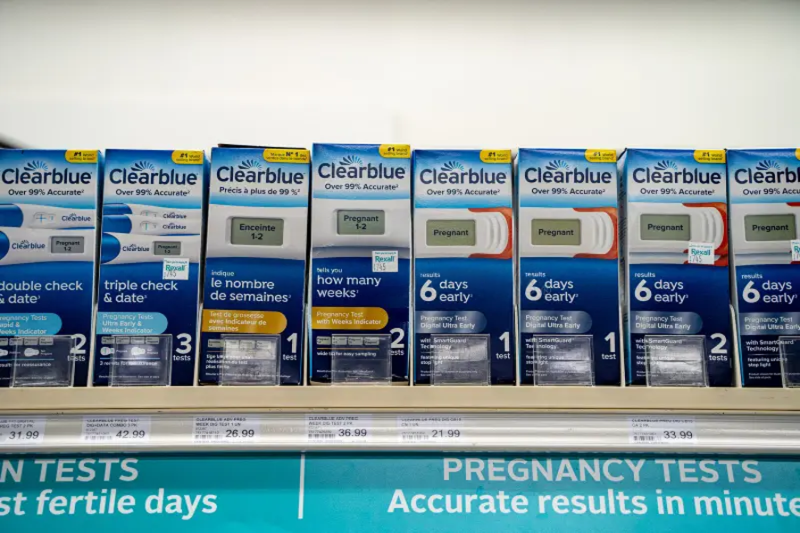
9. Pregnancy tests hidden in closets or shoeboxes
A test that is not used can be put in the back of the closet, under the sweaters or in a shoebox that resembles storage. The secretiveness is mostly an indication of the fear of the consequences and great nervousness about the outcome that could have been. The test itself is an indicator of relation activity or even the risk or anxiety of a teen even in the absence of pregnancy. The most beneficial thing is a consistent, non-shaming reaction and availability of the proper health assistance.
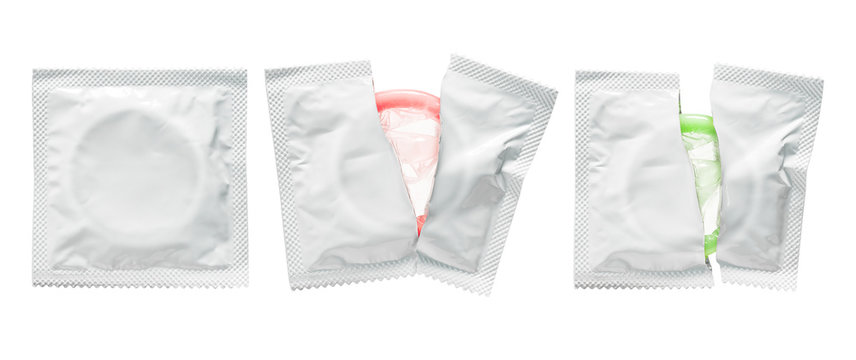
10. Condoms and other contraception tucked into “flat” hiding spots
Due to the size of the condoms and wrappers, they can be placed in phone cases, between the pages of books or even taped in furniture. Others conceal them to prevent embarrassment or confrontation as opposed to concealing relation. They also take responsibility in their presence even where communicating at home can be awkward. Once caregivers learn about contraception, the best follow-up action then is the face-to-face discussion about consent, protection, and health instead of emphasizing on the violation of rules.

11. Journals, notes, and “do not read” emotional storage
Secret notes and personal journals can be concealed under the box spring and mattress, behind a headboard, or the pockets of out-of-season clothes. These objects can contain crushes, fight with friends, identity issues, or anxieties that a teenager is not yet ready to talk about they have. Instructions on the family relationships indicate that privacy contributes to independence and that the desire to spend time after oneself does not necessarily imply that something is wrong, but constant withdrawal may also be a problem, such as spending hours in their room with little or no desire to connect with anyone.
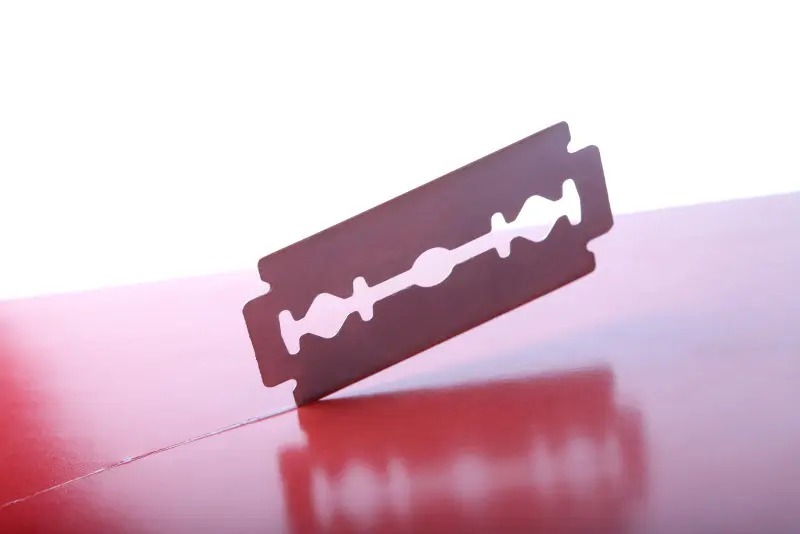
12. Razors or sharp objects used for self-harm
Razor blades, pencil-sharpener blades, or other small sharp items can be taped under drawers, slipped into phone cases, or hidden in bathroom kits. Some caregivers miss them because they are small and easily explained away. A community prevention exhibit for parents notes that subtle signs like a blood-speckled tissue can be a red flag for self-harm or substance use. When sharp objects appear alongside mood changes or isolation, it calls for immediate, compassionate mental health support.

13. Cash stashes and other “independence” supplies
Hidden money can be rolled into lip balm tubes, tucked inside boots, or taped under a drawer. Teens may save cash to avoid questions about what they are doing or to feel more in control of their choices. While cash itself is not dangerous, secrecy around money can connect to other hidden activities, from impulsive spending to risky plans. It can also be a sign a teen does not feel safe explaining normal wants and needs.
Hidden objects are rarely the whole story. They are often clues about privacy needs, stress, peer dynamics, or fear of consequences.
When something concerning shows up, the most protective response centers on steady connection and clear boundaries. Communication tends to work best when caregivers stay calm, ask open-ended questions, and keep the focus on safety rather than surveillance.


