
Collecting has a long memory, and it often runs on a predictable clock. “There seems to be the cycle of top popularity every 30 years,” says Marsha Dixey of Heritage Auctions. That timing helps explain why toys, tapes, and tech once treated as disposable are now handled like artifacts especially when they survive with their boxes, paperwork, and original accessories intact. In today’s collector culture, the difference between a “used” item and a “kept” one is frequently the difference between a curiosity and a headline sale Condition, completeness, and authentication shape nearly every top result. Factory seals, unpunched cards, and professional grading can raise the ceiling, but even play-worn pieces sometimes hold surprising appeal when the right variant or rare release is involved.
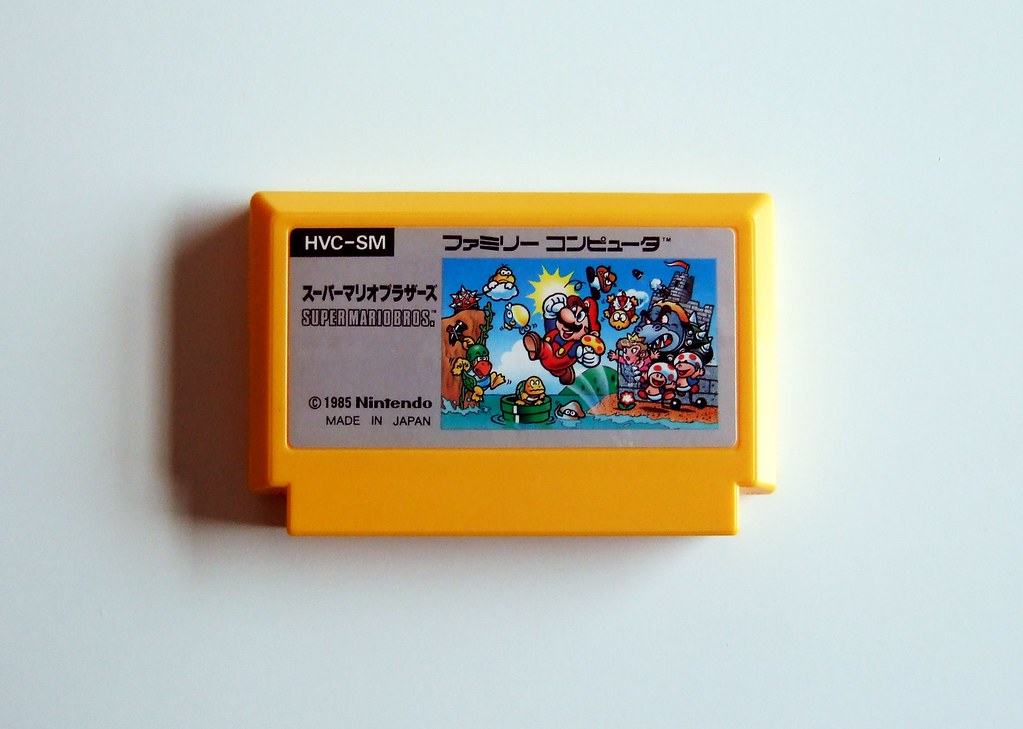
1. Factory-sealed NES games
The Nintendo Entertainment System arrived in 1985 and turned living rooms into arcades, but its collectible afterlife belongs to the games, especially those that never met human hands. Sealed copies of cornerstone titles can jump from common to extraordinary when production details and grading align. Later-production sealed copies of Super Mario Bros. have sold for $13,000, while an earlier unopened copy has sold for over $1 million. Even more ordinary cartridges can move into higher price tiers when the box, manual, and inserts stay together as a complete package.
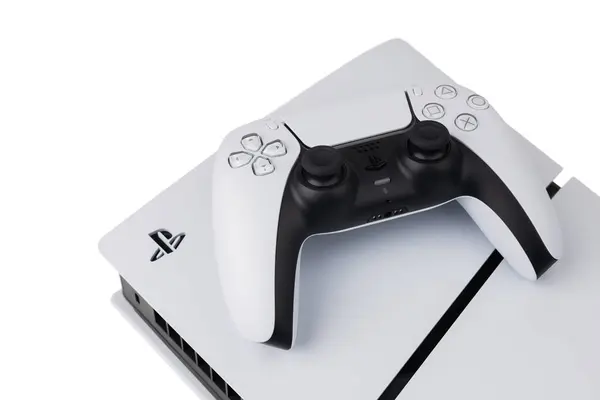
2. Prototype Nintendo PlayStation console
Among crossover relics, few are stranger than the Nintendo–Sony collaboration that almost was. A hybrid prototype console built during a brief partnership survives as a symbol of a fork in gaming history. Just 200 prototypes were manufactured, and all but one were destroyed; the lone known unit sold for $360,000 in 2020. The broader lesson is simple: collector value often follows “near-miss” stories as much as it follows mainstream success.
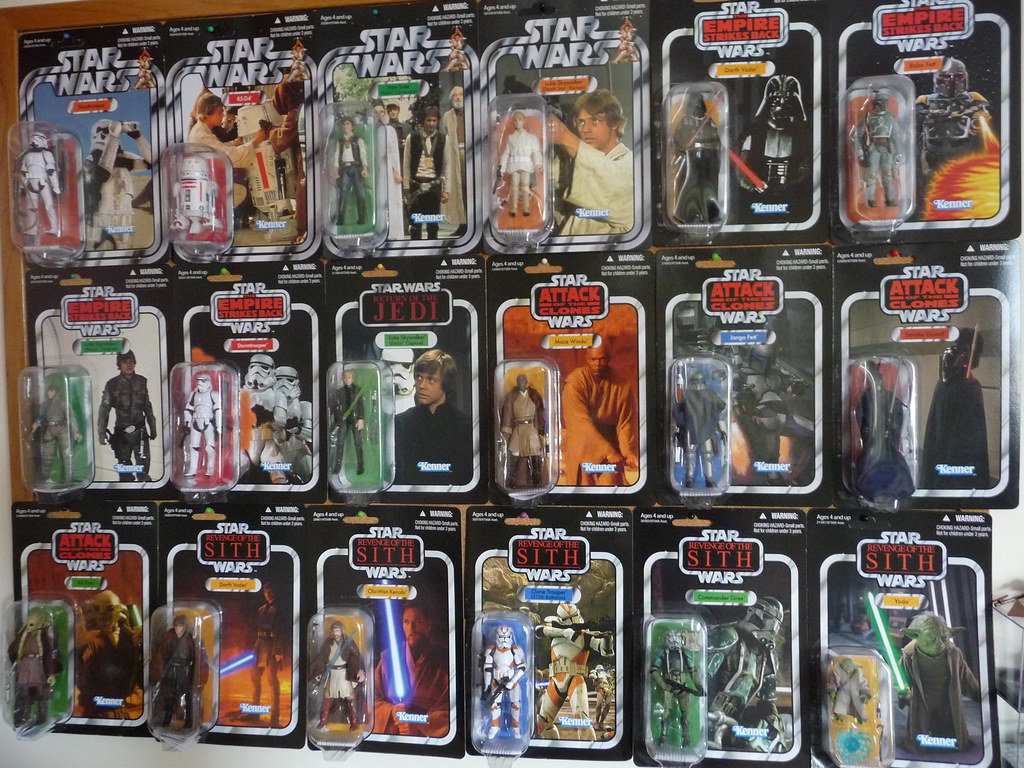
3. Kenner Star Wars figures (especially rare variants)
Kenner’s 3.75-inch figures dominated toy aisles through the early 1980s, and the market still rewards the smallest differences: paint variations, country-of-origin quirks, and intact cardbacks. The most famous rarity remains the Rocket-Firing Boba Fett prototype, which has sold for $525,000 and, in another variant, $1.34 million. For everyday collectors, graded examples of standard characters can still command strong prices, and price guides tracking graded Kenner Star Wars figure sales show how widely values can swing between loose and mint-on-card pieces.
4. First-run American Girl dolls (Pleasant Company era)
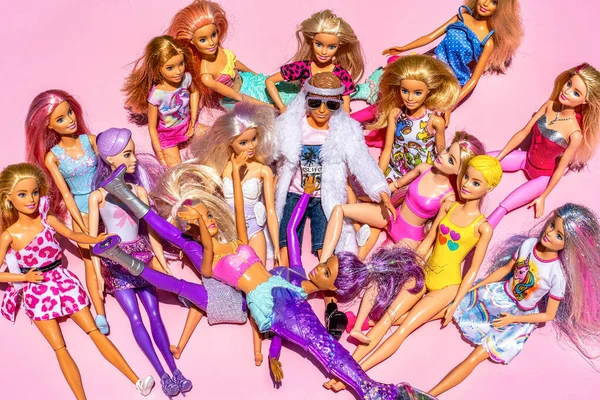
Long before American Girl became a household brand, the original 1986 Pleasant Company lineupSamantha, Molly, and Kirstenset the template: historical characters paired with books and carefully designed accessories. Collectors place extra emphasis on early identifiers such as “white-bodied” construction, original documentation, and signatures. A signed Samantha has sold for as much as $12,000, while other early dolls can reach $7,000 with the right proofs of authenticity. Trunks, furniture, and outfits can add meaningful value when they match the correct era and release.
5. Cabbage Patch Kids with boxes and adoption papers
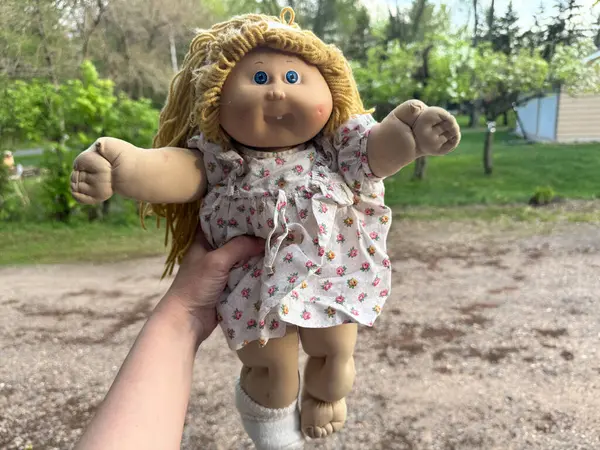
The 1980s craze produced mountains of dolls, yet particular versions still bring standout results especially prototypes and unusual variants. A rare 1987 clown prototype sold for $10,000, and mint-condition standard dolls have reached up to $2,000 when their original box, clothing, and adoption papers stay together. Production scale alone does not erase value; it simply makes the truly complete survivors easier for collectors to separate from the crowd.
6. Generation One Transformers (sealed and complete)
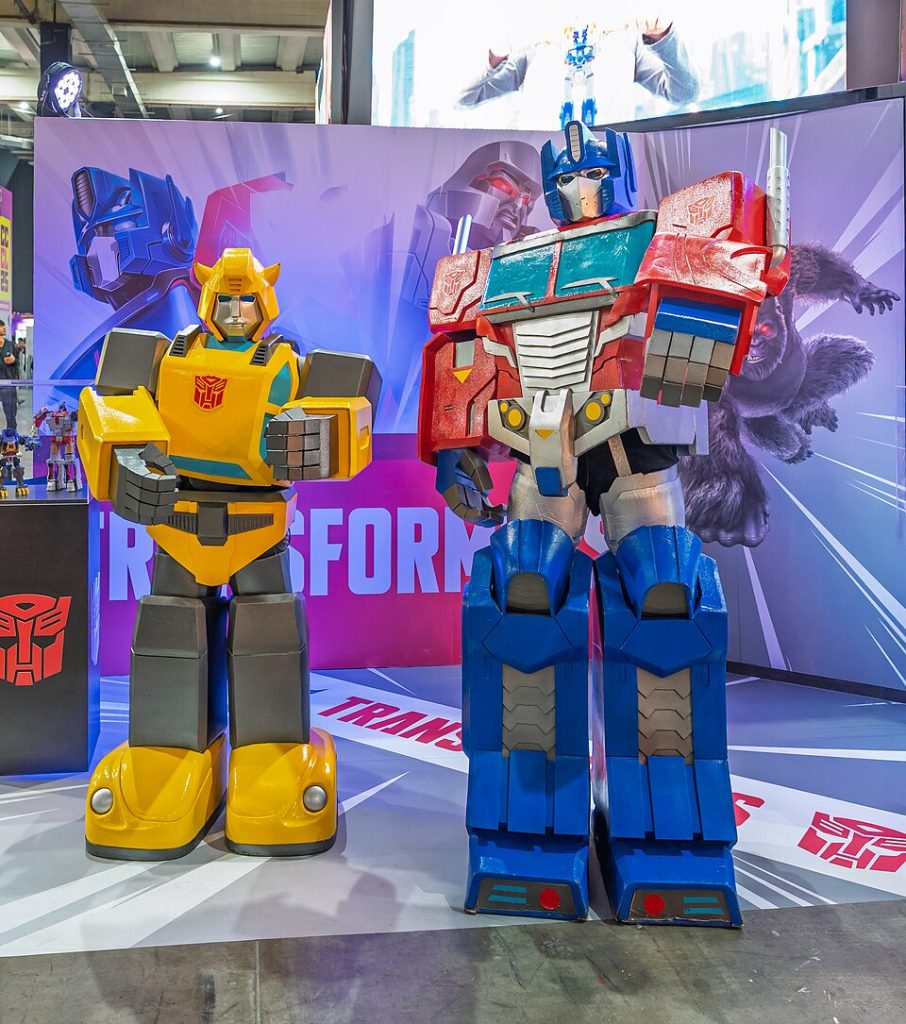
Transformers were mechanical storytelling: a toy line built around movement, parts, and the thrill of recombining an object into a character. That also made them easy to lose pieces from missiles, fists, and small accessories that now matter intensely. First-wave figures such as Optimus Prime and Megatron commonly sell from $300 to $2,000 depending on condition, while rarities like a highly graded sealed Jetfire have hit $24,800. Complete boxed examples tend to draw the strongest demand because they preserve the full experience of how the toy was originally sold and played.
7. Masters of the Universe playsets and hard-to-find figures
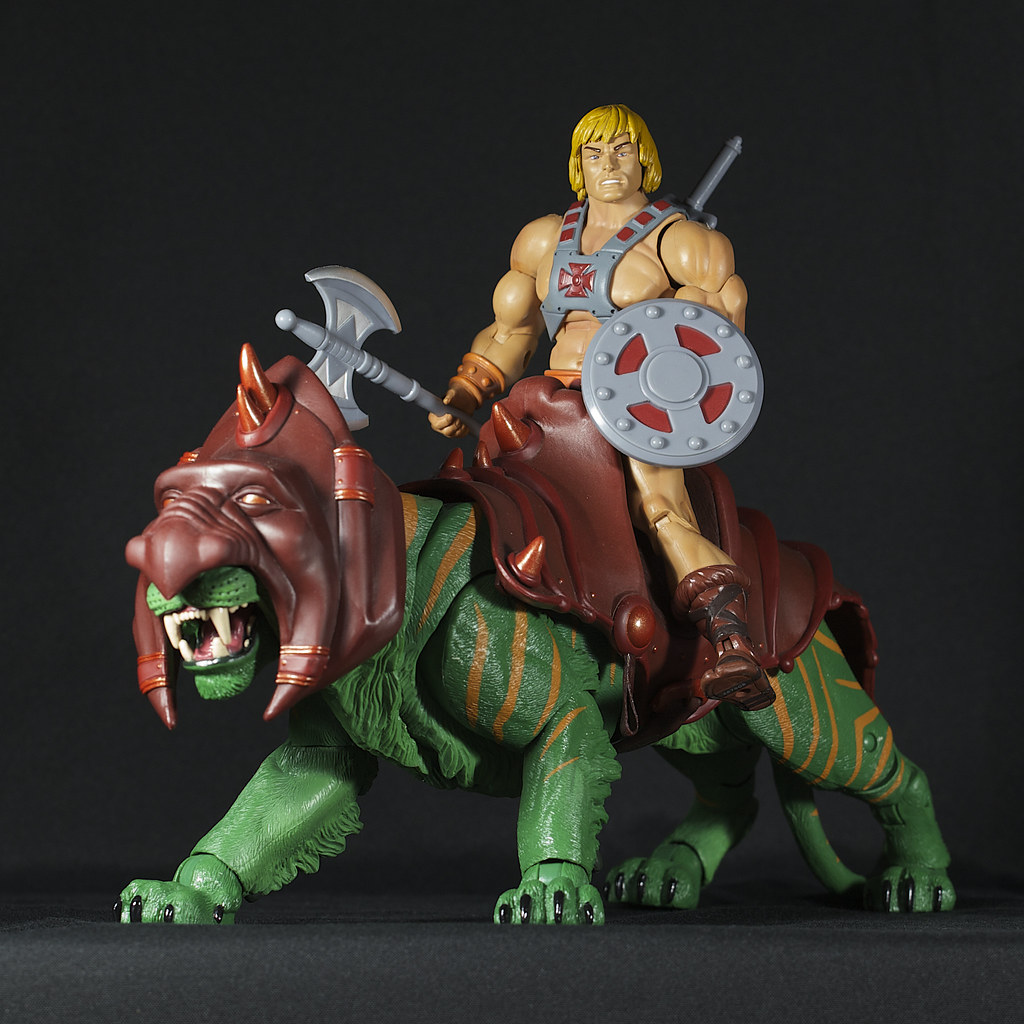
He-Man’s world was built as much from plastic architecture as from characters. Castle Grayskull, in particular, remains a centerpiece item, with unopened examples bringing $1,500 to $4,000. Smaller, scarcer character releases such as certain Savage He-Man and She-Ra variants can also rise into the hundreds or thousands when packaging, weapons, and mini-comics remain present. In this corner of the market, a missing accessory is not a small flaw; it can reset the value category.
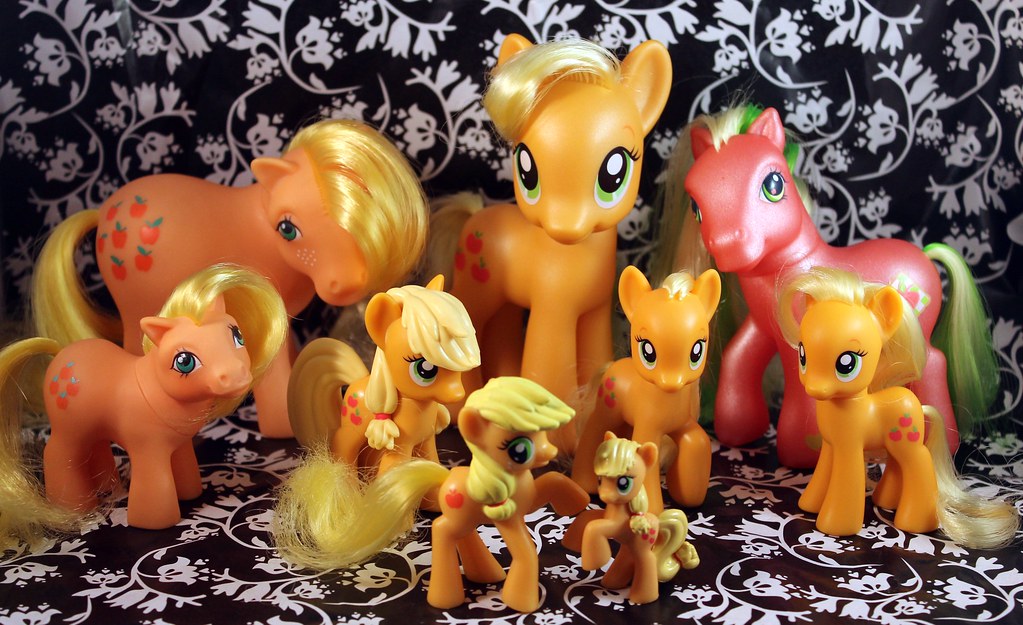
8. First-generation My Little Pony (mail-order and exclusives)
My Little Pony collecting often hinges on condition details that sound trivial until they are not: mane quality, original combs and ribbons, and the survival of easily discarded packaging. Mail-order exclusives are especially sought after. A first-generation Rapunzel is known to sell for $2,500 or more, reflecting how limited distribution can outpace simple nostalgia. Complete sets are increasingly hard to assemble because childhood play separated ponies from their accessories long ago.
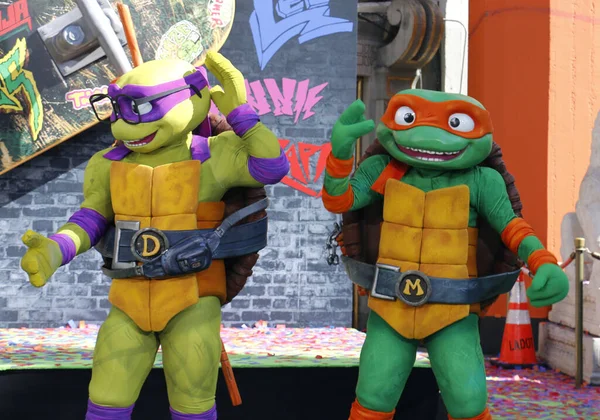
9. Early Teenage Mutant Ninja Turtles figures (mint cards, unpunched)
When the animated series took off in 1987, TMNT toys became fast-moving favorites, and many were opened immediately exactly what today’s collectors wish had not happened. Mint examples from the early years often sell for $200 to $3,000 each, with rarities and unusual accessories pushing higher. Cards that remain crispand especially those that are unpunchedcarry an extra layer of desirability because they show the figure lived its entire life as a store-ready object.
10. VHS tapes that survived sealed (especially cult titles)
Most VHS tapes remain thrift-store staples, but a narrow slice has become collectible when tapes stay factory-sealed and receive professional grading. Certain horror and sci-fi releases from the late 1970s and 1980s have sold for as much as $25,000 when authenticated and preserved in exceptional condition. The value is tied less to the format than to scarcity in untouched conditionan outcome made rarer by how routinely tapes were watched, rewound, and stored without much care.
Across categories, the pattern stays consistent: the best-performing items tend to be the ones that look least like they were ever part of childhood. Boxes, paperwork, and small accessories often matter as much as the headline object itself. For collectors sorting attics and closets, Dixey’s reminder holds steady in 2026: grading and authenticity shape outcomes, because in a nostalgia-driven market, “pristine” frequently becomes the most valuable storyline of all.


