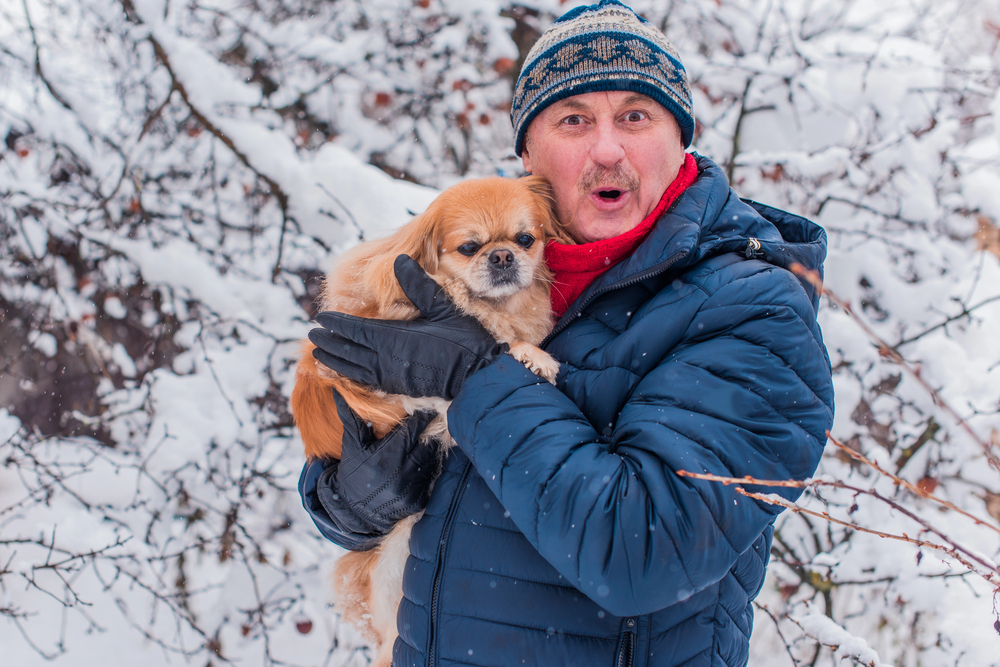
Dogs tend to pay attention to the things that a lot of us barely notice. Sure, we tend to believe the big stuff matters, like long walks & new toys, but the truth is that dogs often pay careful attention to the things that happen every day. It can be something as simple as your tone of voice or even the way you move around the house. Here are seven little habits that mean a lot more to your dog than you realize, supported by animal behavior research.
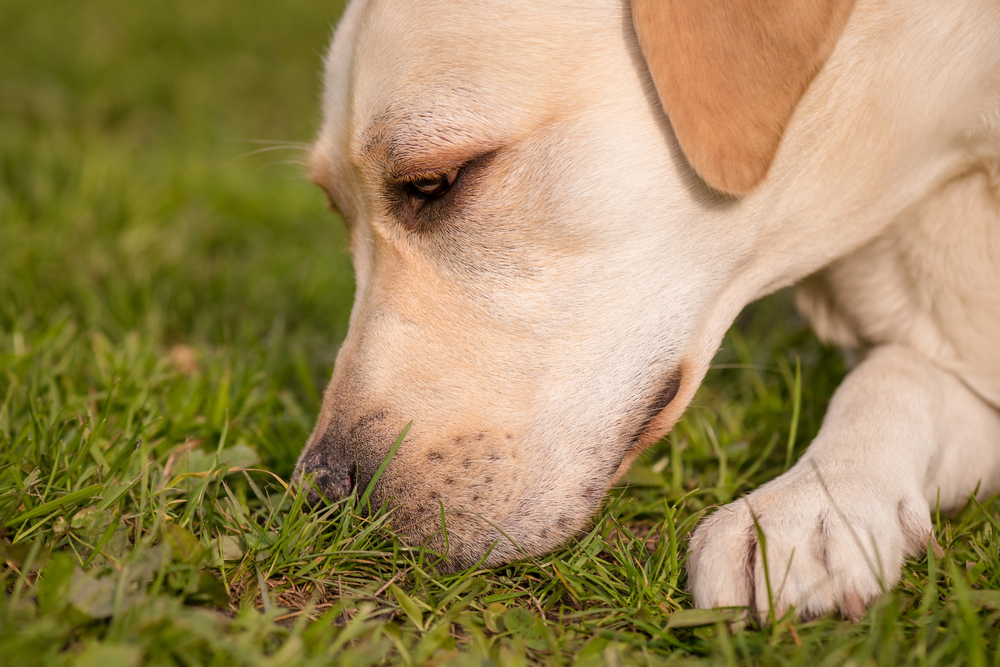
1. The extra ten seconds of sniff time
You’ve probably seen your dog investigate a seemingly normal patch of grass while you’re on a walk, and they’ll likely sit sniffing it for a few seconds. That’s a way for them to gather information. According to the American Kennel Club, dogs have over 220 million scent receptors. It’s quite a bit more than the roughly 5 to 6 million that humans have, and that’s why smell is so important for them.
As such, the short pauses during a walk give your dog a chance to read what’s happening in the neighborhood, and they can understand who passed by & which animals were there earlier. They’re even able to notice stress signals left in scent marks. Allowing your dog to sniff instead of pulling the leash forward immediately gives them a chance to process their environment in the exact way that their brains are designed to do.
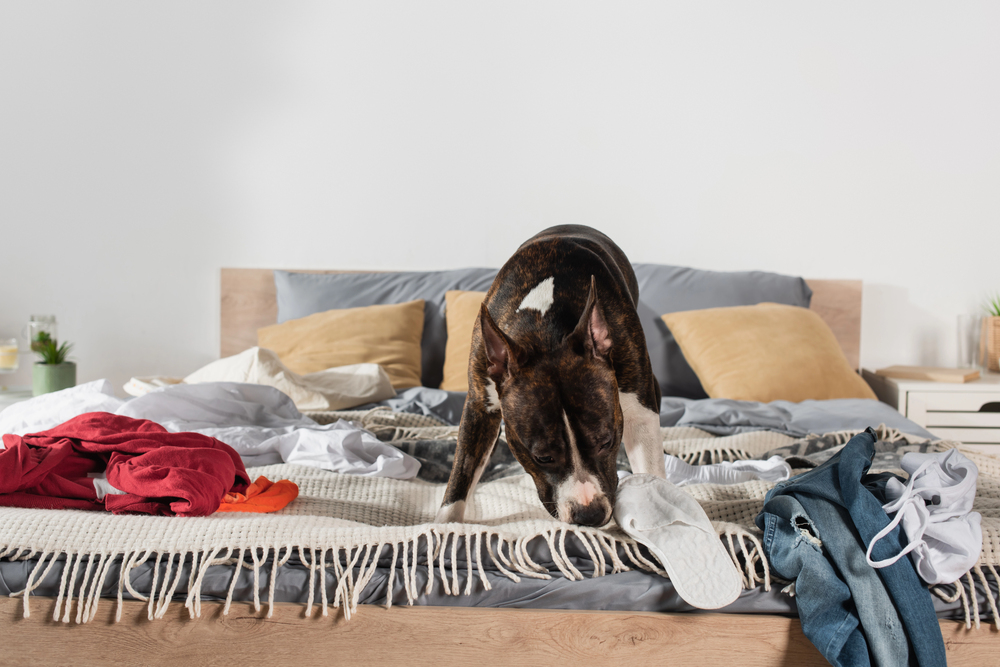
2. The worn-shirt scent left behind
Speaking of smells, dogs also rely quite a bit on scent to recognize the people they know. A study led by Dr. Gregory Berns used brain imaging to see how dogs react to different smells, and the study found that the reward centers in a dog’s brain become active when they smell the scent of their owner. They had a far more intense reaction to their owner’s smell than when they smelled unfamiliar people.
It’s due to this connection that, when you’re away, you may want to leave a piece of clothing you’ve worn recently. The smell may be enough for your dog to understand that you’re nearby in some sense, even when you’re not physically there, and it can be rather comforting for them.
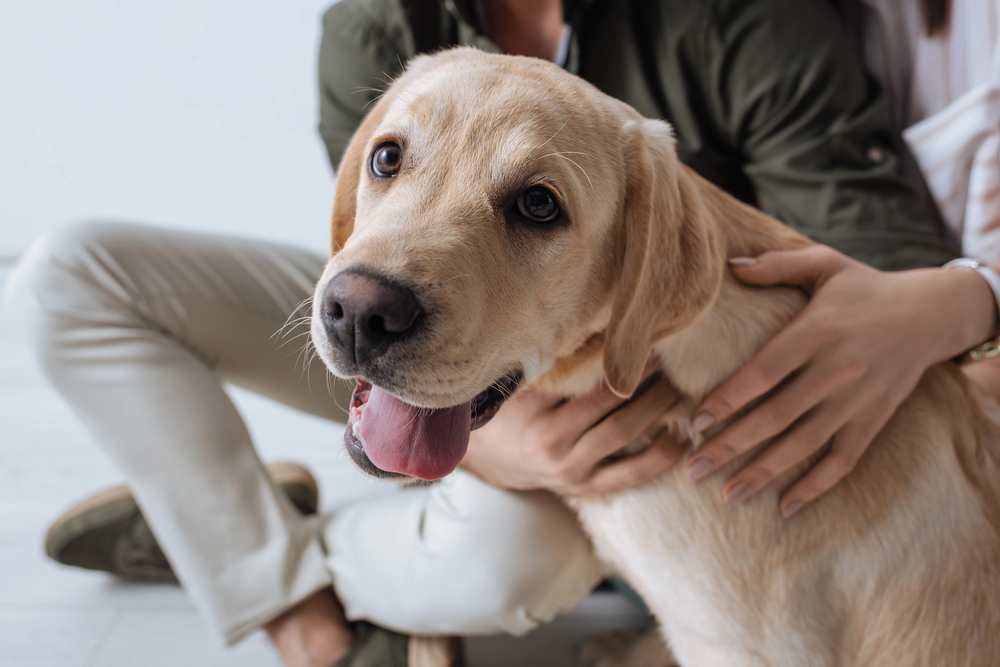
3. The five-second pet-and-pause
It’s quite common for dog owners to pet their dogs continuously without thinking anything of it. Yet you might want to try doing something simpler, which is to pet them for a few seconds & stop briefly to see what your dog does. A dog that leans in or nudges your hand is asking you to pet them again, while a dog that shifts away has had enough.
The Pet Professional Guild says that such a habit works as a simple form of consent testing that’s quite important for dogs. After all, dogs tend to communicate through their posture & movement instead of words. Pausing while petting allows your pup to respond however it wants, and it’ll probably appreciate that.
4. The sideways hello
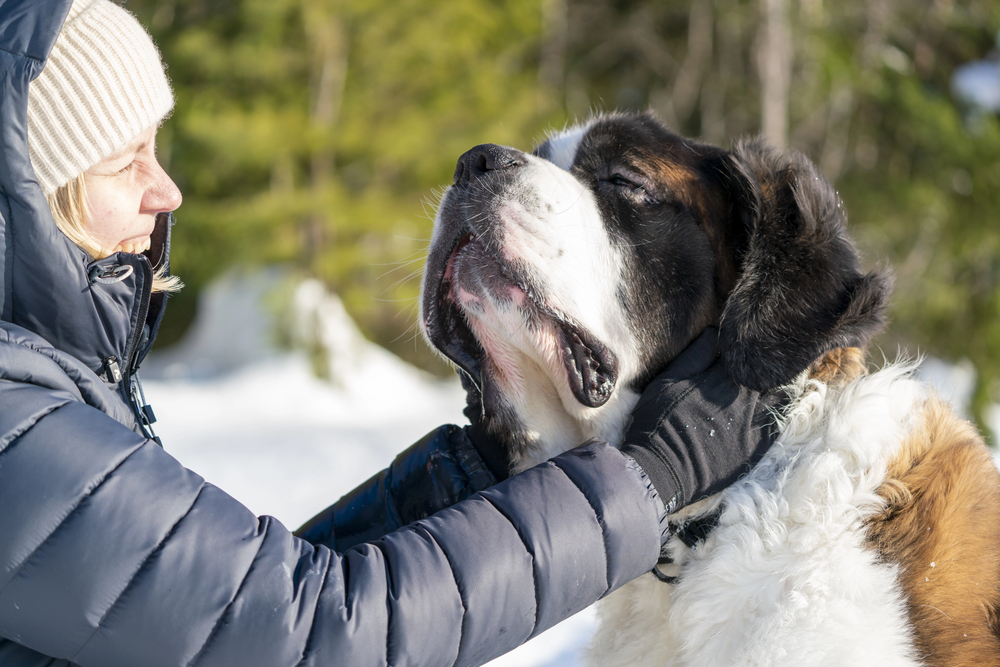
The majority of people greet dogs by facing them head-on, and then they’ll bend down to reach towards the dog’s face. However, dogs don’t always see such behavior as being friendly. Direct approaches like that can actually come across as intense for them, causing your dog to react in a way that you may not want.
This is one of the main reasons that the ASPCA recommends not leaning over a dog or making strong eye contact with them. Instead, you should try turning your body slightly sideways whenever you greet your dog because this will make the moment a little more relaxed for them. They’ll be grateful that you’ve made the greeting less confrontational.
5. The same rhythm for basics
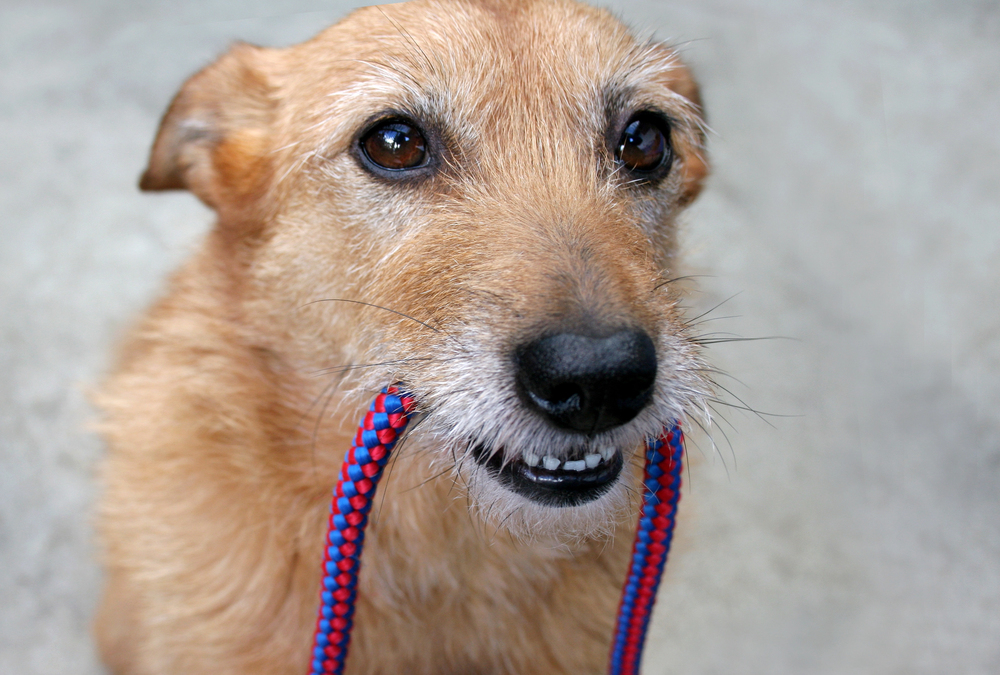
You might be surprised to know how good dogs are at understanding routines, whether that’s the time when they eat breakfast or the time you take them for a walk. They’ll also recognize when exactly you spend your evenings on the couch after work. Such an understanding of routines is important because keeping them consistent helps many dogs settle more easily.
They’re able to predict what’s going to happen next, like feeding times or rest periods, and the schedule creates a pattern that your dog can recognize. Really, the routine itself becomes reassuring for them. Any changes, no matter how small, will likely catch your dog’s attention because they’ll notice that the routine isn’t working as it normally does.
6. The single, consistent release word
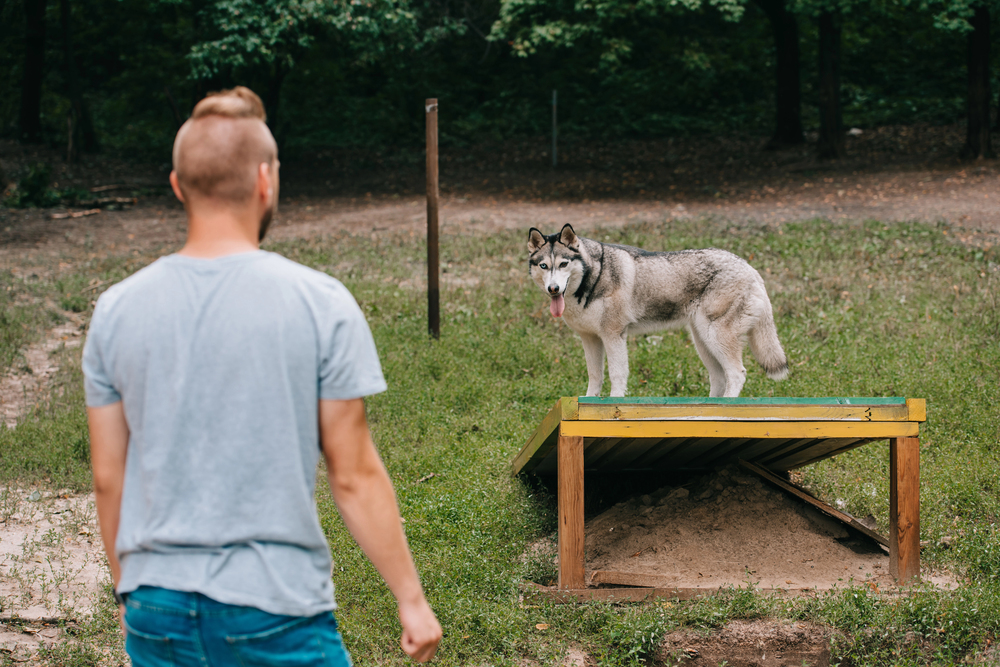
Sure, your dog might be able to recognize commands like “sit” or “stay,” perhaps even “wait,” but most owners tend to overlook the word that ends these commands. It’s something referred to as the “release cue.” According to the American Kennel Club, release cues like “okay” or “break” let a dog know that the task has ended, so they’re allowed to move again.
A dog that doesn’t get that signal has to guess when the task is finished, and that can be a little stressful for them. You should teach your dog this release word so that they know the exact moment when the exercise ends. Essentially, it works as a boundary for them.
7. The calm prep cues before handling
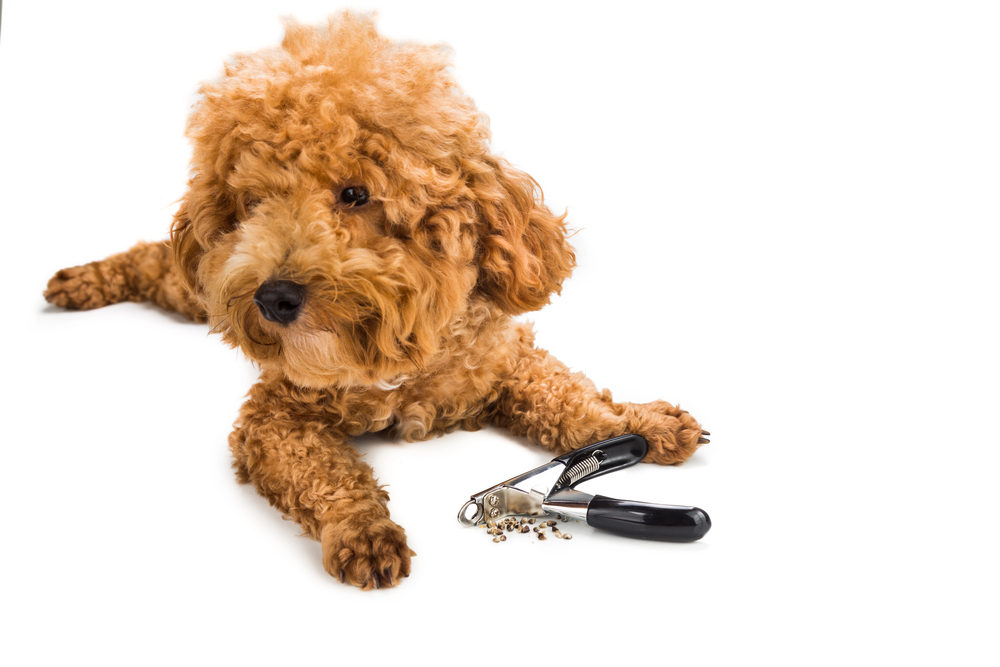
Dogs have a pretty amazing ability to notice what happens right before something else, similar to humans. For example, picking up the leash means that you’re probably going to take them for a walk, while grabbing the nail clippers means something less fun is going to happen next.
Their ability to recognize such signals can be quite important. In fact, the American Veterinary Society of Animal Behavior recommends that you give clear signals before you handle any tasks so that your dog can learn what is going to happen next. It makes the whole experience easier for them to process. They’ll understand what’s going to happen next, reducing the chances of surprise or confusion during routine care.
People talk about bonding with dogs as though it’s only the big gestures that matter, like long hikes & training sessions. But the truth is that a lot of our connection with our furry friends comes from the routine moments that we don’t tend to think about. It makes sense, though. Dogs spend so much of their lives studying patterns around them, so eventually, these tiny habits become an essential part of how they understand their home and the people in it.