
History has quite a weird relationship with Christianity. Interestingly, some of the most fascinating discoveries, like ancient documents & mysterious relics, seemed to appear out of nowhere and rewrite stories. They sounded quite convincing at first. However, historians and scientists began checking the details later to find out that these were nothing more than hoaxes that had managed to trick many people into believing them. Here are some of the most famous Christian hoaxes that fooled millions of people. Which of these would you have believed?
1. The Donation of Constantine
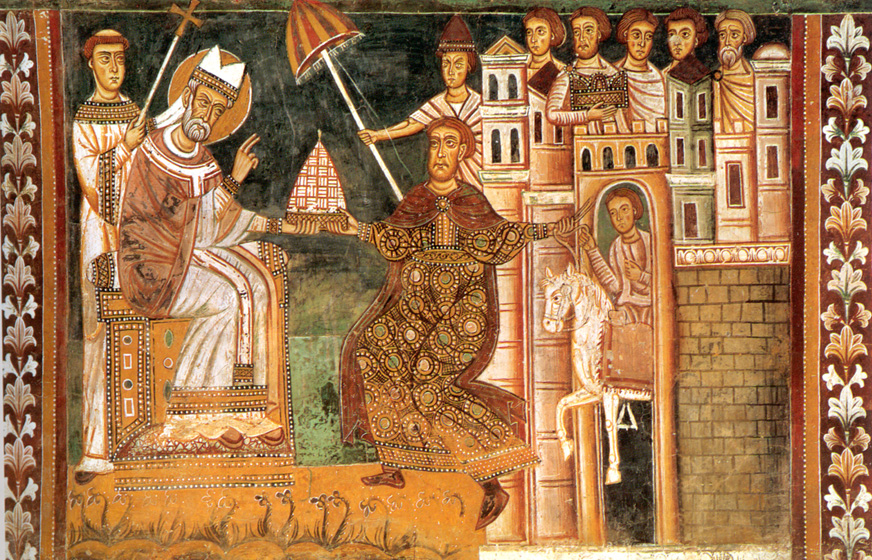
People across Europe believed that a document called the Donation of Constantine was real for hundreds of years. Apparently, they thought it was evidence that the Roman emperor Constantine had granted the pope political authority across the Western Empire. It was something that medieval church leaders used as evidence during arguments about power & territory.
But the story all changed in the 1400s. That was when the Italian scholar Lorenzo Valla took a closer look at the document’s use of Latin, realizing that it included language that simply didn’t exist during the fourth century. There was no way the document was real. As such, Valla revealed in his study De falso credita et ementita Constantini donatione that the document couldn’t have come from Constantine’s time and was therefore a fake.

2. The False Decretals
Another medieval forgery emerged during the ninth century with a large collection of church letters & rulings. These were later called the False Decretals. But at the time, people genuinely believed that early popes and church leaders had written the texts, and they took them to be a real archive of ancient church law. It didn’t take long for people to spread the documents throughout European church courts.
Later, historians like Horst Fuhrmann noticed there were a number of inconsistencies in the texts, including quotes from sources that categorically didn’t exist until centuries later. These findings proved that the material had been created far later than was originally claimed. It was a complete hoax.
3. The Taxil Hoax
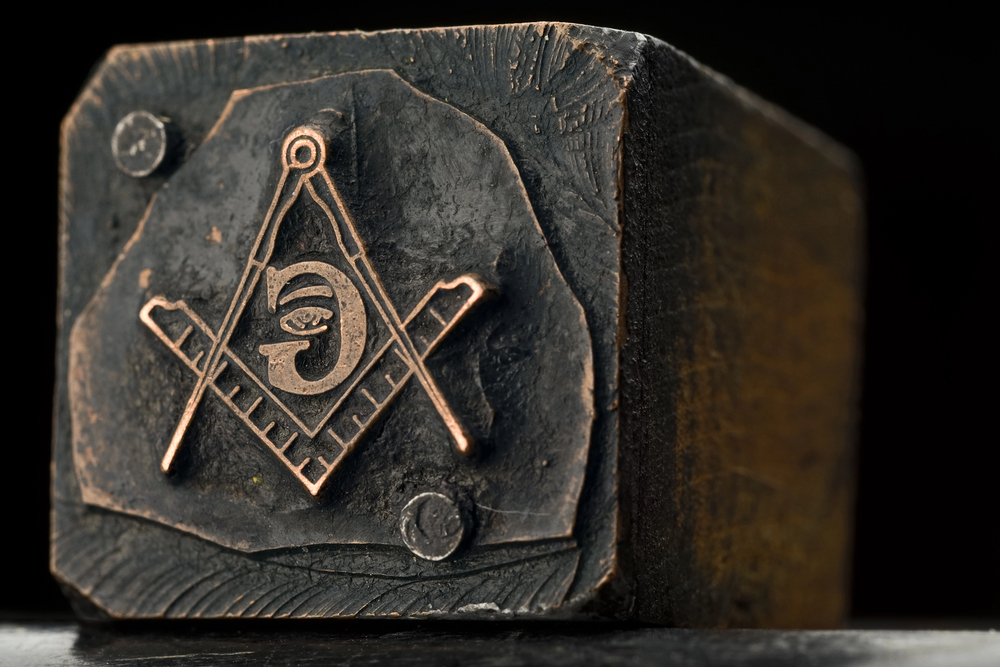
Léo Taxil was a French journalist who, during the late nineteenth century, published a collection of books and lectures that he claimed exposed Freemasonry’s secret practices. These included claims that Freemasons had spoken to demons and worshipped the Devil. The revelations supposedly came from Diana Vaughan, a Freemason insider who had converted to Catholicism.
But it was all a lie. In 1897, less than a decade after publishing the original claims, Taxil told the audience at a Paris event that he had lied about the whole thing. He said he’d only kept it going once he realized how much money he could make from hoaxes. Later historians like Massimo Introvigne referred to it as one of the most elaborate religious hoaxes of the century.
4. The Jordan Lead Codices
Headlines around the world in 2011 claimed that a collection of small metal books had been discovered in Jordan, and they were known as the Jordan Lead Codices. The Codices supposedly contained some of the earliest Christian writings that archaeologists had ever found, and they were supposed to be as important as the Dead Sea Scrolls. Then the truth came out.
Jordan’s Department of Antiquities stated that the writing & imagery were clearly made in modern times, rather than thousands of years ago. The Codices were nothing more than a modern fabrication, created to look like ancient objects. Some historians, like David Elkington, continue to claim they’re real. But the general consensus is that they’re fakes.
5. The Gospel of Jesus’s Wife Fragment
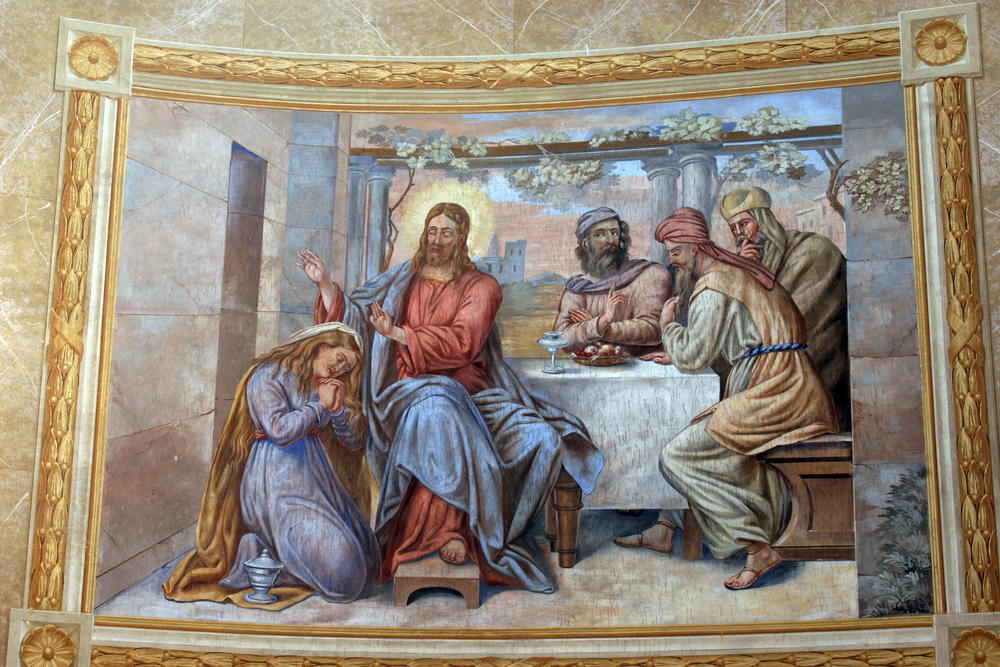
What could be more groundbreaking of a finding than a text that proves Jesus was married? Well, Harvard historian Karen L. King announced a fragment of papyrus had been found in 2012 that contained the line “Jesus said to them, ‘my wife…’” and it immediately had Christians & historians around the world interested.
Then, writer Ariel Sabar did some digging and found that the source of the fragment was a collector who had previously fabricated documents about its history. King also investigated the text, discovering that there were numerous grammatical problems that meant it was unlikely to be real. Instead, it was likely a modern forgery.
6. The Museum of the Bible Dead Sea Scroll Fragments
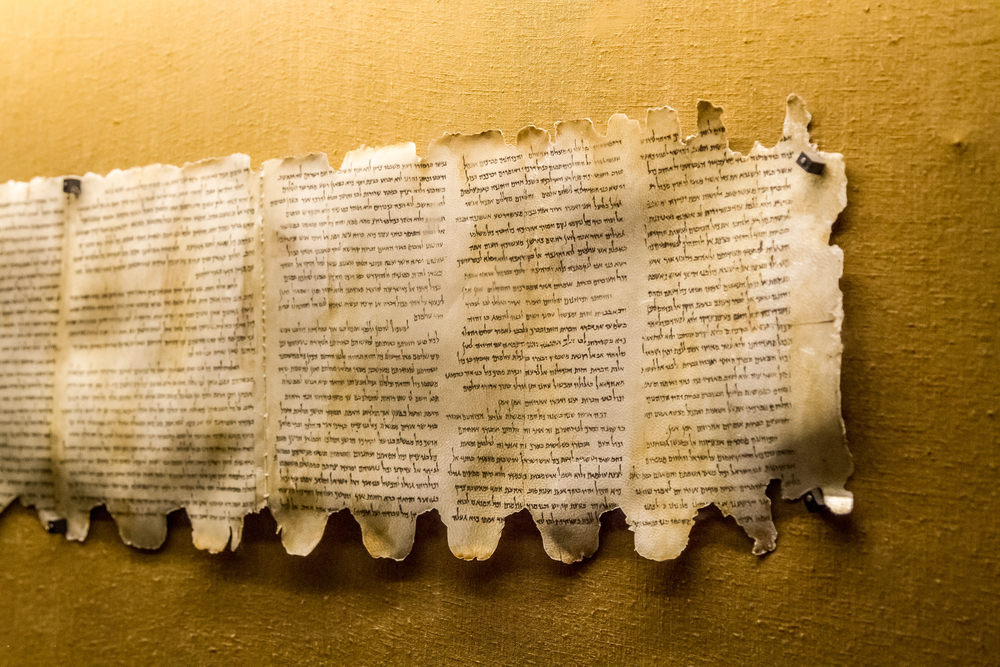
The Dead Sea Scrolls are some of the most important documents for understanding the context behind Christianity’s origins. That’s why, in the 2000s, the Museum of the Bible in Washington, D.C. purchased several fragments that were supposedly from these Scrolls. Real fragments from the Scrolls are extremely rare. As a result, many collectors were willing to pay good money for any pieces that appeared in the antiquities market.
They probably shouldn’t have bothered. In 2020, researchers at the museum conducted many scientific tests on the fragments, including material testing & high-resolution imaging, only to find that they were very likely modern forgeries. Whoever made them had written the forgeries on old leather to make them more convincing.
7. The Salamander Letter
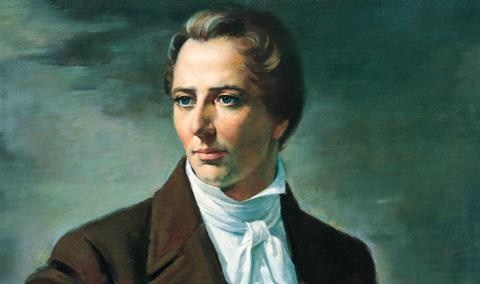
Mark Hofmann began selling historical papers during the early 1980s that he claimed were connected to early Mormon history. One of the most important documents in his collection was called the Salamander Letter. Why was it so important? Because it told a version of Mormon founder Joseph Smith’s life that would’ve proved the supposedly magical aspects of it, and it was a document that historians originally thought was a genuine early source.
However, writers like Jerald Tanner questioned its authenticity, and investigations revealed that the letter was a complete fake. Hofmann had created it himself by copying nineteenth-century ink & paper writing methods, and he later murdered those questioning him.
Yes, the deception behind these stories is interesting, but so is the fact that nearly every case started with something that seemed convincing. It was only when someone checked the details more closely that the truth came out. Perhaps we should take this as a lesson that, even now, we can’t trust everything we read.