
For shoppers, patients and diners, a closing sign is rarely just a retail story. It often means a longer drive for prescriptions, fewer low-cost options nearby, or the disappearance of a routine stop that had become part of daily life.
The latest wave of shutdowns shows a widening split in American retail. Large operators with deep logistics, stronger balance sheets and mature digital systems continue to adapt, while weaker chains are cutting back, restructuring or disappearing altogether.
1. Joann is exiting the fabric aisle entirely
Joann’s retreat stands out because it is total. The crafts chain is closing all 790 U.S. stores after a second Chapter 11 filing in less than a year, ending a national presence that dated back to 1945.
Its decline reflects more than a soft patch in demand. Debt from an earlier leveraged buyout, complaints about understaffing, thin inventory and stronger competition all chipped away at the business. The pandemic briefly revived interest in sewing and home crafting, but that lift faded, and the company could not rebuild a stable footing.
2. Party City could not recover from years of pressure
Party City is closing roughly 700 stores, capping a long slide for a chain that once owned a highly specific niche. Balloons, themed supplies and seasonal party goods gave it a clear identity, but that focus also left it exposed when supply disruptions and shifting shopping habits hit.
A nationwide helium shortage weakened a profitable part of the business before pandemic-era event cancellations made conditions worse. Heavy debt remained after bankruptcy, while discount giants and online marketplaces pulled away shoppers looking for convenience and lower prices.
3. Starbucks is trimming stores as part of a broader reset
Unlike liquidation cases, Starbucks is using closures as a corporate overhaul. The coffee chain said $1 billion restructuring plan will include 627 store closures tied to performance and customer-experience goals.
The move signals a different kind of contraction. Rather than abandoning the market, the company is redirecting money toward remodeling, labor and operational changes under its “Back to Starbucks” effort. In practical terms, that means fewer weak locations and more attention on stores the company believes can carry the brand forward.
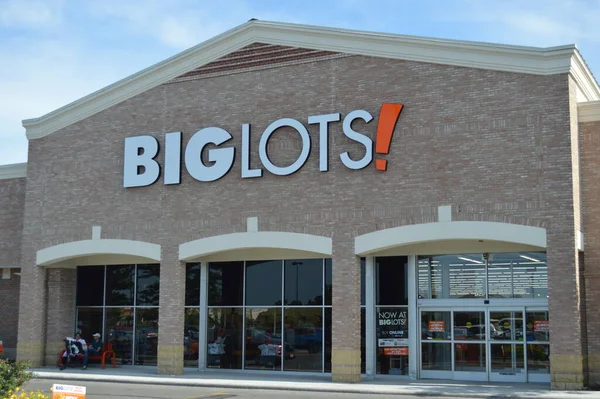
4. Big Lots shows how hard discount retail has become
Big Lots avoided a full collapse, but at least 480 locations are being sold off or shut down. Some stores are continuing under new ownership, while many others are disappearing from the chain’s map.
This is the kind of squeeze that has reshaped value retail. Low prices alone are no longer enough when shoppers also expect reliable stock, sharper promotions and smoother online-offline shopping. Chains without strong inventory systems and pricing tools have been losing ground to larger competitors that can do both scale and convenience.
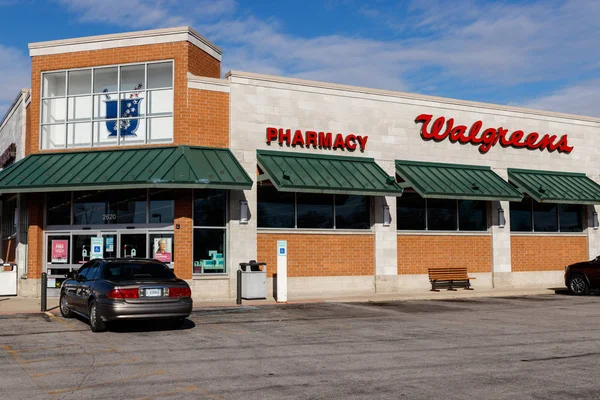
5. Walgreens is cutting back in a sector under strain
Walgreens plans to close 450 stores by the end of 2025, part of a longer effort to reduce weaker locations and shift resources. Pharmacy retail has been under pressure from thinner margins, changing prescription habits and more digital health options.
The broader pharmacy landscape helps explain why these closures matter beyond shopping. CVS has said that 85 percent of people in the U.S. still live within 10 miles of a CVS Pharmacy after its own network realignment, but store loss can still be disruptive, especially for older adults and people with limited transportation. In many neighborhoods, a pharmacy is both a retail stop and a point of healthcare access.
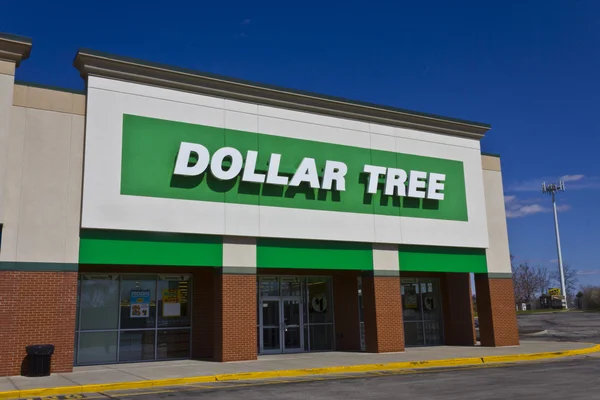
6. Family Dollar is still pulling back store by store
Dollar Tree’s decision to phase out 370 Family Dollar stores shows how even discount chains are becoming more selective about location quality. The company is favoring its core Dollar Tree banner while allowing weaker Family Dollar leases to expire.
Location-level data tied to the closures points to recurring reasons such as lease expiration, underperformance and store redundancy. That pattern suggests the company is not simply reducing scale. It is trying to remove stores that no longer fit its economics or overlap too heavily with nearby locations.
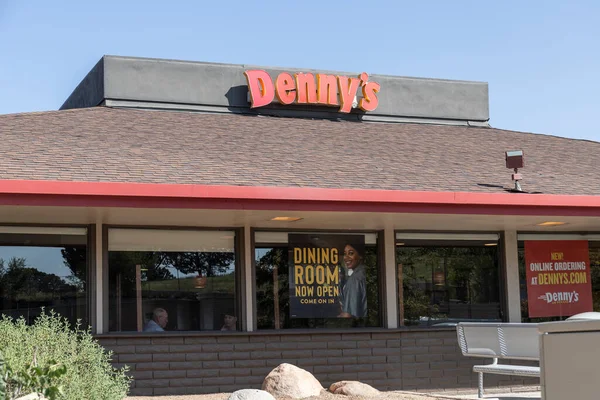
7. Denny’s is using closures to reshape its dining footprint
Denny’s plans to close 150 restaurants as it updates the brand and concentrates on stronger units. Casual dining chains have faced years of pressure from labor costs, delivery habits and consumers who increasingly divide spending between quick service and fewer sit-down meals.
For legacy restaurant brands, the challenge is not just attracting traffic. It is making older locations feel current enough to compete with newer fast-casual spaces and mobile-first ordering habits. Denny’s strategy reflects that shift.
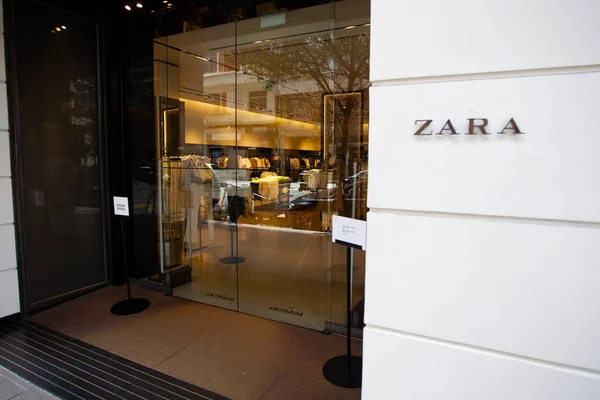
8. Inditex is shrinking some fashion banners while refining others
Inditex reported 132 fewer stores globally, including reductions at Zara and several sister brands. The company’s approach is less about retreat than concentration, with more emphasis on flagship stores and tighter integration between digital shopping and physical locations.
That pattern has become common in apparel. Instead of maintaining a dense store network, fashion groups are prioritizing stores that work as brand showcases, pickup points and return hubs all at once.

9. Carter’s is responding to how parents shop now
Carter’s plans to close about 100 stores across 2025 and 2026 while simplifying its footprint. Children’s apparel has become more dependent on online orders, wholesale channels and big-box partnerships, reducing the need for as many standalone stores.
The company is also trimming office staff, underscoring that this is not a minor cleanup. It is a broader operating reset built around a leaner network and a different mix of sales channels.
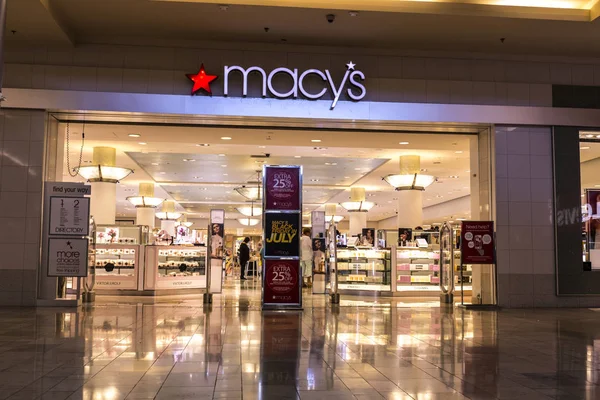
10. Macy’s is continuing the long retreat from the classic department store model
Macy’s has identified 66 store closures as part of a plan to close 150 locations by 2026. The department store format has been under steady pressure for years as shoppers migrate to off-price retail, specialty chains and digital marketplaces.
Mall-based anchors once depended on broad assortment and habitual foot traffic. That formula has weakened as consumers browse more selectively and expect a faster, more convenient path from search to purchase. Macy’s is putting more energy into smaller formats and digital integration, but the store closures show how far the old model has already receded.
Taken together, these closures point to a retail and restaurant economy that is not shrinking evenly. The strongest chains are becoming more selective, while weaker ones are losing the scale that once kept them visible in nearly every town and shopping center.
For consumers, the result is increasingly local. One community loses a craft store, another a pharmacy, another a late-night diner. The national numbers are large, but the real impact is felt block by block.


