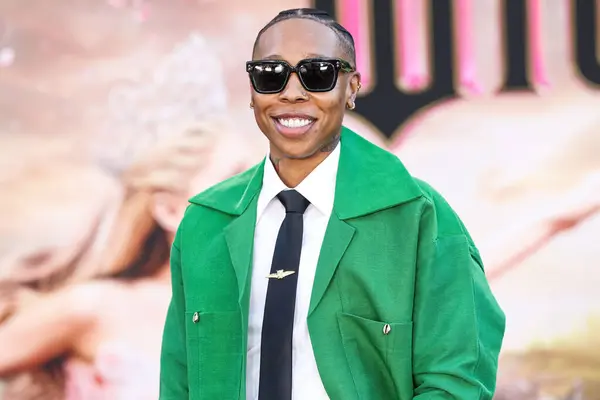
Hollywood’s most durable transformations rarely begin on the red carpet. They start in writers’ rooms, on editing timelines, in directing choices, and in the stubborn insistence that Black queer life deserves breadth, texture, and authorship.
That shift is visible in a generation of Black LGBTQ+ creatives whose work has widened the frame. Some built landmarks in independent film. Others changed television from within. Together, they have helped move representation beyond token presence and toward something fuller: control over tone, narrative, and who gets to be seen as complicated, funny, vulnerable, or powerful.
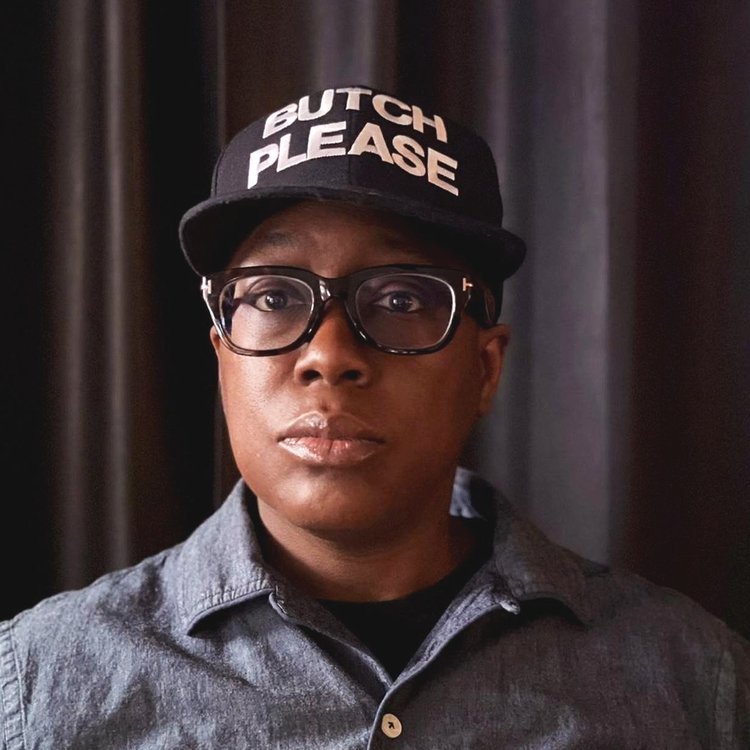
1. Cheryl Dunye
Cheryl Dunye remains a foundational figure in modern queer cinema. She is widely recognized as the first out Black lesbian to direct a feature film, a distinction tied to 1996’s The Watermelon Woman. That film did more than announce a singular voice; it challenged how Black women were archived, misnamed, and erased in film history. Her career has also stretched into television, where she has directed episodes for contemporary genre series, proving that her influence is not frozen in indie-film nostalgia.
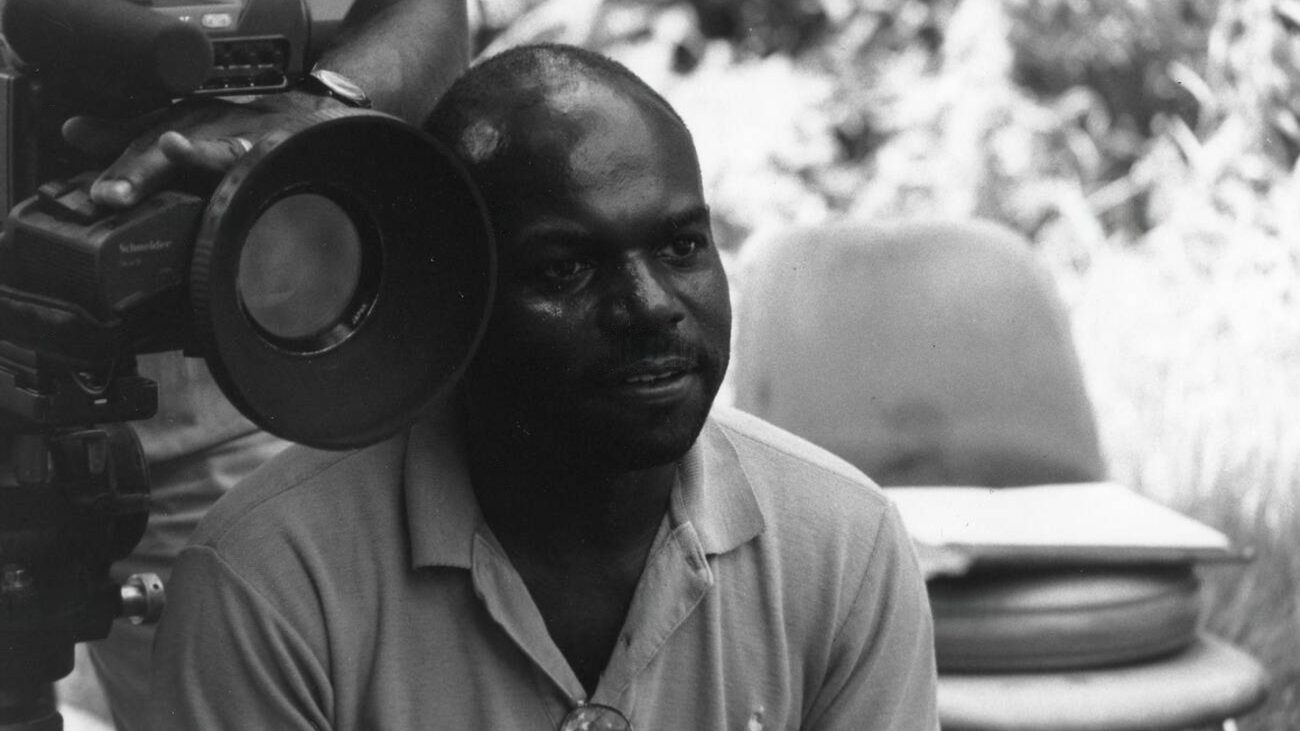
2. Marlon Riggs
Marlon Riggs built a body of work that still shapes conversations about Black identity, queerness, and visual essay filmmaking. His films, including Ethnic Notions and Black Is… Black Ain’t, merged criticism, poetry, and personal inquiry with unusual force. He also founded Signifyin’ Works, a nonprofit dedicated to films about Black history and culture. Riggs’ career lasted only 13 years, but its impact has echoed far beyond that compressed timeline.
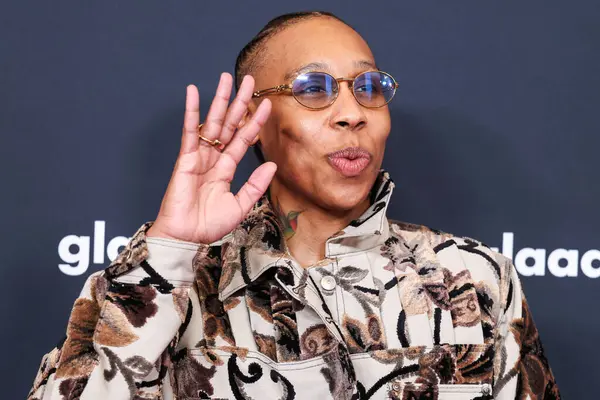
3. Lena Waithe
Lena Waithe’s influence sits at the intersection of writing, producing, and talent development. Her rise helped normalize Black queer authorship in mainstream television spaces that had long treated it as niche. Rather than existing as a single-category creative, Waithe has built a career around creating opportunities, assembling teams, and backing projects that expand what Black stories can look like onscreen and behind the camera.
4. Patrik-Ian Polk
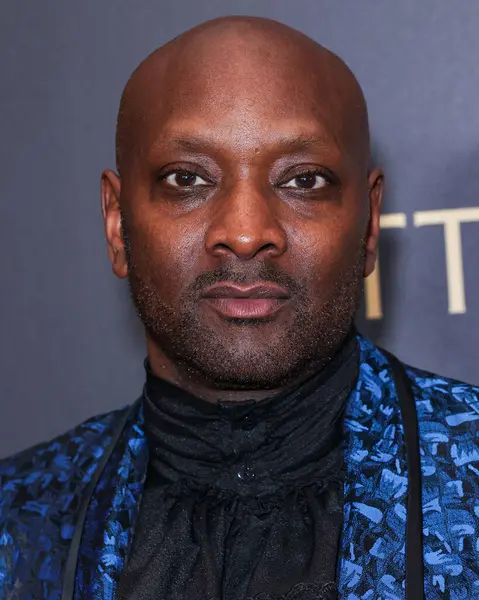
Long before streaming platforms began speaking fluently about inclusion, Patrik-Ian Polk was already making work centered on Black queer lives. Titles like Noah’s Arc and The Skinny, cited in discussions of Black queer screen history, helped establish a language for stories that were stylish, romantic, specific, and unmistakably community-rooted. Polk’s legacy lies not only in what he made, but in how clearly he demonstrated that there was an audience waiting for these narratives.
5. Bobby Ashley
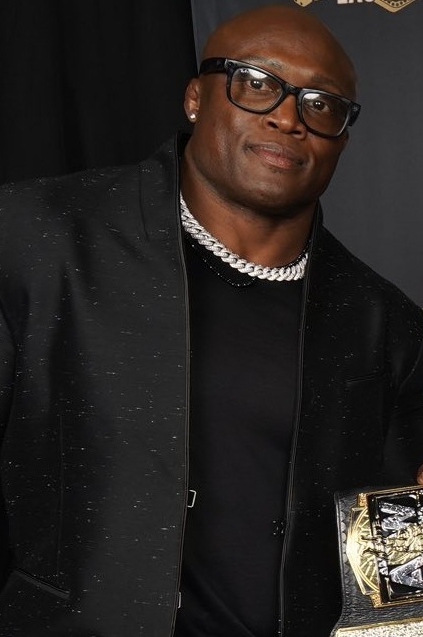
Bobby Ashley represents the hustle and inventiveness that have defined many Black queer indie careers. According to The Black Wall Street Times, Ashley started making films as a teenager and later created The Ave, which reportedly drew over 5 million streams on Amazon Prime Video in its first quarter. His queer-centered project Single Man Problems grew from web series roots into a feature path, illustrating how Black queer creators have often had to build momentum outside traditional studio structures. Ashley also described the resourcefulness behind that work plainly: “We shot in my neighborhood, we shot in my mom’s house, and used all of our resources in the summertime of New York City.”
6. Stephen Winter
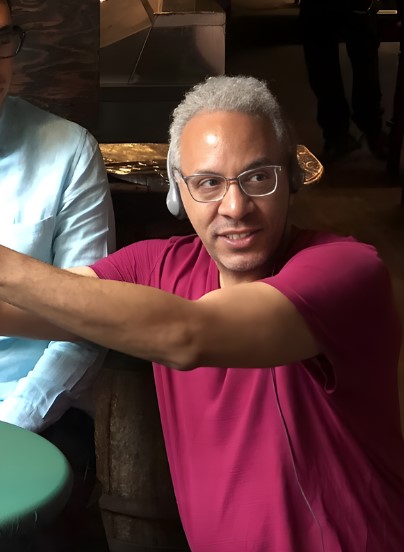
Stephen Winter’s career speaks to both artistic endurance and structural inequity. His 1996 film Chocolate Babies won at SXSW, yet his experience also exposed a stubborn industry pattern: acclaim did not automatically produce funding or distribution. His observation, quoted in a broader discussion of Black queer indie filmmaking, still lands with force: “Well, queer film back then, for the most part, meant white film.” Few lines capture the historical imbalance more directly.
7. Dee Rees
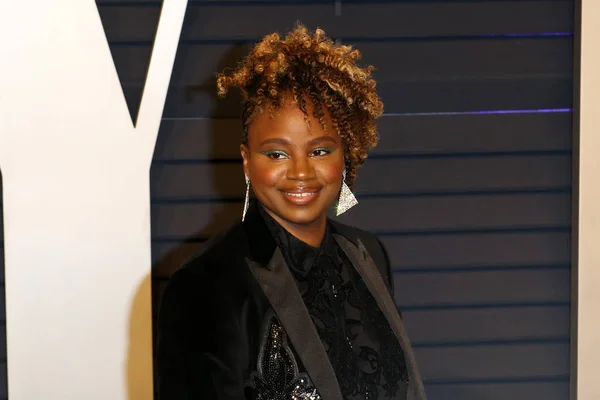
Dee Rees brought a literary seriousness and emotional exactness to film and television that made executives pay attention to stories they might once have overlooked. Her work has shown that Black queer filmmakers are not confined to one tone or scale; they can move between intimate family drama, historical narrative, and prestige storytelling without flattening any of them. Rees helped broaden the sense of who gets to author emotionally ambitious cinema.
8. Janet Mock
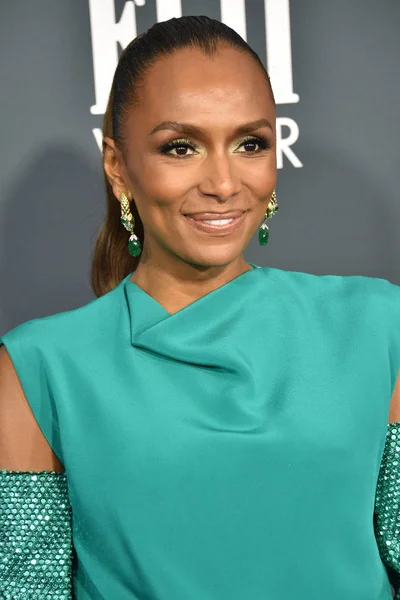
Janet Mock has worked across writing, producing, directing, and cultural advocacy, making her one of the clearest examples of behind-the-scenes authorship with public consequence. Her role in shaping television storytelling around trans and queer characters helped shift standards for nuance and interiority. The significance of that work becomes clearer against the backdrop described in Them’s reflection on Black queer TV characters, which argues that representation matters most when characters are allowed to be “joyful and as flawed and as complete as their white counterparts.” Mock’s work has consistently pushed in that direction.
9. Terence Nance
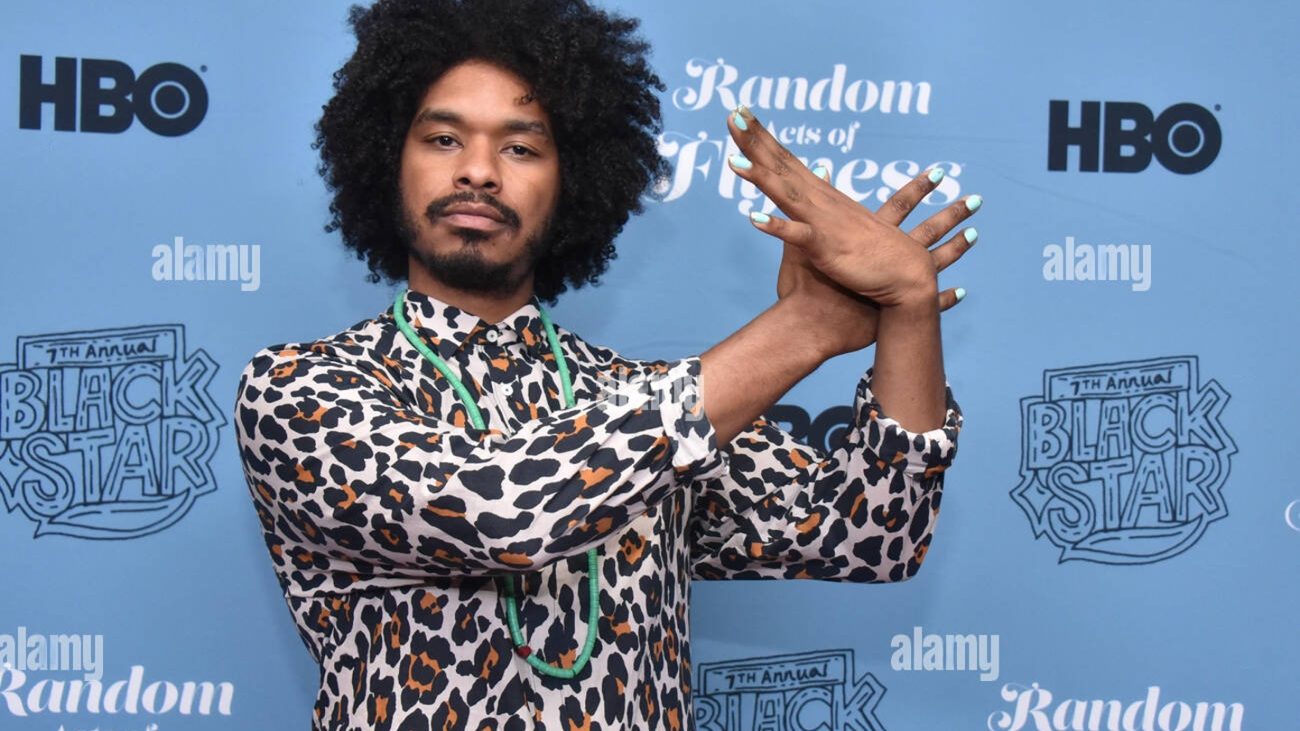
Terence Nance approaches film and television with a visual language that resists easy categorization. Experimental without becoming inaccessible, his work has helped expand what Black storytelling can feel like on screen. For Hollywood, that matters. Innovation behind the scenes does not only come from who is hired; it also comes from who changes the grammar of the medium itself.
10. Elegance Bratton
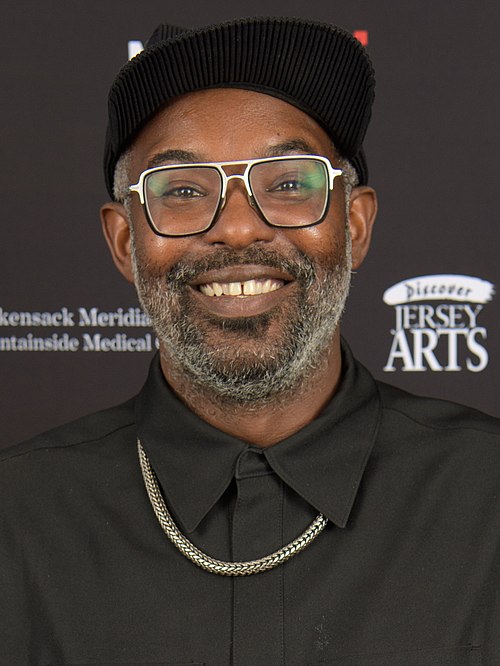
Elegance Bratton has brought an intensely personal sensibility to filmmaking, translating lived experience into stories with institutional weight. His emergence has also highlighted how Black queer filmmakers can move between documentary, autobiographical material, and broader dramatic structures while keeping a clear authorial stamp. That ability has become increasingly valuable in an industry hungry for authenticity but often unsure how to recognize it until after the fact.
11. Tourmaline
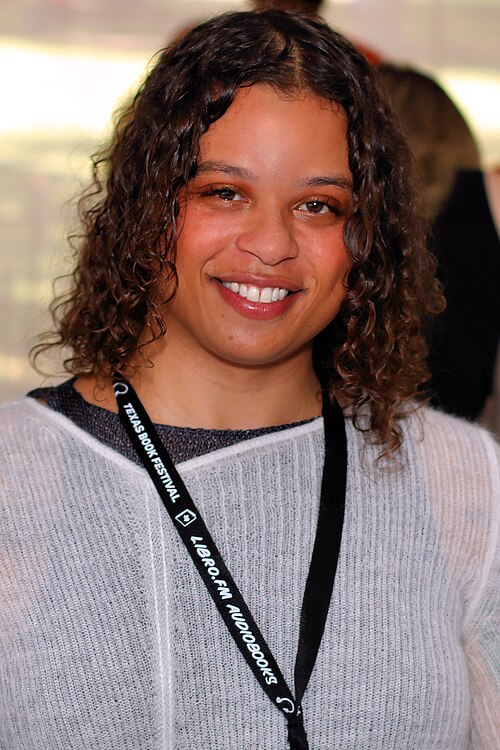
Tourmaline’s filmmaking and artistic practice have deepened Hollywood’s understanding of trans history, memory, and beauty. Her work does not merely place Black trans lives in view; it reorients the frame around them. In a media culture that has too often treated Black queer and trans people as supporting texture, that reframing is a creative intervention in itself.
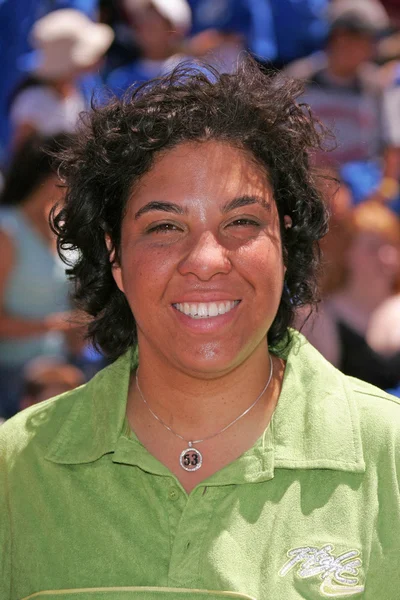
12. Angela Robinson
Angela Robinson has quietly become one of the most versatile behind-the-scenes talents in the business, directing across television and film while maintaining a sharp eye for character and genre. Her career underscores a truth often missed in conversations about representation: reshaping Hollywood is not only about breakthrough moments. It is also about sustained craftsmanship, repeat hiring, and the ability to influence tone across multiple projects over time.
What connects these creatives is not a single style, platform, or generation. It is authorship. Each has contributed to a Hollywood that feels less dependent on symbolic inclusion and more attentive to who is actually making the work. That distinction matters. When Black LGBTQ+ creatives shape stories from behind the scenes, representation stops being decoration and starts becoming structure.