
Paper towels rarely get much scrutiny. They sit in kitchens, touch hands, countertops, and food, and are usually treated as one of the safer products in the home.

That routine use is exactly why ingredient and manufacturing concerns matter. Consumer alerts and product removals tied to paper goods have centered on a small set of chemical issues: PFAS, residues from recycled content, brightening agents, formaldehyde related sensitivity, and contamination introduced during packaging or production. The patterns below show what has put some paper towels under closer watch and what labels tend to deserve a second look.
1. PFAS used for wet strength and grease resistance
PFAS, often called “forever chemicals,” have drawn some of the biggest concerns around paper products. These compounds are used to improve resistance to water and grease, which can also make them attractive for paper items used in kitchens. The problem is that PFAS persist in the human body and environment, and repeated contact can matter when a product is used every day.
Independent screening of related paper goods has reinforced why the category is watched so closely. In one consumer study, 24% of tested toilet paper products showed indications of PFAS, using organic fluorine as a marker. That does not mean every paper towel contains PFAS, but it shows why “PFAS-free” language has become more important on household paper labels.

2. Formaldehyde concerns, especially for sensitive skin
Formaldehyde in paper products is often misunderstood. It may be present because of wet-strength chemistry, and small amounts can also be associated with pulp-based materials. For most users, trace exposure from paper towels is not treated as a major everyday hazard, but people with significant chemical sensitivity or skin reactivity may notice irritation more quickly.
A building biology review published in late 2024 noted that some paper products can release small amounts of formaldehyde and that direct skin contact may be relevant for highly sensitive individuals. That helps explain why formaldehyde-free claims and simpler fiber sources have become a selling point in lower-additive paper goods, even when broad recalls are not involved.
3. Recycled fibers that carry over unwanted chemicals
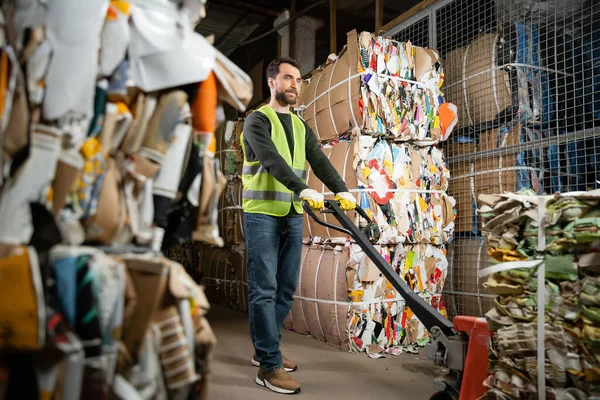
Recycled paper sounds like the safer environmental choice, but the chemistry can get complicated. Receipts, printed papers, labels, and mixed waste streams can introduce bisphenols, inks, pigments, and other residues into the recycling process. That has made some recycled paper towels more vulnerable to trace contamination findings.
One recurring concern is the presence of BPA or BPS from thermal paper. According to reporting on paper-product chemistry, recycled paper is known to contain small amounts of BPA and BPS. Other reviews have also flagged recycled fibers as a possible source of PFAS and additional processing chemicals. Recycled content is not automatically unsafe, but it does place more pressure on supplier screening and purification standards.

4. Heavy metals and ink-related residue
Colored inks and mixed recovered paper can leave behind more than visible dye. Trace heavy metals have been a concern in some recycled paper products, particularly when the source stream includes printed material that was never intended for repeated skin or food contact use.
This issue becomes more relevant when the towel is damp or used with acidic foods, because moisture can increase transfer from paper to surfaces. That is one reason plain, unprinted towels tend to face fewer questions than decorative or heavily processed versions.
5. Optical brighteners that make paper look cleaner than it is
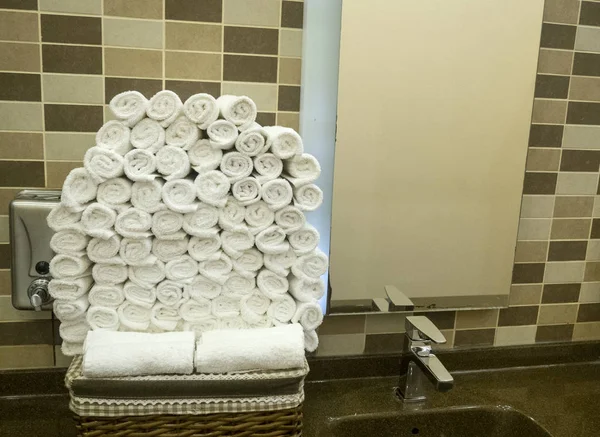
Some paper towels have been criticized for using optical brighteners, chemicals added to make paper appear whiter and fresher. The visual effect is simple, but the ingredient choice has raised concerns when those products are marketed for kitchen cleanup or frequent hand contact.
These additives do not improve the basic job of absorbing spills. They are largely cosmetic, which is why their presence can stand out to ingredient-conscious shoppers. Whiter does not necessarily mean cleaner or lower in additives.
6. Manufacturing residue from adhesives, packaging, or poor process control
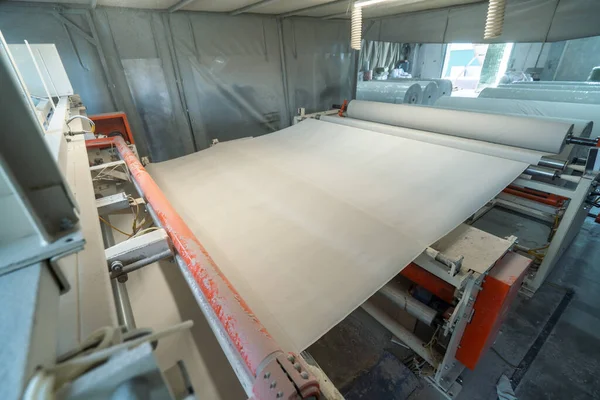
Not every paper towel concern starts with the fiber itself. Some problems have come from inks on packaging, adhesives used in embossing or wrapping, antimicrobial treatments, or chemical residue left behind during production. Imported discount products and certain specialty lines have faced added scrutiny for that reason.
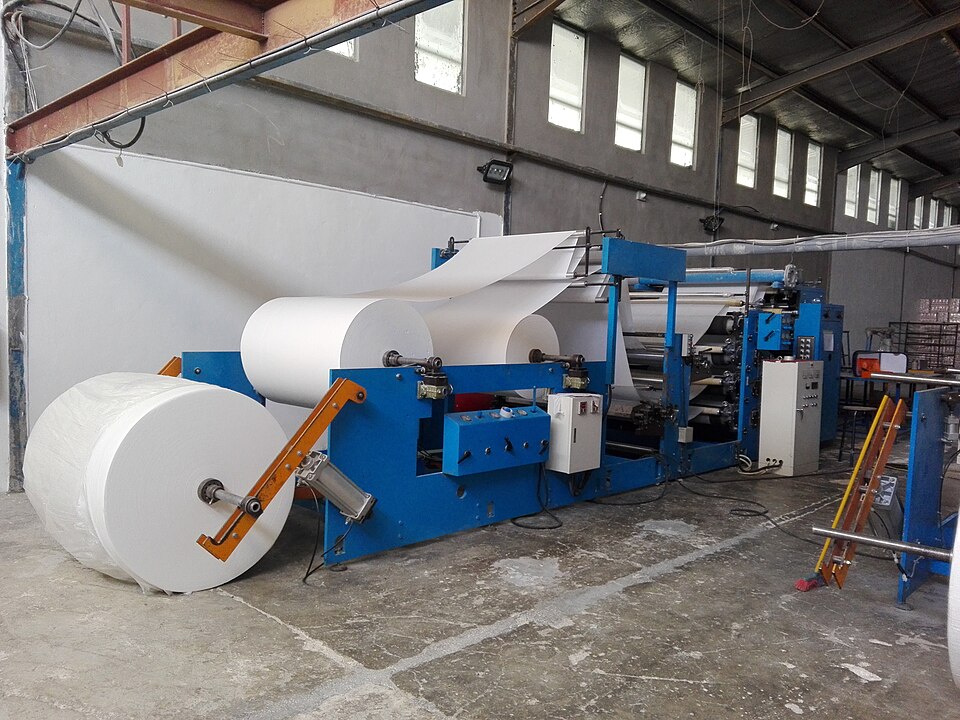
Paper towels are highly absorbent by design, so even low level residue can become a concern when the product is used on counters, dishes, or hands. Reviews of paper-towel chemistry have also pointed to chlorine-based bleaching, fragrance, antimicrobial compounds, and quaternary ammonium chemicals as ingredients worth checking when labels provide that detail.
The broad lesson is straightforward: paper towels are not all built the same. The products that have faced the most concern tend to share a few traits extra wet strength treatments, recycled inputs with weak screening, decorative printing, brightening agents, and limited transparency about processing.
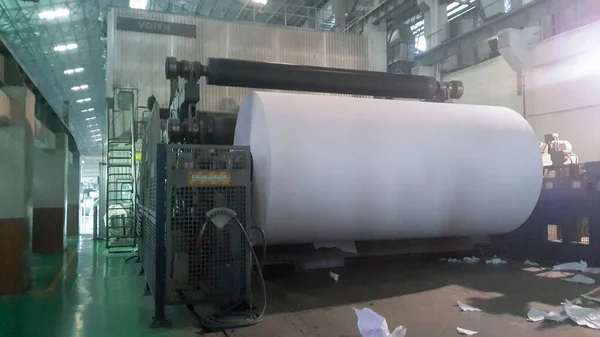
For households trying to reduce exposure, the most useful label cues are often the simplest ones: unbleached, fragrance-free, PFAS-free, and minimal printing or added treatments. In a product used around food and skin every day, fewer extras usually mean fewer questions.