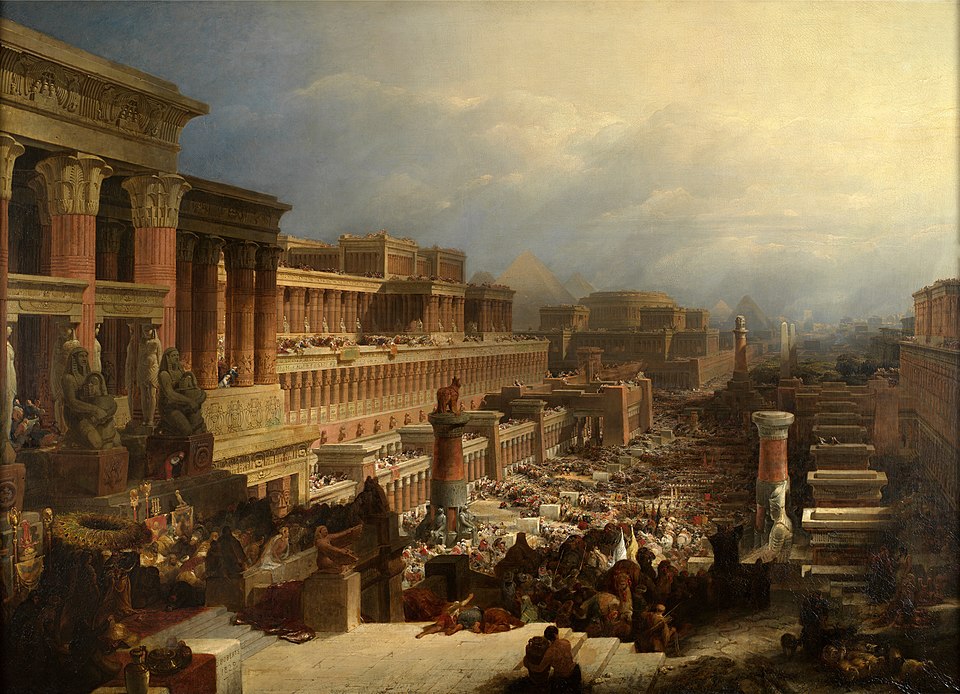
The Exodus remains one of the ancient world’s most persistent crossroads of memory, faith, and material evidence. For archaeologists, linguists, and historians, the question is not only whether a familiar biblical story can be matched to the ground, but how fragments of writing, ruined cities, and shifting chronologies should be read at all.
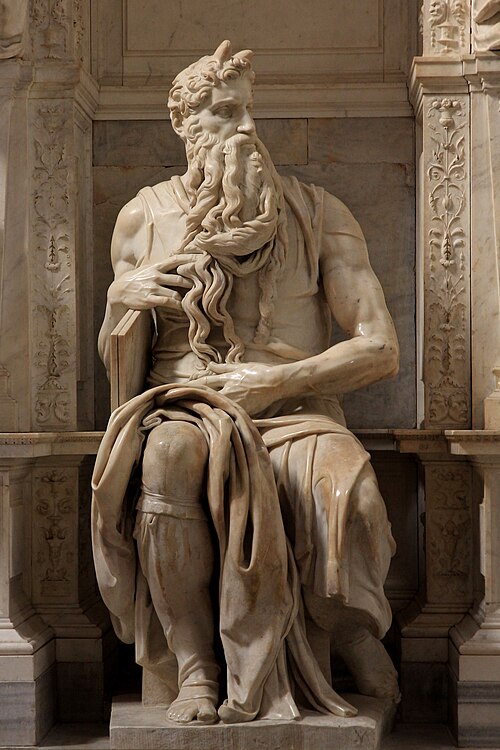
Recent discussion has revived interest in an old problem from several directions at once: a disputed Sinai inscription that may mention Moses, fresh debate over the earliest alphabet, and renewed arguments about Egyptian and Levantine dating. Together, they do not settle the Exodus. They do, however, show why the subject continues to resist simple answers.
1. A Sinai inscription has reopened the Moses question
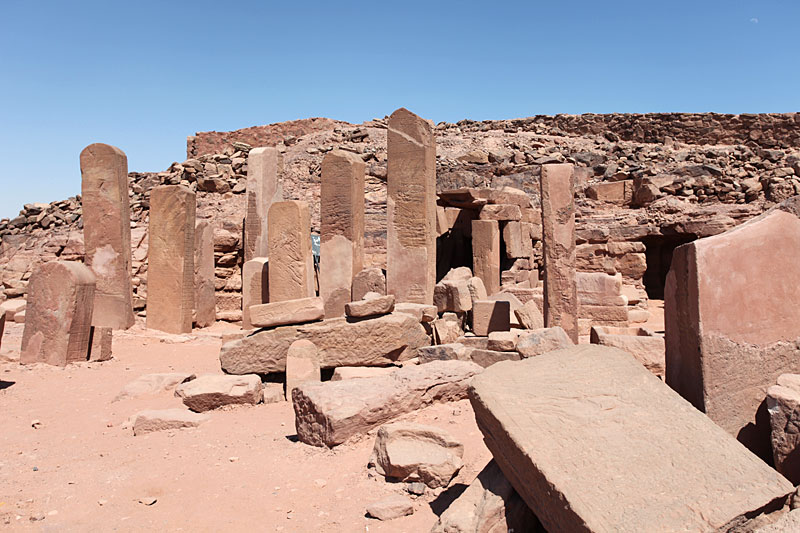
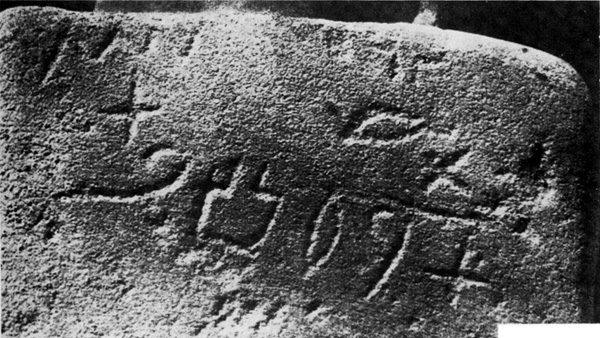
At Serabit el-Khadim in the Sinai Peninsula, scholars have revisited Proto-Sinaitic inscriptions carved near ancient turquoise mines. One controversial reading, advanced by researcher Michael Bar-Ron and supported by Pieter van der Veen, interprets a phrase as “This is from Moses”. The claim has drawn attention because the inscription is tied to a writing system dating to roughly 3,800 years ago.
The appeal is obvious: a possible personal reference, cut into stone, in a place long associated with Semitic laborers in Egyptian territory. Yet the reading remains disputed. Egyptologist Thomas Schneider has rejected the claim as unproven, reflecting a larger reality in Proto-Sinaitic studies: the signs are few, worn, and often open to more than one interpretation. In this field, a single proposed name can shift from breakthrough to cautionary tale in the space of one peer response.
2. The script behind the debate may be the alphabet’s earliest form
Proto-Sinaitic matters far beyond the Moses debate because many scholars view it as the world’s oldest known alphabetic writing system. Unlike Egyptian hieroglyphs, which required mastery of a large symbol set, this script appears to have reduced language to a much smaller number of signs.
That shift changed the history of writing. A house sign could stand for a consonant, an ox head for another, and over time those pictorial roots helped shape later alphabetic traditions. The inscriptions are still difficult to decipher because they usually lack vowels and word breaks, but their importance is not in doubt. They point to a world in which workers, migrants, and non-elite communities may have helped create the writing system that later fed into Hebrew, Phoenician, Greek, and eventually many modern alphabets.
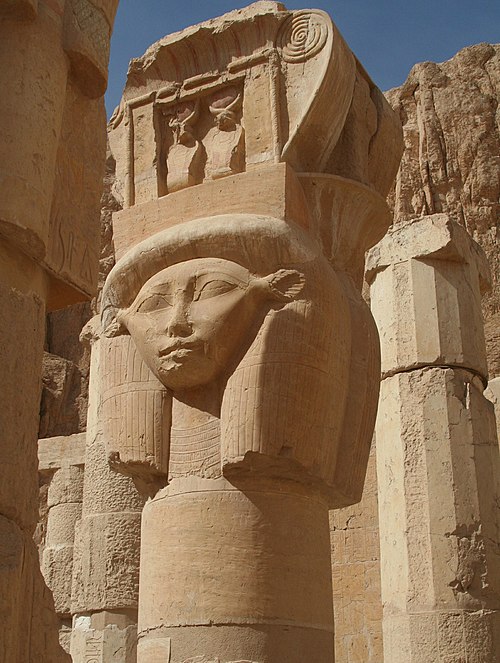
3. The mine inscriptions also hint at religious friction
Some of the Serabit material has been read as more than routine marking of names and offerings. References to deities, including El and the Egyptian-linked goddess Hathor or Baʿalat, have encouraged interpretations centered on competing loyalties within a mixed Semitic community.
Bar-Ron has argued that some texts may show deliberate alteration, with earlier devotional language being recast in favor of a different god. Even without consensus on every reading, the setting itself supports a picture of cultural overlap. Egyptian power, Semitic workers, sacred spaces, and changing religious language all met in one harsh mining outpost. That makes the site valuable whether or not any inscription can be tied to Moses by name.
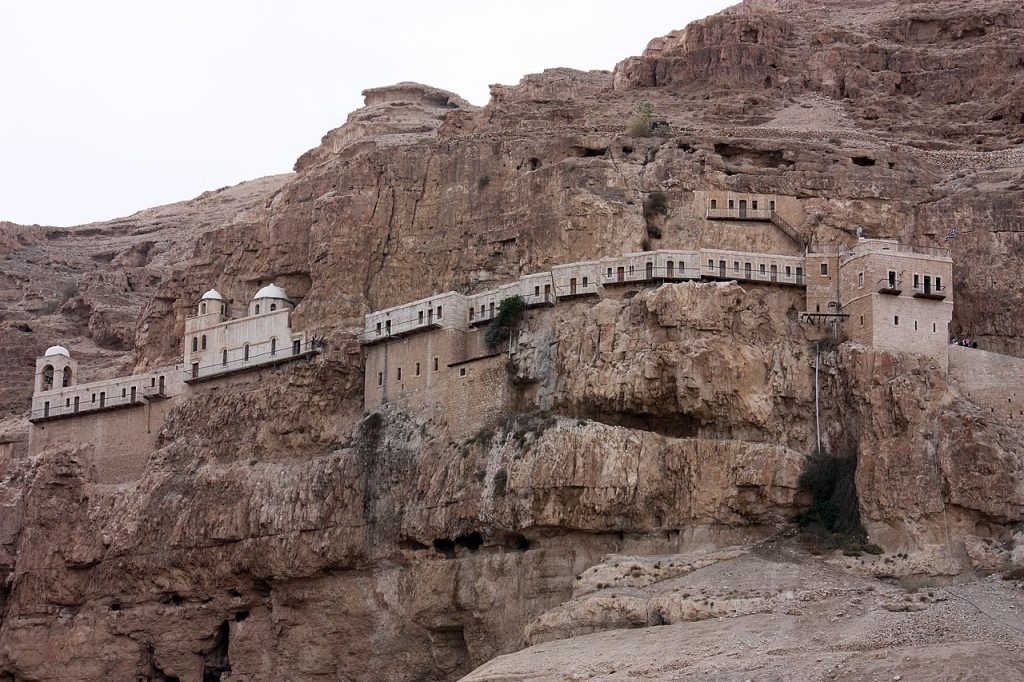
4. The strongest evidence often concerns timing, not individuals
The larger Exodus debate has increasingly turned on chronology. A major 2024 reassessment argued that key sites such as Jericho, Avaris, and Akrotiri still present unresolved tension between pottery sequences and radiocarbon dating in the Middle-to-Late Bronze Age transition.
That matters because the date assigned to one destruction layer can reshape the whole story. Rather than converging neatly on a single century, the evidence has produced competing models: a 13th-century setting, a 15th-century setting, and arguments for an even earlier 16th-century framework. The practical result is that Exodus archaeology is often less about dramatic artifacts than about calibration curves, sample quality, and whether one dating method should outweigh another.
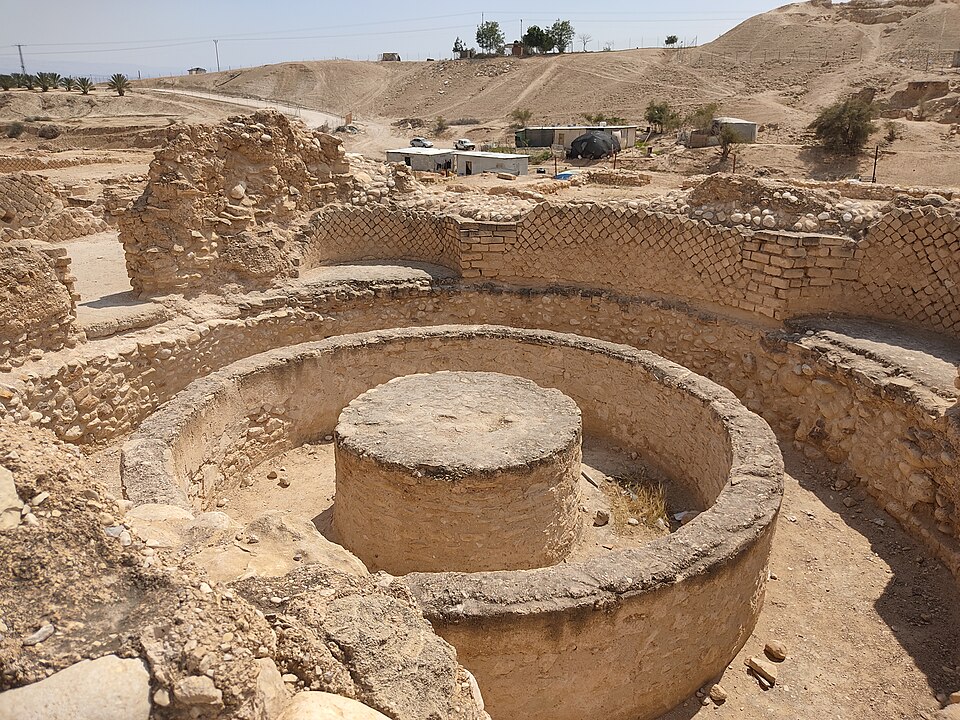
5. Jericho remains central because its destruction is so contested
Jericho has held a special place in this debate for decades because excavators did find signs of collapsed defenses and intense burning. The question has always been when that destruction happened. Some earlier interpretations placed it near 1400 BCE, while later reassessments pushed it back closer to 1550 BCE.
Recent arguments have leaned heavily on short-lived grain samples and improved calibration models, with one study favoring a destruction around the mid-16th century BCE rather than the dates long preferred in popular biblical chronology. That does not end the argument, but it shifts attention away from a simple “proof” model. Jericho’s real significance now lies in how a single site reveals the fragility of certainty in ancient dating.
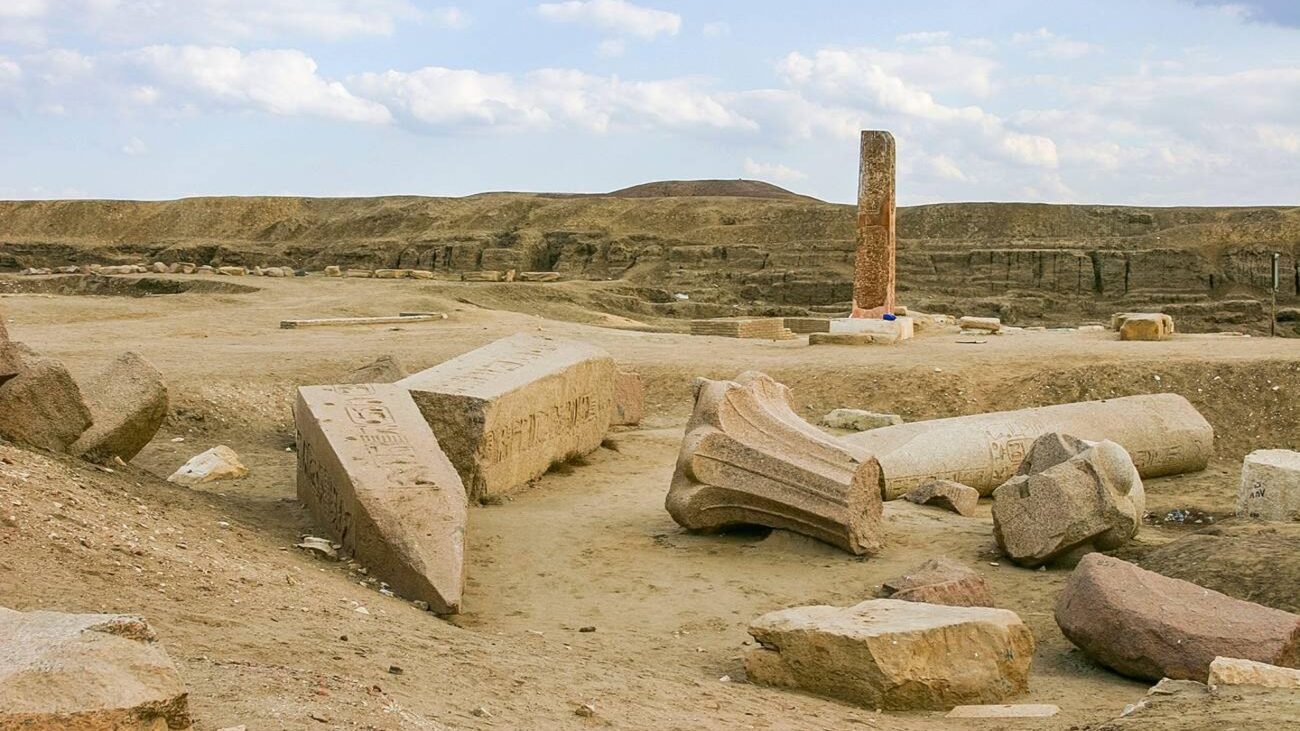
6. Egyptian evidence offers context, but not a settled cast of characters
The search for an Exodus setting often turns to the Nile Delta, especially Avaris, the ancient city later associated with Ramesses. Excavations there have confirmed a substantial Semitic presence and phases of abandonment, making the site central to discussions of a possible Israelite sojourn in Egypt. Some scholars connect Avaris, modern Tell el-Dab’a, with a broader population history behind the biblical tradition.
Beyond place names, proposed identifications of biblical figures remain far less secure. One line of argument has linked Moses with the court official Senenmut under Hatshepsut, largely because of biographical parallels: non-royal origins, extraordinary promotion, close royal access, and sudden disappearance from the record. Those parallels are striking, but they remain interpretive rather than demonstrative. They belong to the realm of historical comparison, not confirmation.
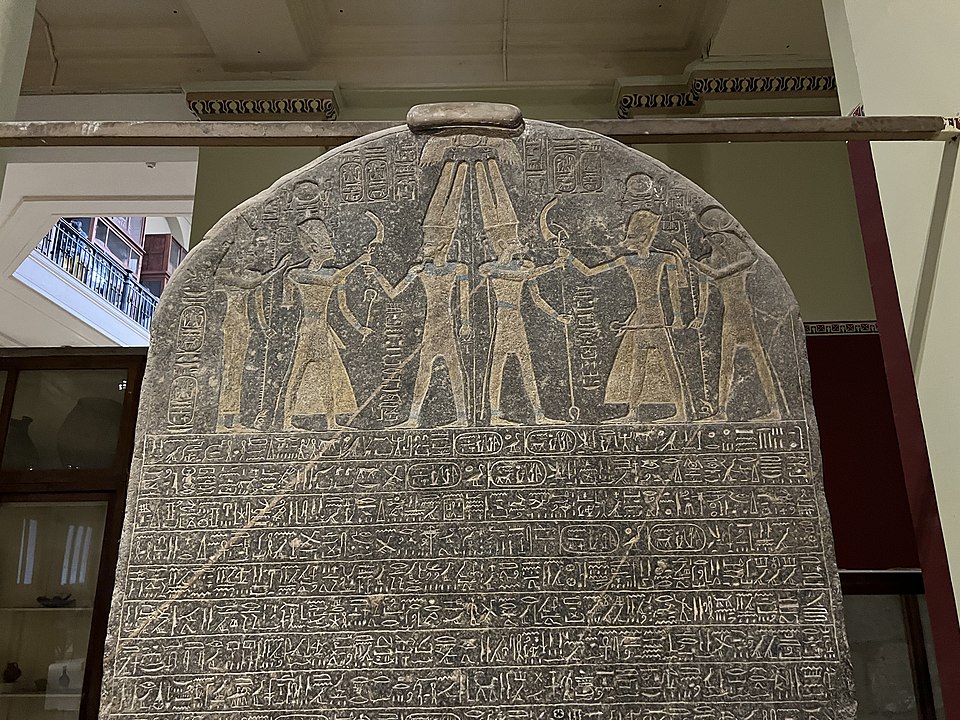
7. Even “Israel” in Egyptian records is still part of an evolving debate
The best-known Egyptian mention of Israel remains the Merneptah Stele, usually dated to about 1205 BCE. It has long served as the earliest widely accepted extrabiblical reference to Israel. But that benchmark has also been challenged by scholars who argue that an earlier broken inscription may contain the same name, perhaps around 1400 BCE.
That proposal is not universally accepted, but it shows how much of this field depends on damaged texts and narrow philological judgments. The broader takeaway is simpler: Egyptian inscriptions do not provide a clean narrative of Exodus origins, but they do show that the emergence of Israel as a named people remains a live question inside archaeology, not a closed case.

The most durable truth about Exodus archaeology is that it rarely offers finality. Instead, it reveals an ancient landscape crowded with miners, migrants, scribes, rulers, and competing memories, all preserved in partial form. Whether the Sinai inscription proves to be a genuine reference to Moses or an overread cluster of signs, the deeper story remains compelling. Stones, ash layers, abandoned settlements, and fragile scripts continue to show how the biblical past is investigated today: not as settled legend or settled fact, but as a long argument with evidence.