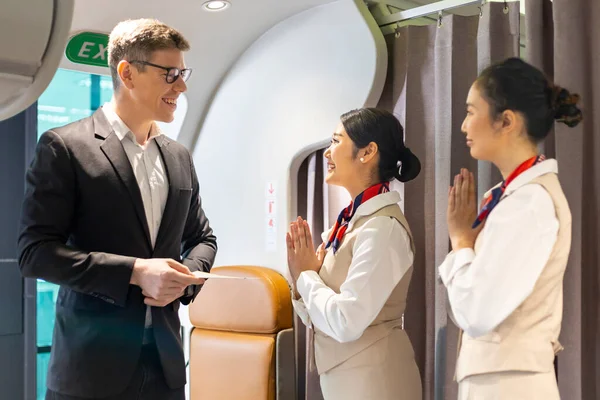
Boarding can feel routine from the passenger side. From the aisle, however, it is a tight sequence of small decisions that affects how quickly everyone sits down, where the bags go, and whether the cabin settles without friction.
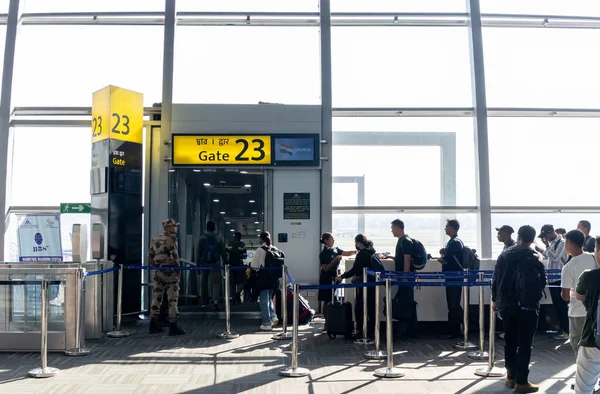
Flight attendants regularly point to the same habits as the ones that make boarding smoother. Most of them are simple, but together they reduce aisle jams, overhead-bin disputes, and the last-minute scramble that can delay a departure.
1. Keep the aisle moving
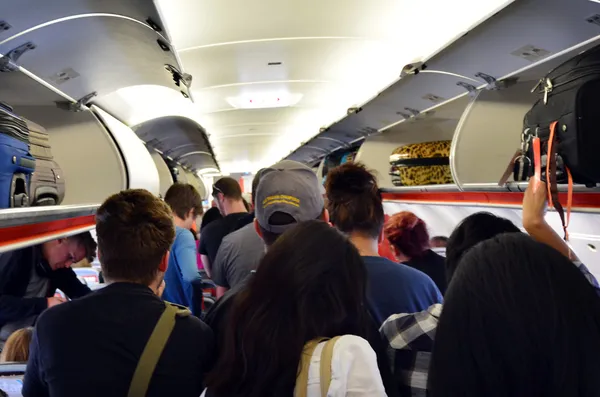
The most helpful passengers are usually the ones who treat boarding like a handoff, not a pause. They have their boarding pass ready, step into the aircraft, and move toward their row without stopping to reorganize belongings in the aisle.
Once at the seat, the goal is to stow the larger bag quickly and then get into the row. Etiquette guidance across multiple travel sources stresses the same point: lingering in the aisle while sorting jackets, chargers, and snacks creates a bottleneck that affects every row behind it. A crowded aisle also makes it harder for crew to complete safety checks before departure.
2. Wear a backpack in a way that does not hit anyone
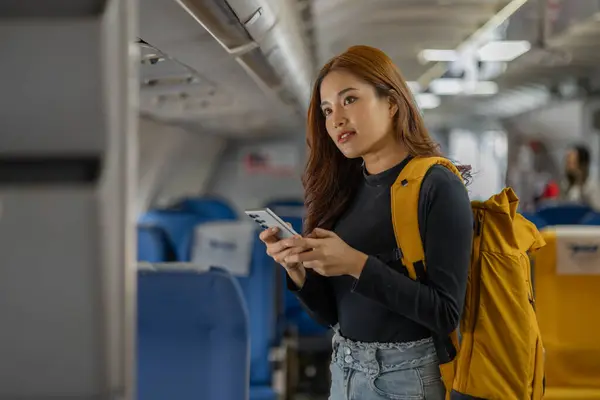
Backpacks become a problem when they stay strapped on in a narrow aisle. They swing into seated passengers, knock shoulders, and clip armrests as people turn toward their row.
One etiquette expert recommends carrying a backpack in front of the body or placing it on top of a rolling bag before stepping onto the plane. It is a small adjustment, but it protects nearby passengers and helps the walk down the aisle feel less chaotic.
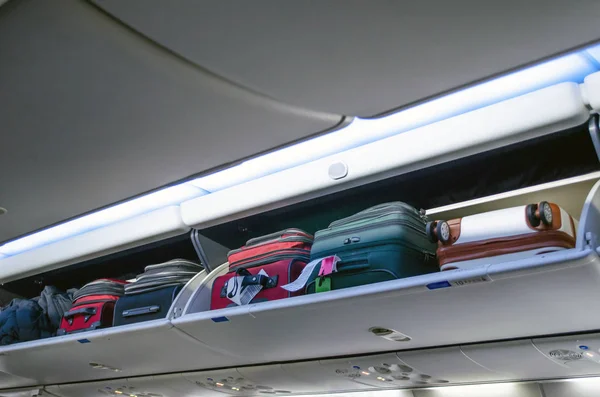
3. Use the overhead bin like shared space
Flight attendants consistently describe the bin as shared real estate, not private storage. That means one larger item overhead and smaller personal items under the seat when possible, especially early in boarding.
This matters because full overhead bins can slow departure when agents must come onboard to tag and remove bags at the last minute. Crew members also note that some passengers fill the bin with purses, coats, and small items simply to free up legroom, which leaves less room for standard carry-ons. A little restraint early in boarding often prevents a much bigger disruption later.
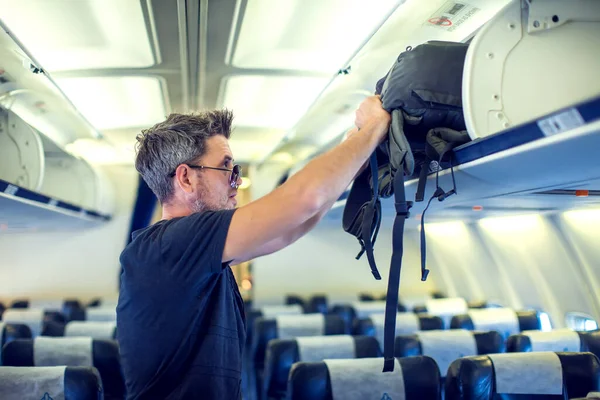
4. Stow bags the right way the first time
How a bag goes into the bin matters almost as much as whether it fits. Flight attendants told Travel + Leisure that the best orientation is often wheels-first and vertically, though aircraft type can change the exact setup.
That variation is why crew members prefer passengers to listen for instructions and check placards instead of forcing a suitcase into the first position that seems convenient. A bag turned the wrong way can waste space for several other passengers. If a traveler is unsure, asking where or how to place it is useful; expecting a flight attendant to lift it is not. Crew guidance is clear that attendants can advise, but many are restricted from hoisting bags because of injury risk.
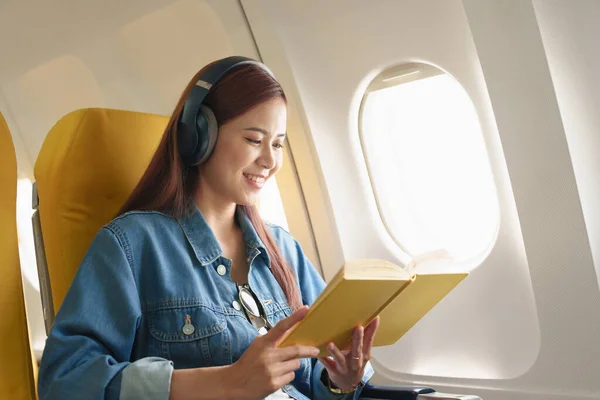
5. Keep essentials out of the bin
Passengers often make boarding harder for themselves by putting everything overhead and then needing something back immediately. Headphones, medication, water, and anything needed during taxi or early flight are better kept close at hand.
Former and current crew members say this avoids repeat interruptions after the aisle has finally cleared. It also prevents a familiar problem: a seated passenger standing back up, reopening the bin, and blocking traffic because a charger or snack was packed too far away.
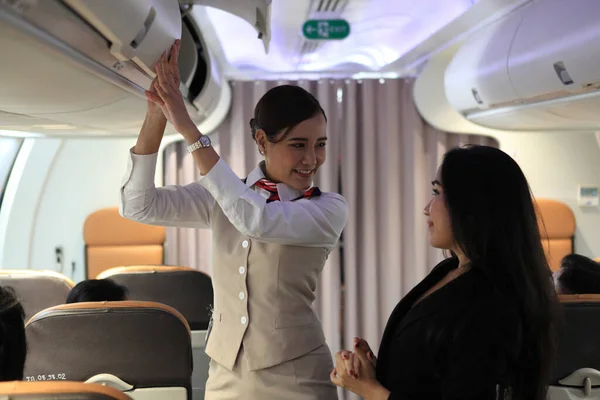
6. Ask for help the right way
There is a difference between asking for guidance and handing off responsibility. Flight attendants welcome questions about where a bag should go or whether space is available nearby, especially when bins above a seat are full.
They are far less enthusiastic about passengers arriving with oversized or heavy luggage and expecting the crew to solve it physically. In guidance shared with Travel + Leisure, one flight attendant put it plainly: “You pack it, you stack it.” That expectation reflects both safety policy and the reality that overhead-bin lifting is a common source of strain injuries among crew.
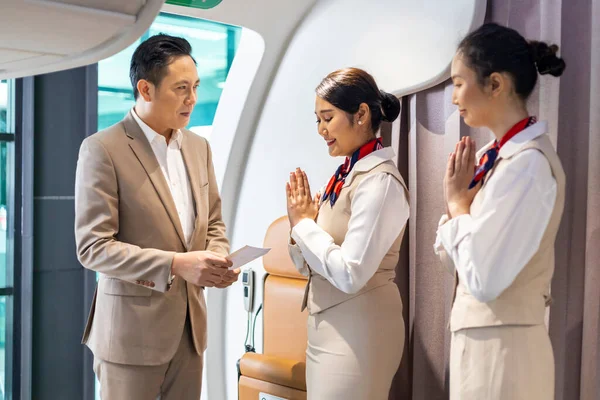
7. Greet the crew and keep the tone civil
Boarding is operational, but it is also human. A greeting, a quick thank-you, and a basic level of patience can change the tone of the cabin more than many passengers realize.
Etiquette experts note that passengers who smile, acknowledge the crew, and make simple requests politely help create a calmer environment in a compressed space. That does not speed the bin-loading process on its own, but it lowers tension during one of the most crowded parts of the trip. On a full flight, that matters.
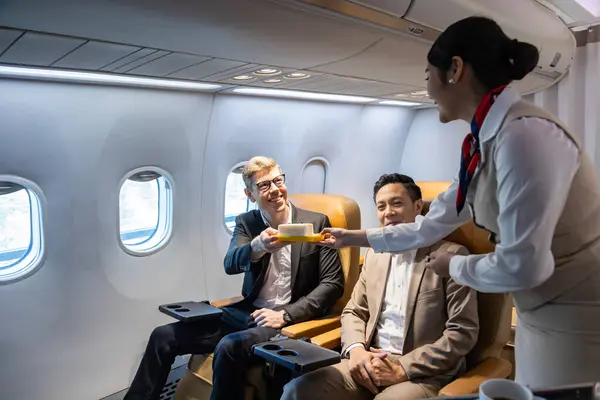
Most boarding frustrations are not dramatic. They come from a handful of repeated habits: stopping in the aisle, misusing bin space, and treating a shared cabin like a private zone.
The passengers flight attendants tend to appreciate most are rarely doing anything flashy. They are simply prepared, spatially aware, and quick to remember that boarding works best when everyone moves with the same goal.