
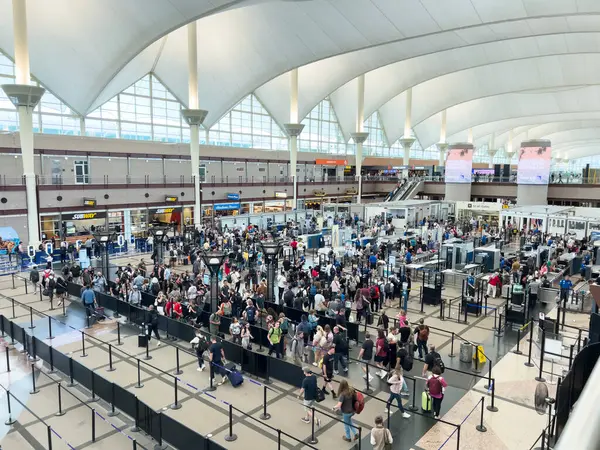
Airports are built around lines, shared space, and low-grade urgency. That is exactly why small acts of consideration matter so much there: one person’s delay, noise, or sprawl tends to ripple outward fast.
Most airport etiquette mistakes are not dramatic. They are the quiet, familiar habits that slow a security lane, clog a gate area, or make a waiting zone feel more crowded than it already is.
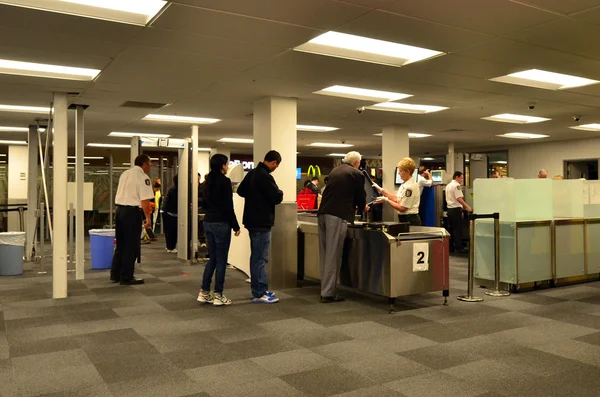
1. Reaching the front of the security line unprepared
Security moves best when travelers are ready before their turn arrives. Waiting until the last second to dig for identification, a boarding pass, or a laptop creates the kind of bottleneck that instantly changes the mood of the whole line.
The process is not especially mysterious. The TSA says electronics larger than a cell phone usually need to be removed in standard lanes, and cluttered bags can trigger extra screening. Organized packing matters because TSA officers screen approximately 3.3 million carry-on bags daily, so even minor delays add up quickly.
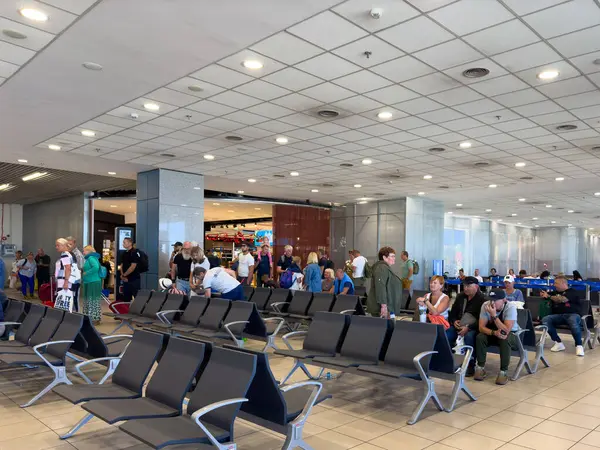
2. Treating gate seating like private storage
A crowded gate area gets tense when open seats disappear under backpacks, coats, coffee cups, and shopping bags. One traveler taking up multiple chairs may seem trivial, but it often leaves older passengers, families, and late arrivals standing.
Shared seating works best when personal items stay compact and close by. Holding one seat briefly for a companion is one thing; turning a public waiting area into a personal spread is another.
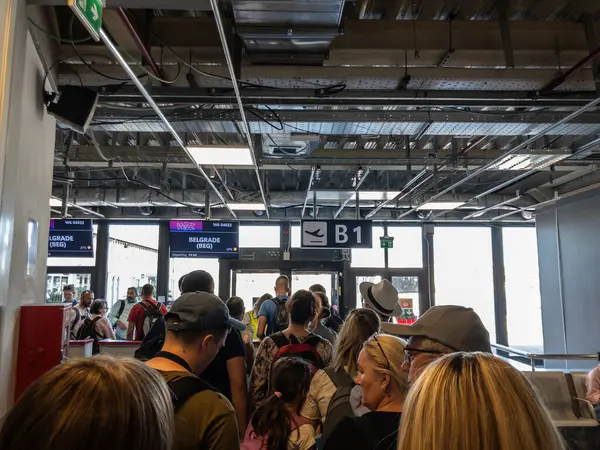
3. Hovering at the gate long before boarding group calls
Gate crowding creates confusion before anyone even steps onto the plane. Travelers who cluster near the scanner far ahead of their group do not board faster; they mainly block the path for people who are actually being called.
That congestion also forces others to weave around rollers, elbows, and tote bags. Boarding is already structured by group, and respecting that order keeps the area calmer for everyone nearby.
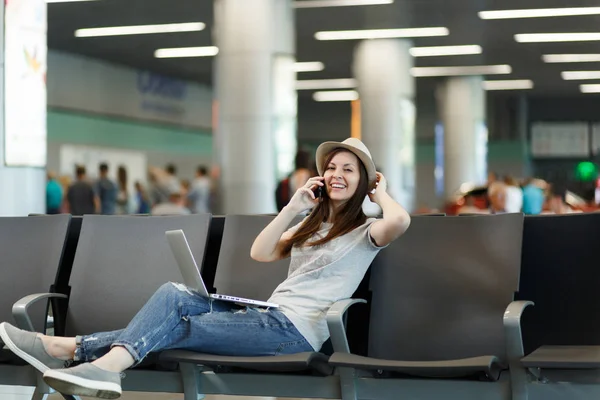
4. Taking loud calls or playing audio into a shared space
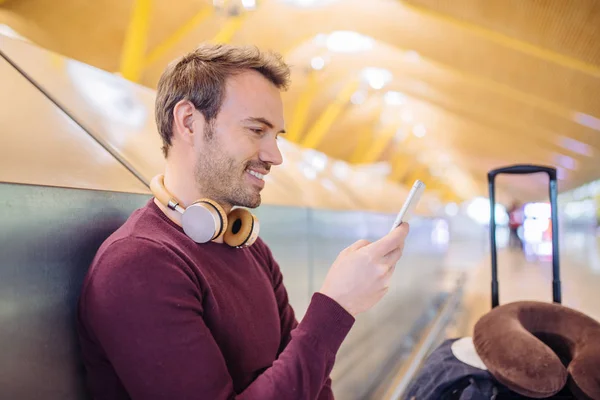
Airports are noisy, but that does not make every sound fair game. Speakerphone conversations, videos played aloud, and music without headphones instantly expand one person’s bubble into everyone else’s.
That is why the basic rule still holds: if audio is optional for the public, it should stay private. Even in gate areas, frequent travelers cited the same standard for calls and entertainment keep your volume down and use headphones. The same expectation carries onto the plane, where flight attendants regularly describe headphone-free viewing as one of the most common courtesy failures.
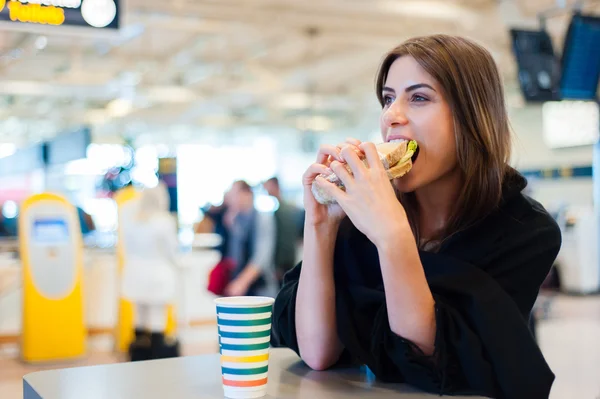
5. Bringing strong smells into close quarters
Scent travels farther in airports and cabins than many people realize. Heavy perfume, reheated leftovers, garlicky meals, tuna, onions, and similar foods tend to linger in ways that neighboring travelers cannot opt out of.
This is less about rules than restraint. Shared air makes smell a public issue, and what seems harmless at a terminal seat can become oppressive in a boarding line or at a packed gate.
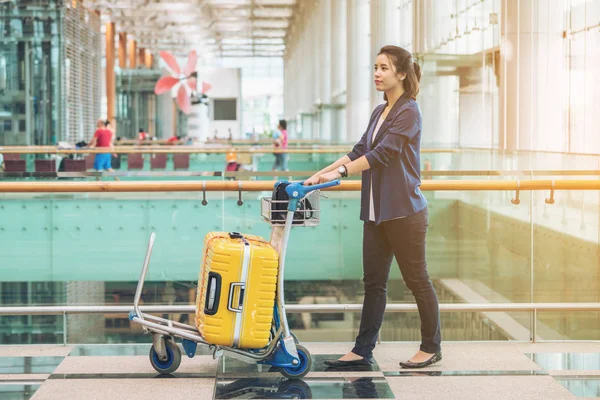
6. Stopping in high-traffic areas to reorganize bags
There is a special kind of airport slowdown caused by someone freezing in the middle of movement. It happens near the security belt, at the end of an escalator, in the jet bridge, and just inside the aircraft aisle.
Flight attendants regularly point to aisle delays as a major source of friction during boarding. One attendant told AOL, “Passengers stopping to unpack or reorganize their bags in the aisle hold up everyone behind them.” The same principle applies before boarding too: step aside first, then sort, zip, repack, or text.
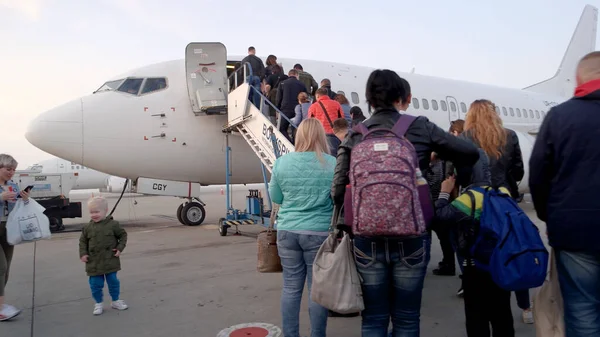
7. Using overhead-bin logic in the gate area
Space pressure starts before takeoff. Travelers who carry more than they can comfortably manage, swing oversized bags carelessly, or spread belongings into walkways create stress for everyone trying to move through a narrow space.
That pressure only intensifies once boarding starts. Keeping personal items consolidated, close to the body, and easy to lift makes the transition from gate to seat noticeably smoother, especially on full flights where boarding often begins 30 to 45 minutes before departure and timing is tight.
8. Acting as if frustration is contagious because it is harmless
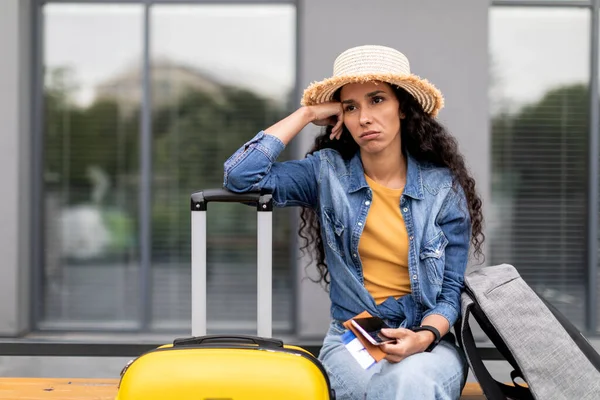
Air travel tests patience, and airports make inconvenience public. Complaining loudly about delays, arguing with staff, or projecting irritation across the waiting area rarely changes the outcome, but it does change the atmosphere.
That emotional spillover is one of the least discussed etiquette mistakes. Stress is already built into the environment. Broadcasting it tends to make the gate, the line, and the boarding process feel heavier for people who are simply trying to get through the day.
Airport etiquette is rarely about grand gestures. It is mostly a matter of shortening the moments when one traveler’s habits become everyone else’s problem.
Prepared documents, controlled volume, compact belongings, and a little awareness of shared space still do most of the work. In an environment designed around queues and close quarters, those habits are what keep friction from becoming the main event.


