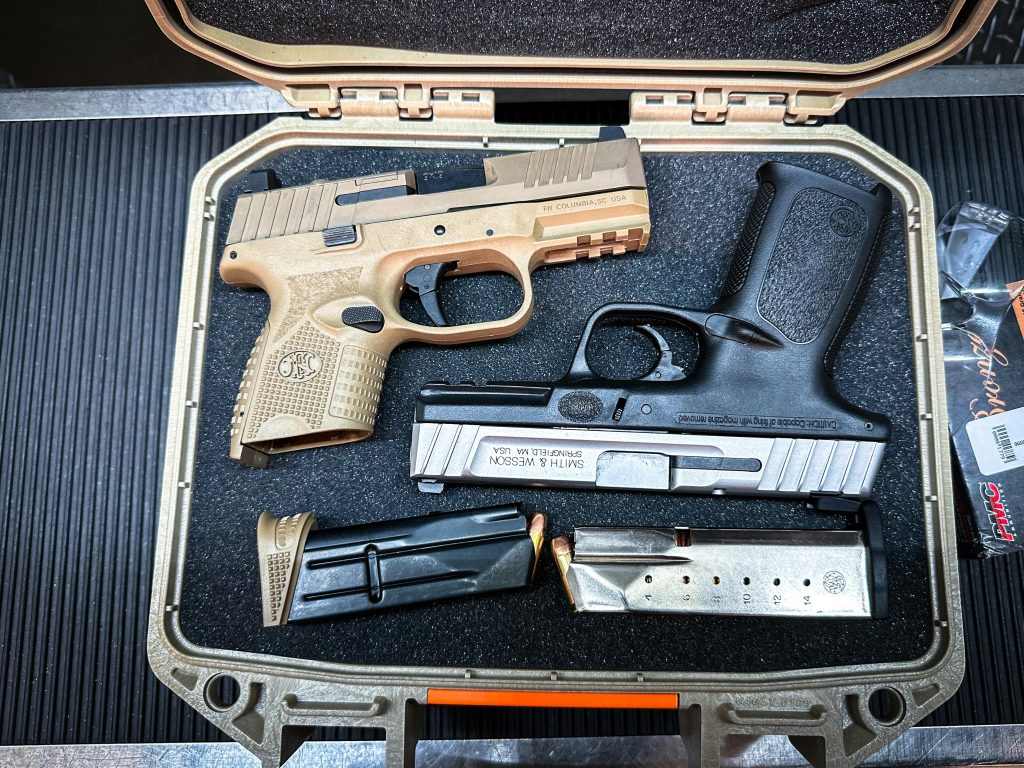
A road trip can cross more than a few state lines. For firearm owners, it can also cross into entirely different legal standards for carrying, transporting, storing and even stopping overnight.
The trouble often starts with assumptions. A permit that works at home may not travel well, a legal setup in one state may create problems in another, and federal protection is narrower than many drivers expect.

1. Assuming a home-state permit works everywhere
One of the most common mistakes is treating a carry permit like a nationwide pass. Reciprocity is not automatic, and some states do not recognize permits from elsewhere at all. That means a loaded handgun carried lawfully at the start of a trip can become a legal issue after one border crossing. Reference guides on reciprocity and transportation make a sharp distinction: reciprocity concerns lawful carry, while transportation concerns moving an unloaded firearm under stricter conditions. Confusing those two categories can turn a routine stop into a serious problem.
2. Thinking federal safe-passage rules prevent an arrest
Many travelers rely on the Firearm Owners’ Protection Act as if it operates like immunity. It does not. Under 18 USC Section 926A, the firearm must generally be unloaded, locked away and not readily accessible, with ammunition stored separately. Even then, some states treat FOPA as an affirmative defense, not a shield against being detained or charged. The practical effect is simple: a traveler may still face arrest first and raise the defense later in court.
3. Packing the gun where it is still accessible
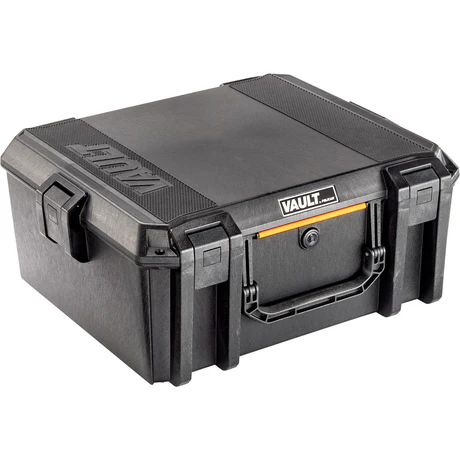
Storage mistakes are easy to make in a car, truck or SUV. Federal guidance described in the reference materials points toward a locked container, preferably in the trunk, with the firearm unloaded and the ammunition separate. A glove box or center console is not the same thing. This becomes even more important in vehicles without a separate trunk. In those cases, the firearm and ammunition need to be secured in a locked container that stays out of reach. Easy access may defeat the travel protections a driver expected to have.
4. Forgetting that magazine limits and firearm features change by state
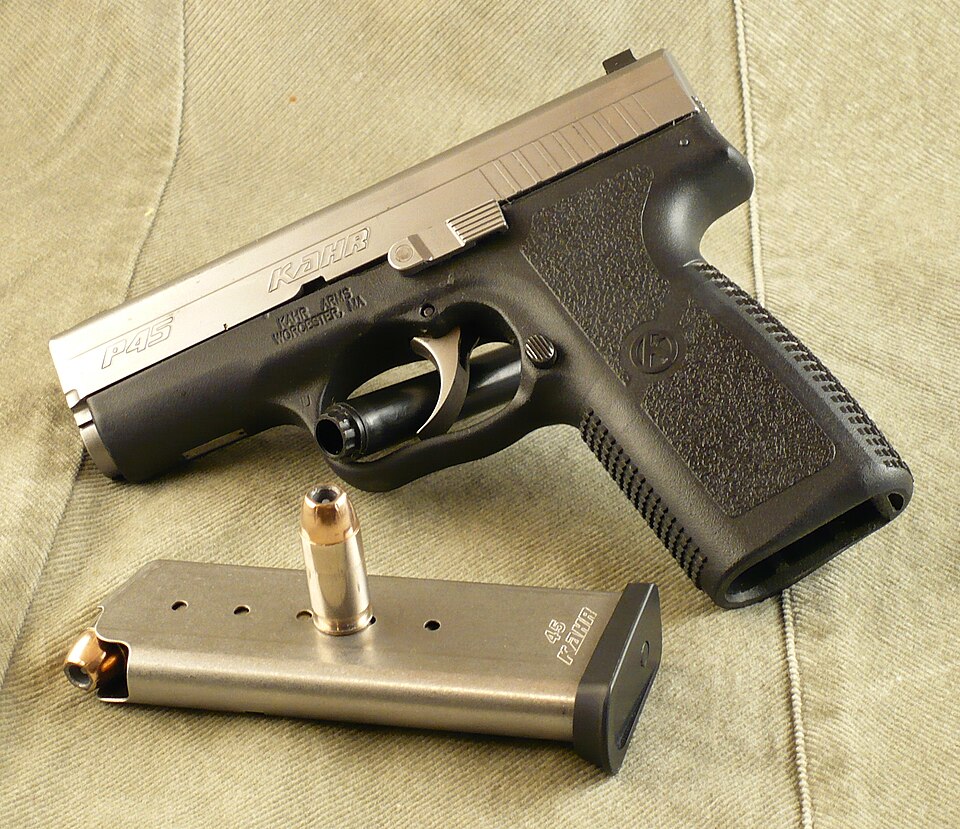
Travelers often focus on the firearm itself and miss the accessories attached to it. Some states restrict magazine capacity, and those limits can apply even when the firearm is otherwise lawful. The reference material notes 10-round limits in several states and lower tolerance for certain configurations. A handgun that is ordinary in one jurisdiction may draw legal scrutiny in another because of a magazine, ammunition type or regulated feature. That mismatch can create exposure long before the firearm is ever used or displayed.
5. Turning a continuous trip into a stop-heavy itinerary
Federal protection is tied closely to continuous travel. The more a road trip starts to look like tourism rather than transit, the weaker that protection may become. The guidance in the references warns against sightseeing detours and treats hotel stays cautiously because courts have not been consistent about whether an overnight stop breaks continuous travel. Gas, food and restroom stops are commonly treated as the safer category. Lingering in a restrictive state is where many trips start to unravel.
6. Leaving the firearm visible inside the vehicle
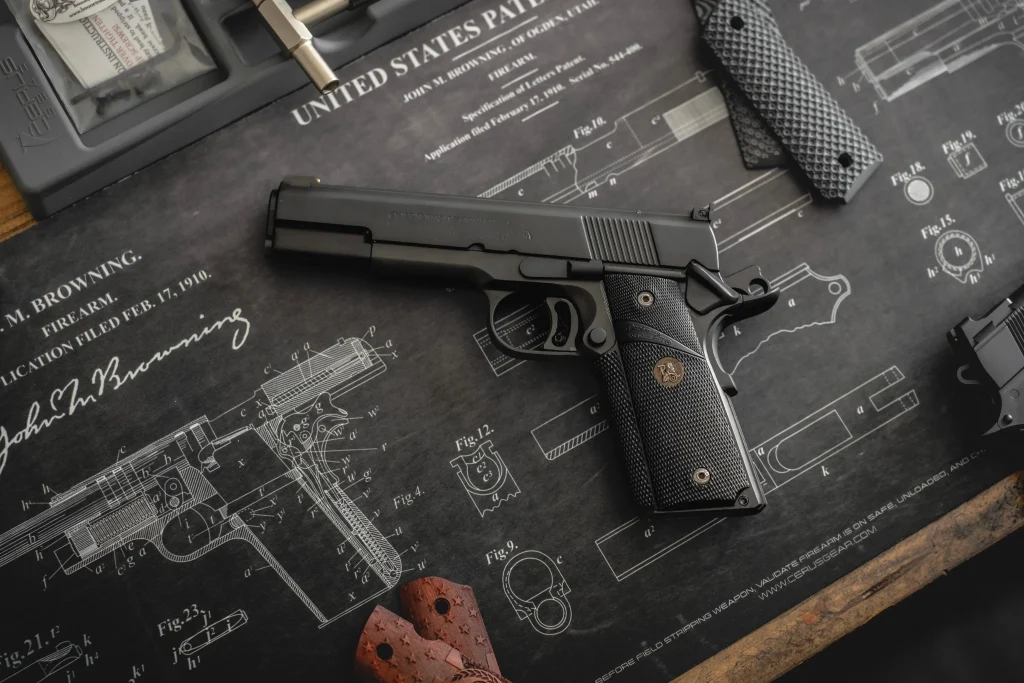
A visible firearm can create both legal and theft problems. Some states specifically address vehicle storage standards. For example, Tennessee law allows firearms in lawfully possessed vehicles but requires them to be kept from ordinary observation under certain circumstances. That principle has broader value beyond one state. Visibility attracts attention, invites theft and can complicate encounters in parking lots, tow situations or traffic stops.
7. Advertising gun ownership during the trip
Road travel creates long stretches of unattended parking at gas stations, restaurants and hotels. The reference guidance advises travelers not to advertise that they are armed through decals, bumper stickers or obvious gun-themed gear. This is not only about discretion. It reduces the chance that the vehicle becomes a target for break-ins by people looking for firearms left inside.
8. Mishandling a traffic stop
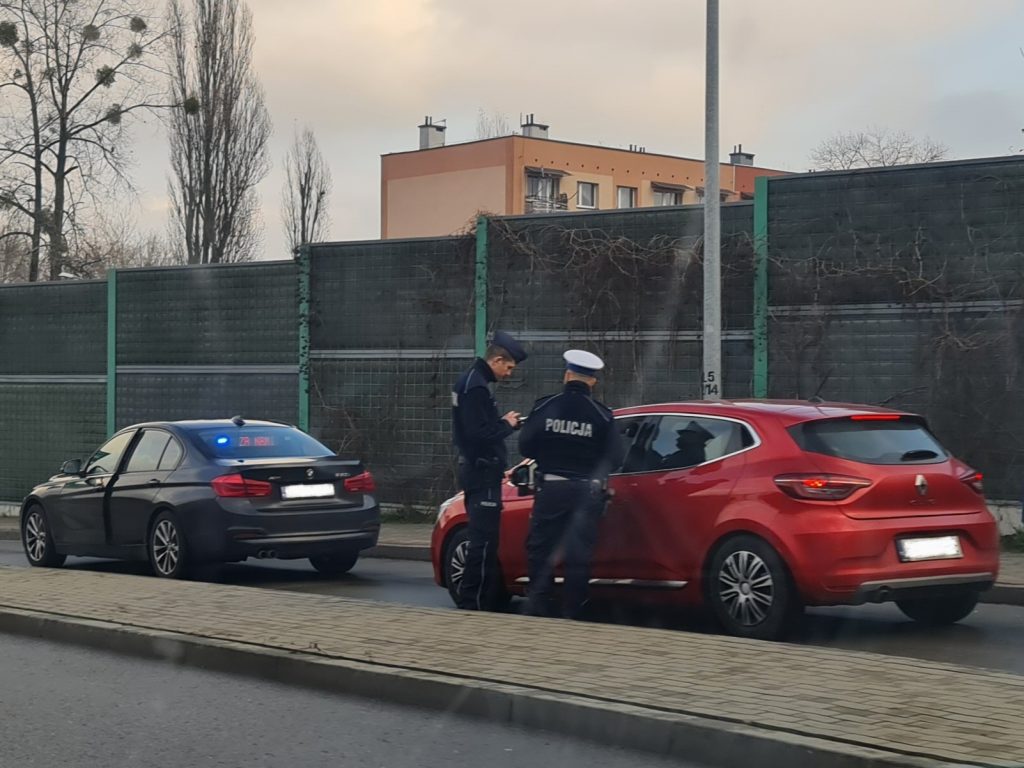
A roadside encounter is not the time to figure out the rules. States differ on whether a driver must disclose a firearm to law enforcement, and that difference matters. The reference material advises keeping hands visible, staying calm and following the disclosure rules of the state where the stop occurs. It also warns against consenting to searches casually. A driver who understands the local duty-to-inform rule is in a far better position than one who relies on habits formed back home.

9. Skipping the paperwork that supports lawful travel
Documents do not replace compliance, but they can help establish it. The reference materials recommend carrying copies of valid permits, proof of ownership and a copy of the federal travel statute. That paper trail matters most when the route runs through restrictive jurisdictions or when the traveler must explain why the firearm is unloaded, locked and inaccessible.
Missing documents do not automatically make travel illegal, but they can make a stressful encounter harder to sort out. Most road-trip firearm problems are not caused by dramatic conduct. They come from ordinary mistakes: a wrong assumption, a bad storage choice, an extra stop or an overlooked state rule. Careful planning matters because the legal line shifts from state to state. Before the tires start rolling, the route, the storage method and the local rules all need to match.