
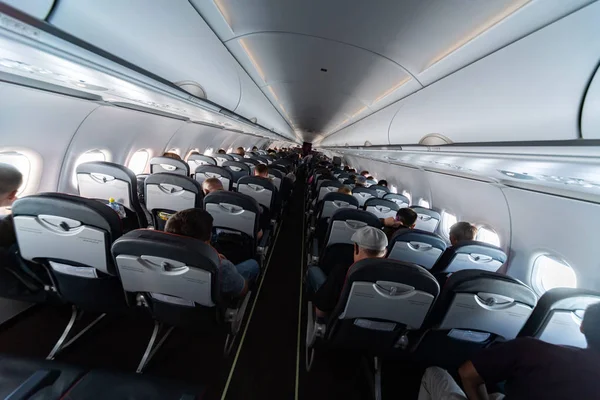
Good manners on a plane do not always look the way travelers expect. In a narrow aisle, with limited storage, a timed service routine, and safety procedures running in the background, the kindest passenger is often the one who keeps things simple.
Flight attendants regularly describe the same pattern: a gesture meant to be considerate ends up disrupting boarding, slowing service, or creating extra work in a space where timing matters. These are the well-meaning habits that tend to miss the mark, along with the more useful alternatives.
1. Policing other passengers
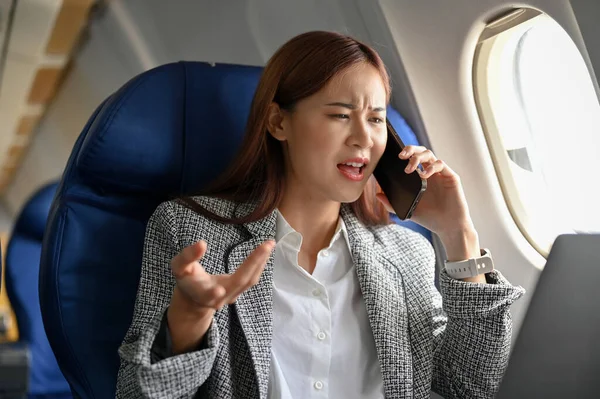
Passengers sometimes try to help by correcting someone else’s behavior, whether it is an unbuckled seatbelt, a phone issue, or another cabin rule. In practice, that can escalate tension faster than it solves anything. Cabin crew are the people trained to handle disputes, and they are also the ones responsible for deciding when a situation is simply irritating and when it affects safety.
A quieter response is usually the more effective one: alert a flight attendant and let the crew take it from there. What looks like public-minded enforcement can quickly become a confrontation no one asked for.
2. Rearranging overhead bins that are not theirs
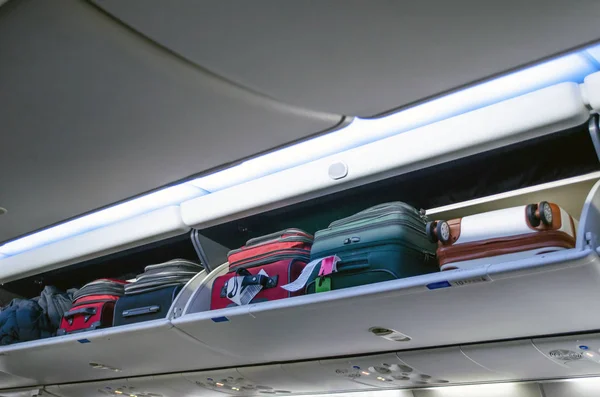
Few things create instant cabin friction like a stranger shifting someone else’s belongings. It may seem efficient to rotate a roller bag, move a backpack, or compress a smaller item to create more room, but overhead storage is one of the most sensitive parts of boarding. Fragile items, medication, electronics, and valuables are often tucked inside bags that look ordinary from the outside. Travelers also expect to retrieve their belongings where they left them, and crew members may need a predictable layout to keep boarding moving. Even frequent flyers note that bags should not be moved without permission, especially on full flights where tempers already run short. The best contribution is straightforward: stow one’s own item properly, then step aside.
3. Tapping a flight attendant to get attention
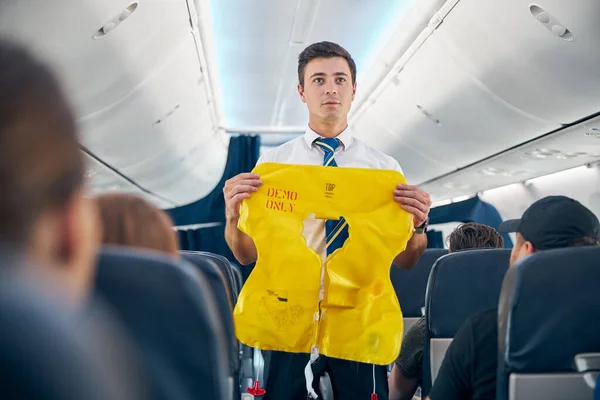
A light touch may feel more polite than calling across the aisle, but many crew members strongly prefer not to be touched at all. A verbal “excuse me,” eye contact, or the call button does the job without crossing a professional boundary.
That small shift matters. Flight attendants are moving quickly, often carrying hot drinks, handling service items, or working in tight spaces where unexpected contact can create a problem.
4. Asking for a full water bottle refill during service
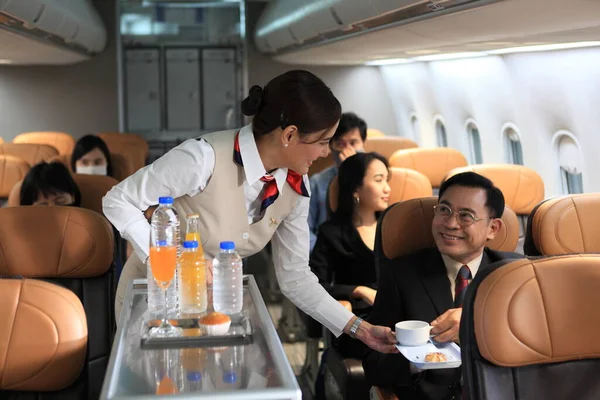
Bringing a reusable bottle is practical, but requesting a large refill in the air can be difficult for the crew to accommodate. Onboard water and service supplies are limited, and what seems like a single simple ask can become hard to repeat across a full cabin.
A better plan starts before boarding. Travelers who want more water are usually better off filling a bottle in the terminal, then asking for the standard cup onboard. That approach respects the cabin’s limited resources without turning hydration into a mid-aisle negotiation.
5. Reaching onto the drink cart for a shortcut
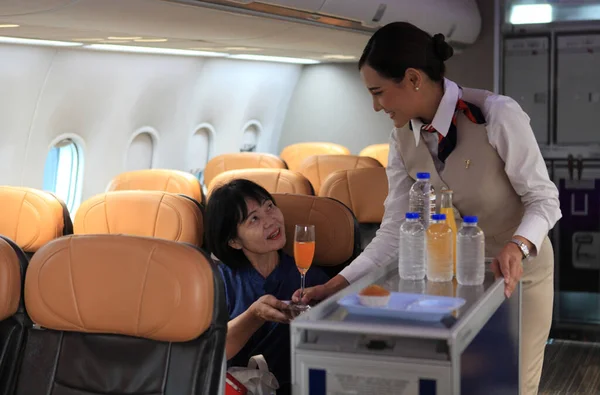
Grabbing a can, napkin, or cup before the cart reaches the row may look efficient, but it interrupts the crew’s order of service. It can also create crowding around equipment the attendants are actively using.
Service on a plane is not casual kitchen access. Waiting a few more seconds keeps the line of work intact and reduces confusion for everyone nearby.
6. Handing over diapers or other messy waste
Not all trash is equal. Used diapers, heavily soiled tissues, and anything involving bodily fluids can create both odor and hygiene problems, especially when attendants are simultaneously serving drinks or food. One crew complaint repeated across etiquette discussions is that these items derail service and force them to manage waste that should never have been handed over directly.
Lavatory trash is usually the appropriate place for that kind of disposal. The same principle applies in the restroom itself: flight attendants have also advised passengers to avoid walking in without shoes because the liquid on the floor is often not water.
7. Taking too long to perfect a carry-on setup
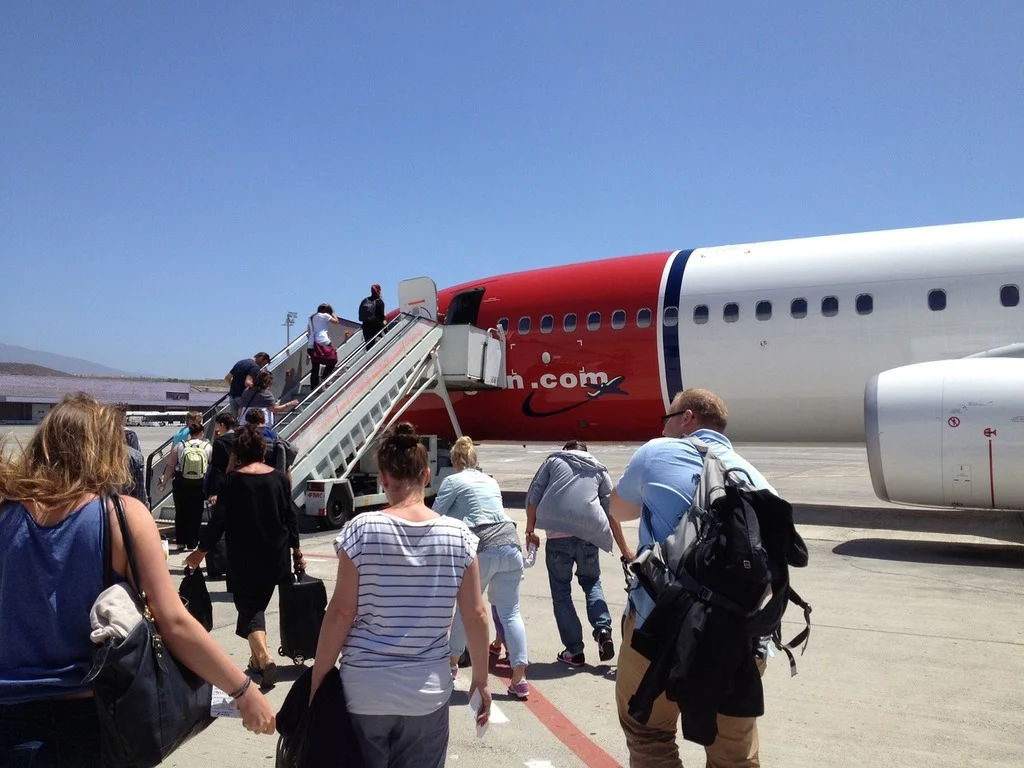
There is a difference between being prepared and becoming a bottleneck. Travelers who stop in the aisle to re-zip, rotate, protect, or repeatedly adjust a bag can stall an entire boarding line. Flight attendants interviewed on etiquette issues consistently stress the same point: the aisle is not the place for last-minute organizing.
Smaller personal items usually belong under the seat, while larger carry-ons go overhead when space allows. That basic split is reflected in typical airline carry on rules, particularly on full flights when crew members are trying to preserve bin space for larger bags.
8. Using the call button for conversation
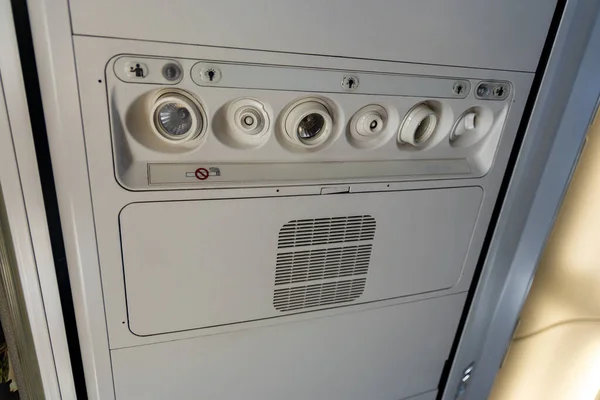
Most passengers know the call button is available for help, but some crew members say the problem starts when it is used for companionship rather than an actual need. A flight attendant in the middle of checks, paperwork, beverage service, and cabin monitoring is rarely standing around waiting to chat.
Friendly conversation is not off-limits. Timing is the issue. During active service, keeping requests clear and necessary is often the more considerate choice.
9. Thanking the cockpit while ignoring the cabin crew
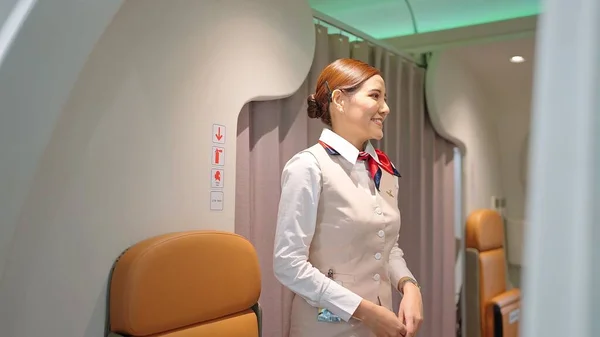
Pilots often receive warm goodbyes on the way out, and there is nothing wrong with that. The awkward part comes when the people who handled boarding, service, safety checks, and passenger needs are passed by without a word.
A simple thank you takes seconds. In the compressed world of air travel, that brief acknowledgment tends to land better than performative helpfulness ever does.
The most useful in-flight courtesy is rarely dramatic. It is staying aware of shared space, respecting the crew’s workflow, and recognizing that a plane runs on systems as much as goodwill.
For travelers, that usually means less improvising and more reading the room. In the air, restraint often looks a lot more polite than extra effort.


