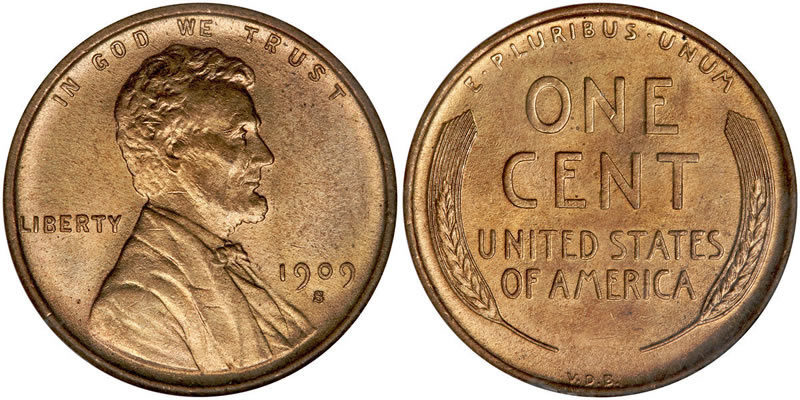
Lincoln Wheat pennies keep turning up in jars, drawers, and old family collections for one reason: they look ordinary until a small detail changes everything. A date, a missing mintmark, or a strange doubling can turn a common cent into a coin that deserves a second look.
For casual collectors, the real appeal is not fantasy treasure hunting. It is learning which clues matter, which stories shaped the series, and why some wheat cents remain far more talked about than others.
1. The series began with a design that made history
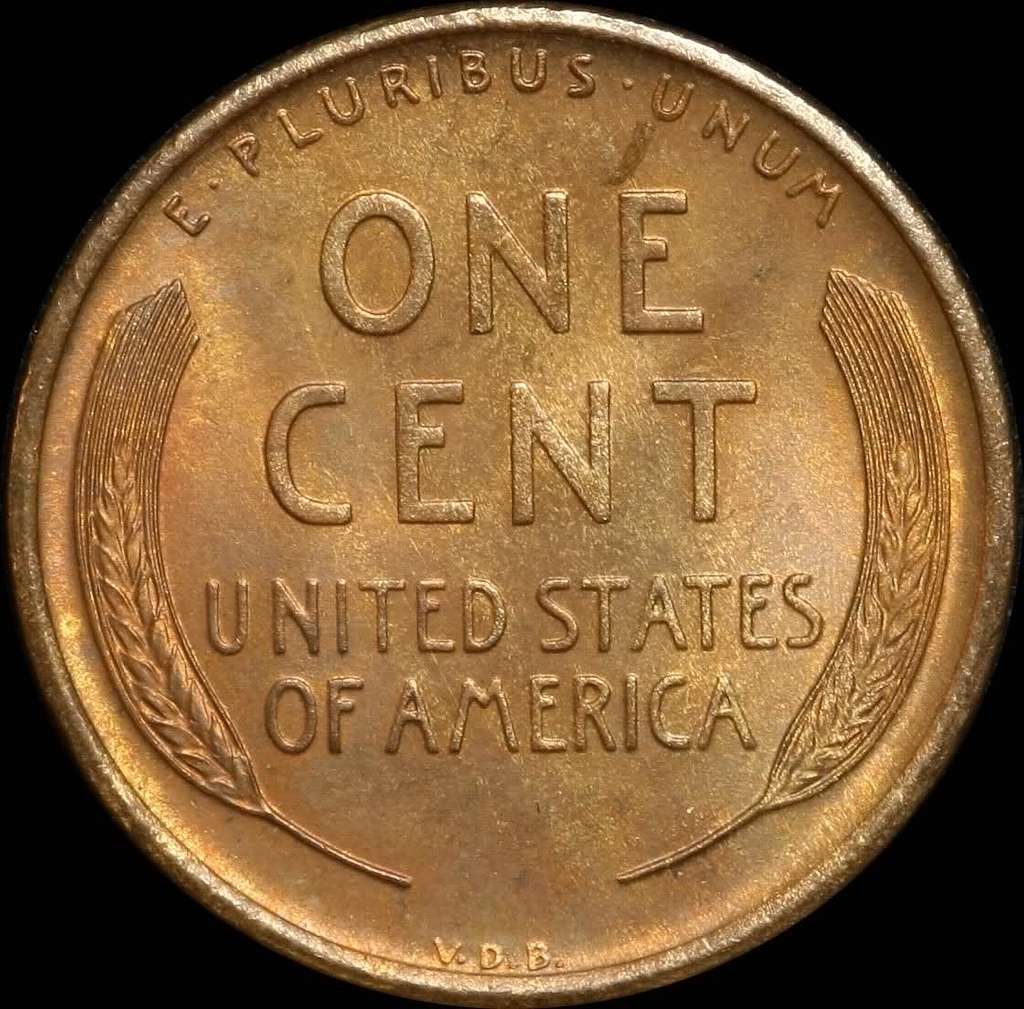
The Lincoln cent debuted in 1909 after Theodore Roosevelt pushed for more artistic U.S. coinage and sculptor Victor David Brenner created the new design. It became the first widely circulating U.S. coin to feature a president, and its reverse framed the denomination with two wheat stalks that stayed in use through 1958.
The design also arrived with controversy. Brenner’s initials, V.D.B., appeared prominently on the reverse of early 1909 cents, were quickly removed after public criticism, and later returned in much smaller form on the obverse in 1918. That backstory helps explain why the earliest pieces still hold so much attention among collectors.
2. The 1909-S VDB remains the name many beginners hear first
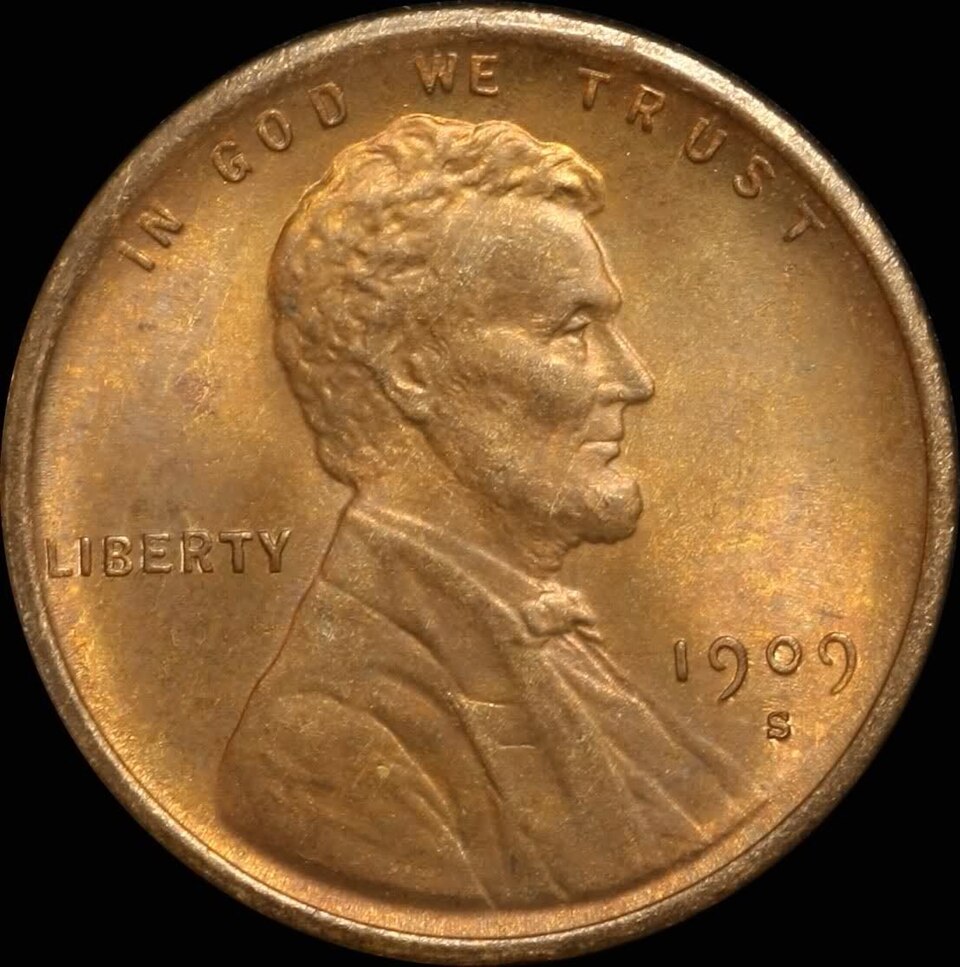
Few wheat cents are discussed more often than the 1909-S VDB, struck in San Francisco with a mintage of 484,000. That low production, combined with first-year status and the initials controversy, made it a lasting key date rather than a passing curiosity.
Its popularity also shows an important lesson for casual collectors: not every valuable coin is an error. Some are simply scarce from the start, and this one became a cornerstone of the series because history and rarity arrived together.
3. Wartime metal changes created the most famous penny mix-ups
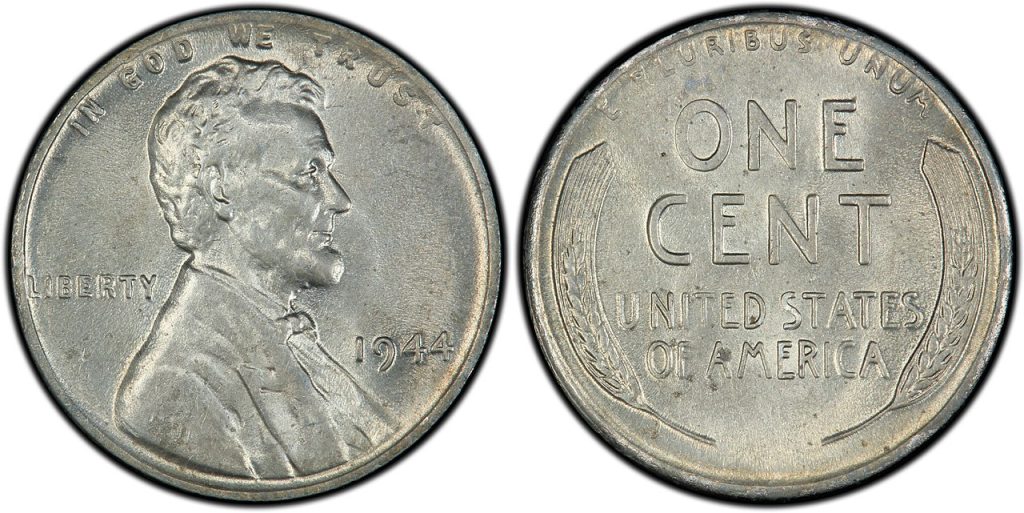
In 1943, the Mint switched cents from copper alloy to steel to conserve metal during World War II. That temporary change produced the familiar silver-colored steel cent, but it also opened the door to far rarer mistakes when a few leftover bronze planchets were used by accident.
Those transitional errors are the coins that transformed wheat-cent collecting into a mainstream conversation. Examples of the 1943 Bronze Cent are among the best-known U.S. mint mistakes, while 1944 cents struck on leftover steel blanks created the reverse version of the same problem. For a casual collector, this is the clearest reminder that metal color alone can be a meaningful clue.
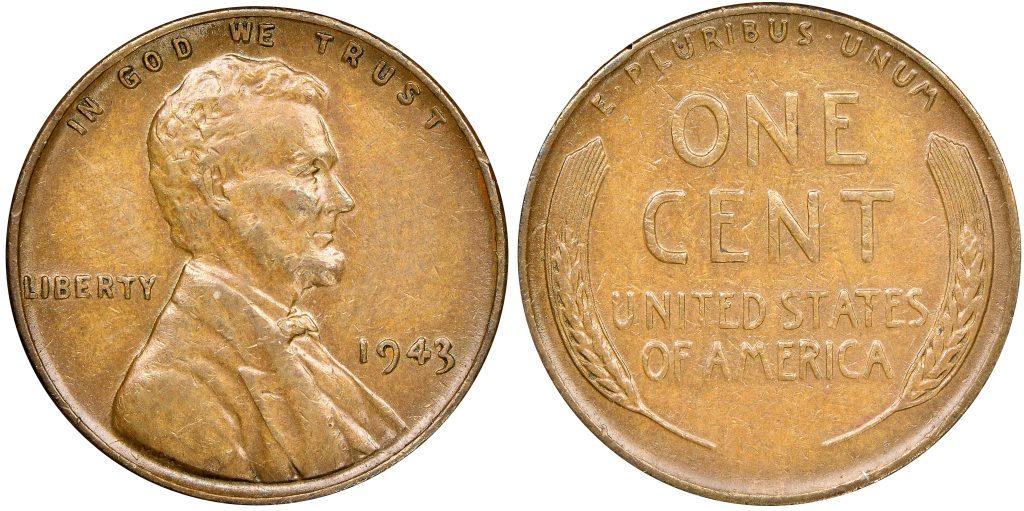
4. The 1943-S bronze cent became a legend partly because so few exist
The San Francisco bronze error from 1943 sits in especially rare company. The main article notes that only six examples are known, which places it among the hardest Lincoln cents to encounter in any form.
Its reputation grew for decades through hobby lore, public fascination, and repeated searches through pocket change. Even collectors who never expect to see one still use it as a reference point for what a true transitional rarity looks like.
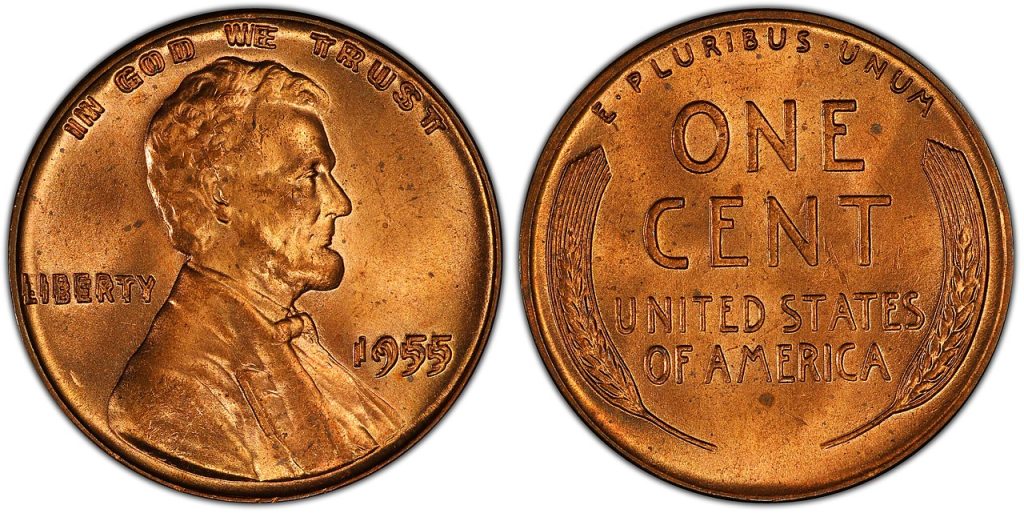
5. Doubled dies are valuable because the mistake started in the die
A doubled die is not ordinary wear and it is not damage after the coin left the Mint. It begins during die creation, when misaligned hub impressions leave duplicated design details that appear on every coin struck from that die. On pennies, the strongest signs often show on the date, LIBERTY, and IN GOD WE TRUST.
The classic example is the 1955 Doubled Die Obverse, where the lettering is bold enough to see without magnification. The much rarer 1958 doubled die obverse is even scarcer, with only three examples cited in the source material. For beginners, the practical lesson is simple: raised, rounded doubling deserves attention, while flat shelf-like doubling usually does not.
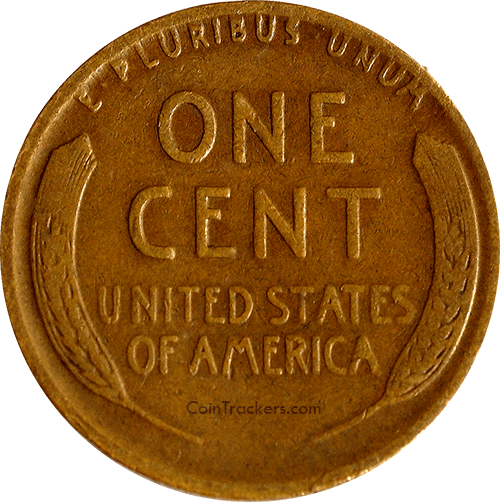
6. Mintmarks matter, but only in the right year
Mintmarks identify where a coin was made: Philadelphia traditionally used no mark on Lincoln cents, while Denver used D and San Francisco used S. That is why a blank space under the date is usually normal on many wheat pennies, not a mistake.
What makes the 1922 No D so important is that cents that year were struck only in Denver. A coin from that date with no visible D became notable because the absence is tied to die wear, not Philadelphia production. That distinction saves collectors from treating every no-mintmark penny as unusual.
7. Several low-mintage wheat cents matter even without dramatic errors
Some of the most useful dates for casual collectors are the straightforward key dates: 1914-D, 1931-S, and 1909-S. These coins are watched closely because scarcity alone keeps them relevant.
The 1931-S is a good example of how mintage shapes demand. With just 866,000 struck, it became one of the better-known later keys in the series. The 1914-D carries similar weight, and the reference material notes that authentication matters because heavily collected key dates often attract counterfeits and alterations.
8. Condition still decides whether a coin is ordinary or notable
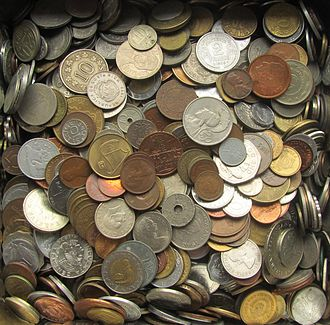
Two wheat pennies with the same date can land in very different categories depending on detail, color, and surface quality. Collectors often look for stronger hair details on Lincoln, cleaner wheat lines on the reverse, and original luster on better-preserved pieces.
This is where third-party grading becomes important for higher-end examples. As Mike Sherman of PCGS said, “it’s always exciting when there’s another million-dollar coin sale. It proves the rarity and value collectors place in these uncommon Mint Errors.” Authentication also helps separate real rarities from altered coins, plated pieces, and wishful identifications.
9. Most wheat pennies are collectible, but not all are rare
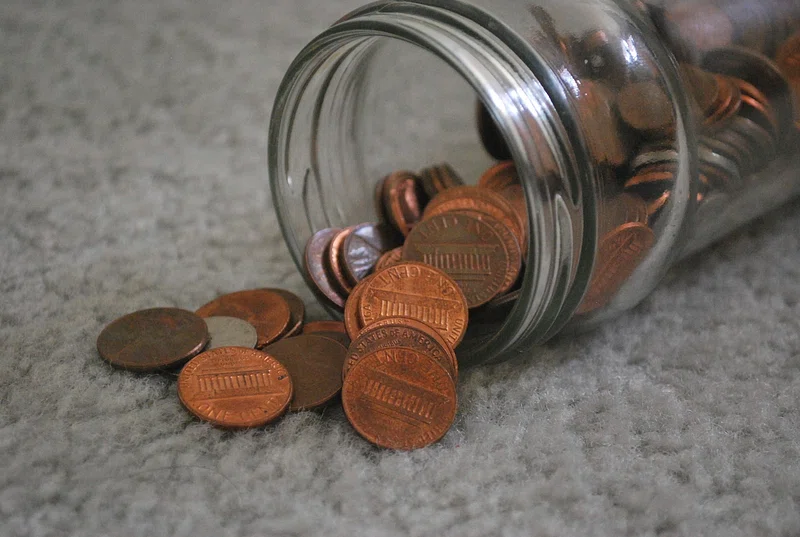
This may be the most useful clue of all. Many wheat cents from the 1940s and 1950s survive in large numbers, and circulated examples are often modestly priced unless they show a key date, unusual metal, or a recognized variety.
That is why the best approach is careful observation rather than assumption. As Dustin Johnson of Heritage Auctions noted, “Odd items are always set aside but that doesn’t make them rare or terribly valuable.”
The wheat penny series remains inviting because it rewards both curiosity and restraint. A casual collector does not need to chase myths to enjoy it. Learning the important dates, understanding wartime metal changes, and recognizing true doubled dies already puts a small cent in a much clearer historical frame.
That is what keeps these coins interesting: most are simple, some are scarce, and a few carry the kind of tiny details that changed their place in collecting forever.