
Hollywood has long treated the camera as a kind of preservative, fixing a performer in time. Yet some careers ended in the middle of production, leaving behind films that had to be patched together, reimagined, or simply carried to release under the weight of loss.
What remains is not only a final screen credit, but a record of how an industry responds when a leading presence disappears before the work is done. In several of the most striking cases, the unfinished film became part memorial, part technical problem, and part uneasy farewell.
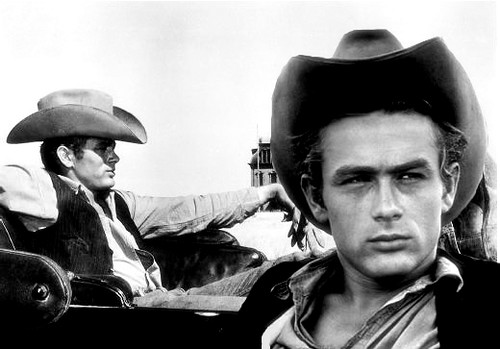
1. James Dean, Giant
James Dean’s screen career was famously brief, and Giant became one of the films that cemented that mythology after his death. He had completed principal photography before the film’s release, but post-production revealed a practical problem: some of his dialogue could not be used cleanly. To finish the film, portions of his performance were dubbed by Nick Adams replacing inaudible lines.
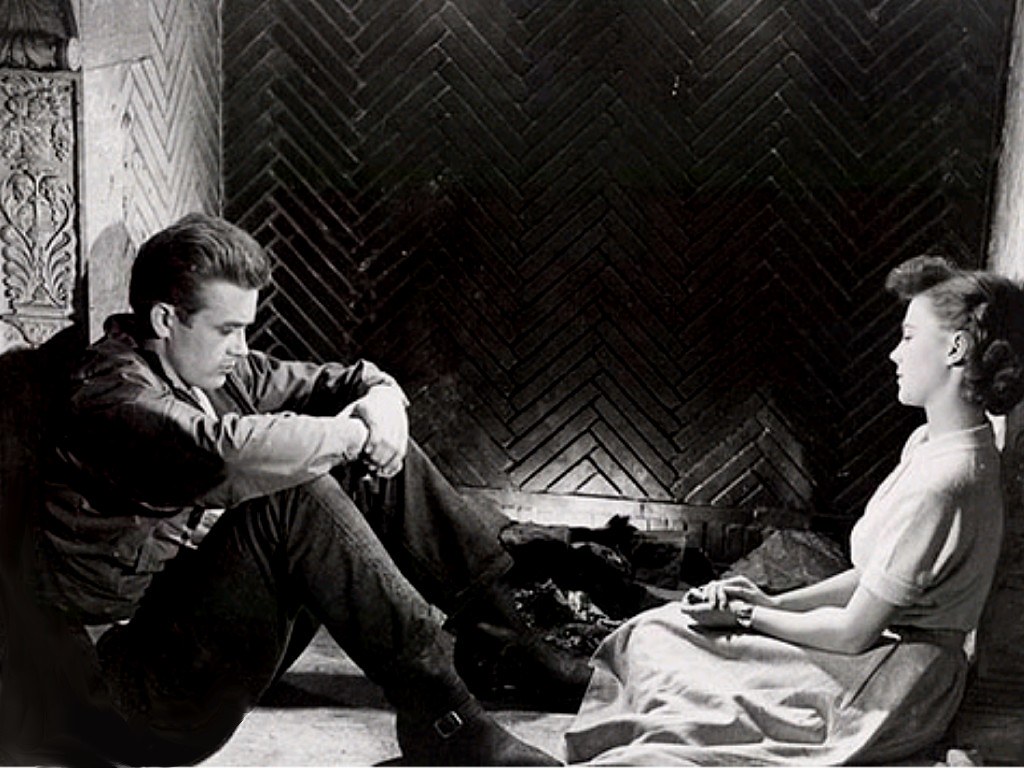
The result was less about reconstructing a role than preserving one. Dean still received a posthumous Best Actor Oscar nomination for the film, and his image as a permanently young star only deepened from there.

2. Natalie Wood, Brainstorm
Natalie Wood Passed away in 1981 while Brainstorm was still in production, leaving MGM with a nearly completed film and a difficult decision about whether to continue. Most of her material had already been shot, which allowed the production to move forward after a pause. The remaining gaps were addressed by trimming, rewriting, and working around the scenes that could no longer be filmed.
The finished movie carries that visible sense of interruption. Rather than replacing the actress wholesale, the filmmakers built the release around what was already there, making Brainstorm one of Hollywood’s clearest examples of a final film preserved through subtraction instead of spectacle.
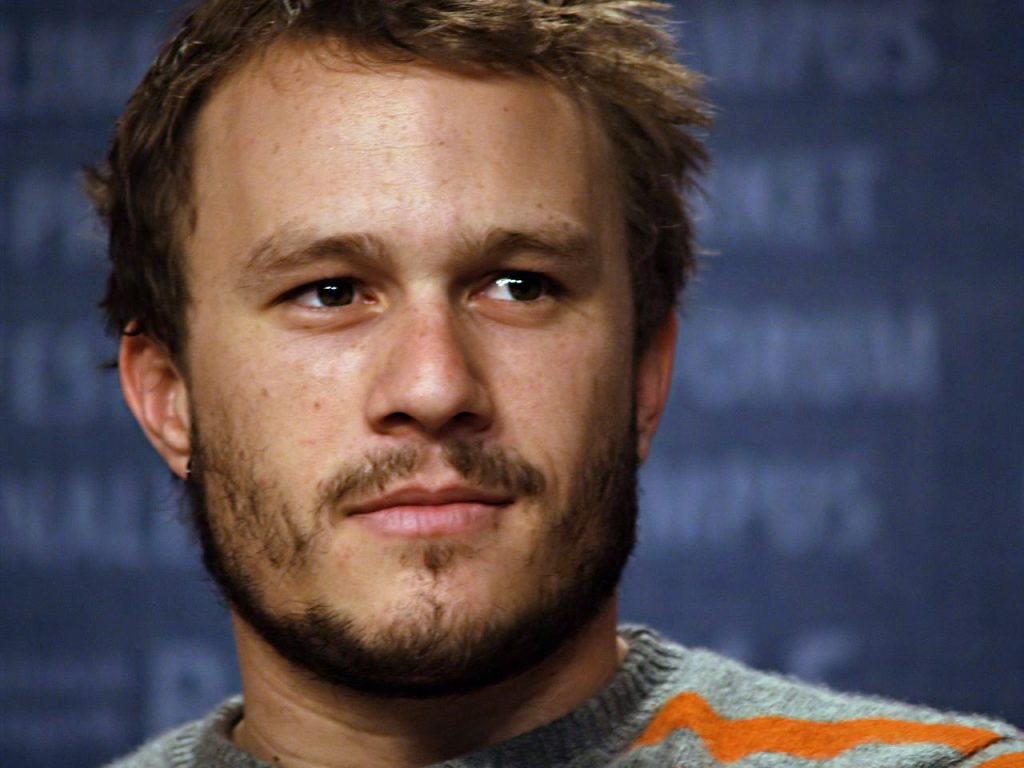
3. Heath Ledger, The Imaginarium of Doctor Parnassus
Heath Ledger Passed away during production of Terry Gilliam’s fantasy film, and the project was nowhere near complete. According to reports, the production was only about one-third finished, a far more severe challenge than the near-complete films that often survive such tragedies.
Gilliam’s solution became part of the film’s design. Because Ledger’s character moves through shifting dream worlds, Johnny Depp, Jude Law, and Colin Farrell were brought in to play transformed versions of him. That choice allowed the film to remain intact without pretending nothing had changed. Ledger’s final completed release as an actor was still The Dark Knight, where he won a posthumous Best Supporting Actor Oscar, but Doctor Parnassus remains the more direct portrait of a production forced to adapt in real time.
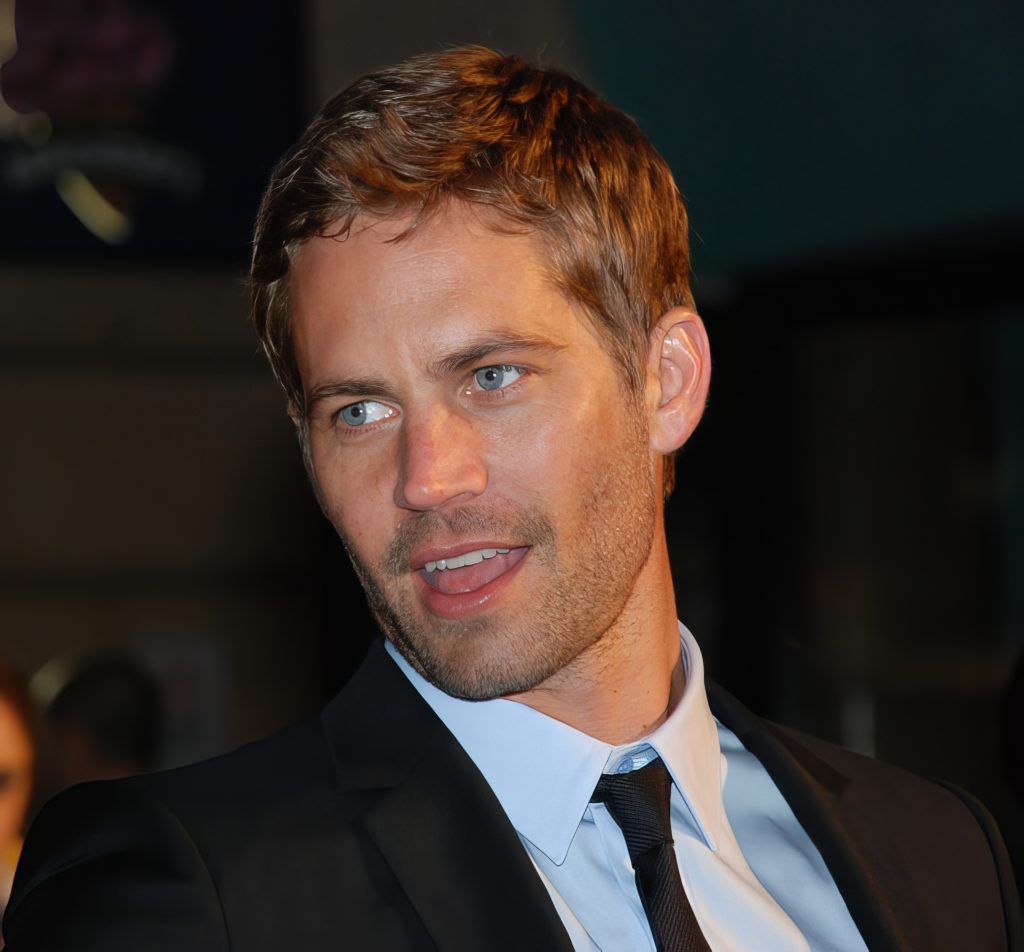
4. Paul Walker, Furious 7
Paul Walker’s death during the making of Furious 7 interrupted one of modern Hollywood’s biggest franchises at its emotional center. He had shot most of his scenes, but the film still required key moments to complete Brian O’Conner’s arc.
The production leaned on a combination of family resemblance and digital technology. Walker’s brothers, Caleb and Cody, served as stand-ins, while visual effects artists helped complete the performance. The finished film became both blockbuster and elegy, eventually earning more than $1.5 billion worldwide. Its farewell quality was unmistakable, but so was the industrial scale of the solution, with body doubles and effects used not to create a new performance, but to gently carry an existing one to the finish line.
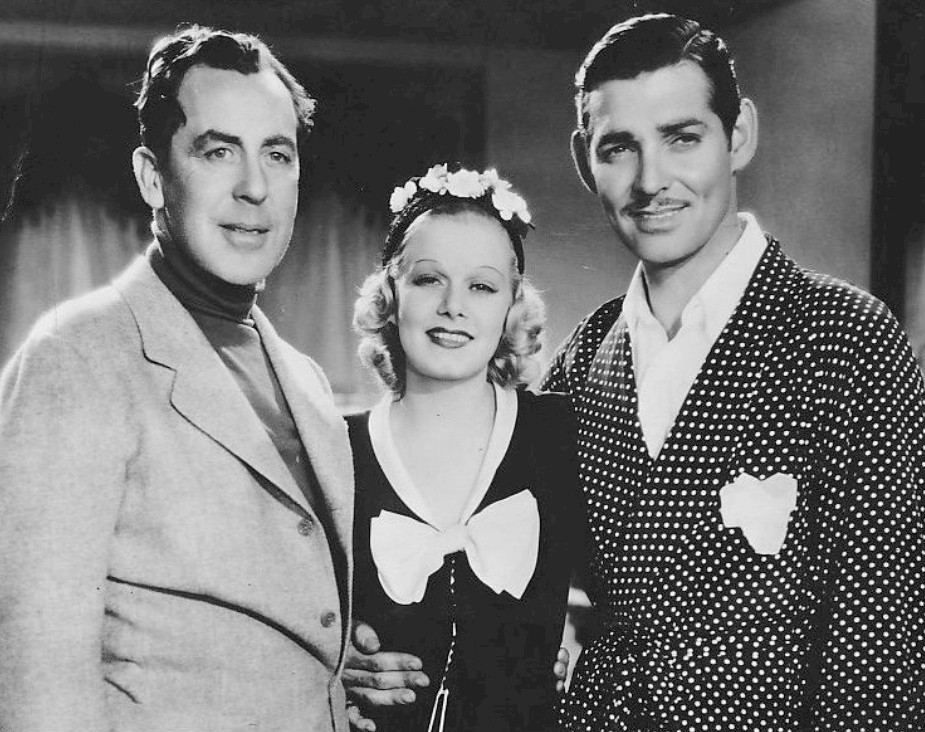
5. Jean Harlow, Saratoga
By the time Jean Harlow Passed away at 26, Saratoga was close enough to completion that abandoning it would have meant shelving one of MGM’s biggest stars in mid performance. The studio briefly considered replacing her, but public resistance pushed it in another direction.
Instead, the film was completed using body doubles, dubbing, and rewrites. About 90% of filming had been completed, which made that strategy possible. The audience response was immediate: Saratoga became the biggest financial success of Harlow’s career, turning an unfinished final film into an especially haunting kind of triumph.
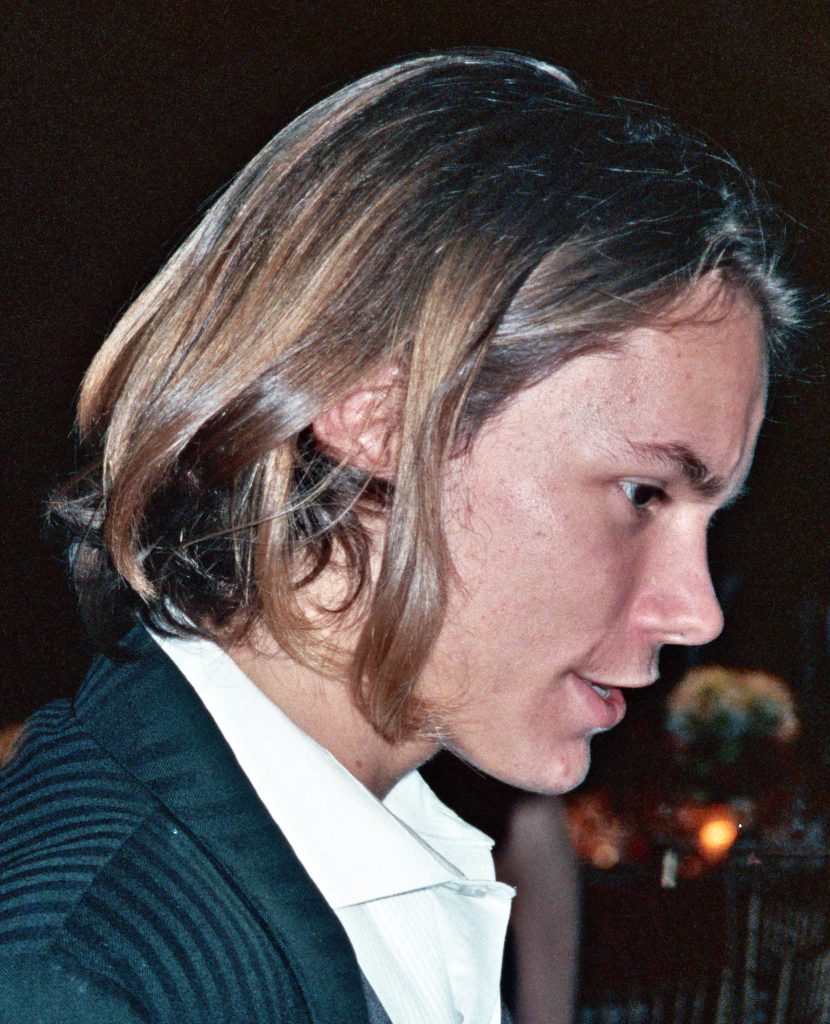
6. River Phoenix, Dark Blood
River Phoenix Passed away during the production of Dark Blood, and unlike some other films in similar circumstances, this one did not immediately find a way forward. The project was shelved, and for years it stood as a symbol of a career stopped mid-stride rather than a posthumous release shaped into completion.
Its afterlife came much later. Nearly two decades on, director George Sluizer returned to the surviving footage and assembled a version for festival screenings, using narration to bridge what had never been shot. That delayed completion gave Dark Blood an unusual status: not simply a final film, but a fragment finally framed for public view.
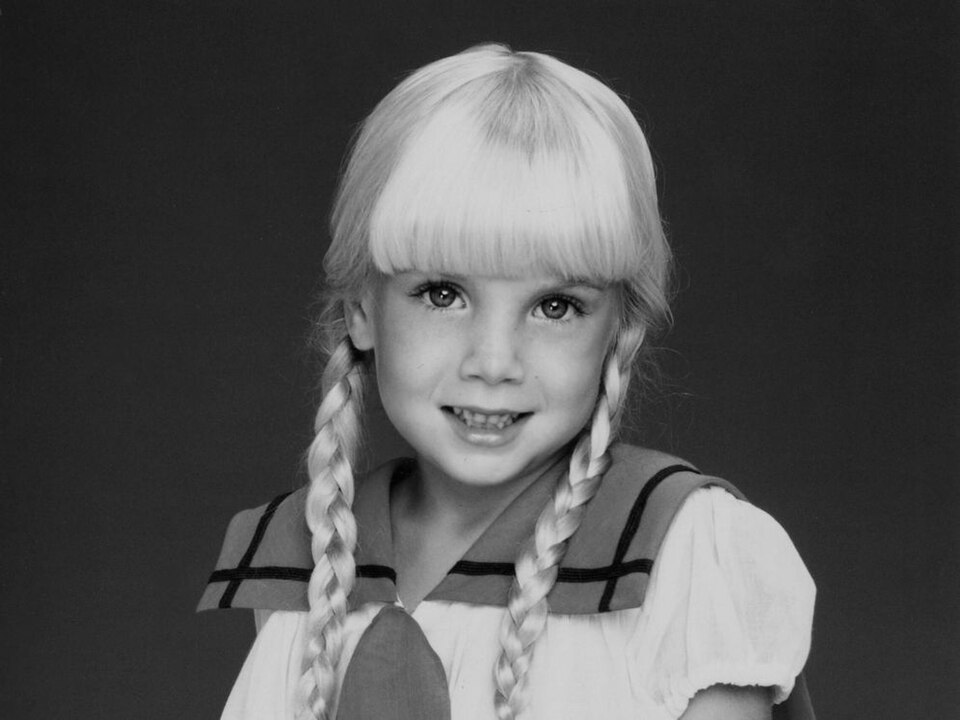
7. Heather O’Rourke, Poltergeist III
Heather O’Rourke’s death at 12 during production of Poltergeist III left the film with both creative and ethical complications. Director Gary Sherman later said he had not wanted to complete it, but the studio insisted the production move ahead.
A new ending was created, and a body double was used to replace O’Rourke in the material that could no longer be filmed. Sherman recalled the pressure bluntly, saying, “Look, either you finish this or we’ll get somebody to finish it for you.” The quote captures the colder side of unfinished final films: not only the ingenuity behind them, but the industrial insistence that they must still arrive.
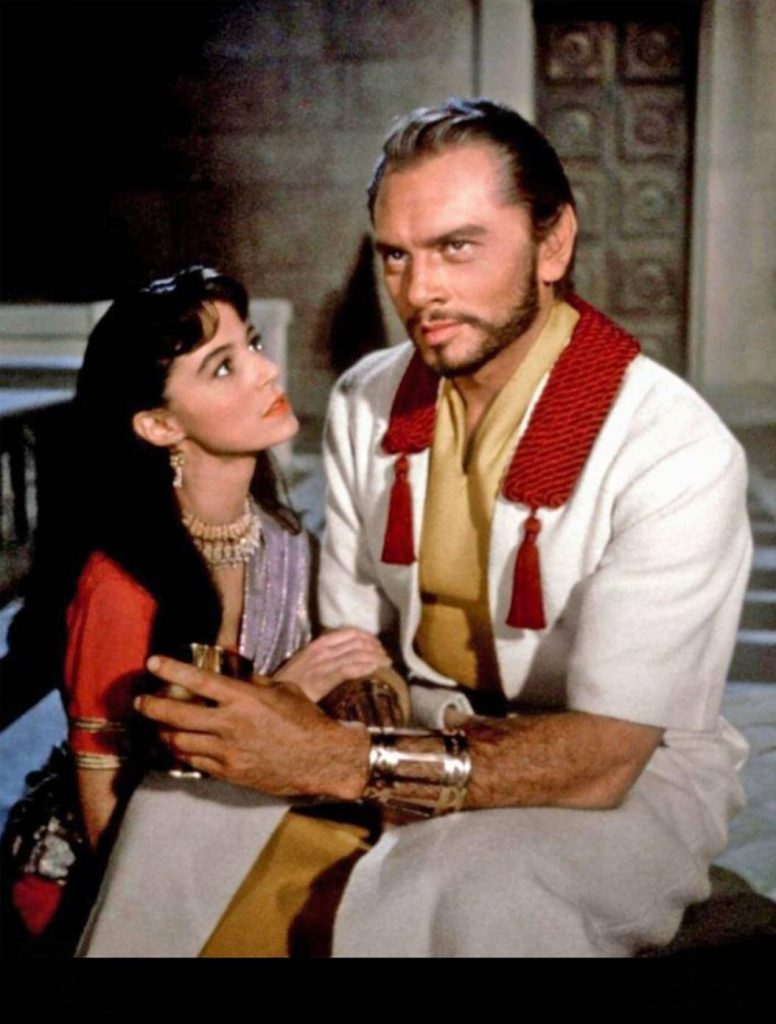
8. Tyrone Power, Solomon and Sheba
Tyrone Power Passed away after suffering a heart attack while filming a duel sequence for Solomon and Sheba. The production had already completed a substantial amount of footage, making the next step expensive no matter what path the studio chose.
In the end, Yul Brynner took over the role, and much of the material was reshot, though some long shots of Power remained in the finished picture. It was a more traditional fix than later digital interventions, but no less revealing. The film became a reminder that before visual effects could resurrect continuity, unfinished productions often survived through recasting, reshooting, and careful concealment.
These films endure for more than their circumstances, but the circumstances are impossible to separate from the viewing experience. A final role completed by dubbing, a body double, rewrites, or edited fragments leaves behind two narratives at once: the fiction on screen and the production story just behind it.
In that narrow space between performance and absence, Hollywood’s unfinished farewells have created some of cinema’s most poignant final impressions.