
Science fiction has never stayed neatly inside books, films, or streaming menus. It keeps leaking into everyday life through the language people use, the devices they expect, and the questions they ask about power, identity, automation, and the future.
That reach explains why the genre remains so durable. It entertains, but it also acts as a testing ground for social fears, technical ambitions, and moral gray zones long before those tensions arrive in ordinary conversation.

1. It turns impossible seeming tools into familiar goals
One of science fiction’s most durable effects is practical imagination. Stories often introduce a device, interface, or system before the wider culture has the materials or engineering to build it. Over time, those fictional ideas stop looking like fantasy and start resembling design prompts.
That pattern is visible in mobile phones, video calls, tablets, smart homes, and virtual reality, all of which appeared in speculative fiction well before they became ordinary consumer experiences. The appeal is not only prediction. Science fiction makes technology feel usable by placing it inside daily life, where characters rely on it, fear it, misuse it, or take it for granted.
2. It gives innovators a language for building the future
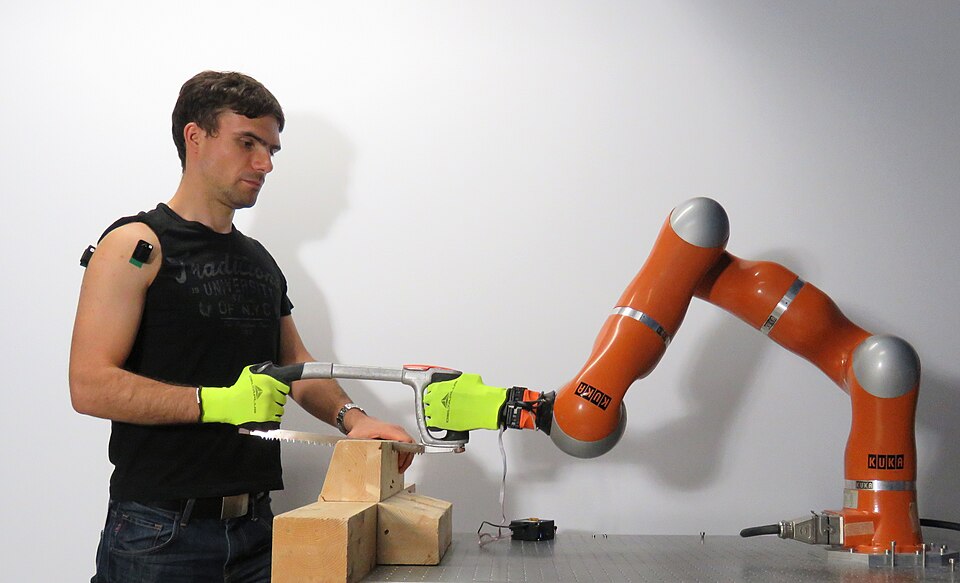
Researchers and designers do not only consume science fiction for fun. They use it to think through behavior, interfaces, and consequences. In the main article’s strongest hook, fictional communicators and wrist devices clearly echo today’s connected gadgets, but the deeper story is that speculative narratives help technical fields ask better questions.
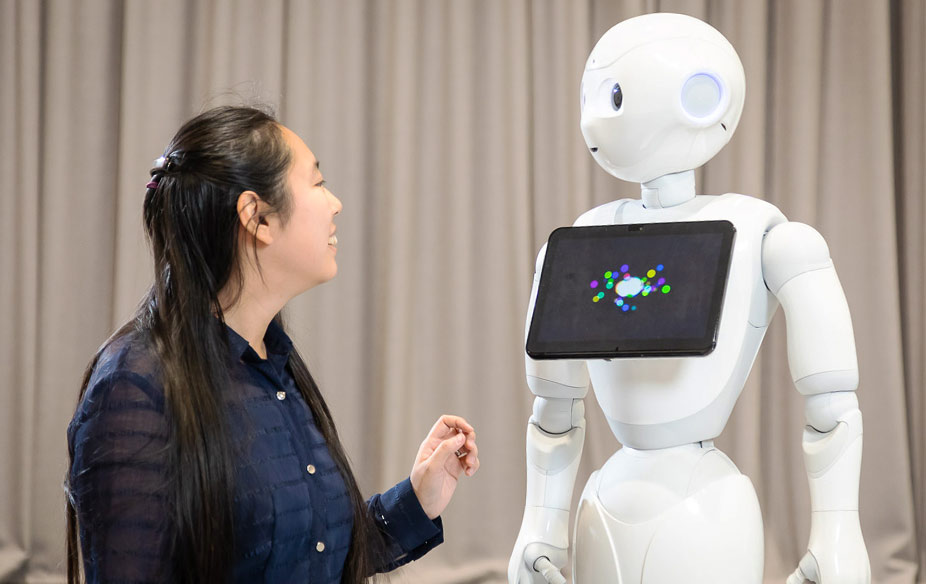
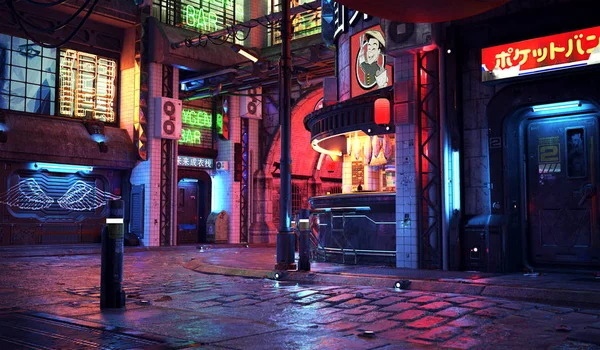
That influence now extends into human-machine interaction and augmented human research. Cyberpunk fiction, for example, helped shape conversations around remote presence, wearable systems, and body enhancing interfaces. In that sense, sci-fi does more than inspire invention; it helps frame what problems technology is supposed to solve.
3. It works as a pressure test for ethics
Science fiction repeatedly returns to a basic question: just because something can be built, should it be used in the same way it is imagined? That is why the genre stays relevant whenever artificial intelligence, surveillance systems, bioengineering, or networked infrastructure become part of ordinary life.
Isaac Asimov described science fiction as “that branch of literature which deals with the reaction of human beings to changes in science and technology.” That definition still holds because the genre rarely focuses on machinery alone. It follows the social shockwave after a breakthrough lands, and that is where many of its sharpest ethical debates begin.
4. It reflects a culture’s hidden anxieties with unusual clarity
Dystopias, alien encounters, ecological collapse, and corporate-controlled futures often feel extreme on the surface. Yet their staying power comes from how directly they translate present-day unease into dramatic form. Readers and viewers get distance from reality, but not escape from its themes.

Film scholar Annette Kuhn captured that function clearly: “few things reveal so sharply as science fiction the wishes, hopes, fears, inner stresses, and tensions of an era.” That is why stories about authoritarian control, environmental decline, or engineered inequality continue to cycle back into mainstream attention whenever societies feel unstable or over-engineered.

5. It keeps redefining what counts as intelligence
Artificial intelligence in science fiction is not limited to humanoid robots with expressive faces. A large body of work portrays AI as a partner, a background system, a network, a dependency, or an invisible layer of infrastructure shaping human choices. That wider view matters because it is closer to how AI operates in modern life.
A computational review of science-fiction portrayals found recurring roles for AI as social agents, nonhuman collaborators, and extensions of human ability. That framework broadens the conversation beyond the old image of a robot takeover. It brings attention to recommendation systems, automated decision-making, and connected environments that influence people without always appearing human at all.
6. It gives identity debates emotional force
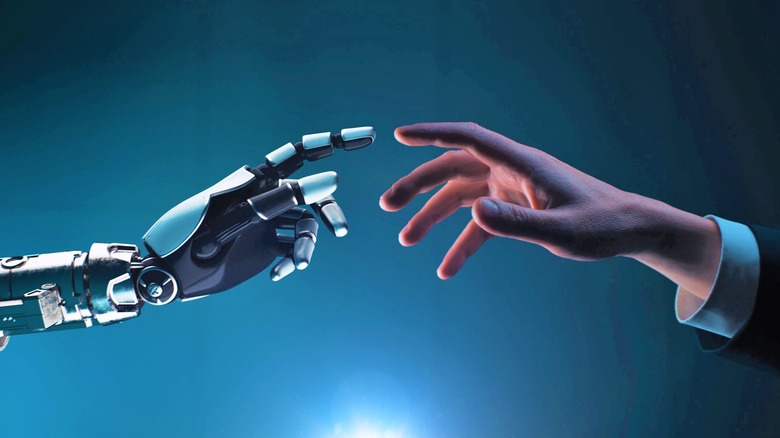
Some of the genre’s most lasting stories are not about spacecraft or gadgets. They are about belonging. Science fiction repeatedly asks who gets treated as fully human, who is excluded, and which bodies or minds are considered acceptable inside a system.
That is why stories like Blade Runner, The Handmaid’s Tale, and Afrofuturist works remain culturally powerful. They translate discrimination, bodily control, and contested personhood into memorable speculative settings. The result is not abstract commentary but emotional argument, carried through characters whose futures are shaped by rules that feel disturbingly recognizable.

7. It thrives because it never stays in one medium
Science fiction now moves easily across novels, prestige television, blockbuster film, gaming, comics, and online fandoms. That spread has widened the audience and changed how speculative ideas circulate. A concept introduced in one medium can be expanded, visualized, debated, and remixed across many others within a few years.
This cross-platform life keeps the genre fresh. It also gives modern audiences more entry points into the same big themes: climate pressure, algorithmic life, deepening automation, posthuman identity, and the search for more livable futures.

Science fiction endures because it is not really about tomorrow alone. It is a way of decoding the present while sketching the boundaries of what people are willing to build, tolerate, or challenge.
That is why its possibilities still feel endless. Every era changes the props, but the genre’s deeper work remains the same: making culture look at itself through the future tense.