

Long before social media turned kitchens, gardens, and table settings into public performance, Martha Stewart was already building a world around them. Her homes were never just addresses. They became workshops, archives, test gardens, and stages for the ideas that defined modern lifestyle culture.
That is what makes a look at her domestic spaces so enduring. Across farmhouses, summer estates, and city apartments, the through line has remained clear: careful restoration, disciplined organization, and a belief that everyday living deserves design attention.
1. Turkey Hill became the original laboratory
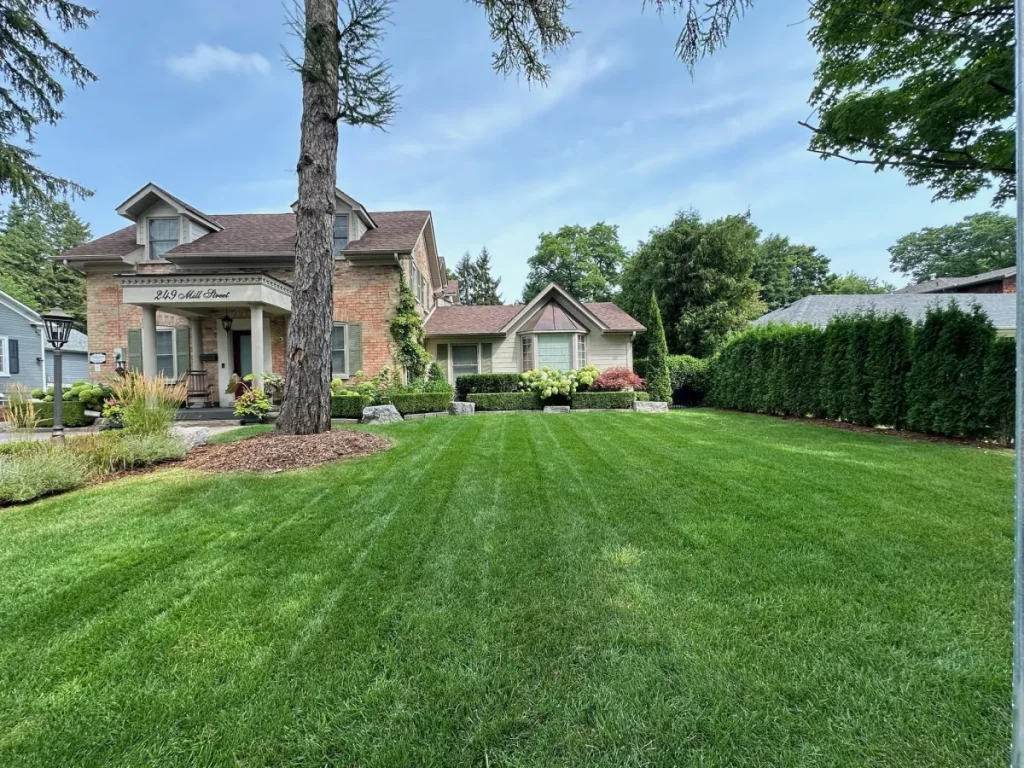
Martha Stewart’s story at home begins with Turkey Hill in Westport, Connecticut, a former farmstead she and Andrew Stewart bought in 1971. The 1805 house sat on modest land at first, but it steadily grew into the property most closely associated with her early image and ambitions. She later described it this way: “Turkey Hill was a dream place for my family and me for many years. It taught us, it nurtured us, it fed us, and it occupied us in so many wonderful and instructive ways.” The estate was more than scenic background. It was where restoration, gardening, cooking, and hosting first fused into a recognizable Martha Stewart point of view.
2. The kitchen helped launch a business
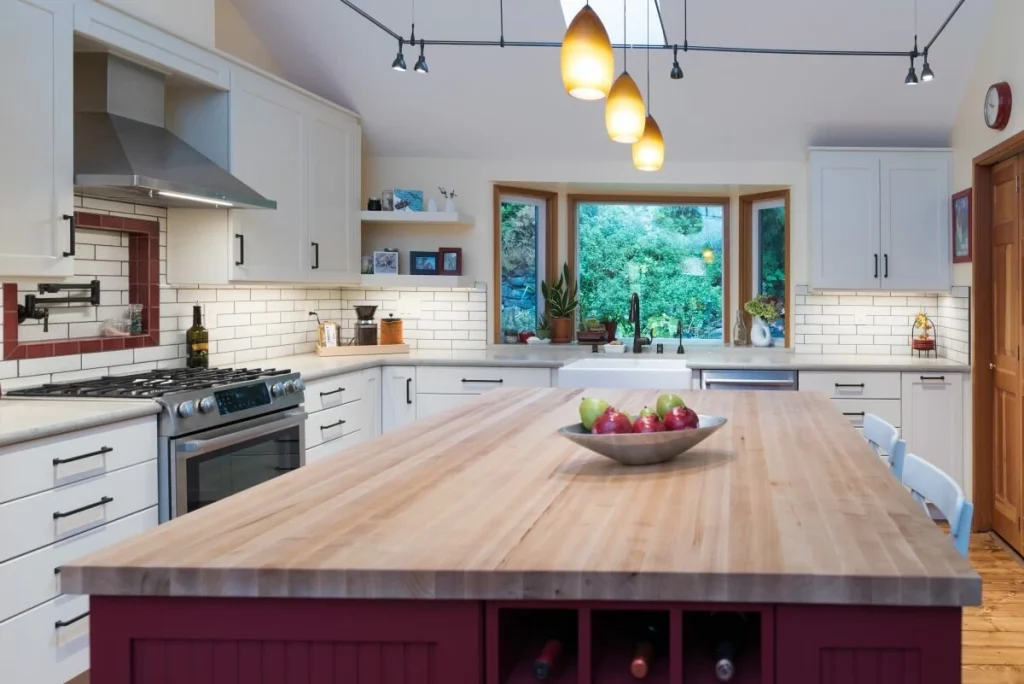
At Turkey Hill, the kitchen was not simply a charming room with period details. It was the engine behind a catering company that grew into her first major business and eventually led to her first book deal. One early version featured sycamore cabinets and a tag-sale pot rack, while a later renovation brightened the room with pale finishes and marble surfaces. The space reflected a lasting idea in Stewart’s homes: beauty had to work hard. Recipe testing, entertaining, storage, and presentation all had to coexist. That same practical emphasis still shows up in contemporary kitchen design, where islands, visible storage, and prep-centered layouts remain central, as seen in multifunctional kitchen planning.
3. Gardening was treated as structure, not ornament
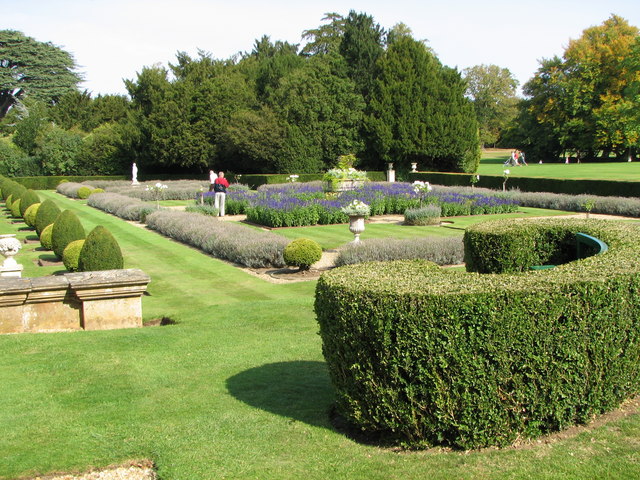
Stewart’s gardens were never framed as decorative afterthoughts. At Turkey Hill, she developed a philosophy built around order, sight lines, and what she called the “axis of vision,” an approach that treated the landscape almost architecturally. Her connection to the garden also began much earlier, in childhood, when her father taught the family to grow food and tend the land. In the Netflix documentary, she says, “Dad made each of us learn how to garden.” That discipline became one of the clearest signatures across every property she owned, from orchards and vegetable plots to formal beds and greenhouse spaces.
4. Animals were part of the domestic picture
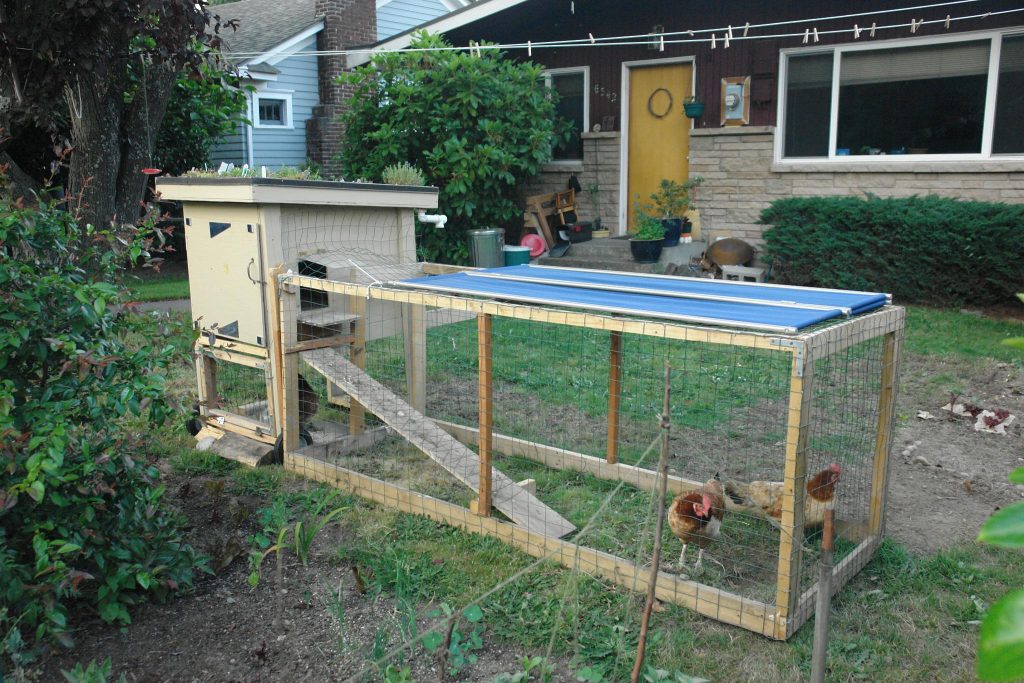
Chickens, geese, dogs, cats, horses, and other animals were not side notes in Stewart’s homes. They were part of the rhythm of how she lived. At Turkey Hill, she raised a wide mix of farm animals, and by later years in New York, her chicken keeping had expanded dramatically, with a greenhouse, barn, and chicken coop all part of the broader estate. Her affection for animals also carried a strong sense of routine and stewardship. Dogs like Paw Paw became familiar public companions, while Persian cats remained a constant presence indoors. The result was a domestic image that felt cultivated but still animated by living things.
5. Bedford Farm turned scale into a lifestyle system
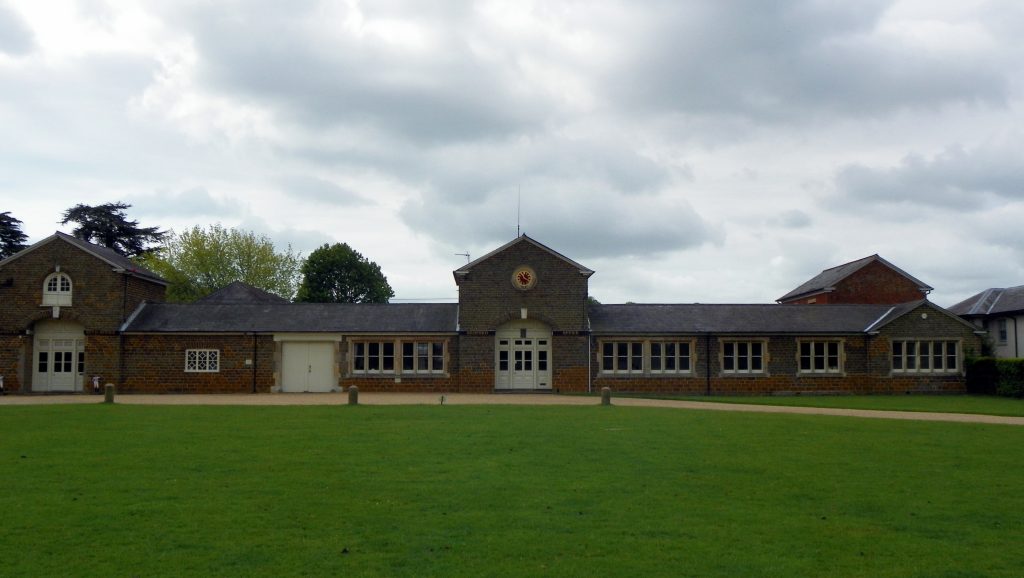
When Stewart moved to her 153-acre New York property in 2000, the scale changed, but the underlying habits did not. Bedford Farm, also called Cantitoe Corners, became her primary residence and a vast expression of the systems she had spent decades refining. This property includes multiple buildings, carriage roads, stables, gardens, and utility structures designed around work as much as leisure. During the pandemic years, she also rethought its interiors, noting that the house had been built more for entertaining than for daily comfort. That adjustment revealed something essential about her evolving approach: even the most polished home had to be edited to suit real life.
6. Skylands showed her talent for preservation
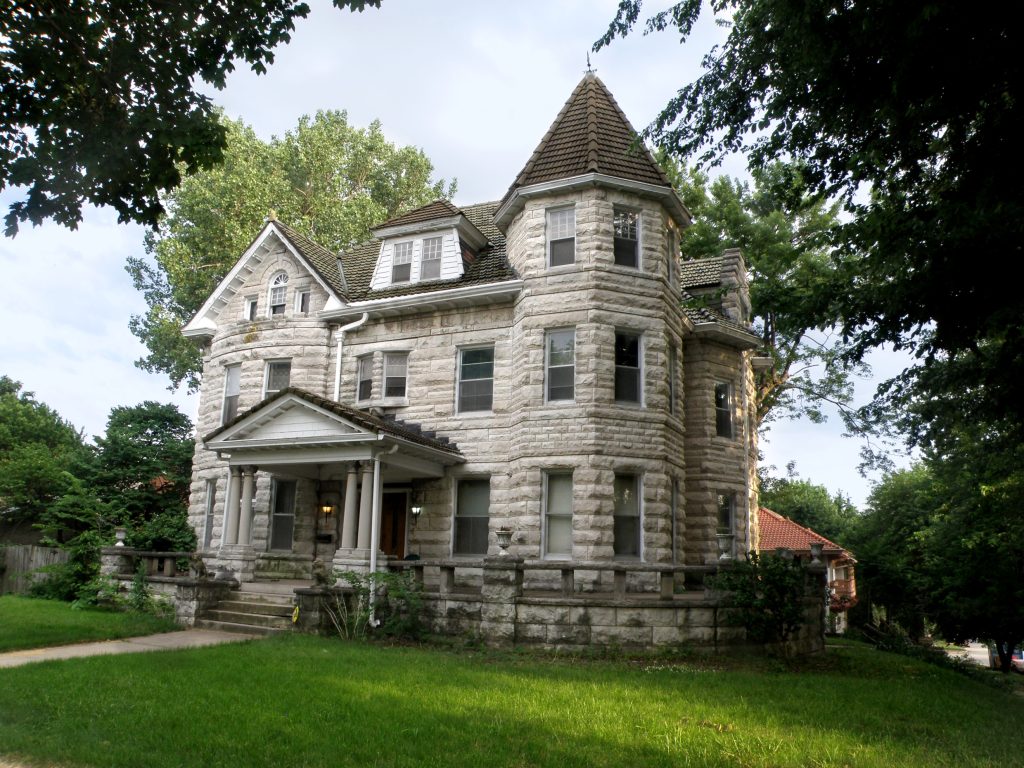
Her Maine estate, Skylands, introduced another side of her domestic identity. Built in the 1920s for Edsel Ford, the stone residence came with historical weight, original furnishings, and a setting near Acadia that demanded restraint rather than reinvention. Stewart once said, “I look at myself as the caretaker of an American treasure.” That sentence explains the house better than any inventory of rooms could. At Skylands, the focus shifted from building a brand vocabulary to protecting a legacy of architecture, craftsmanship, and place.
7. Even her greenhouse thinking reflects her aesthetic
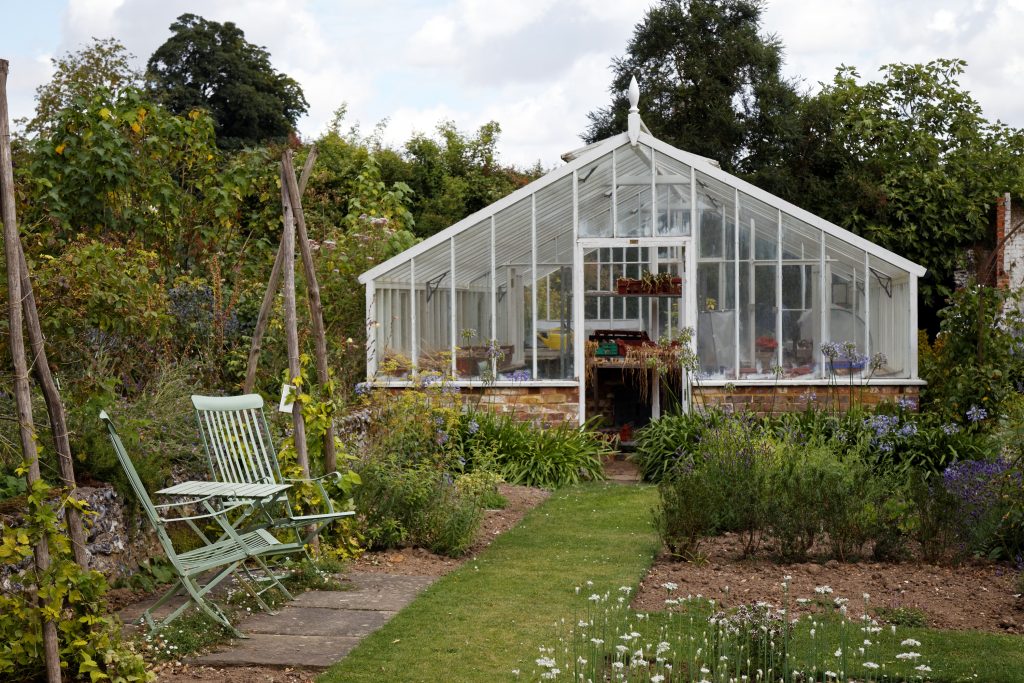
At her larger properties, greenhouse culture fits neatly into Stewart’s long-running blend of utility and atmosphere. Current greenhouse design trends emphasize classic forms, durable framing, strong light transmission, and year-round growing, including Victorian-style greenhouses, lean-to structures, and herb-forward planting plans. That approach mirrors the values visible throughout her homes: old-world craftsmanship, practical growing space, and visual order. It is not difficult to see why greenhouses remain such a natural extension of her world, where cultivation and display are rarely separated.

8. Her city homes proved the aesthetic was adaptable
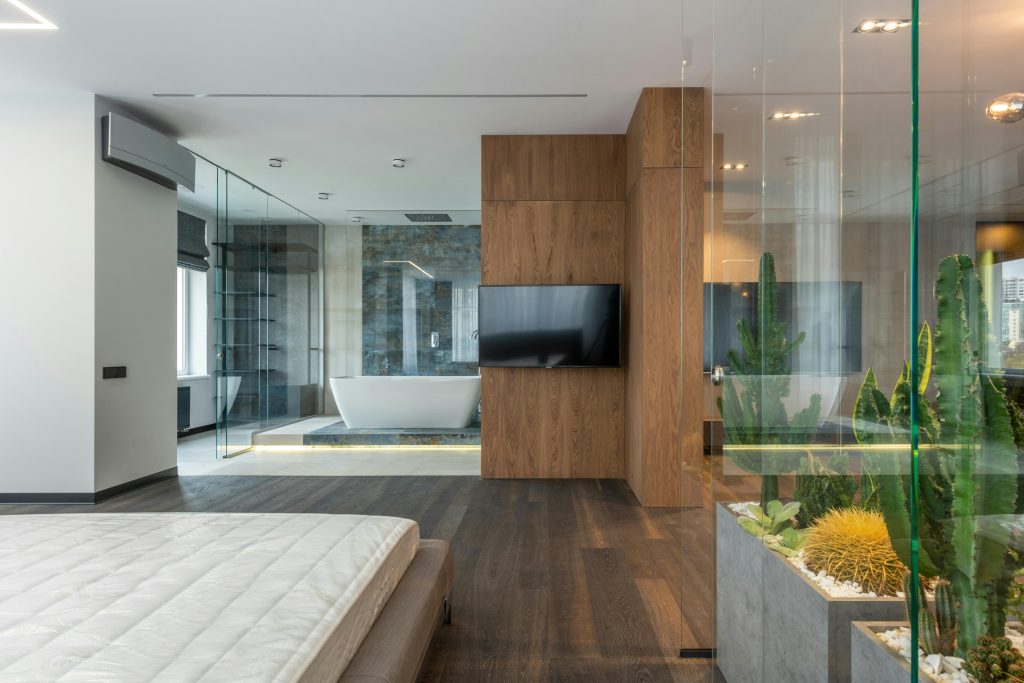
Stewart’s houses are often remembered for farms and estates, yet her urban properties add an important dimension. She owned a modern West Village duplex with stark white interiors and floor-to-ceiling glass, and in 2024 she purchased a six-bedroom Upper West Side unit with her daughter. These residences showed that her sensibility was never confined to rustic Americana. It could move into a contemporary apartment just as easily, provided the space supported order, elegance, and the rituals of everyday life.
Seen together, Martha Stewart’s homes read like a long study in how domestic space can shape public identity. Each address contributed something different: a test kitchen, a formal garden, a preserved estate, a working farm, a city refuge. What persists is the idea that home is an active practice. In Stewart’s world, it is built, planted, arranged, revised, and lived in with intention.


