
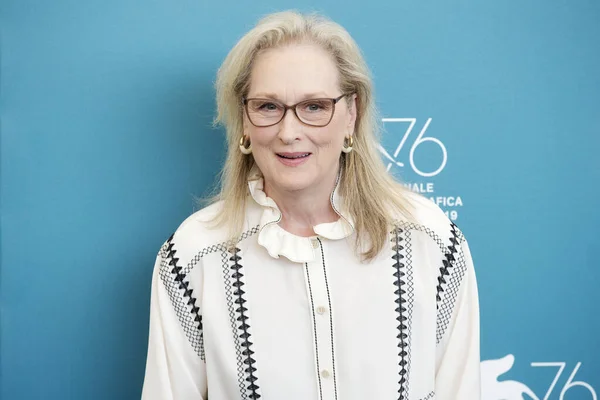
Meryl Streep’s career has never lacked prestige, but prestige alone does not explain staying power. The more revealing shift came when one role altered not just how audiences saw her, but how Hollywood used her.
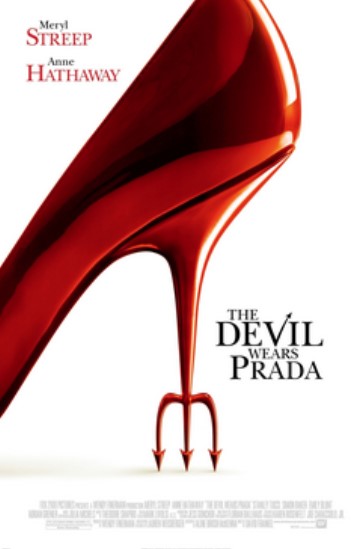
That role was Miranda Priestly in The Devil Wears Prada a part Streep nearly declined before the offer was doubled. In the years since, the performance has come to represent something larger than a hit film: a pivot from revered dramatic actress to a figure with renewed cultural and commercial force.
1. It arrived when her career needed a new lane
Before 2006, Streep’s reputation was formidable, but much of her late-1990s and early-2000s screen work had been grouped into serious maternal dramas. Film scholarship has noted that this period often narrowed her into sorrow-heavy roles rather than the more expansive, sharp-edged characters that had defined her best work. The Devil Wears Prada broke that pattern.
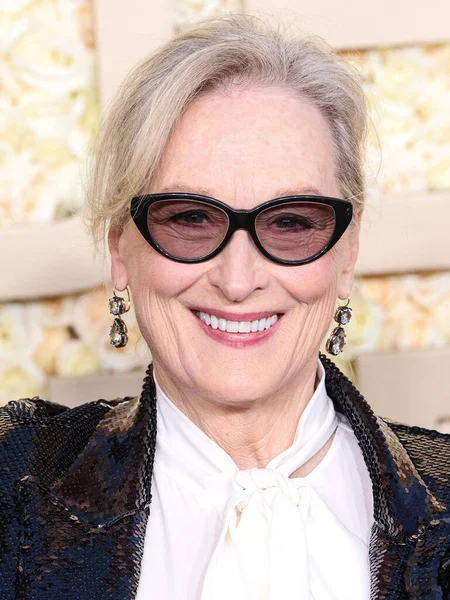
Instead of another suffering mother or solemn moral center, Streep stepped into a character built on command, froideur, wit, and control. That change mattered. It reopened the public image of Streep as not only technically brilliant, but vividly entertaining.
2. She had to fight for the part in more ways than one
The mythology around Miranda Priestly often suggests inevitability, as though no other actress could have played her. The reality was more complicated. Streep said the original salary proposal felt dismissive of what she would bring to the film.
In her words, “The offer was to my mind slightly, if not insulting, not perhaps reflective of my actual value to the project.” She added, “There was my ‘goodbye moment,’ and then they doubled the offer. I was 55, and I had just learned, at a very late date, how to deal on my own behalf.” The quote reveals why the role resonates beyond performance: it marked a moment of professional self-valuation as much as artistic reinvention.
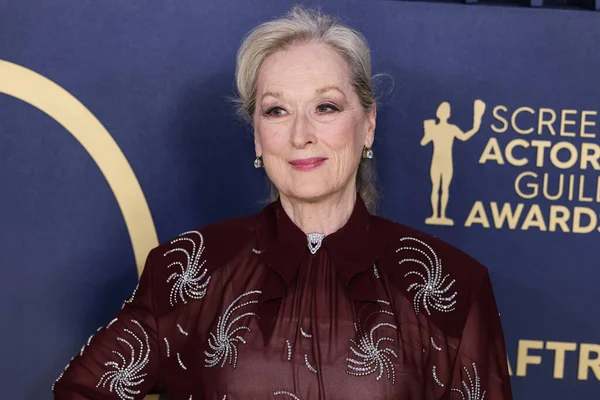
3. Miranda Priestly fit a pattern Streep had long understood
Across decades, Streep has repeatedly been drawn to difficult women figures who could easily be played as cold, remote, or punishing. Critics and scholars have observed that one of her signature gifts is making these women legible rather than merely intimidating. Miranda belongs squarely in that tradition.
She was not written or played as a simple villain. Streep gave the character stillness instead of explosion, precision instead of caricature. That choice turned Miranda into more than a tyrannical boss archetype; it made her a study in power, taste, loneliness, and professional ruthlessness. In that sense, the role did not abandon Streep’s earlier screen identity. It refined it for a new era.
4. The performance changed her commercial standing
Streep had already won Oscars and earned industry reverence long before 2006. What Prada supplied was a different kind of proof: broad box-office electricity. The Devil Wears Prada (2006) is widely treated as a key work in her career renaissance, and its success helped reposition her within mainstream studio filmmaking.
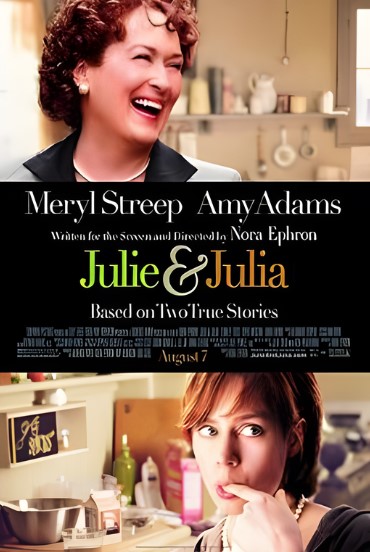
That mattered because it fed directly into the next phase. After Miranda came a run of films that mixed critical prestige with major audience reach, including Mamma Mia!, Julie & Julia, and It’s Complicated. The shift was not temporary; it became a durable second act.
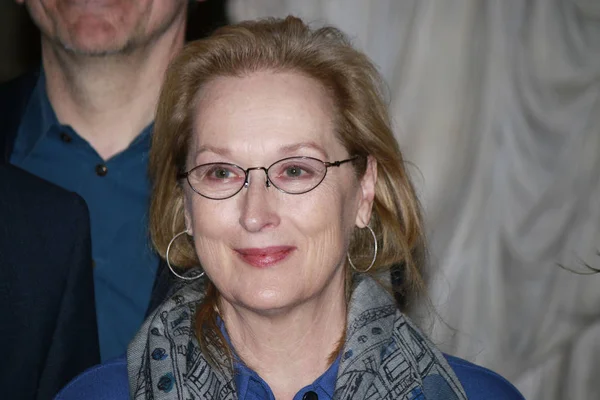
5. It proved comedy was central to her reinvention
Streep had done comedy before, but Miranda Priestly showcased a cooler, more exacting form of comic control. The humor came from timing, restraint, and the devastating elegance of understatement. A glance could land harder than a monologue.
That tonal confidence would become crucial to the films that followed. Commentators tracing her filmography have pointed out that the 2000s marked the period when Streep’s comedy became newly approachable and commercially magnetic, helping turn admired performances into enduring popular favorites. Miranda was the bridge.
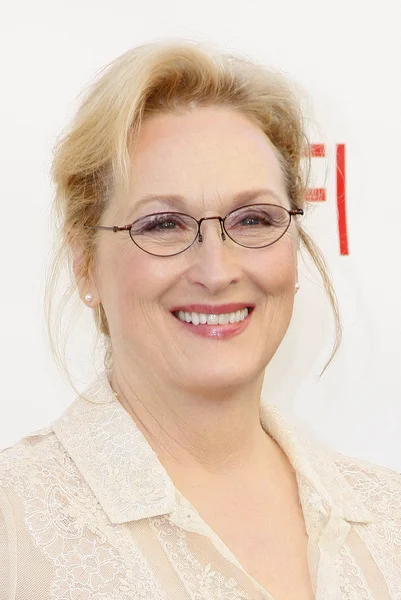
6. The role expanded her image without sacrificing her craft
One reason the performance lasted is that it never asked Streep to become less exacting in order to become more accessible. She remained the actor known for transformation, control of voice, and acute behavioral detail, qualities long associated with her command of dialects and technical precision. But Miranda reframed those traits in a glossy, contemporary, highly quotable package.
It was a rare fusion. The performance pleased audiences who wanted glamour and bite, while also satisfying viewers who look to Streep for psychological design. The result was not just a beloved character, but a strategic recalibration of star image.
7. Its legacy still defines how her midcareer shift is remembered
Looking back, Miranda Priestly now reads as the hinge between two public versions of Meryl Streep. Before it stood the towering dramatic legend. After it came the artist who could move effortlessly between prestige, popular comedy, musicals, and late-career scene-stealing. That is why the role feels quietly transformative rather than loudly revolutionary. It did not invent Streep’s gifts. It simply placed them in a form that reminded the industry and the audience how many rooms she could still dominate.
For a performer already considered one of the greats, that kind of shift is unusual. The role did not build the career; it redirected it. And that may be the most lasting explanation for Miranda Priestly’s place in the Streep canon: not as a detour, but as the moment an already historic career found a sharper, more modern rhythm.


