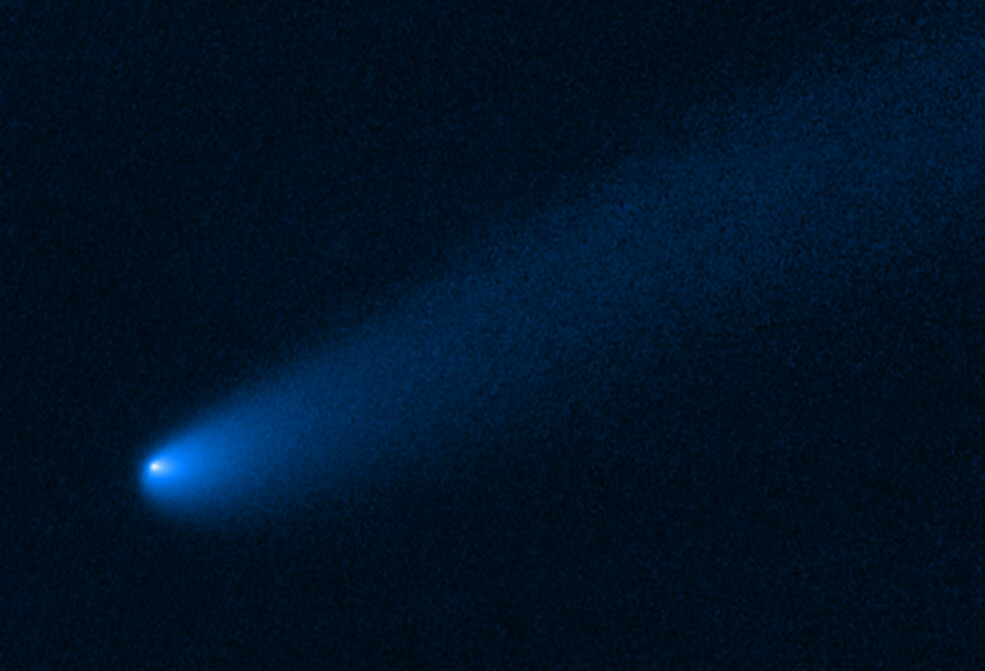
The passage of 3I/ATLAS has become more than a story about an unusual object crossing the Solar System. It has also exposed a deeper tension between institutional certainty and public expectations for open scientific inquiry.

Only the third known interstellar object ever detected, 3I/ATLAS arrived with enough unusual features to attract scrutiny from astronomers, planetary-defense specialists, and a wider audience that increasingly expects space agencies to explain not only what they know, but also what they do not yet know.
1. Its trajectory sparked questions that did not fade quickly
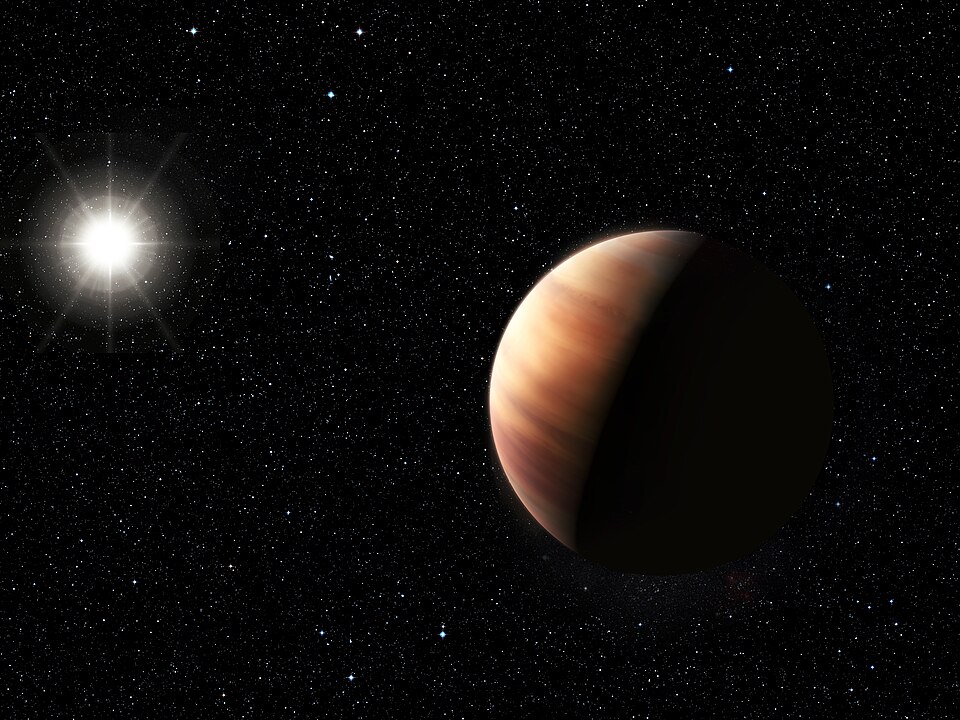
The strongest pull of the 3I/ATLAS debate is simple: its path appeared unusual enough to keep multiple interpretations alive. Avi Loeb has argued that the object shows 13 documented anomalies relative to familiar comets, including an exceptionally close geometric relationship to Jupiter’s Hill radius. In his framing, the point is not that a technological explanation has been proven, but that anomalies deserve direct examination rather than rapid closure.
That argument gained attention because trajectory questions are not abstract. Orbital details determine where telescopes point, how future observations are planned, and whether a passing object becomes a fleeting curiosity or a fully investigated case study.
2. Better tracking showed how much precision still matters
European Space Agency teams improved the predicted location of 3I/ATLAS by 10 times after combining Earth-based observations with data gathered from Mars orbit. The result, described by ESA as a valuable test case for planetary defence, demonstrated how much orbital certainty can change when observations come from a second vantage point in space.
That technical achievement matters beyond this one object. It showed that interplanetary spacecraft not built for comet hunting can still sharpen predictions, reduce uncertainty, and help scientists aim instruments more effectively while a fast-moving object is still within reach.

3. The public trust issue became bigger than the object itself
Loeb’s central complaint has not been limited to orbital mechanics. He argues that institutions risk alienating the public when they present a settled answer while bypassing open discussion of unresolved details. His warning is blunt: “Excluding the anomalies from the vocabulary of NASA officials alienates the public, because it violates the scientific declaration of independence.”

That line resonated because modern audiences are not passive consumers of science. Amateur observers, data analysts, and non-specialist readers increasingly follow raw imagery, orbital updates, and spectroscopy. When an agency appears more confident than the available public record seems to justify, the credibility problem can spread faster than the underlying science.
4. Planetary defense adds a practical reason to take odd cases seriously
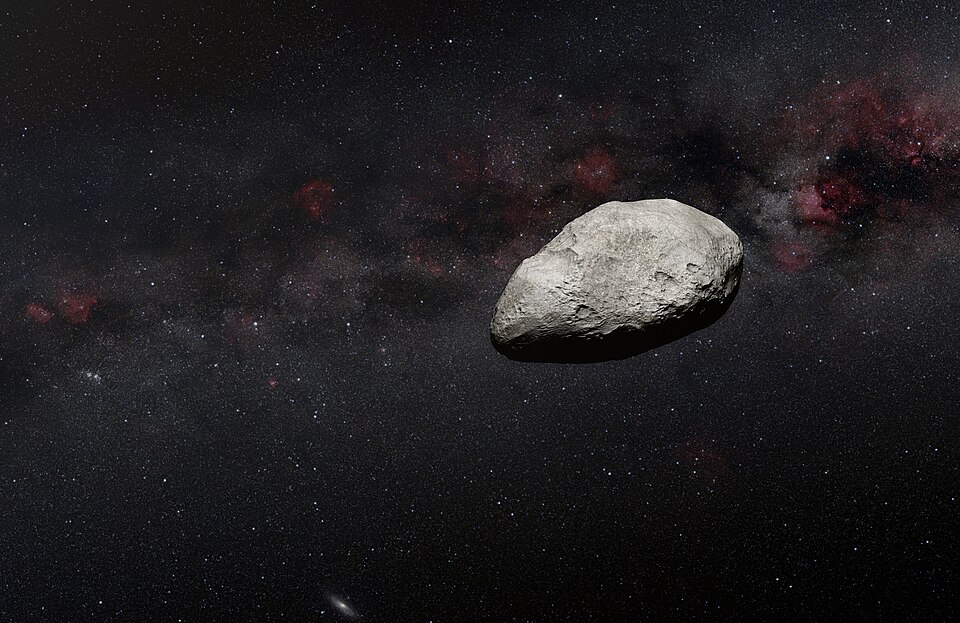
Even when 3I/ATLAS itself was described as posing no danger, the larger setting made the debate harder to dismiss. NASA’s own oversight record shows planetary defense remains important but stretched, with the Planetary Defense Coordination Office operating under limited staffing and resources. The agency’s inspector general has also noted that NASA remains about 45 percent shy of the congressional goal to identify 90 percent of larger near-Earth objects.
That context changes the tone of the conversation. An unusual object is not only a puzzle for astronomers; it is also a rehearsal for how institutions communicate uncertainty when the public is paying close attention.
5. Data access became part of the controversy
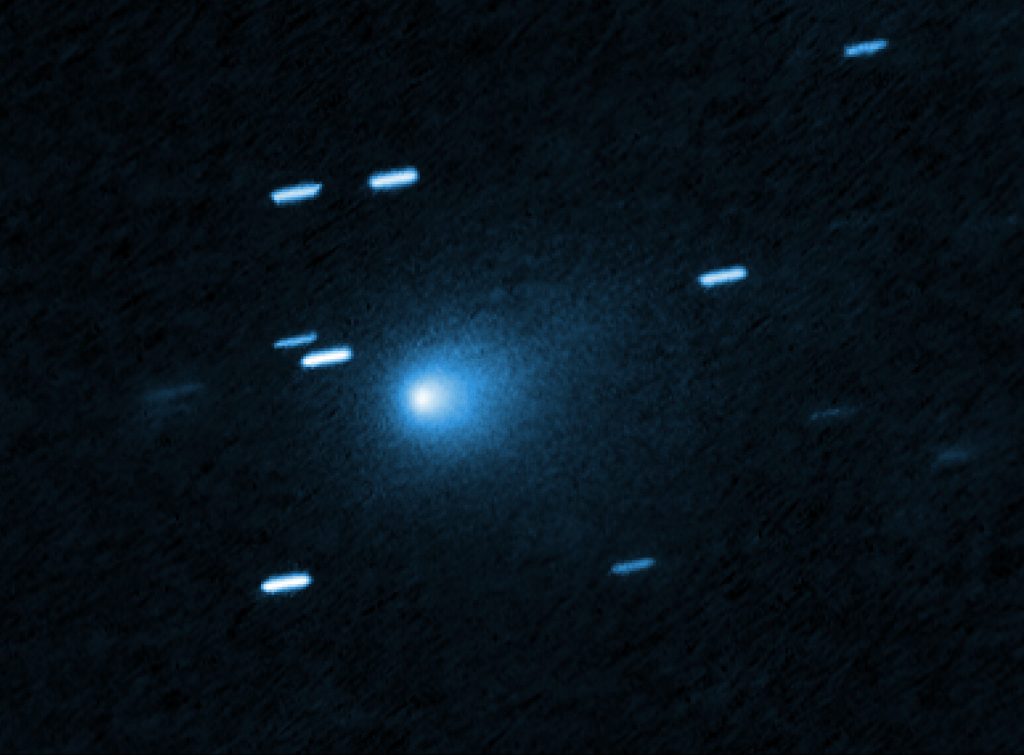
A major source of friction has been the perception that some potentially useful imagery was slow to reach the public. Claims circulated that high-resolution observations of 3I/ATLAS existed but had not been released, feeding debate over whether delays reflected ordinary calibration workflows, internal review, or a more cautious communications strategy. Regardless of the reason, the gap between observation and public access became a story in its own right.
This is where trust often shifts. Researchers can disagree over interpretation without much damage. Suspicion grows when the outside world believes the evidence trail is incomplete.
6. The object also became a quiet lesson in scientific humility
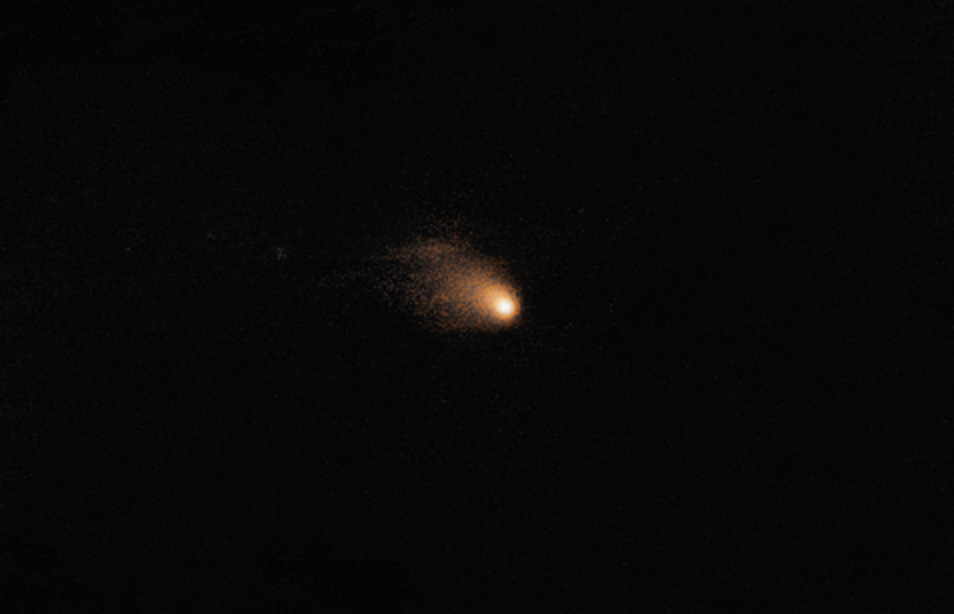
ESA’s Mars-based tracking, spacecraft imaging from JUICE, and continued observing campaigns all underscored the same point: rare interstellar visitors are difficult to study well, and every new angle can change the picture. A new image from JUICE highlighted the comet’s coma and tail after perihelion, reinforcing that even visually familiar features do not end the scientific discussion.
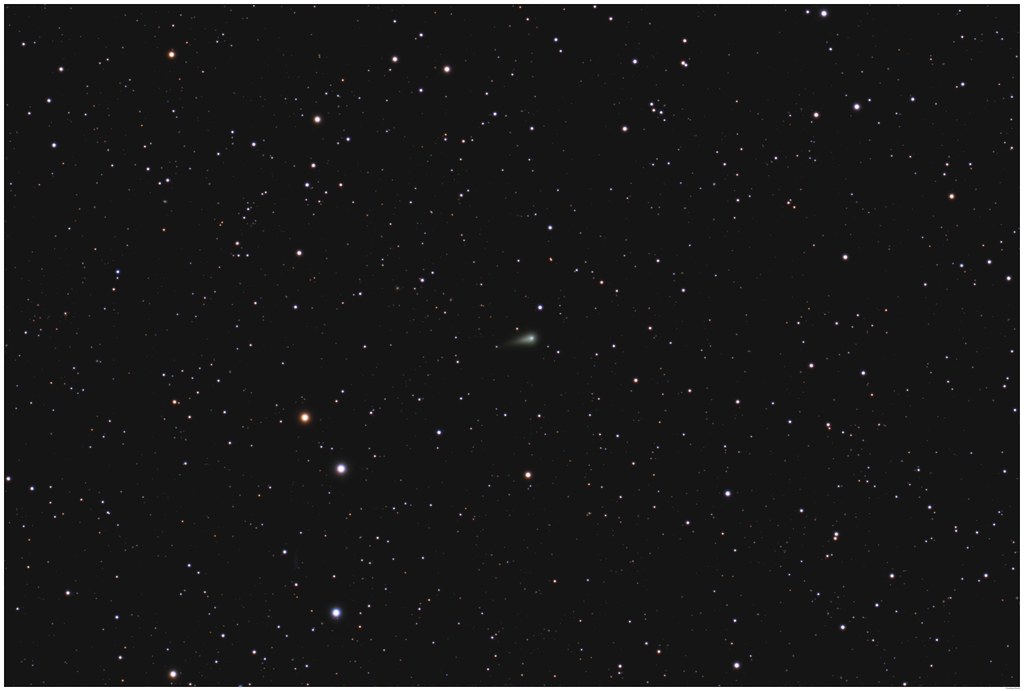
That is the healthier frame for 3I/ATLAS. The object did not merely test whether it was a comet or something stranger. It tested whether scientific institutions can acknowledge uncertainty in public, pursue anomalies without embarrassment, and treat transparency as part of the method rather than as an afterthought.
In that sense, the deepest issue around 3I/ATLAS has never been only what crossed into the Solar System. It has been whether openness keeps pace with discovery.