
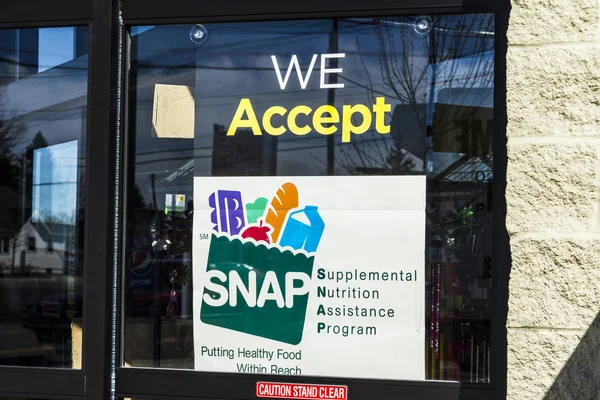
Millions of households that use SNAP are entering a period of uneven rules at the checkout line. Across the country, states are narrowing which drinks, candy, and other sweet items can be bought with food benefits, and the details no longer look the same from one state to the next.
The shift is broad. Twenty-two states now have approved waivers, and the rollout stretches from early 2026 into 2028. For shoppers, the biggest pattern is clear: soda and candy are the most common targets, but some states reach further into energy drinks, prepared desserts, juice drinks, or other taxable foods.
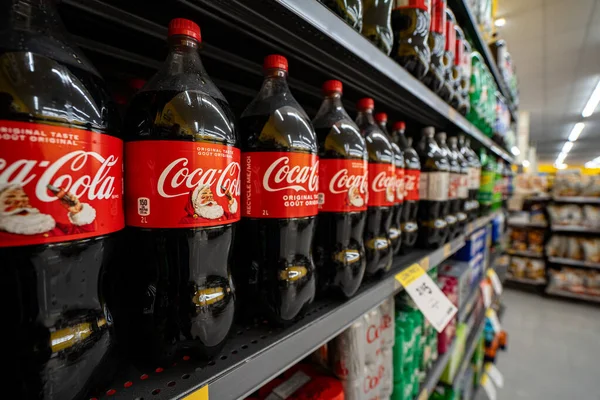
1. Soda is the main item being removed
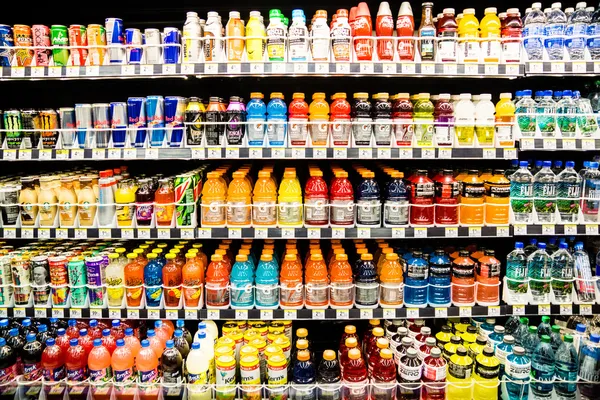
The most consistent change is the loss of soda eligibility under SNAP. States including Arkansas, Colorado, Hawaii, Indiana, Kansas, Louisiana, Nebraska, North Dakota, Oklahoma, Utah, and West Virginia all center their new rules on soft drinks or similar beverages. In several cases, the language goes beyond classic cola and includes sweetened or carbonated beverages more broadly.
That shared focus has turned soda into the clearest marker of the new policy era. In some states, the rule is simple enough for shoppers to recognize quickly. In others, the definition depends on sugar content, carbonation, juice percentage, or whether milk is involved.
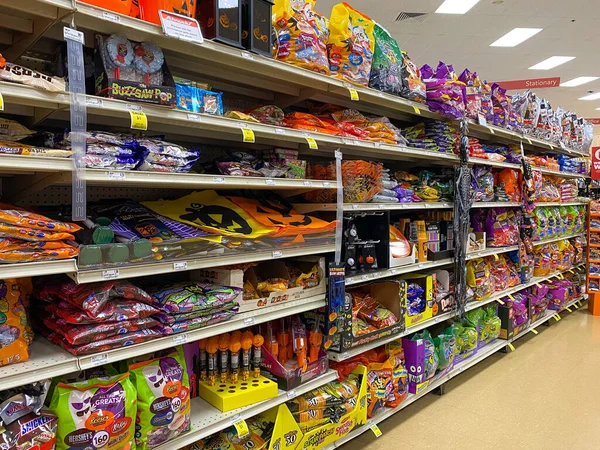
2. Candy bans are spreading almost as widely
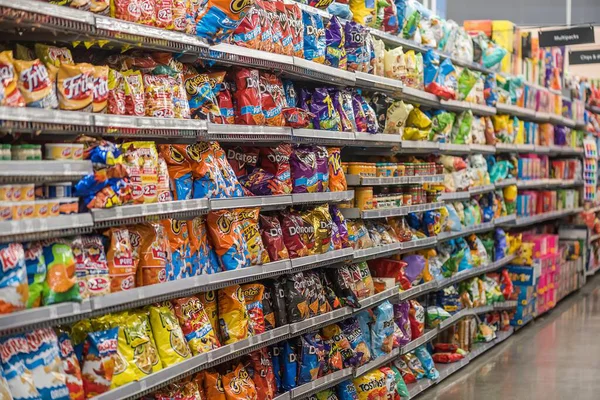
Candy is the other item category showing up again and again. Florida, Idaho, Indiana, Kansas, Louisiana, Missouri, Nevada, North Dakota, Oklahoma, South Carolina, and Texas are among the states restricting it, though the definition is not uniform.
Some states treat candy as sugar-or chocolate-based confections. Others carve out exceptions for refrigerated items or baked goods. That means a shopper could find one sweet item blocked while another remains eligible, even in the same store aisle.
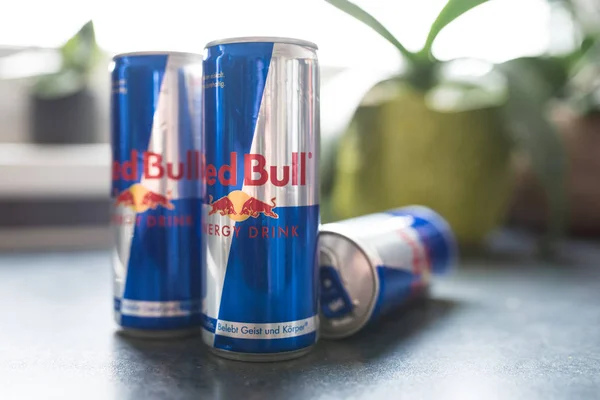
3. Energy drinks are included in several states
The changes are not limited to soda. Florida, Louisiana, Nebraska, North Dakota, South Carolina, and Virginia include energy drinks or stimulant-containing beverages in their restrictions, adding a category that often sits close to sports drinks and flavored beverages on store shelves.
This matters because the line between beverage types is not always obvious at a glance. Some state rules refer to stimulants such as caffeine or taurine, while others rely on broader labels like sweetened beverages or unhealthy drinks.
4. A few states go beyond drinks and candy
Some of the most expansive rules move past the standard soda-and-candy formula. Florida adds prepared desserts. Missouri includes prepared desserts and certain unhealthy beverages. Tennessee applies restrictions to some processed foods and drinks. Iowa stands out most because it ties eligibility to all taxable food items under state rules, a category that can sweep in products such as gum, candy-coated items, vitamins, minerals, and some juice drinks.
That wider scope can make the policy harder to understand before a shopping trip begins. The result is less about one forbidden item and more about a changing definition of what counts as an approved grocery purchase.
5. The rollout dates are spread over three years
Not every shopper is seeing the same timeline. Some restrictions began on January 1, 2026, in states such as Indiana, Iowa, Nebraska, Utah, and West Virginia. Others arrive later in 2026, including Arkansas on July 1, South Carolina on August 31, and Ohio on October 1.
The rollout continues even longer in a few places. Kansas and Wyoming start in 2027, while Nevada does not begin until February 1, 2028.
6. Definitions now change from state to state
This is where the new system becomes more complicated. Colorado defines soft drinks differently from Hawaii. Texas uses a threshold for added sugar in sweetened drinks. Virginia excludes several beverages that many shoppers might assume are affected, while South Carolina exempts some hydration and nutrition products.
A law professor quoted in national coverage described the result as “compliance chaos” for retailers operating across multiple states. Different checkout rules, software updates, and staff training needs are becoming part of the rollout.
7. Retailers and shoppers may face confusion at the register
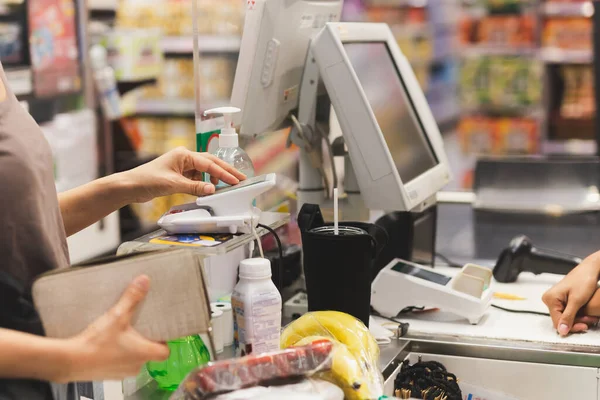
The practical challenge is not only what is banned, but how clearly the ban is communicated. In several states, public descriptions rely on broad phrases such as unhealthy drinks, sweetened beverages, or taxable foods rather than a shelf-ready list of products.
That concern has already been raised by anti-hunger advocates. FRAC wrote, “The items list does not provide enough specific information to prepare a SNAP participant to go to the grocery store.” For households trying to budget tightly, uncertainty at checkout can be as disruptive as the rule itself.
8. The policy marks a major break from past SNAP practice
For decades, SNAP rules were far more uniform nationwide. A broad range of grocery items counted as eligible food, with long-standing exclusions such as alcohol, tobacco, and hot prepared foods. The new waivers represent a significant departure because states are now testing restrictions on categories that had widely remained eligible.
That shift affects a very large population. The program served about 42 million people monthly in the 2024 federal fiscal year, according to the USDA, and the waivers are being approved through the department’s pilot project authority.
The map of SNAP shopping rules is becoming more fragmented, not less. For many households, the biggest takeaway is simple: what an EBT card covers in one state may no longer match what it covers in another.
As implementation continues through 2028, the most important details remain the item definitions, the start date, and the state where the purchase happens.


