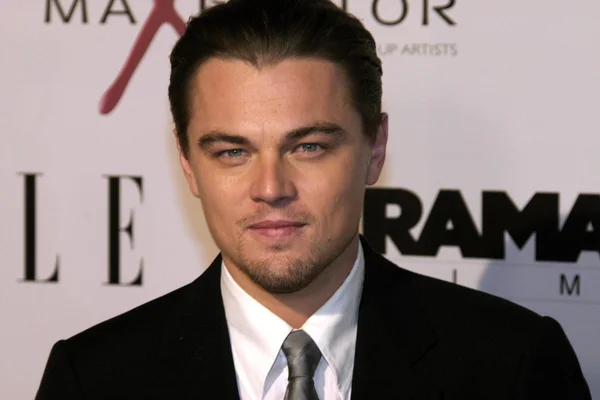
Fame often draws attention to premieres, awards and headlines, but a different legacy tends to last longer. Some Hollywood figures have spent decades using visibility, money and influence to widen access to books, healthcare, education and dignity.
This list looks at stars whose humanitarian work became part of their public story without depending on publicity alone. Their efforts range from global advocacy to deeply personal projects rooted in childhood, family and lived experience.

1. Dolly Parton
Dolly Parton’s charitable record stands out for its scale and consistency. Her most widely recognized project, the Imagination Library, was created to send free books to young children, inspired in part by her father’s inability to read. The program has distributed over 270 million books, turning a personal family story into one of the most far-reaching literacy efforts associated with any entertainer. Her impact also extends beyond reading. Through the Dollywood Foundation and related initiatives, she has supported education, research and local employment in Tennessee, showing how regional investment can become part of a humanitarian legacy.

2. Angelina Jolie
Angelina Jolie built one of the most sustained humanitarian profiles in modern Hollywood. She dedicated more than 20 years to service with the United Nations High Commissioner for Refugees, including time as Goodwill Ambassador and later Special Envoy, combining celebrity attention with long-term advocacy. Her work was not limited to a title. She also co-founded the Maddox Jolie-Pitt Foundation and supported a broad range of causes with significant donations, creating a public model of celebrity humanitarianism centered on endurance rather than occasional appearances.
3. Oprah Winfrey
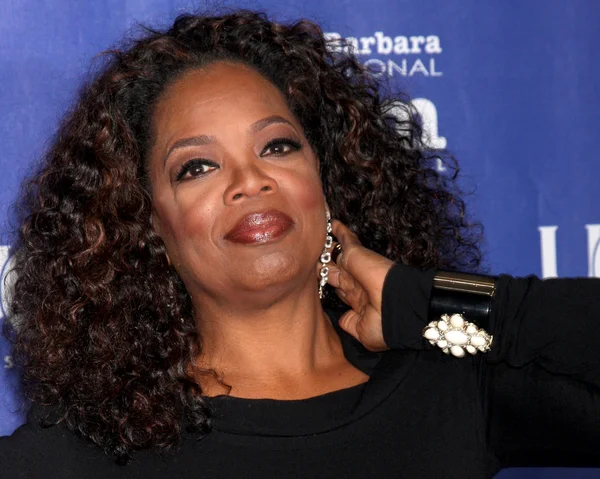
Oprah Winfrey’s philanthropy has long matched the scale of her cultural influence. Reports cited in the reference material place her giving at at least $400 million through her foundation, supporting disaster relief, museums and child-focused causes. That breadth matters. Her charitable identity has never been attached to one single campaign, but to a pattern of large, steady commitments that moved across education, community support and preservation.
4. Paul Newman
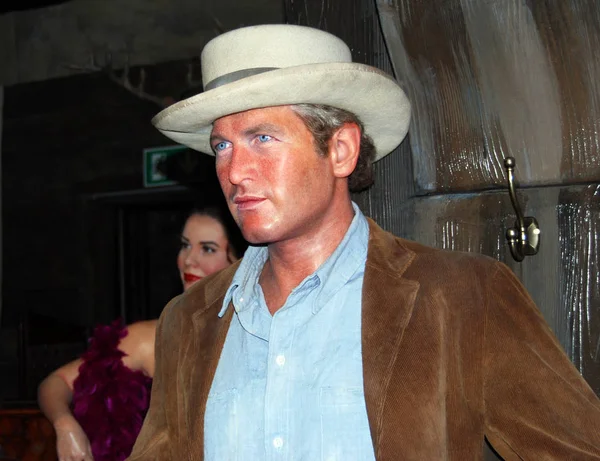
Paul Newman created a rare philanthropic structure through Newman’s Own, a food company built around a simple principle: profits would go to charity. According to the reference material, the foundation has donated over half a billion dollars, with children’s causes among the major beneficiaries. That approach made generosity part of the business model itself. It also helped define Newman as a figure whose humanitarian contribution remained active well beyond his film career.

5. Audrey Hepburn
Audrey Hepburn’s later years were shaped less by old Hollywood glamour than by humanitarian service. She served as a UNICEF Goodwill Ambassador, and her name also appears in the broader record of UNICEF goodwill ambassadors, reflecting her formal role in advocating for children. She traveled on behalf of UNICEF and helped bring attention to children living in severe hardship. For many admirers, that chapter became just as central to her legacy as Breakfast at Tiffany’s or Sabrina.

6. Rihanna
Rihanna’s Clara Lionel Foundation, founded in 2012 and named for her grandparents, focuses on education and emergency preparedness and response. The work gives her philanthropy a practical structure, supporting communities through both long-term opportunity and urgent need. Its reach has made her more than a celebrity donor. She became associated with a modern form of humanitarian work that blends disaster response with investment in systems that improve daily life.
7. Lady Gaga
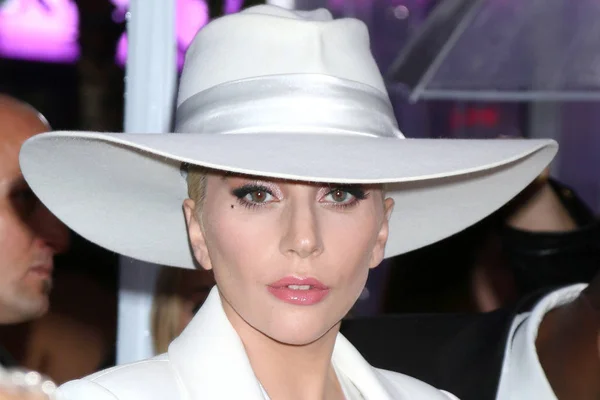
Lady Gaga co-founded the Born This Way Foundation in 2011 with her mother, with an emphasis on kindness and mental health support for young people. The organization’s work, as described in the reference material, included support for more than a thousand causes and over $5 million given away in one year to youth and mental health charities. That focus on emotional wellbeing gives her philanthropy a distinctive place in this list. Rather than staying at the level of awareness, the foundation has been tied to direct funding and support structures for vulnerable young people.

8. Matt Damon
Matt Damon helped co-found Water.org in 2009, linking his name to one of the most essential human needs. The organization has helped more than 50 million people gain access to safer water and sanitation, according to the reference material. His motivation was also framed in deeply human terms. Recalling a visit to Zambia, he told TIME, “She was talking about her future, and what she was going to do, and I really connected because I remember being a teenager and the way Ben [Affleck] and I talked about how we were going to move to New York or L.A. to become actors and that real excitement of that age.” He added that access to a nearby well made the difference between survival and possibility.
9. Leonardo DiCaprio
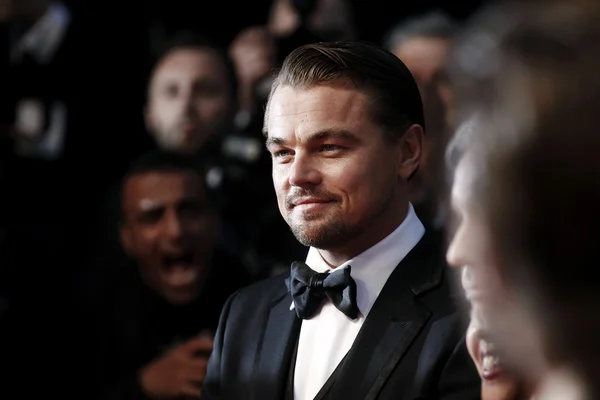
Leonardo DiCaprio’s humanitarian reputation has been built largely through environmental philanthropy. His foundation has awarded more than $80 million in grants across 50 countries, while separate conservation pledges supported major biodiversity efforts, including work tied to the Galápagos Islands. That record places him in a category of celebrities whose giving intersects with planetary health. Environmental protection, species conservation and long-horizon funding became central to his public service identity.

10. George Michael
George Michael’s philanthropy was often described through stories that surfaced quietly rather than through campaigns centered on him. The reference material notes public acts such as donating royalties from “Last Christmas” to famine relief, alongside private gestures that only became widely known after his death. That combination gave his generosity a different texture. It was visible enough to matter, yet personal enough to feel intentionally unadvertised.
What connects these figures is not a single cause or style. Some built foundations, some funded institutions, and some attached their names to global advocacy networks while others preferred acts that stayed out of frame. Together, they show that humanitarian influence in Hollywood has often been most powerful when it created something durable: books in homes, water in communities, support for children, and resources that kept working long after the cameras moved on.