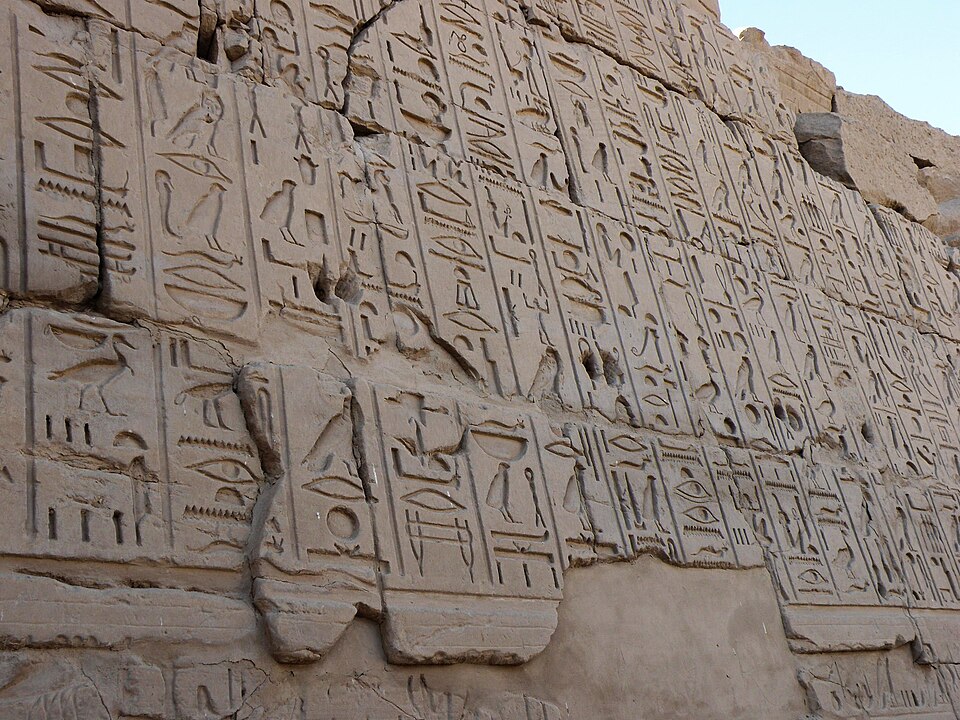
Egypt’s oldest texts do not present a neat confirmation of the book of Exodus, nor do they leave the subject untouched. Instead, they preserve fragments of political crisis, religious conflict, expelled outsiders, and memories of Levantine groups moving between Egypt and Canaan. Read together, those records show why Moses and early Israel remain part of a much older debate than modern headlines suggest.
The most revealing evidence comes from Egyptian royal inscriptions, a massive papyrus, and later retellings preserved by classical writers. None of them reads like the Bible. Yet several contain themes that sound strikingly familiar: foreign groups inside Egypt, silver and gold changing hands, hostility to Egyptian cult, and a leader remembered as both insider and outsider.
1. Egypt’s records speak about upheaval, not a biblical exodus narrative
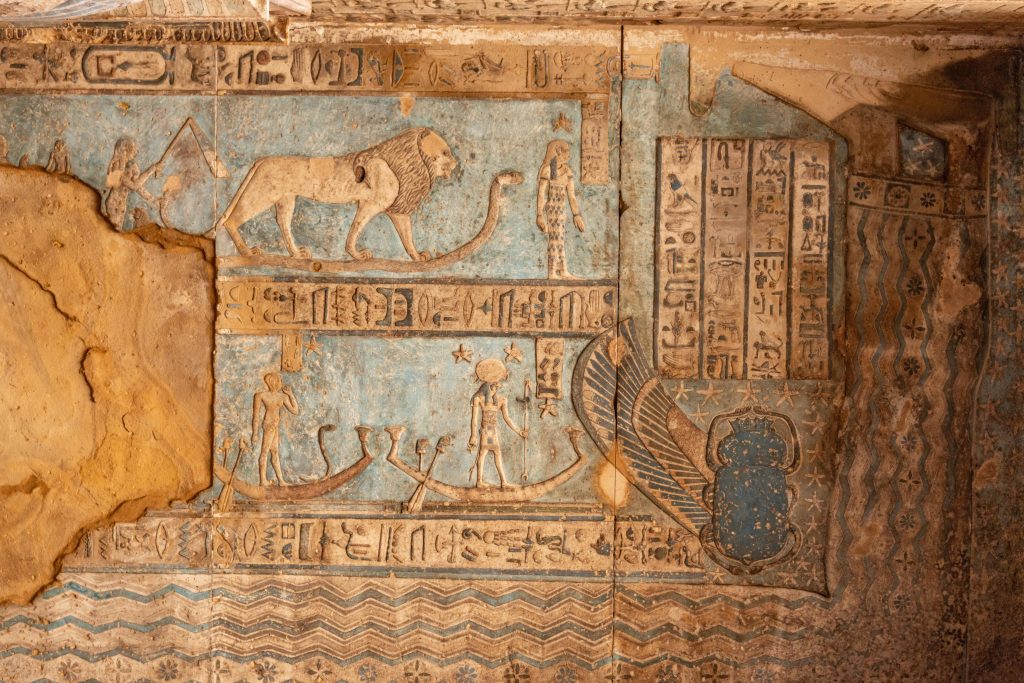
The earliest Egyptian materials do not name Israel leaving bondage under Moses. They describe a moment of dynastic collapse at the end of the 19th Dynasty and the rise of Setnakhte, founder of the 20th. In those texts, Egypt appears fractured, with local rulers, violence, and a struggle for control before order is restored.
The key point is simple: the Egyptian sources are political texts. They frame the crisis from the viewpoint of a new ruler claiming legitimacy. That means they preserve memory of turmoil, enemies, and expulsion, but not the theological shape found in Exodus.
2. The Elephantine stela describes opponents who brought in Levantine support
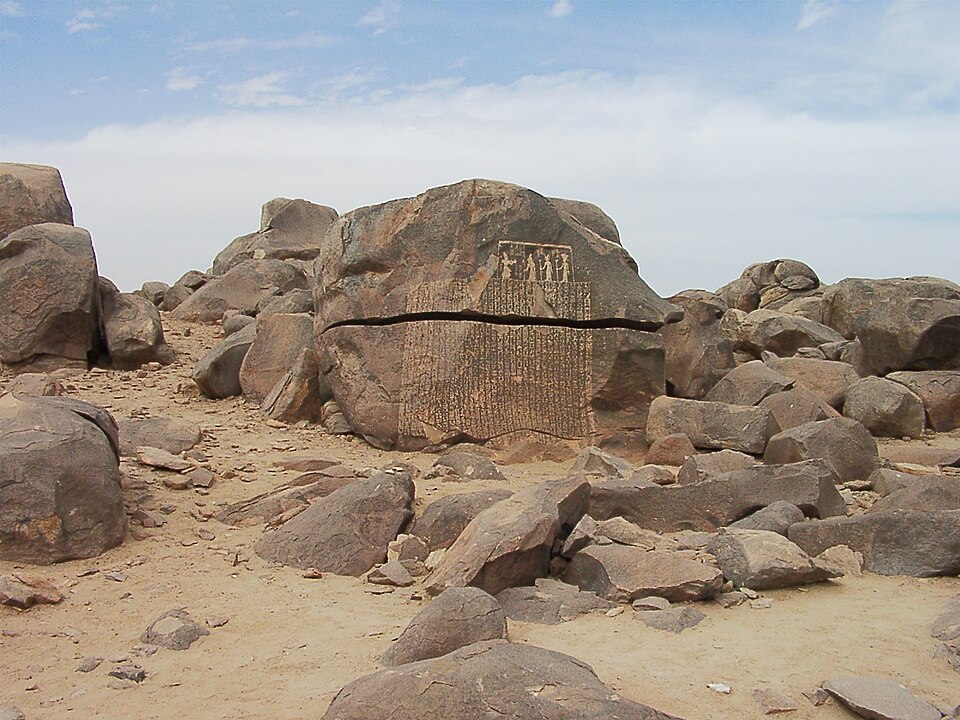
One of the most discussed texts is Setnakhte’s inscription from Elephantine, dated to his second regnal year. It says Egypt had fallen into confusion and that opponents fled after being defeated. The striking detail is that they had given wealth to outsiders from the Levant in an effort to secure reinforcements.
The inscription says the defeated faction left behind silver and gold they had handed over to “Asiatics.” That detail has drawn attention because it places Levantine allies in an Egyptian power struggle at exactly the period when scholars debate memories behind the Exodus tradition. It does not identify Moses, but it does show that Egyptian texts remembered outsiders participating in a major internal conflict.
3. The Great Harris Papyrus remembers a foreign ruler during “empty years”
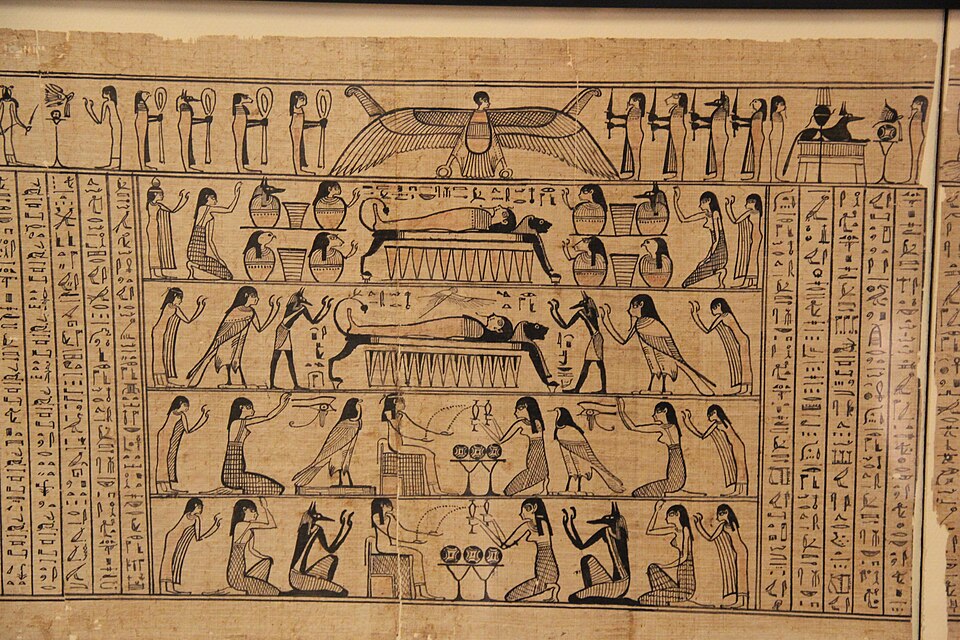
The Great Harris Papyrus was forty-two meters long before later division, and its final historical section looks back on the disorder that preceded Ramesses III. In that account, Egypt had “no chief spokesman,” officials fought one another, and a Levantine figure emerged during “empty years.”
That man is described as a self-made ruler, often discussed under the label Irsu. The papyrus presents him as someone who exploited the land and disrupted temple life. In royal Egyptian terms, this was not merely bad administration. It was a rupture in the proper relationship between kingship, the gods, and public order. The text therefore links political rebellion with the suspension of offerings and with contempt for Egyptian sacred practice, a combination that later readers have compared with biblical images of conflict between the God of Israel and the gods of Egypt.
4. Egyptian texts connect national recovery with restored temple worship
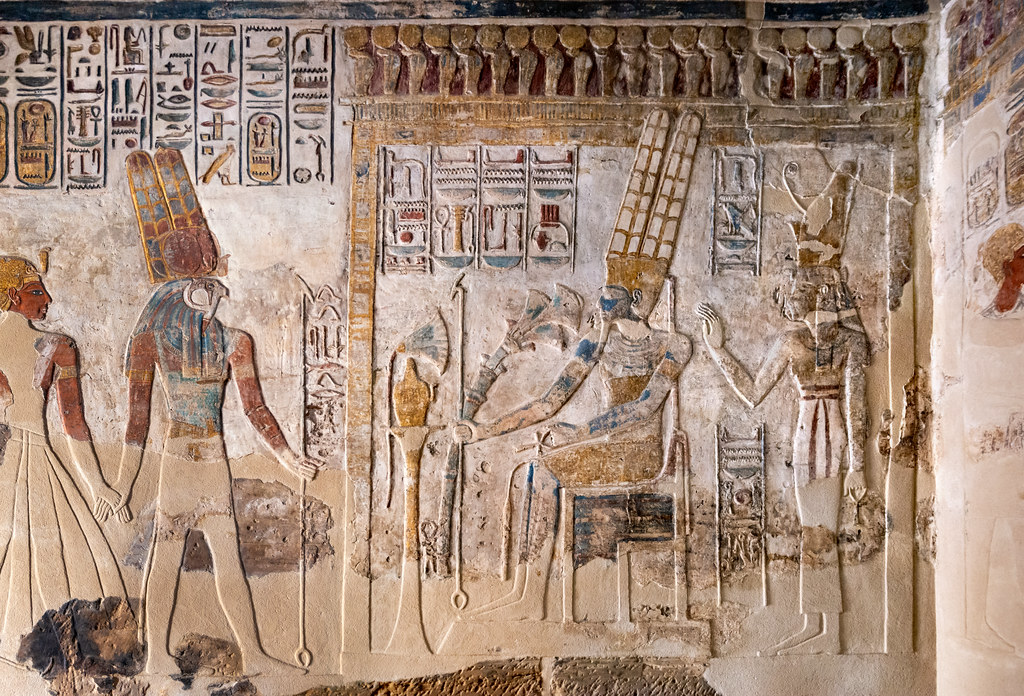
Setnakhte’s inscriptions and the Harris Papyrus both insist that proper offerings had ceased and then resumed after victory. This is one of the clearest repeated themes in the Egyptian material.
That emphasis matters because it shows what the crisis meant in Egyptian eyes. The issue was not only a challenge to the throne. It was also a challenge to sacred order. In these texts, political enemies become enemies of the gods, and the new dynasty presents itself as the force that reopened temples and normalized worship.
5. The name “Moses” fits an Egyptian linguistic world
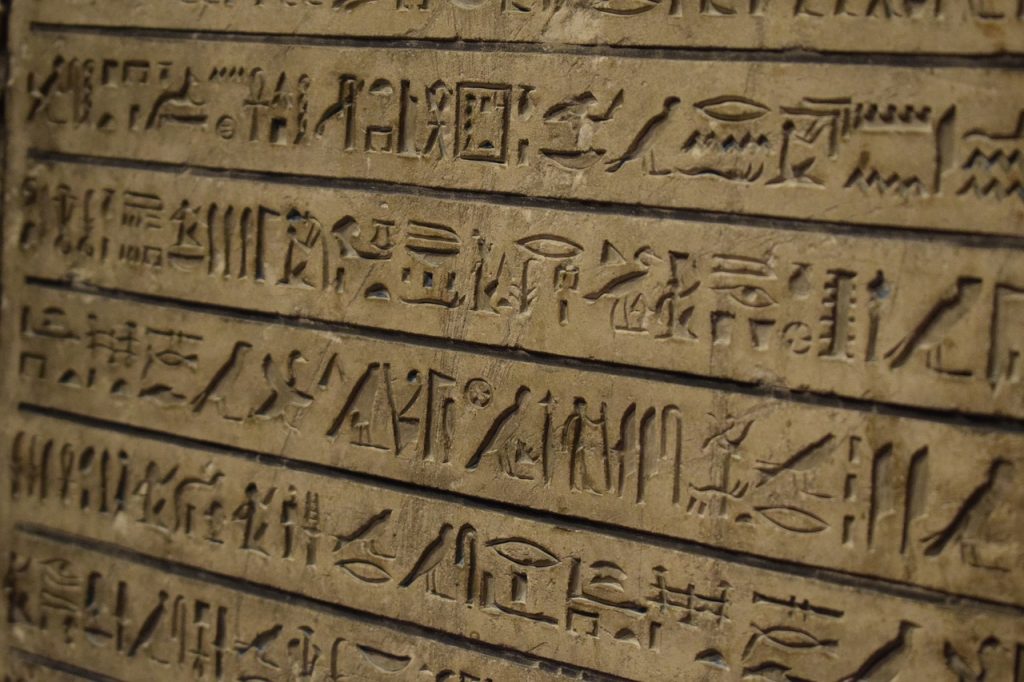
One of the strongest background clues is not a monument but a name. The traditional name Moses is widely connected with an Egyptian root used in personal names of the New Kingdom, the same naming world that produced forms like Thutmose and Ramesses.
As one survey of biblical names notes, Moses may derive from the Egyptian root msi. The same article also points to Miriam and Phineas as names with plausible Egyptian etymologies. That does not prove the biblical story, but it does suggest that the world behind early Israelite tradition preserved real Egyptian linguistic contact.
6. Later Egyptian tradition explicitly links Moses with rebellion
Centuries later, the Egyptian priest Manetho told a story preserved by Josephus in which a leader named Osarseph changed his name to Moses. In that account, a dissident group in Egypt rejected Egyptian cult, brought in support from outside, and briefly held power before being expelled.
This version is late, mixed with historical errors, and impossible to treat as a simple report. Even so, it is important because it shows that Moses had entered Egyptian counter-memory. In that memory, he was not the liberator of an enslaved people but the leader of a disruptive anti-Egyptian movement.

7. Biblical details overlap with Egyptian political memory in unexpected ways
Some scholars have noted that Exodus itself contains details that look more martial than the familiar image of an exhausted slave population fleeing in secret. Pharaoh fears the Israelites may join enemies in war. Exodus also says the departing group went out armed and left with silver and gold, while a “mixed multitude” went with them.
Those motifs overlap with patterns in Egyptian and later Egyptian-derived accounts: internal dissidents, outside allies, wealth transferred in crisis, and conflict over worship. Exodus 12 and 13 preserve several of those motifs, though in a very different theological frame. The resemblance does not erase the differences, but it helps explain why the story has remained so contested.
8. The texts preserve memory, not certainty
The oldest Egyptian records do not settle the question of Moses. They do something more complicated. They preserve a memory of a real late Bronze Age crisis in which Levantine figures, religious tension, and expulsion all played a role.
That is why these texts matter. They suggest that early Israel’s foundational memories did not arise in a vacuum. Whether one reads them as distant echoes, political reversals, or competing national stories, Egypt’s own records show that the cultural landscape behind Moses was already present in writing more than three thousand years ago.
In the end, the oldest texts say less about proving a single event than about how civilizations remember trauma. Egypt remembered disorder overcome by a rightful king. Israel remembered deliverance under a leader raised in Egypt. Between those two memories lies the enduring mystery of Moses.