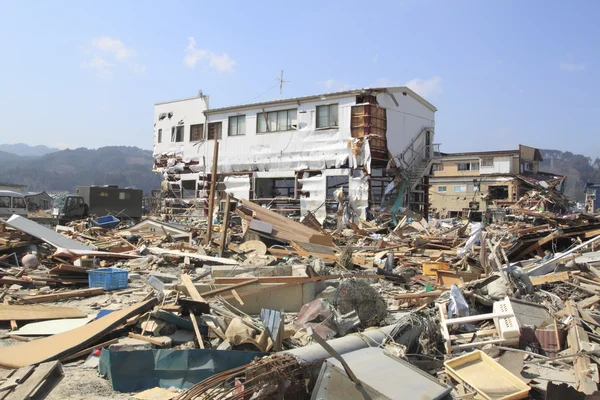
A major earthquake does not end when the shaking stops. For communities, the first violent minute is often followed by days, weeks, and months of disruption that reach far beyond damaged walls.
The aftermath tends to unfold across homes, hospitals, roads, utilities, workplaces, and emotional health all at once. Research on large seismic events shows that recovery is shaped not only by building damage, but by how quickly lifelines, shelter, communication, and basic routines can return.
1. Buildings may still stand, but many are no longer usable
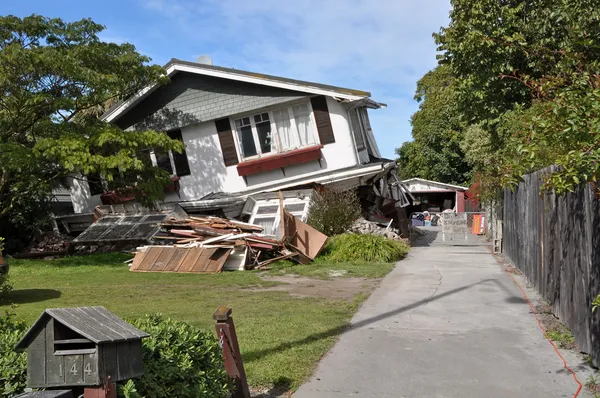
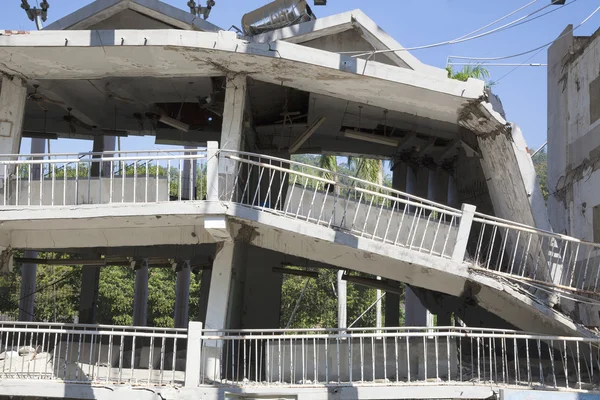
Modern seismic design is largely intended to protect life during a quake, not to guarantee that a building will remain fully functional afterward. That distinction matters. People may survive the shaking and still find that homes, offices, schools, and apartment buildings cannot be safely occupied.
In California scenario planning, thousands of older buildings will collapse, while many more become total economic losses even if they are not flattened. Cracked walls, shifted foundations, damaged chimneys, broken windows, and compromised exits can make re-entry unsafe. That leaves families searching for temporary shelter while inspectors and engineers sort out what can be repaired and what cannot.
2. Aftershocks keep danger in place
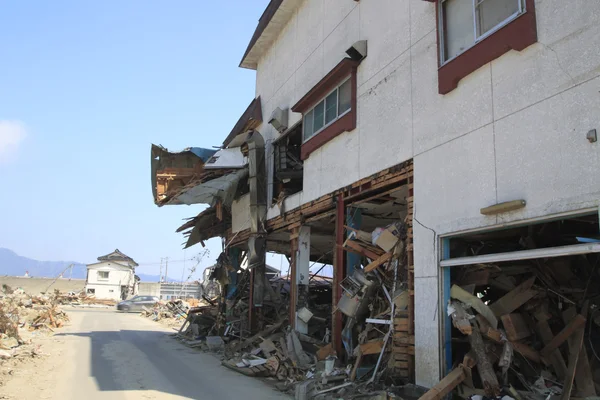
The main quake is often only the start. Aftershocks can continue for weeks, months, or longer, and damaged buildings become more vulnerable with each new round of shaking.
These later jolts create a difficult pattern for communities. People return to gather belongings, assess damage, or help neighbors, but weakened structures may fail under stress that would have been manageable before. The result is a lingering sense that safety is provisional, not settled, even after the initial emergency has passed.
3. Water, power, gas, and communications can disappear at once
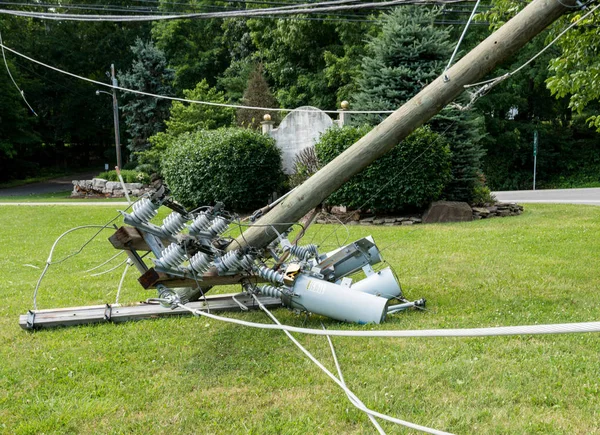
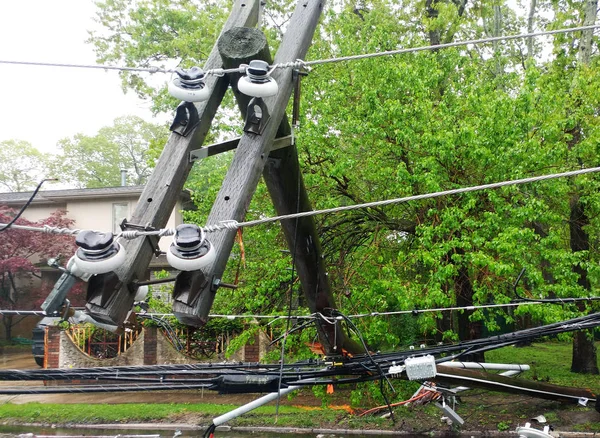
The systems people depend on most are often the hardest to restore quickly. A major quake can rupture water lines, disable substations, damage gas infrastructure, and overload or knock out phone and internet service.
Post-earthquake assessments emphasize that lifelines are the key to recovery. Without reliable water, sanitation becomes harder, firefighting becomes weaker, and hospitals face immediate strain. Without electricity, refrigeration, medical devices, fuel pumps, and payment systems falter. When communications fail, families cannot easily find one another, and neighborhoods have less information about shelter, road closures, or safe drinking water.
4. Fires can become a second disaster
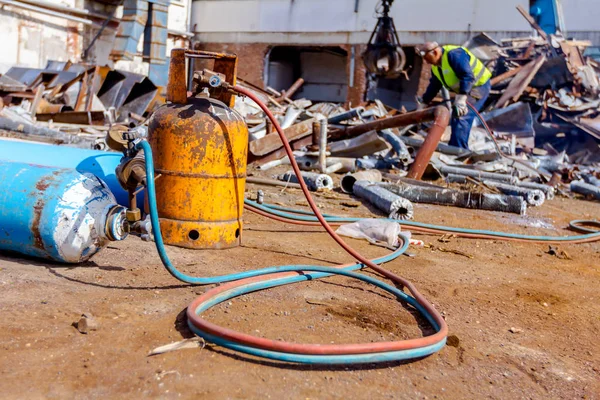
Earthquakes create conditions for fire in multiple ways: broken gas lines, damaged electrical systems, blocked roads, and delayed emergency response. In dense neighborhoods, especially where buildings are closely spaced, small fires can spread into block-sized emergencies.
That threat is not secondary in any casual sense. In the ShakeOut Scenario, fires account for half of the casualty and loss estimates. Communities coping with structural damage may suddenly face a different crisis altogether, one driven by ignition, wind, water pressure loss, and the simple difficulty of getting fire crews where they are needed.
5. Some ground failures happen below the surface
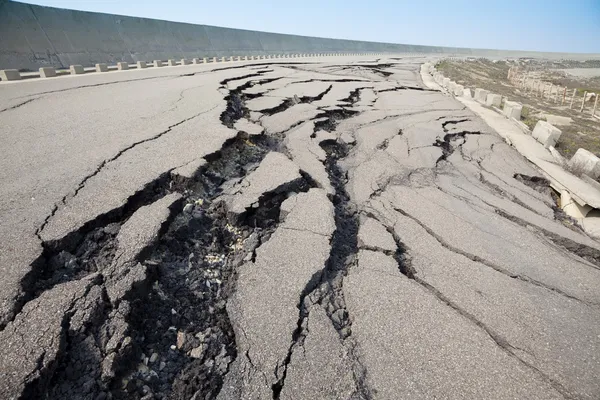
Not all earthquake damage comes from visible collapse. In some areas, the ground itself changes behavior.
Liquefaction occurs when loosely packed, water-saturated sediments lose strength during shaking and begin to behave more like a fluid. Buildings can tilt or sink, and buried pipes and cables can shift or break. This is one reason damage may appear uneven across a city: two neighborhoods can experience the same earthquake but very different outcomes because of soil conditions beneath them.
6. Hospitals and emergency responders are quickly stretched
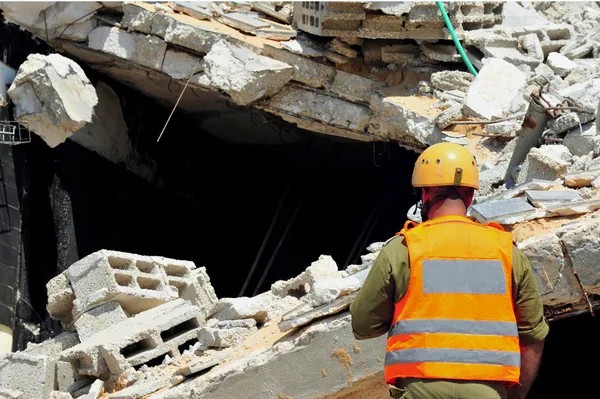
In the first days after a major quake, demand surges everywhere at once. Emergency rooms fill with trauma patients, rescue teams are dispatched across multiple sites, and firefighters may be balancing medical calls, structure collapse, and fire outbreaks simultaneously.
Scenario studies tied to large California earthquakes have projected 53,000 injuries in a severe regional event. Even in places with strong preparedness, hospitals and emergency services can be overwhelmed by the scale, the number of damaged access routes, and the fact that staff members are also coping with impacts at home.
7. Daily commerce slows down or stops
After a major earthquake, economic disruption reaches ordinary routines almost immediately. Card payments may fail, ATMs may be offline, gas station pumps may not work, and deliveries can stall because roads, bridges, rail lines, or ports are damaged.
Businesses then face a second layer of difficulty: employees may be displaced, buildings may be closed, and utilities may remain unreliable for extended periods. The financial toll can be vast. One California scenario estimated economic losses total $213 billion, with infrastructure disruption playing a major role in how slowly normal activity returns.
8. The emotional strain lasts longer than the headlines
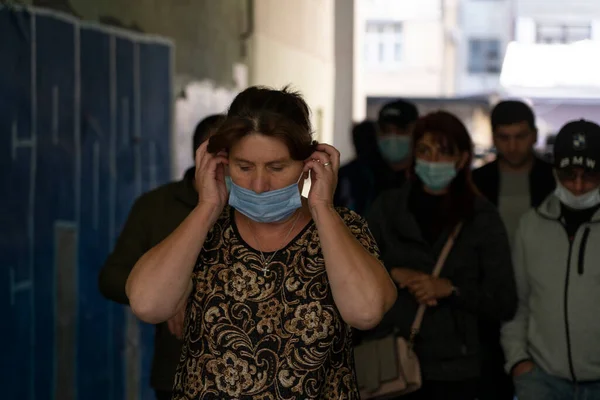
Long after debris is cleared from streets, many residents remain unsettled by interrupted sleep, repeated aftershocks, displacement, and the pressure of navigating repairs, insurance, school changes, and uncertain routines. Recovery is physical, but it is also psychological.
Large earthquake planning exercises have specifically identified mental health and sheltering needs as central parts of the aftermath. That reflects a basic reality: community recovery is not only about rebuilding structures, but about restoring enough stability for people to feel oriented again.
The most difficult part of a major earthquake is often its layered aftermath. Damage to buildings, infrastructure, health systems, and routines tends to overlap, making recovery uneven and deeply local. Communities recover faster when essential systems are restored, dangerous structures are identified quickly, and residents have clear plans for water, communication, shelter, and safety. The earthquake may last seconds, but its realities unfold over much longer time.