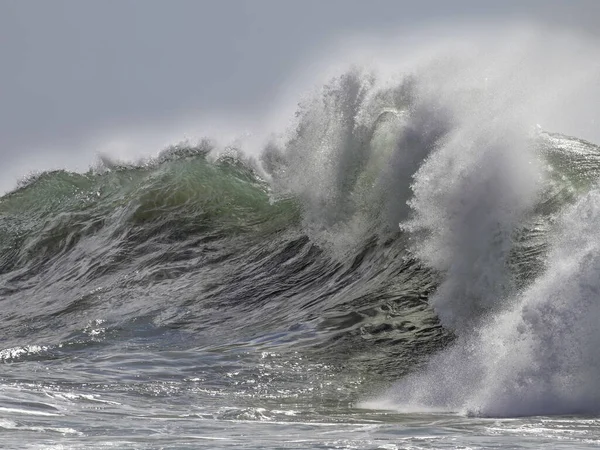
In the Pacific Northwest, the most consequential tsunami warning may not begin with a headline. It would begin with violent earthquake shaking, a sudden loss of normal routines, and a race against geography.
Along Washington and Oregon’s outer coast, a Cascadia earthquake could leave many communities with only minutes to move. Public safety planning across the region shows that the warning system for the next major tsunami is not built around waiting for perfect information. It is built around recognizing what the ground itself is saying and knowing where higher ground is before the day comes.
1. The first warning would likely be the earthquake itself
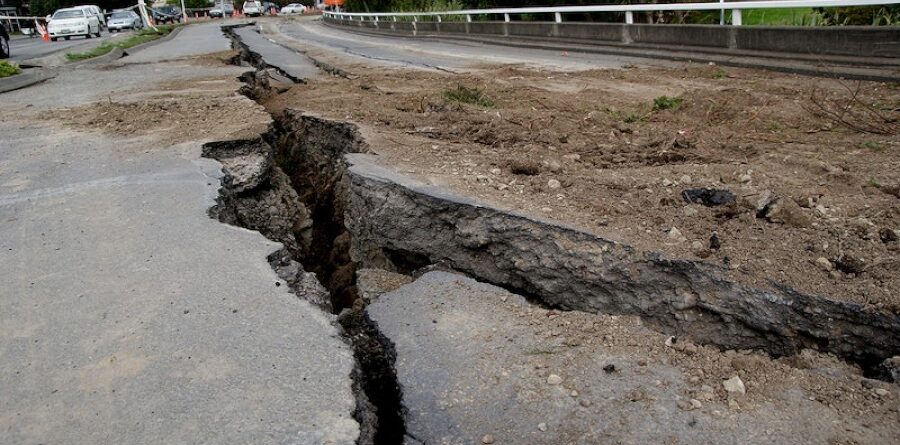
For a locally generated tsunami, the most important alert would not arrive as a text first. It would arrive as long, hard shaking from the Cascadia Subduction Zone, the offshore fault capable of producing the region’s largest earthquakes. Preparedness guidance across the Northwest treats that shaking as the signal to act immediately. In coastal inundation zones, the message is consistent: after protecting against falling debris during the quake, people should move inland or uphill as soon as shaking allows. Officials do not frame that moment as a wait-for-confirmation scenario, because a local tsunami can arrive far faster than a formal public announcement.
2. A phone alert might help, but it would not be the main cue on the coast
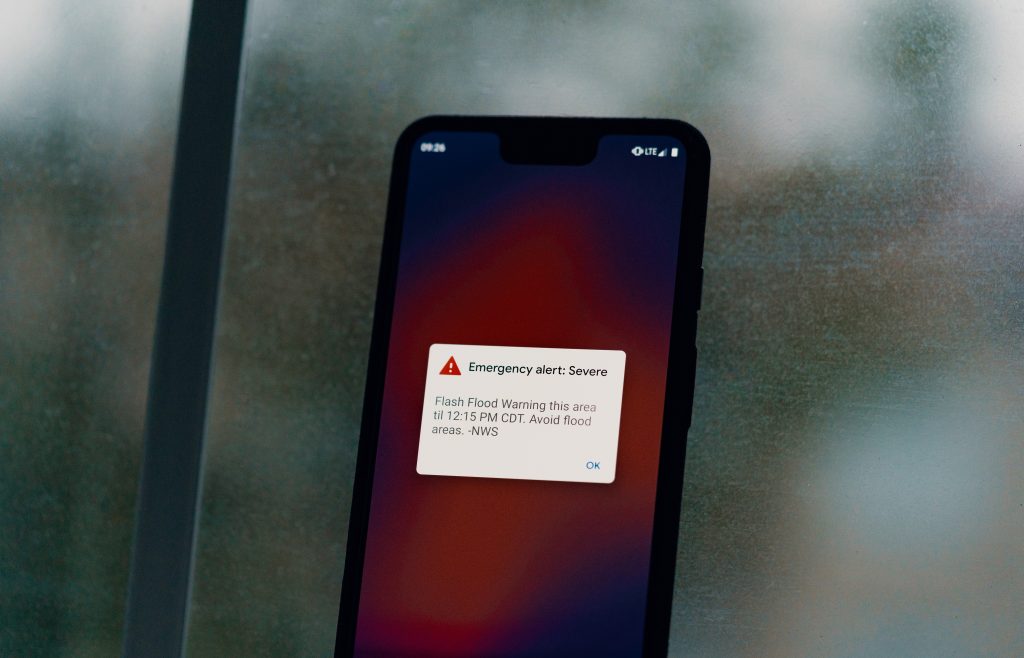
The Pacific Northwest is served by ShakeAlert earthquake early warning, which can send notice seconds before damaging shaking reaches some users. That system is designed to reduce injuries from the earthquake itself and to trigger protective actions such as dropping, covering, and holding on. Those seconds matter, but they do not replace tsunami judgment in low-lying coastal areas. Near the source of a major offshore earthquake, some people would receive very little warning time, and others could feel shaking before any alert appears. In practical terms, the next big tsunami warning would still depend on people recognizing natural warning signs without hesitation.
3. Coastal sirens and broadcast systems would reinforce the message
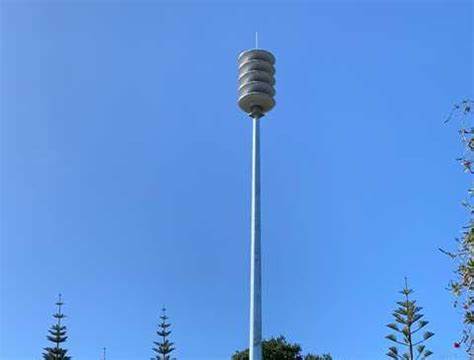
After the quake, communities would likely rely on layered public warning tools: sirens, radio, television, mobile notifications, and local emergency instructions where systems remain functional. Emergency planning for tsunami zones has long treated redundancy as essential because power, roads, and communications can all fail at once. In some coastal systems, a steady three-minute siren tone is used as the attention signal for an approaching tsunami. That kind of alert is especially relevant for distant tsunamis, when hours rather than minutes may be available. For a Cascadia event, however, sirens would serve more as confirmation than first notice for many shoreline communities.
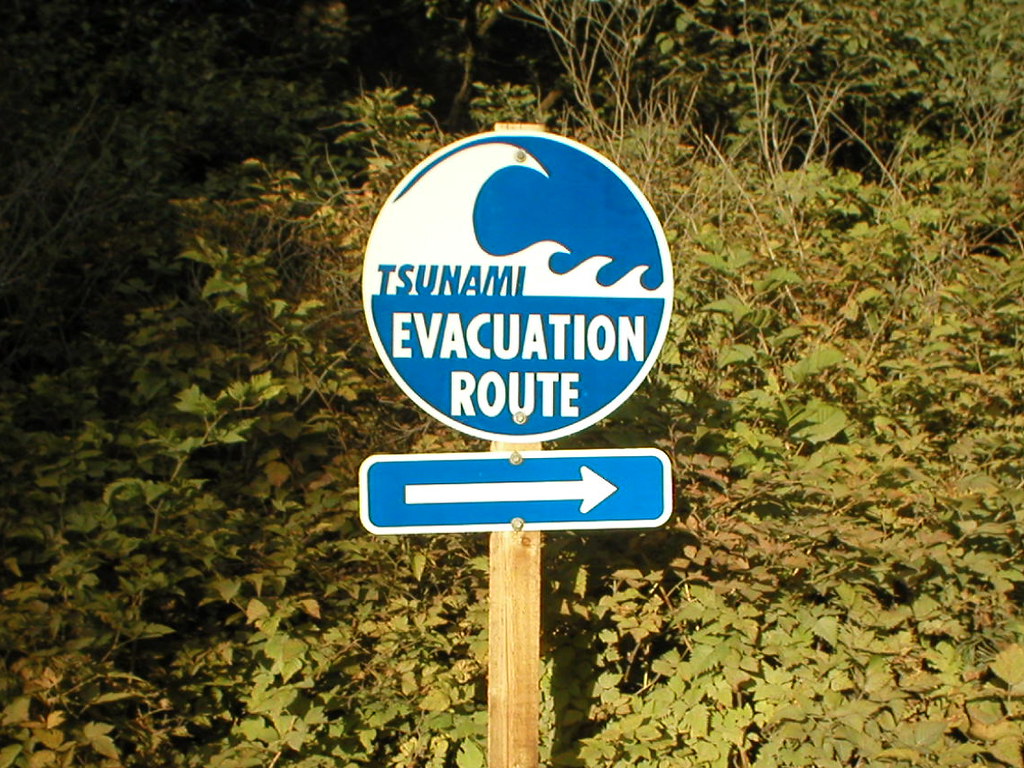
4. Evacuation signs would suddenly become the most important landmarks
When the warning becomes real, familiar street details take on a different meaning. Blue-and-white tsunami route signs, hazard-zone markers, and assembly area signs are intended to guide people out of danger even if they are far from home or staying in a place they barely know. Washington says all 3,000+ miles of shoreline are at risk from tsunamis, and mapped evacuation routes already stretch for more than a thousand miles. Those route systems matter because the people exposed during a summer weekend are not only residents. They also include visitors, shift workers, campers, and families in unfamiliar neighborhoods who may have to make fast decisions with almost no time to spare.
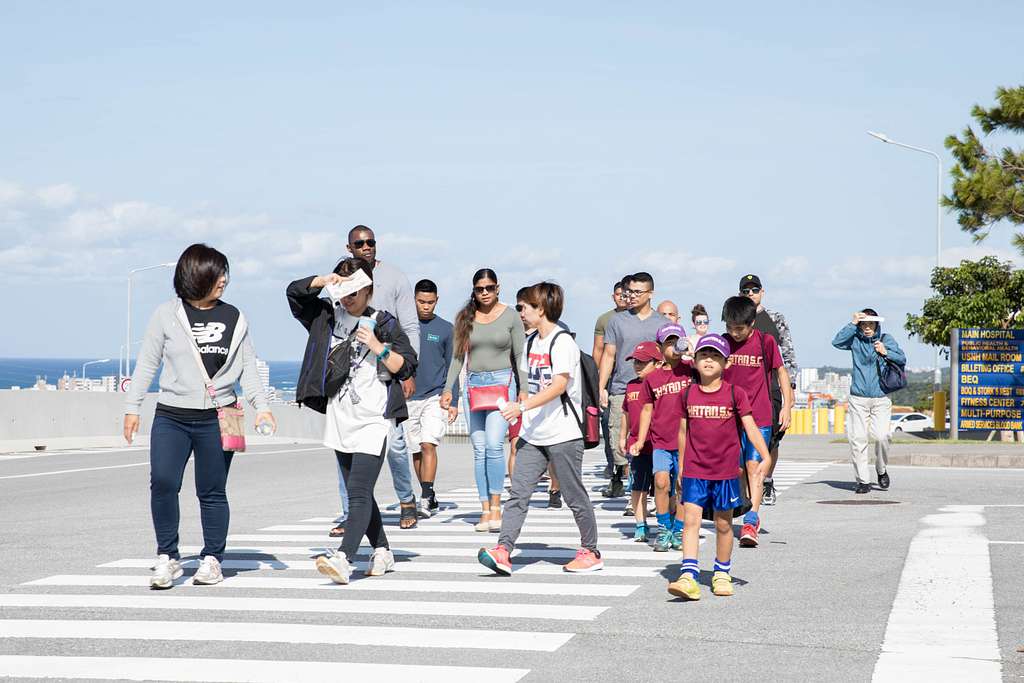
5. Many people would be expected to go on foot, not by car
The image of a mass vehicle escape does not match much of the region’s planning. Guidance for local tsunamis repeatedly emphasizes walking or running to safety because roads can crack, bridges can fail, power poles can fall, and traffic can freeze where every second counts. This is one of the hardest truths in coastal preparedness. A warning in the Pacific Northwest would not simply tell people to leave; it would force them to move through damaged terrain immediately after an earthquake, often in darkness, bad weather, or confusion, carrying children, helping older relatives, or searching for the nearest climbable route to high ground.
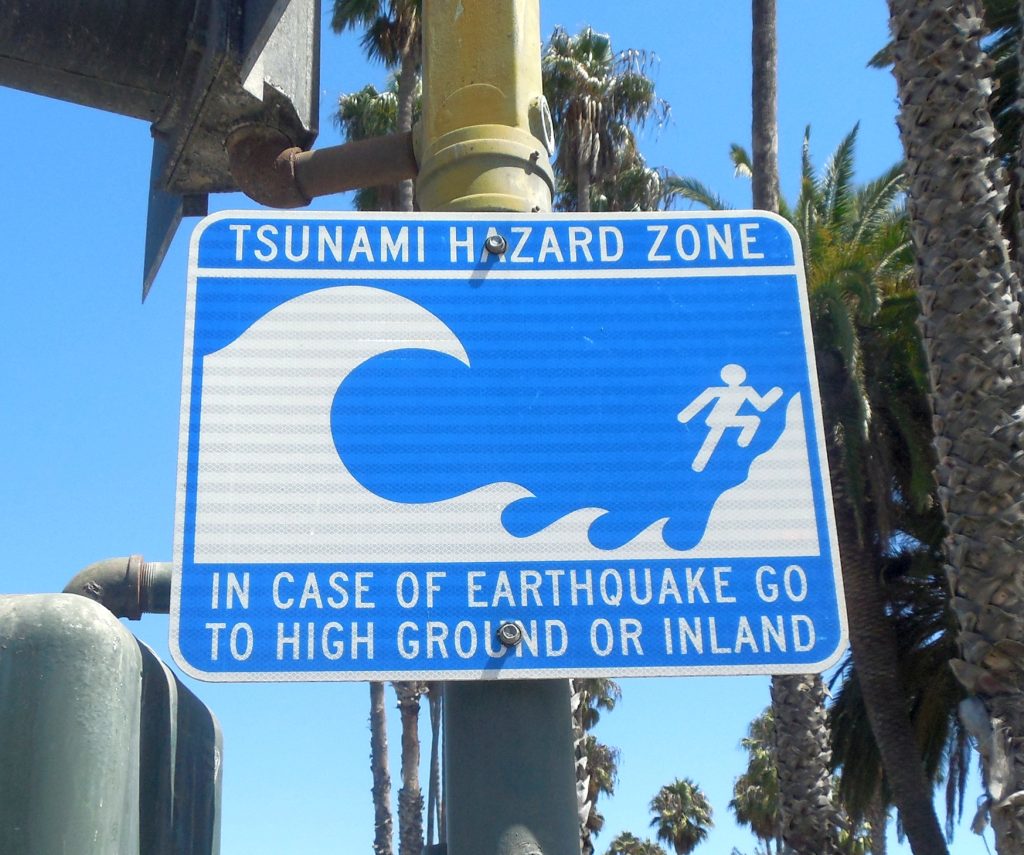
6. Maps would matter because arrival times are brutally short
Washington’s pedestrian evacuation maps are built around a sobering calculation: how long it may take to get out on foot compared with the estimated arrival of the first wave. The state’s Cascadia planning has examined scenarios in which people begin evacuating 10, 15, or 20 minutes after the shaking starts, including time spent riding out several minutes of earthquake motion. That planning is tied to an estimated 15 to 35 minute evacuation window in many outer-coast areas. In places where natural high ground is far away, the warning would feel less like an announcement and more like a countdown.
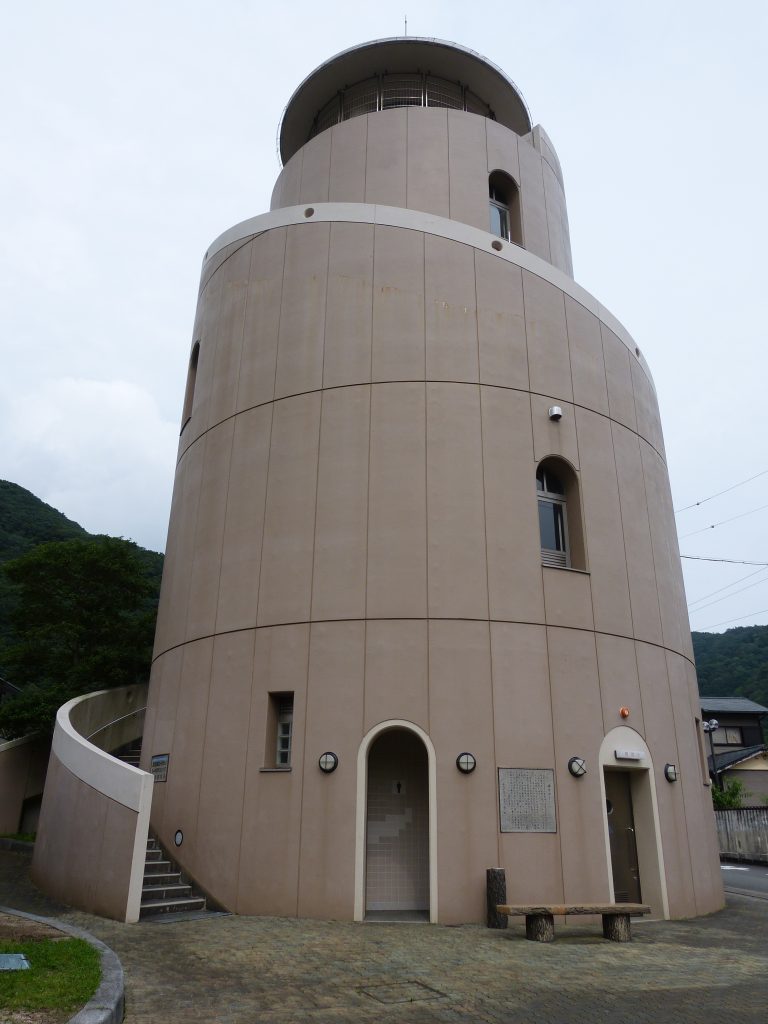
7. Some communities would rely on vertical evacuation structures
Not every coastal settlement has nearby hills. On long, flat peninsulas and low sand spits, survival planning increasingly includes engineered refuge sites above expected flood levels. Tokeland’s tsunami tower, built by the Shoalwater Bay Indian Tribe, is one example of that shift. According to reporting on the project, tribal council member Lynn Clark said, “This tower will save our lives someday.” The structure was created for a place where many residents cannot reach natural high ground quickly enough after a major quake. In those communities, the next big tsunami warning would direct people not just away from the shore, but toward a specific elevated refuge.
8. The danger would continue long after the first wave
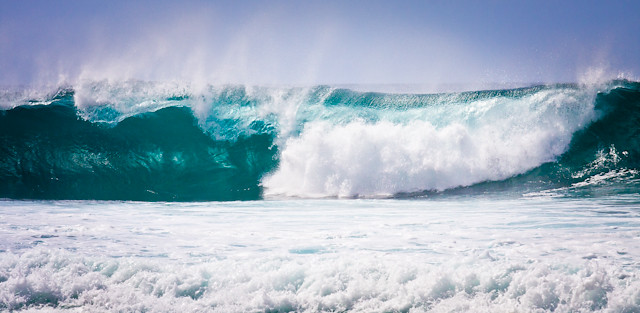
A tsunami warning does not end when water first arrives. Emergency guidance notes that surges can continue for 12 to 24 hours, with repeated flooding and retreat that can pull debris, boats, and people through ports, estuaries, and river mouths. That is why evacuation guidance stresses staying out of the hazard zone until officials issue an all-clear. The first wave may not be the largest, and the most dangerous period can extend well beyond the first dramatic minutes that usually define public imagination.
9. The larger warning is already visible in preparedness planning
Washington’s tsunami loss study estimated that a modeled Cascadia tsunami could produce 50,000 to 65,000+ casualties within the first hour in mapped inundation zones, depending on timing and evacuation success. That estimate reflects not only wave hazard, but also the reality that many people may be sleeping, visiting, or lodged in vulnerable coastal areas when the event begins.
The Pacific Northwest’s next major tsunami warning would therefore look larger than a single alarm. It would be a network of practiced routes, visible signs, hazard maps, towers, alerts, drills, and local knowledge each one trying to narrow the gap between the end of shaking and the arrival of water. The region has spent years preparing for that compressed interval. What the warning would look like, in the end, is whatever helps people recognize the moment and move fast enough to survive it.