For much of Hollywood history, timing shaped everything. Careers were managed, public images were engineered, and private lives were often treated as studio property rather than personal truth.
That helps explain why so many public figures came out later in life, or only after years in opposite lovemaking relationships, intense scrutiny, or professional caution. Their stories point to a larger cultural shift: not one single turning point, but a long change in media, law, entertainment, and public language.

1. The studio system once treated identity as a publicity problem
In classic Hollywood, studios did not simply promote stars; they often worked to control them. During the height of the studio era, “morality” clauses in contracts gave companies leverage over performers’ public images, while gossip culture created constant pressure to appear conventionally hetero lovemaking. Some actors were pushed toward so-called lavender marriages, while others were steered into fabricated romances.
That culture made openness professionally dangerous. William Haines became one of the clearest examples: when MGM head Louis B. Mayer reportedly gave him an ultimatum to marry a woman or leave the studio, Haines chose to leave. The message was unmistakable. For decades, being open could cost a career.
2. Early visibility in film and TV was rare, which made private lives even more guarded
Representation on screen arrived slowly. Milestones such as Billy Crystal’s recurring gay character on Soap in 1977 and the debut of Will & Grace in 1998 helped normalize LGBTQ lives for mainstream audiences, but those breakthroughs came after decades of silence or coded portrayals.
When public culture offers few visible models, disclosure becomes harder. Many stars from earlier eras lived with rumor, private understanding inside the industry, and almost no public framework for speaking plainly.
3. Later coming out often reflected safety, not delay
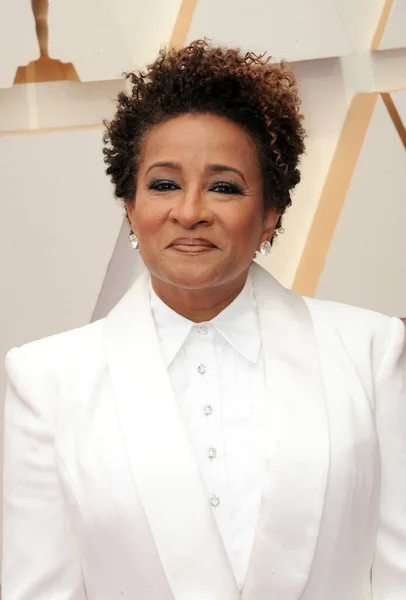
Several celebrities who came out after 35 described the process as one of recognition, readiness, or finally having enough room to speak. Wanda Sykes publicly came out at 44, after marrying Alex Sykes and while reacting to the climate around marriage rights. In her 2013 interview with Oprah, she said, “The drive behind me coming out publicly was when it became political.”
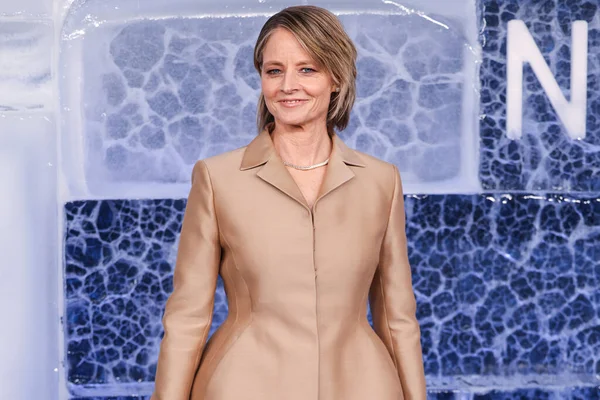
Jodie Foster was 51 when she delivered her widely discussed Golden Globes speech in 2013. Cynthia Nixon publicly acknowledged her relationship with Christine Marinoni at 40. Stacy London shared that she was in her first serious relationship with a woman at 50. These stories did not suggest a single path. They showed that public timing often follows emotional safety, cultural language, and personal control.
4. Opposite lovemaking marriages did not erase later self-understanding
Many public figures who later came out had previously been married to men, a pattern that says as much about social expectation as personal biography. Wanda Sykes had been married to Dave Hall. Niecy Nash-Betts had been married twice before announcing her marriage to Jessica Betts in 2020. Sophia Bush spoke openly in 2024 about recognizing herself differently after her divorce.
These histories complicate simplistic narratives. A lovemaking marriage in the past did not prevent later clarity, and in many cases it reflected the norms available at the time a person was building a life, family, or career under public pressure.
5. Public language around identity became broader and more flexible
This shift mattered. Earlier Hollywood culture pushed people toward rigid labels or silence, while more recent public conversations have allowed for terms such as queer, lovemaking, lesbian, or no fixed label at all.
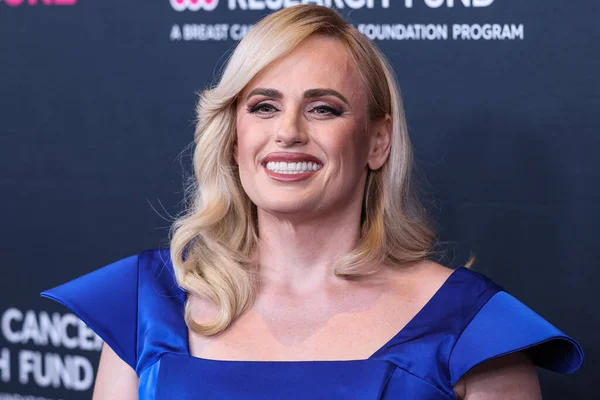
That broader vocabulary appears across many later-life disclosures. Sophia Bush wrote that “Right now I think the word that best defines it is queer.” Rebel Wilson said, “I never thought I was 100 percent straight.” Maria Bello described her relationships as “love stories,” and Niecy Nash-Betts rejected the idea that she had emerged from a hidden place at all, saying, “came out of where, baby? I was never anywhere to come out of!” The language became less about fitting a rule and more about accurately describing lived experience.
6. Media changed from gatekeeping to exposure, for better and worse
Old Hollywood feared tabloids; modern celebrities face a nonstop digital audience. That has created more space for stars to speak directly, but also less privacy. Stacy London addressed online speculation after photos circulated on social media. Rebel Wilson’s relationship became public in a climate where she did not fully control the timing.
Even so, social platforms also weakened the old studio model. Celebrities no longer need a publicity department to define their personal story. They can post, speak, or withhold on their own terms, even if that freedom comes with pressure.

7. Activism and culture started to reinforce each other
The rise of LGBTQ activism changed the meaning of celebrity disclosure. Stonewall in 1969, the American Psychiatric Association’s 1973 removal of lovemaking from its list of mental disorders, and later visibility in entertainment created a different public environment from the one earlier stars faced.
By the time many celebrities came out later in life, disclosure could connect to advocacy as much as revelation. Sykes tied her public statement to equality politics. Nixon became increasingly vocal about LGBTQ rights. Public identity was no longer only a risk to manage; it could also become part of civic and cultural presence.
8. Hollywood itself became more willing to revisit its hidden past
One reason later coming out stories resonate is that the industry now talks more openly about its own history of concealment. Accounts of stars like Tab Hunter, Dirk Bogarde, and others reveal how common double lives once were. Hunter described the strain of “living two lives,” a phrase that captures the emotional cost behind old glamour.
That retrospective honesty changes the cultural reading of the present. When audiences understand the pressure earlier generations endured, later in life coming out looks less surprising and more like part of a long overdue correction.
The larger change was not that stars suddenly became different. It was that Hollywood, media, and the public slowly changed the conditions around them.
Coming out later came to reflect a culture with more visibility, more language, and somewhat more room for truth. For many public figures, that shift arrived after years of silence, performance, or protection. The timing tells the story.