
The neighborhood pharmacy has long doubled as a checkout counter, a health stop and, in many towns, one of the few places where care feels close to home. That role is becoming harder to maintain as chains shrink their footprints and independent locations face mounting pressure.
The result is not only fewer storefronts. It is a quieter but broader shift in how Americans reach prescriptions, vaccines and basic medication advice.
1. Large chains are cutting hundreds of underperforming stores
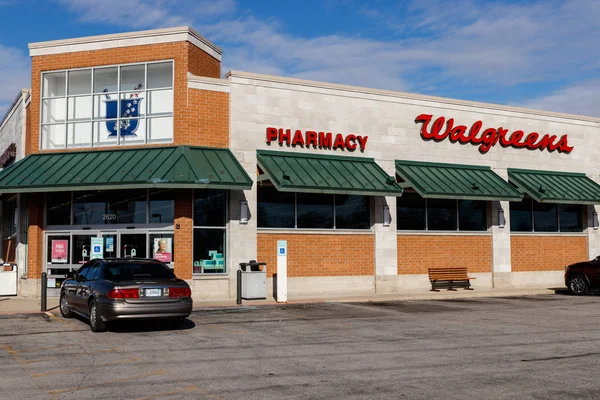
One of the clearest reasons pharmacies are vanishing from commercial corridors is simple: the biggest operators are closing locations at scale. Walgreens said it planned to shut about 1,200 underperforming stores across the U.S. over three years, with roughly 500 targeted in fiscal 2025. The company has also said a meaningful share of its stores was no longer contributing to its long-term strategy.
That kind of pruning changes the look of main streets quickly. A pharmacy may still be operating somewhere in the metro area, but when a nearby branch closes, the local effect is immediate: one less refill point, one less vaccination site and one less retailer drawing routine foot traffic.

2. The business model has become harder to sustain
Pharmacies are disappearing because the math behind the storefront has become less forgiving. Walgreens tied its closures to declining profits, low drug reimbursement rates and sluggish retail sales. Those pressures hit at the same time many chains are trying to reduce costs and simplify sprawling store networks built for an earlier era of retail.

A pharmacy is not only a dispenser of medication; it is also a labor-heavy operation with regulated workflows, inventory demands and health-service responsibilities. When front-end retail weakens and prescription economics tighten, a location that once looked stable can turn into a candidate for closure.

3. Bankruptcy has erased entire pharmacy networks
For some chains, retrenchment has gone beyond selective closures. Rite Aid’s retreat became far more severe after repeated financial distress, and the company’s website eventually stated that all Rite Aid stores have now closed. That followed a second bankruptcy filing in less than two years and a long stretch of shrinking store counts.
When an entire chain exits, the loss spreads far beyond one brand sign coming down. Prescription files must be transferred, customers must find new pickup routines, and neighborhoods that already had limited pharmacy choices can be pushed into a much thinner access network almost overnight.

4. Many communities were already living in pharmacy deserts
Store closures land harder because some neighborhoods were underserved long before the latest wave. In urban settings, one definition describes a pharmacy desert as a low-income area with no pharmacy within a half-mile for residents with limited vehicle access. In rural places, the gap can stretch much farther. According to Yale researchers, 17.7% lived in a pharmacy desert in the period studied.
That means the disappearance of one location does not always create the problem from scratch. Often, it deepens an existing access issue that residents have already been navigating through bus rides, longer drives or delayed refills.
5. A single pharmacy now carries more of the burden
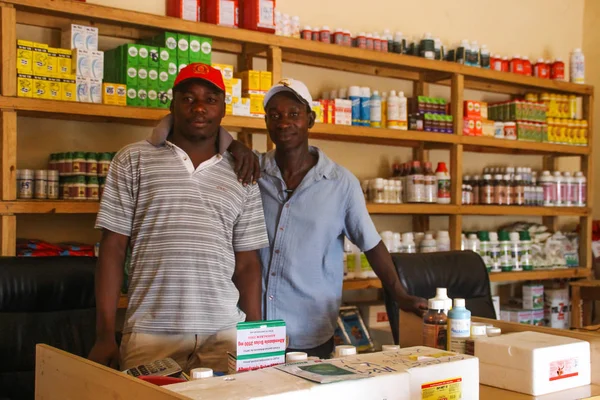
Researchers have increasingly focused on “keystone pharmacies,” meaning the lone stores serving whole communities. Yale found that nearly 9% of people lived in areas served by a single pharmacy. These locations are especially important in rural regions, where another option may not sit just a few blocks away.
That concentration creates fragility. If a keystone pharmacy closes, multiple nearby neighborhoods can lose practical access at once, turning a manageable inconvenience into a public-health problem tied to missed medications, delayed treatment and fewer preventive services.
6. Rural America has been losing pharmacy access for years
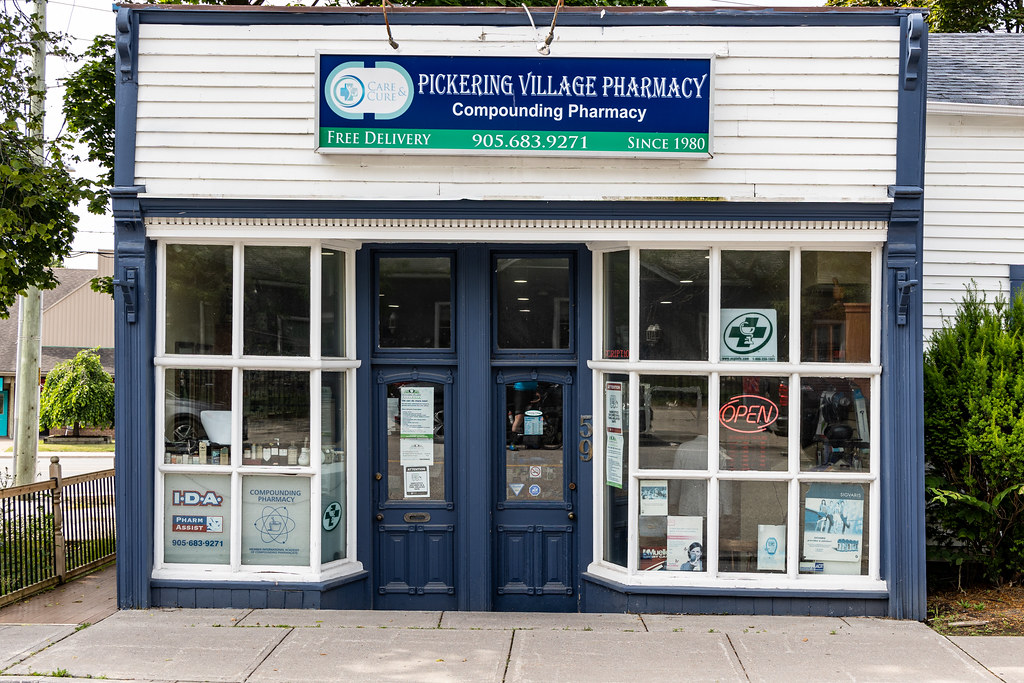
The retreat from main streets is not only a big-city story. Rural communities have experienced a long erosion of pharmacy presence, particularly among independents. The RUPRI Center for Rural Health Policy Analysis found that 924 independently owned rural pharmacies were lost between 2003 and 2013, a decline of 12.1%, and 490 rural communities that once had at least one retail pharmacy had none by the end of that period.
Those figures help explain why closures feel so consequential outside major metro areas. A rural pharmacy often functions as a health access point as much as a retail stop, and replacing it is rarely quick or easy.

7. Pharmacies now matter for more than prescriptions
The disappearance of pharmacies stands out because the store itself has changed. Local pharmacies fill more than 90% of prescriptions in the United States, according to Yale, but they also provide vaccines, medication management and routine health support. As Yale’s Walter Mathis put it, “They’re frontline community health resources”. That broader role raises the stakes of every closure. What vanishes is not just shelf space for cough medicine; it is also one of the most accessible points of contact in the healthcare system.

Main-street pharmacy losses are being driven by a mix of weak store economics, chain restructuring, bankruptcies and long-standing geographic inequities. The pattern looks retail on the surface, but the consequences reach into medication access and everyday healthcare. As more communities rely on fewer locations, the remaining pharmacies matter more than ever.