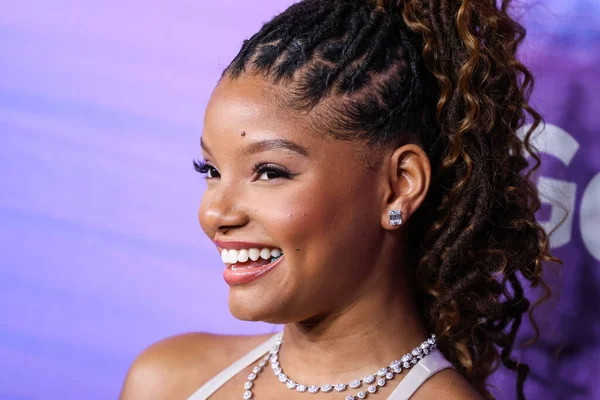
Hollywood style is no longer confined to red carpets or costume departments. A growing group of Black actresses is shaping what screen presence looks like across blockbuster franchises, prestige television, global fashion culture, and personal advocacy.
What stands out is not a single aesthetic. It is range: commanding dramatic work, sharply defined public image, and a visible influence on how beauty, glamour, and authority are presented on screen.
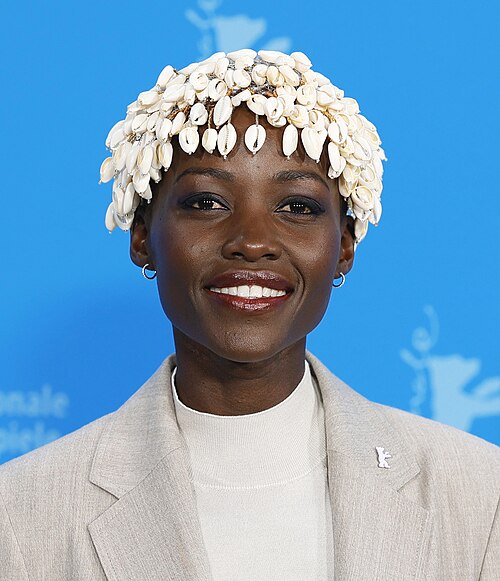
1. Lupita Nyong’o
Lupita Nyong’o remains one of the clearest examples of style and substance moving in tandem. Her recent run has included A Quiet Place: Day One, which was described as the most successful debut in that franchise, along with voice work in The Wild Robot and continued visibility through major studio projects.
Her influence extends beyond casting announcements. Reference material ties her public image to cultural authenticity, African storytelling, and fashion choices that carry historical meaning rather than simple trend appeal. That blend gives her a screen presence that feels deliberate, polished, and instantly recognizable.
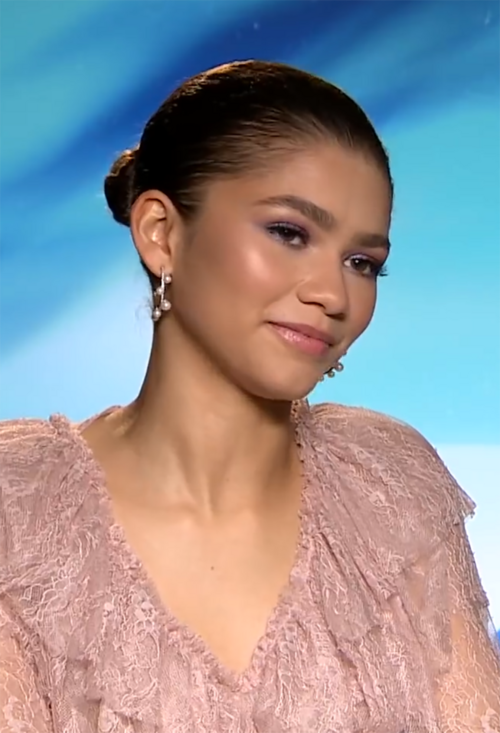
2. Zendaya
Zendaya has become a defining figure in modern Hollywood image-making. With Dune: Part Two, Challengers, and another major ensemble on the horizon, her filmography continues to pair commercial visibility with performance-driven credibility.
Her style impact is equally central to her appeal. The reference material describes her as a fashion and cultural icon, and that reputation feeds directly into her screen presence: poised, contemporary, and highly controlled without looking distant. Few actresses currently move as easily between youth appeal, luxury fashion, and serious dramatic attention.
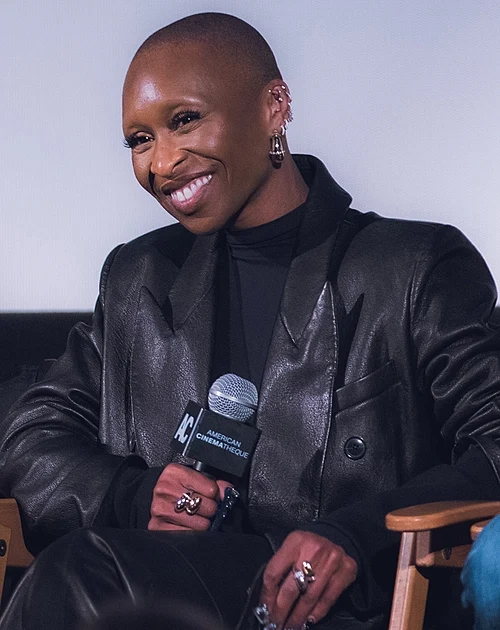
3. Cynthia Erivo
Cynthia Erivo brings theatrical force to every frame. Her role as Elphaba in Wicked places her in one of the most visually anticipated screen performances of the period, while her broader public identity remains tied to representation and outspoken creative ambition.
What distinguishes Erivo is precision. Her image is often built around bold silhouettes, close attention to beauty styling, and a performance style that reads as intense rather than decorative. That combination gives her a commanding presence even before a scene begins.
4. Keke Palmer
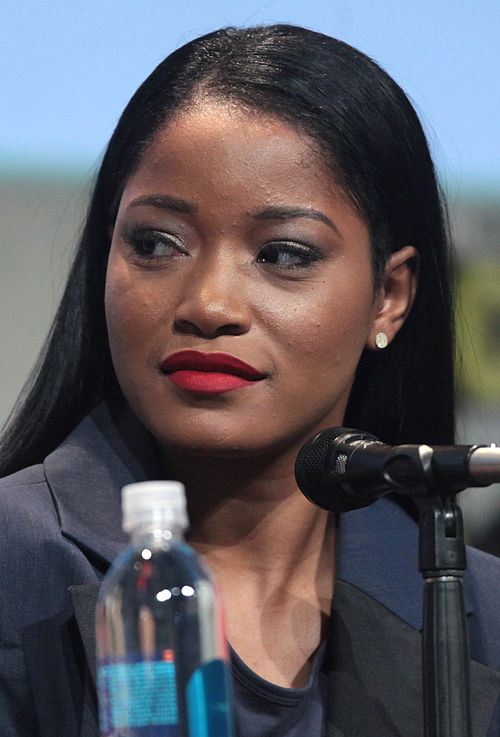
Keke Palmer’s versatility has become part of her signature. The source material notes her work in One of Them Days, the release of her second book Master of Me, and a NAACP Image Award nomination in 2025.
Her screen presence works because it feels expansive rather than fixed. She can lean into comedy, charisma, or emotional directness without losing her sense of self, and her style follows the same pattern: expressive, camera-ready, and unmistakably her own.
5. Ayo Edebiri
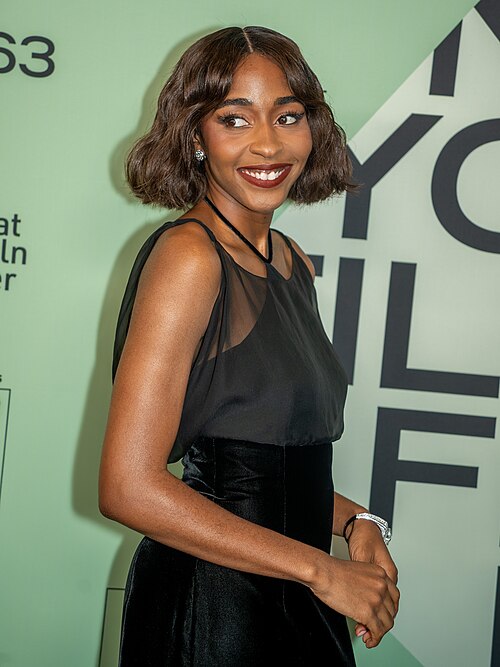
Ayo Edebiri’s rise has been rooted in sharp writing, comic timing, and emotional intelligence. The references highlight her breakout momentum in The Bear, where her work helped position her as a talent equally credible in comedy and drama.
That cross-genre confidence has shaped her public image. Edebiri projects an understated cool that differs from more formal Hollywood glamour, yet it lands just as strongly. Her presence suggests a broader shift in the industry toward wit, restraint, and individuality as style markers.
6. Halle Bailey
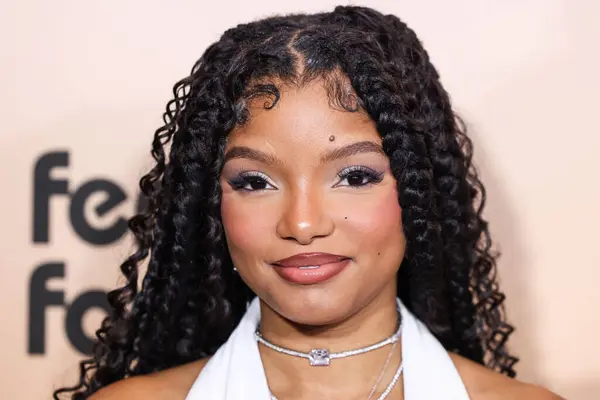
Halle Bailey entered a new level of visibility with Ariel in The Little Mermaid. The role made her image globally familiar and aligned her with a character long associated with fantasy, innocence, and musical expressiveness.
Her appeal lies in softness without fragility. The reference articles connect her to a generation of Black girls who saw themselves in a classic screen role, and that cultural resonance strengthened her star presence beyond any single performance. She carries elegance in a way that feels youthful and modern.
7. Marsai Martin
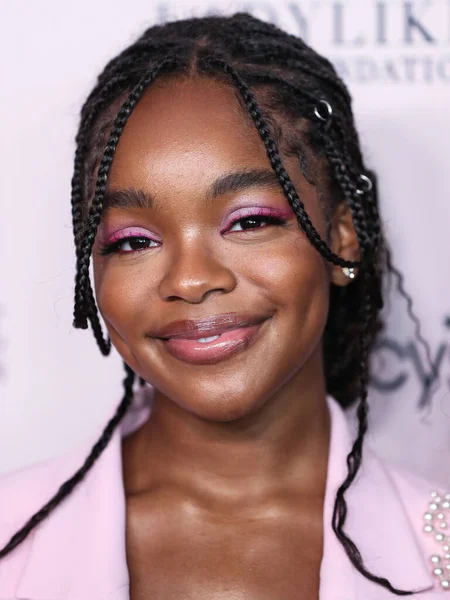
Marsai Martin continues to redefine what early-career influence can look like. Best known for Black-ish, she has also expanded into producing and entrepreneurship, with the reference material noting new projects under her production company in 2025.
That behind-the-scenes control changes how her on-screen identity is read. Martin is not only a performer but a builder of opportunities, and that creative authority gives her presence a maturity that stands out. Her style story is tied to youth, ambition, and a polished sense of direction.
8. Genoveva Umeh
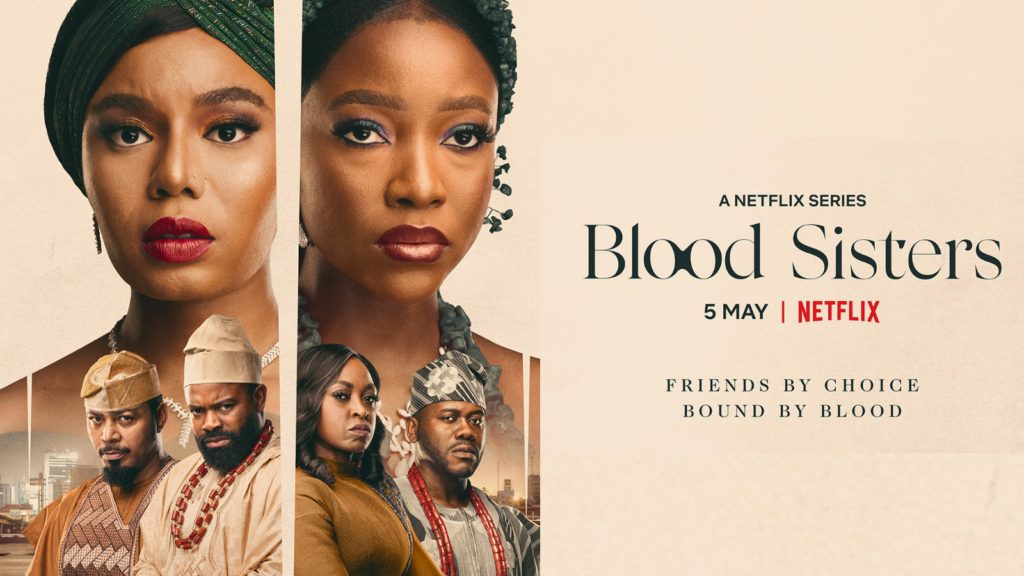
Genoveva Umeh has emerged as a standout talent through Blood Sisters, Far From Home, and her AMVCA-winning supporting performance in Breath of Life. Those credits position her as one of the most closely watched actresses working across Nigerian and streaming-led audiences.
Her screen presence is driven by emotional depth. Rather than relying on spectacle, she brings intensity through expression and stillness, and that quality often translates into a memorable visual identity. It is a quieter kind of star power, but a lasting one.
9. Rosemary Zimu
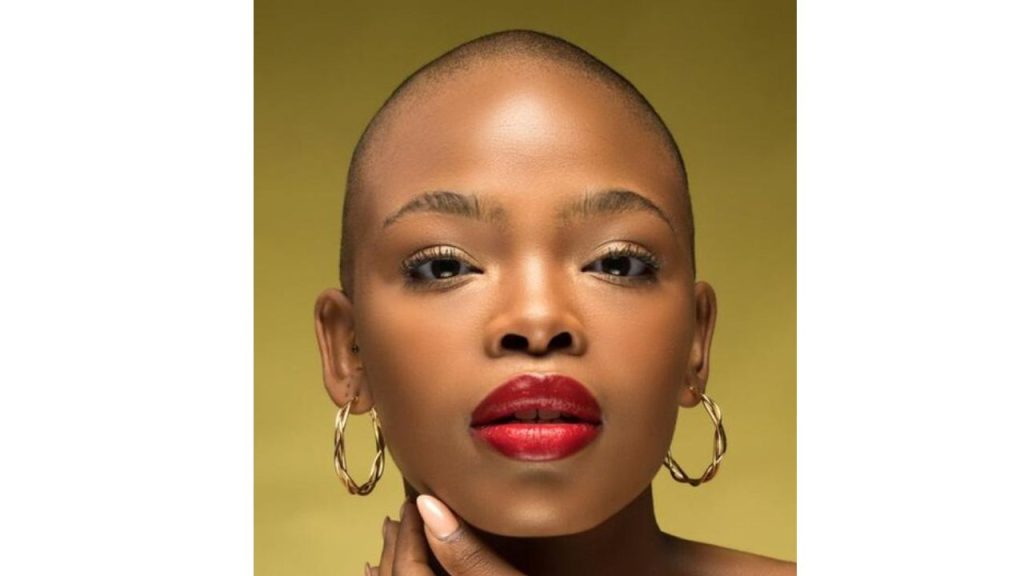
Rosemary Zimu has built attention through roles in Savage Beauty, Nine, and My Brother’s Keeper. The source material also notes her advocacy for women’s empowerment, adding dimension to a public image already shaped by strong dramatic work.
Her style and screen appeal come from confidence. Zimu projects composure with a modern, high-gloss presence that suits contemporary television especially well. She represents how transnational Black stardom is increasingly influencing the broader conversation around screen beauty and presence.
10. Jemima Osunde
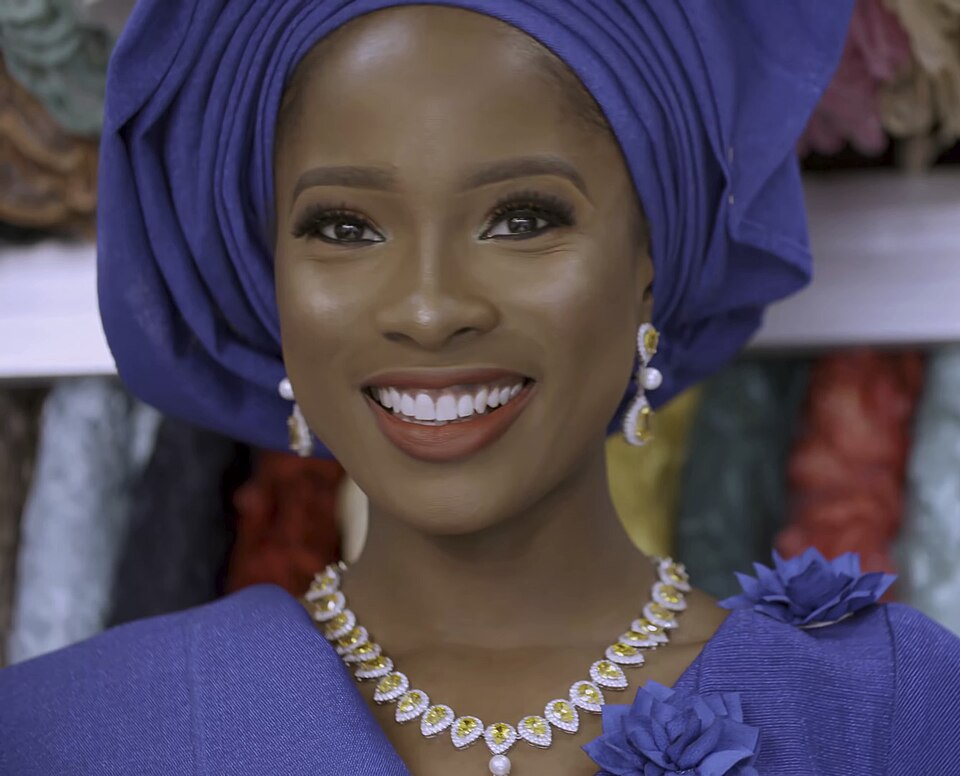
Jemima Osunde brings a multidimensional profile to entertainment. Known for MTV Shuga, Rumour Has It, and Quam’s Money, she has also moved into entrepreneurship through the 2023 co-launch of Sanaa Beauty.
Her visibility has not been limited to polished appearances. The reference material also notes her disclosure of a long health struggle connected to Helicobacter pylori infection and GERD, which added a note of candor to her public persona. That openness, paired with her polished image, makes her presence feel grounded and contemporary.
Taken together, these actresses reflect a wider change in how Hollywood and adjacent screen industries define influence. Their impact is visible in casting, performance choices, fashion language, and the public narratives they choose to carry.
Style in this context is not only about clothing or beauty. It is also about control, cultural clarity, and the ability to hold attention on screen in a way that feels lasting.