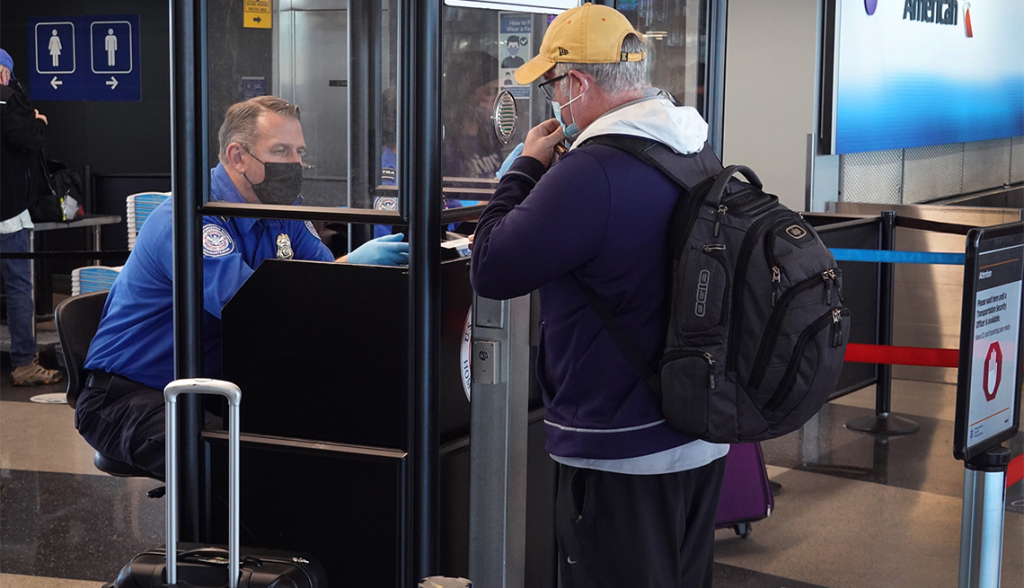
Airport security moves faster when travelers do a few simple things before they reach the front of the line. Most slowdowns are not dramatic. They come from everyday habits that force extra checks, repeat scans, and long pauses at exactly the wrong moment.
That matters even more during heavy travel periods, when the TSA screened over two million passengers a day during the 2025 Christmas and New Year’s stretch. A smoother checkpoint often starts with what a traveler packs, wears, says, and keeps in reach.
1. Waiting until the conveyor belt to get organized
Security officers regularly see travelers reach the bins and only then start digging for identification, boarding information, liquids, and electronics. That last-minute scramble creates a bottleneck for everyone behind them. Keeping documents easy to grab and placing screening items where they can be removed quickly makes the lane move more cleanly.
2. Carrying oversized liquids and other prohibited items
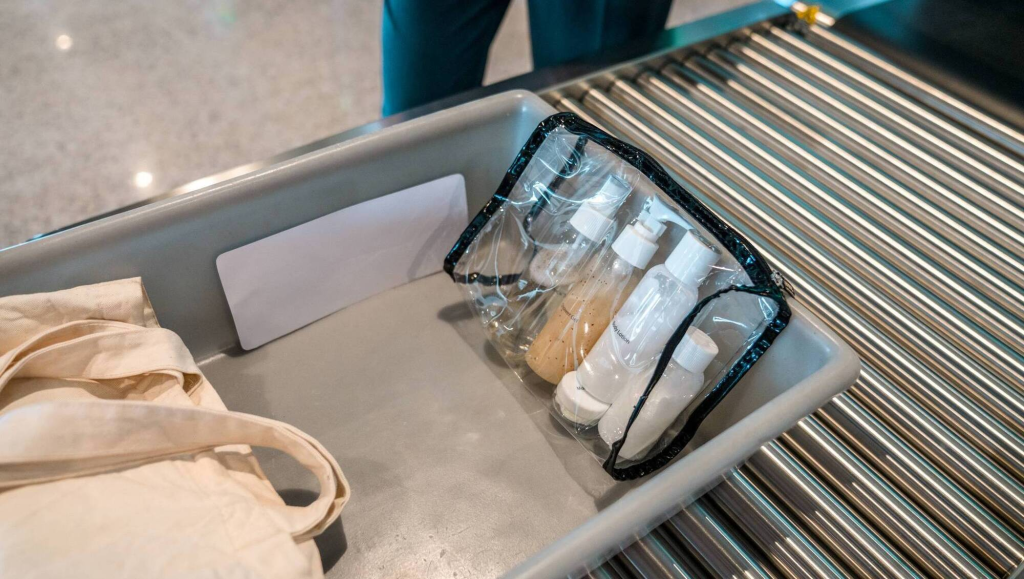
One of the most common causes of delays is bringing items that do not belong in a carry-on. The TSA has said that liquids over 3.4 ounces and firearms are among the items that slow the process most. Even harmless oversights, such as a half-full water bottle or a forgotten pocket knife, can lead to bag checks and added screening.
3. Leaving large electronics buried in a carry-on
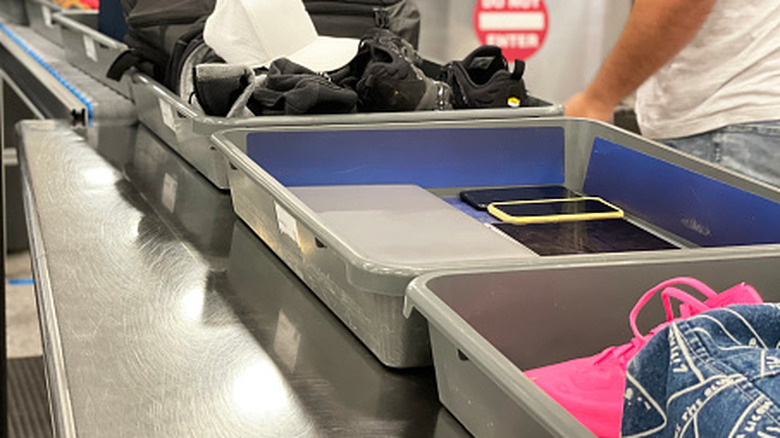
In standard screening lanes, devices larger than a cell phone often need to come out of the bag. When a laptop or tablet stays packed inside, the bag may be flagged and screened again. That extra step can take longer than many travelers expect, especially when several people in the same line make the same mistake.
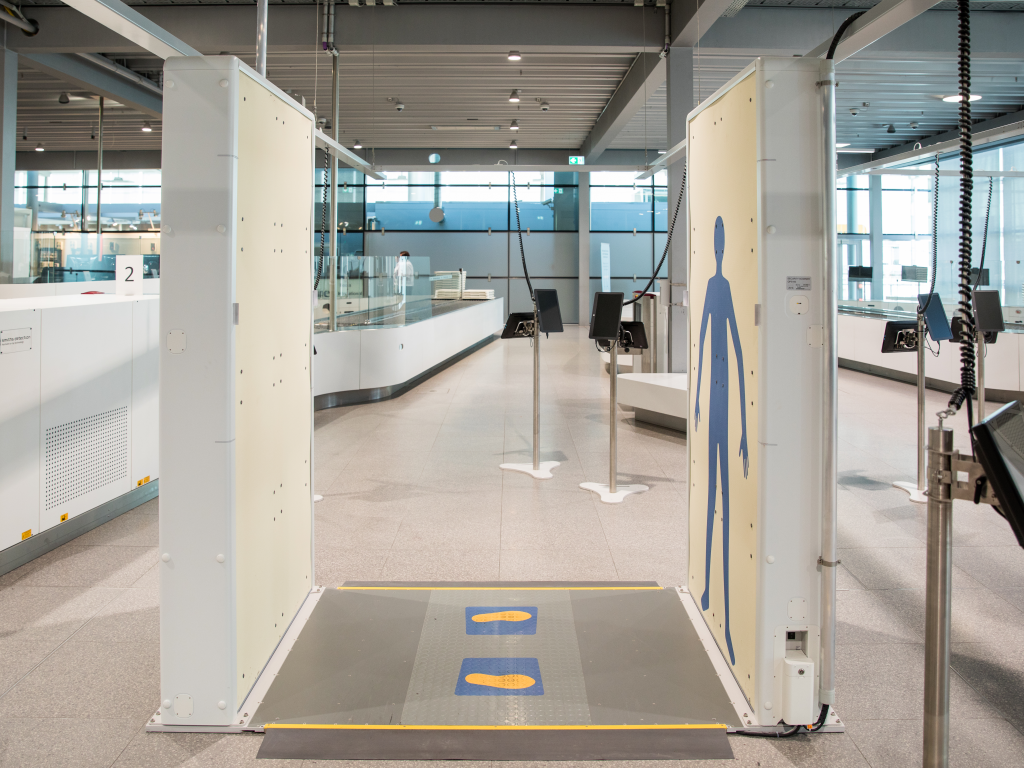
4. Walking into the scanner with full pockets
Phones, keys, coins, and other pocket items frequently trigger alarms. Once that happens, screening becomes slower and more involved. Emptying pockets completely before stepping forward is one of the simplest ways to avoid an unnecessary delay.
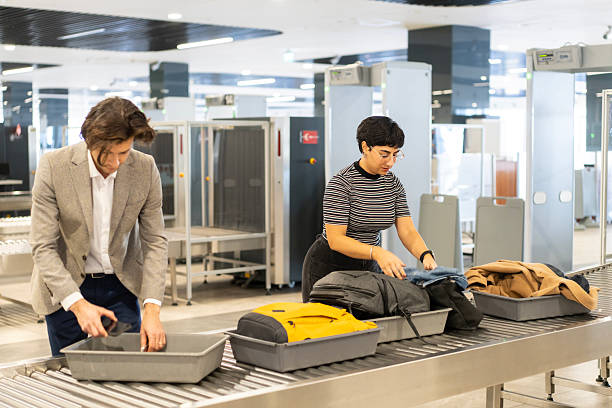
5. Packing without checking old bags first
A rushed pack job can create problems before the trip even starts. TSA travel guidance advises passengers to start with an EMPTY bag, including all pockets and compartments. Old receipts are harmless, but leftover sharp objects, liquids, or forgotten tools can turn a routine screening into a manual inspection.
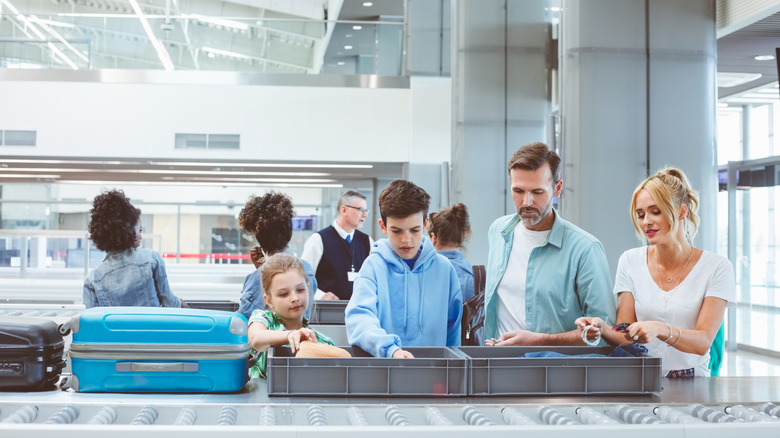
6. Dressing in ways that make screening harder
Bulky outerwear, hard-to-remove shoes, extra accessories, and metal-heavy clothing can all slow the checkpoint process. Travelers in standard lanes are often asked to remove shoes, belts, and outerwear, so outfits that are simple and easy to adjust tend to create fewer delays. A streamlined outfit also reduces the chances of repeated alarms and repacking at the end of the belt.
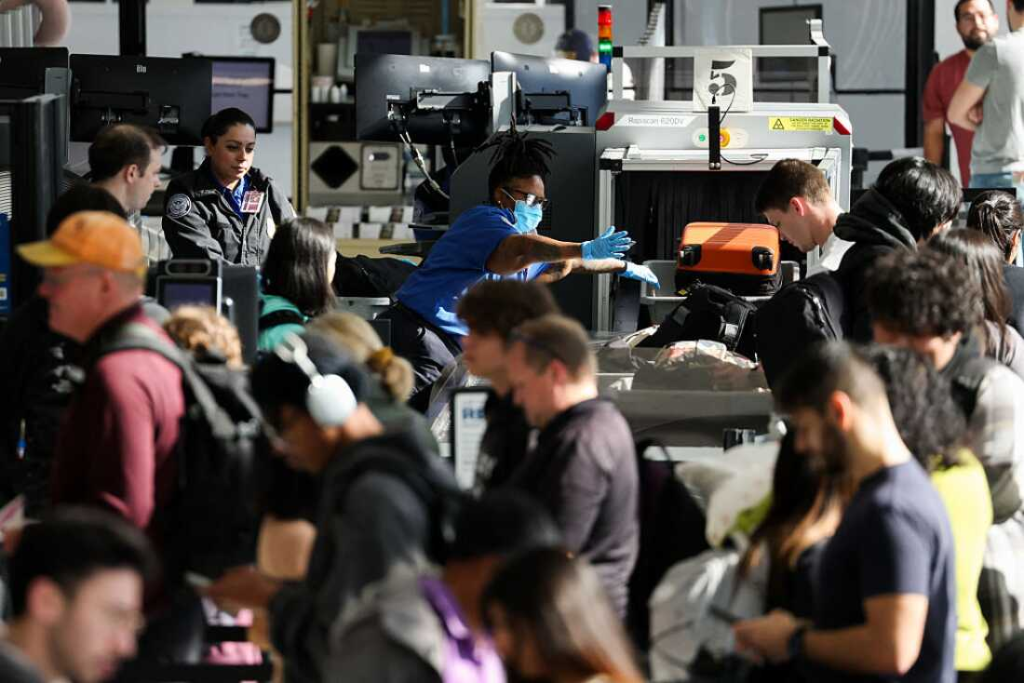
7. Ignoring officer instructions in the lane
Checkpoint procedures are not always identical from one lane or airport to another. Officers may redirect passengers, ask for a different bin setup, or move people to a less crowded area. Travelers who keep looking at their phones or assume every checkpoint works the same way often miss those instructions and slow the process for themselves and others.
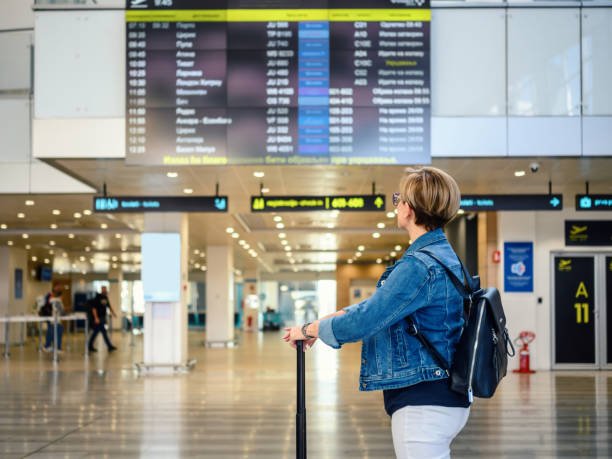
8. Arriving so late that everything becomes frantic
Rushing changes behavior. It leads to forgotten documents, stuffed pockets, missed directions, and hurried repacking. TSA officials and airport travel specialists have long advised arriving early because crowded checkpoints, flight disruptions, and peak departure windows can all lengthen the line without warning.
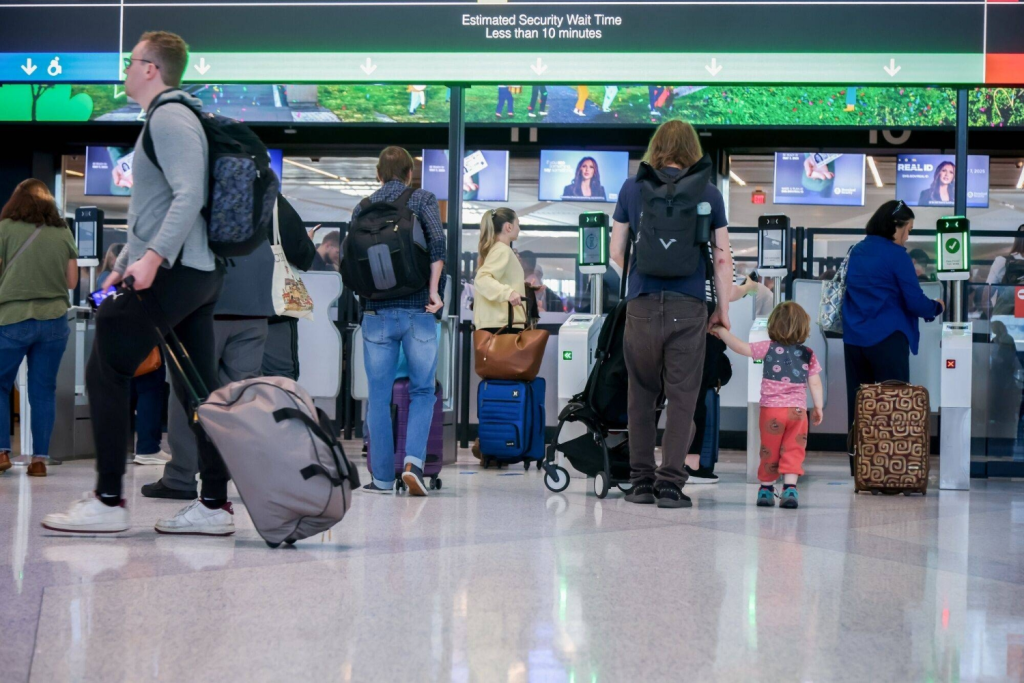
9. Making jokes about dangerous items
This habit does not read as clever at a checkpoint. Security professionals have repeatedly warned that jokes involving guns, bombs, explosives, or smuggling can lead to questioning and added scrutiny. What sounds offhand to one traveler can require a formal response from the people running the lane.
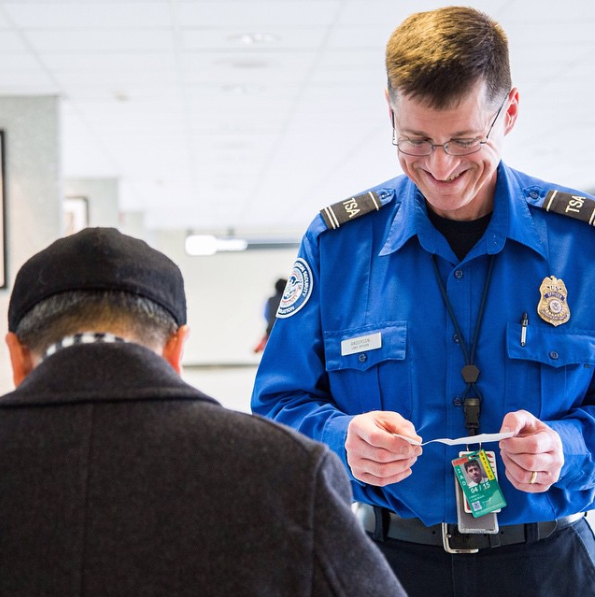
10. Talking so much that screening turns into a distraction
Brief courtesy helps. Extended chatting does not. Security officers are focused on IDs, bags, scanner images, and instructions moving through a busy space. Overly conversational behavior can interrupt that flow, and in some cases it may be viewed as an attempt to distract attention from the screening process. A simple hello and thank you is usually enough.
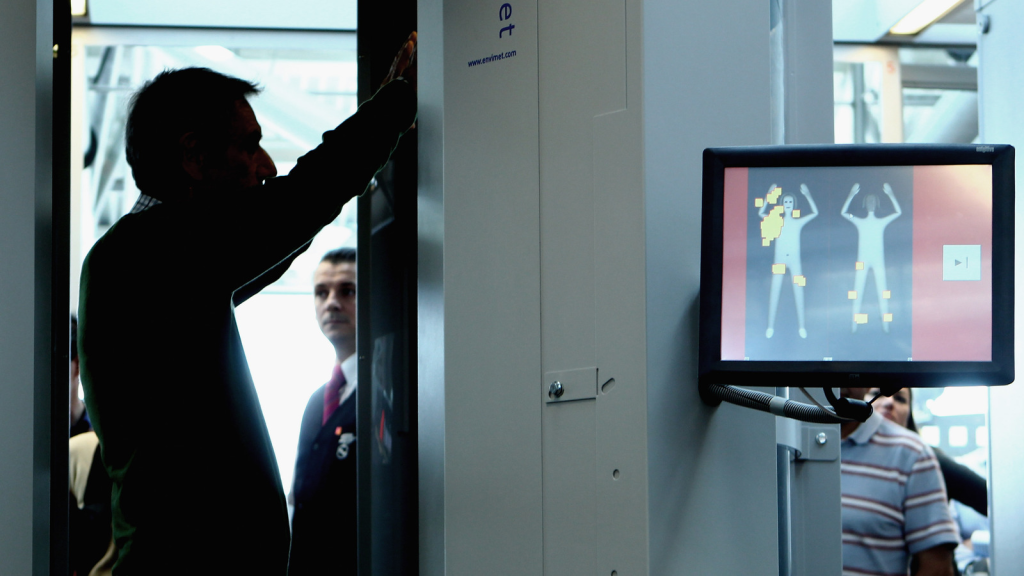
11. Failing to mention a medical device before screening starts
Travelers with insulin pumps, glucose monitors, or other attached medical devices are not expected to remove them, but they should tell officers about them before screening begins. According to TSA guidance on medical devices, those items may require separate screening or visual inspection. Early communication helps officers choose the right procedure without confusion at the scanner.
Many checkpoint problems look small in the moment, but they add up quickly. A bag that needs to be reopened, an item left in a pocket, or a traveler who reaches the front unprepared can slow an entire lane.
The habits security officers seem to appreciate most are also the least flashy: packing carefully, listening closely, keeping essentials accessible, and knowing the rules before leaving home. Travelers who do that are more likely to move through screening with less stress and fewer surprises.