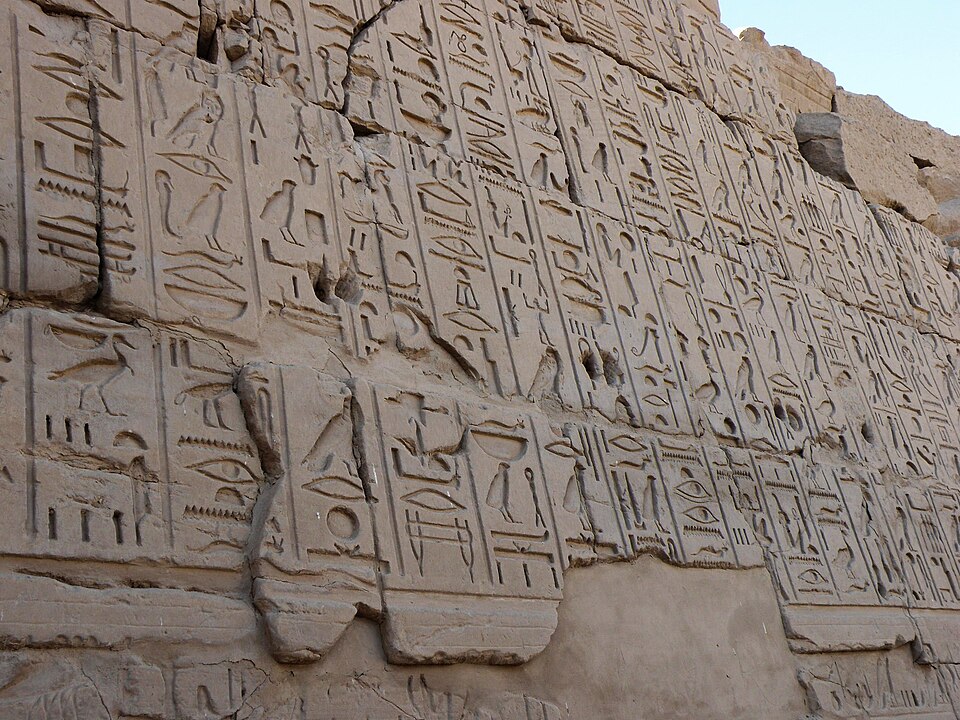
Ancient Egypt and the Hebrew Bible are often placed in separate cultural worlds, yet the surviving record shows repeated points of contact. Some of those links appear in monumental inscriptions, some in administrative texts, and some in later Egyptian retellings that preserve a memory of older disputes in sharply altered form.
These texts do not reproduce biblical narratives word for word. What they offer instead is something more revealing: glimpses of a shared ancient landscape where Egyptian scribes, rulers, and later historians referred to peoples, places, labor systems, and divine names that also stand close to the biblical world.
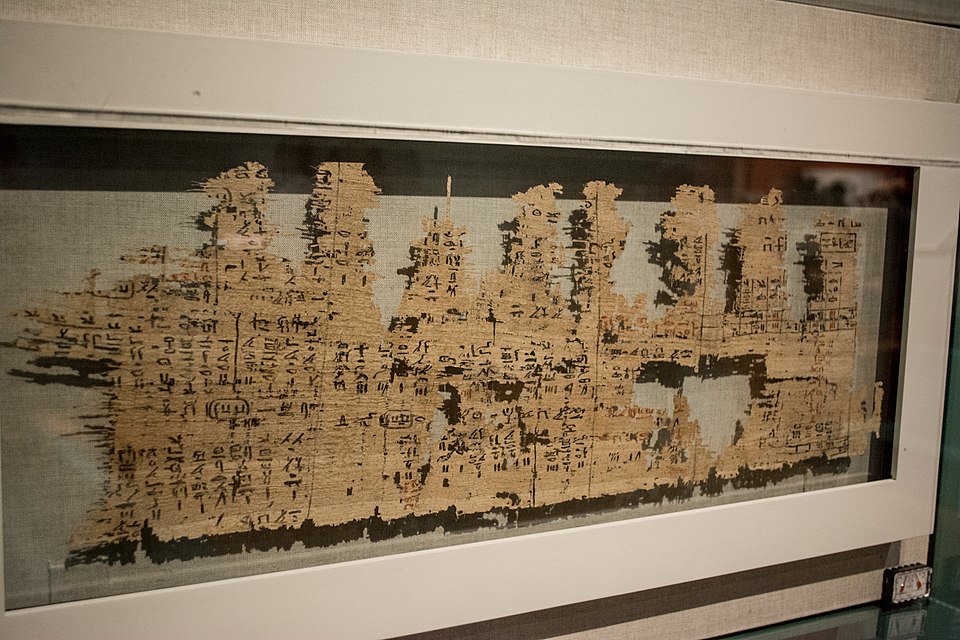
1. Papyrus Brooklyn 35.1446
This household document from the late Middle Kingdom or early Second Intermediate Period is often discussed because it preserves a list of servants, many of them identified by Northwest Semitic names. In one estate alone, more than 40 individuals appear to have names linked to western Asia, showing that Semitic-speaking populations were not marginal visitors in Egypt but part of daily life.

That matters for the background of Genesis and Exodus. The Hebrew Bible describes families from Canaan entering Egypt during famine, settling there, and over generations becoming a large laboring population. Papyrus Brooklyn does not name Israel as a nation, but it does show that such a social setting was real enough. A servant ledger with people from the Levant fits the same world as Joseph’s rise in an Egyptian household and the broader biblical memory of Hebrews living in Egypt long before any departure story took shape.
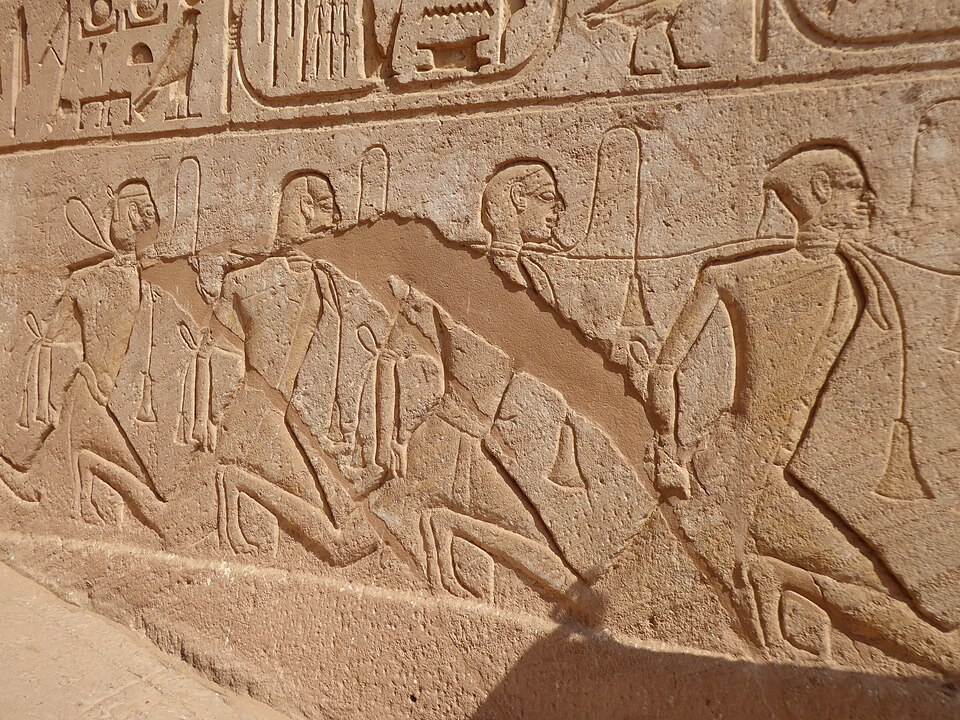
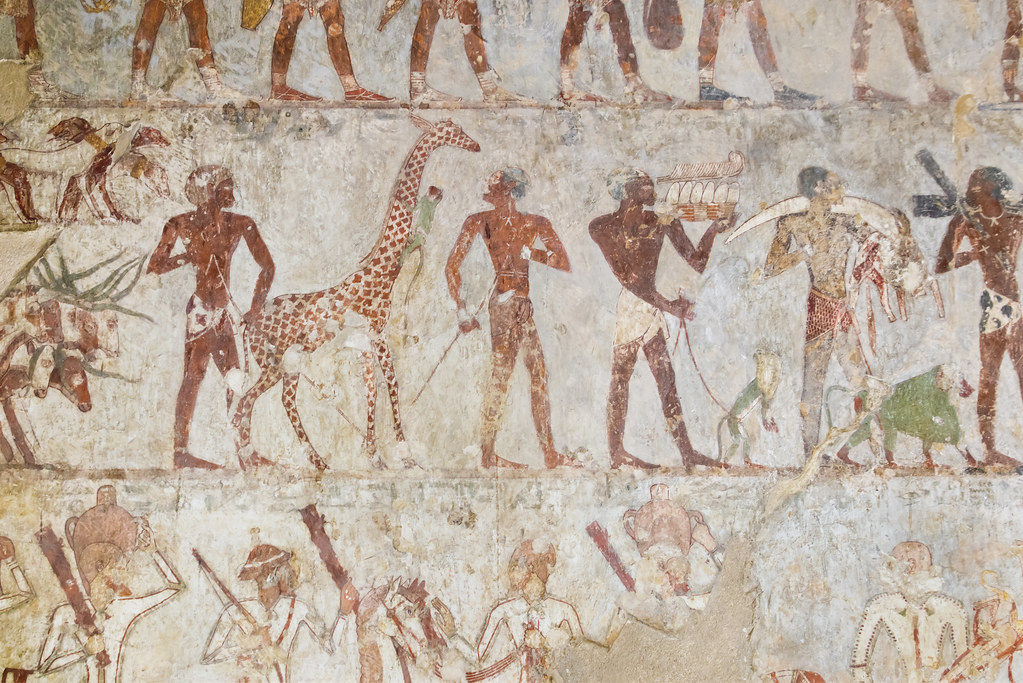
2. The Beni Hasan Tomb Painting of Asiatics
In the tomb of Khnumhotep II at Beni Hasan, a painted scene shows a group of 37 Semites from Canaan arriving in Egypt with animals, goods, women, and children. The image is not a biblical illustration, but its resemblance to the movement described in Genesis is difficult to miss: a Levantine caravan entering Egypt in a time when such migration clearly happened.
The scene gives visual form to a pattern the Bible assumes throughout the patriarchal stories. Egypt was a destination for outsiders during stress in Canaan, especially famine. Rather than proving a single family narrative, the painting establishes the wider historical frame in which stories about Abraham, Jacob, and Joseph were set. It shows that pastoral and merchant groups from the Levant did cross into Egypt with households intact, carrying the kind of material world Genesis describes.
3. The Rekhmire Brickmaking Scene
One of the most striking Egyptian echoes of Exodus appears not in a royal boast, but in tomb art. In the tomb of the vizier Rekhmire, laborers are shown mixing mud, forming bricks, and carrying them for state building projects. The accompanying inscription identifies them as captives from foreign lands, including Syro-Palestinian regions.
The biblical account of Israelite bondage turns repeatedly to brick labor, harsh oversight, and construction for the crown. This scene does not identify Hebrews by name, and it should not be forced into a one-to-one match. Still, it preserves the exact kind of labor regime Exodus describes: foreign workers pressed into brick production under Egyptian supervision. In that sense, it offers a grounded picture of what bondage in Egypt could look like, down to the combination of mud, transport, and organized coercion.
4. Proto-Sinaitic Inscriptions from Serabit el-Khadim
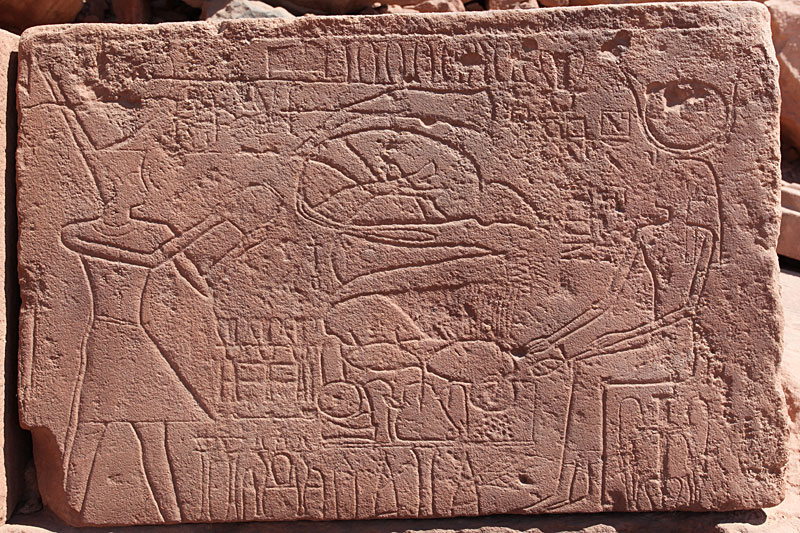
At the turquoise mines of Serabit el-Khadim in Sinai, archaeologists found a small but important group of inscriptions now known as Proto-Sinaitic. They are usually dated to the 19th to 16th centuries B.C. and are widely recognized as among the earliest traces of alphabetic writing. These texts matter for the biblical world because they were carved in an Egyptian setting by Semitic-speaking workers or communities connected to the mines.
According to the Proto-Sinaitic corpus, the script appears to have adapted Egyptian signs into an early alphabetic system. One short inscription has been rendered as “O my god, rescue me from the interior of the mine.” The importance is larger than any single phrase. Exodus belongs to a world where Semitic populations moved through Egyptian-controlled zones in Sinai, worked under Egyptian authority, and possessed forms of writing earlier than older skepticism once allowed. These inscriptions place Semitic language, labor, and devotion in exactly that frontier landscape.
5. The Soleb Inscription and the “Shasu of Yahweh”
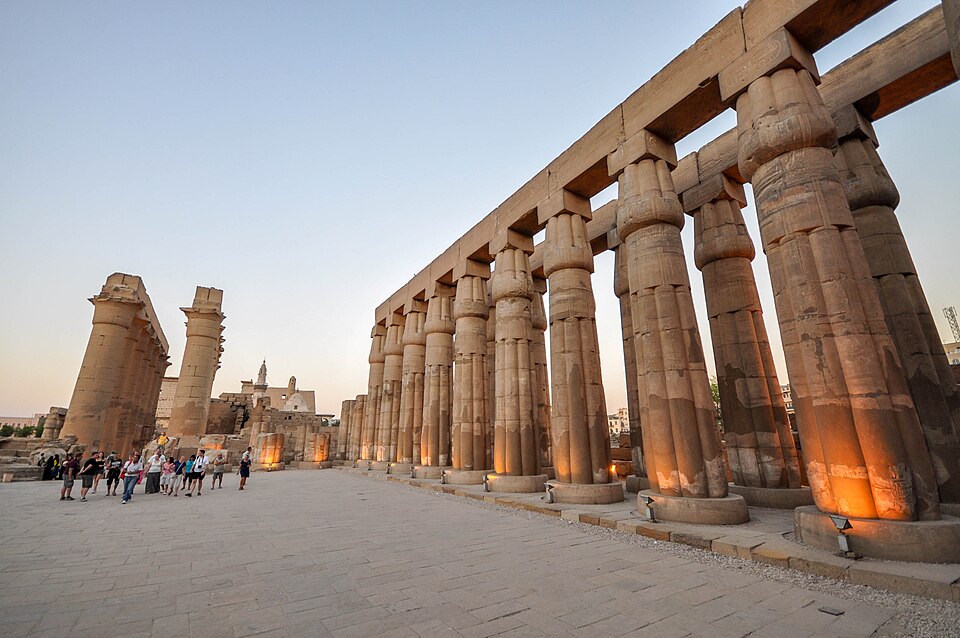
At Soleb in Nubia, an inscription from the reign of Amenhotep III includes a place-name often read as the land of the Shasu of Yahweh. Whatever debates continue about geography, many scholars accept it as one of the earliest non-biblical references to the divine name Yahweh. This is a brief text, but it carries unusual weight.
It suggests that Egyptian officials knew of a group or region associated with Yahweh in the 15th century B.C. That does not retell the story of Moses before Pharaoh. It does, however, echo a central biblical claim: that Yahweh was not a late literary invention but a name known in the southern Levantine world. For readers of the Hebrew Bible, the inscription is significant less as proof of one event than as evidence that the name of Israel’s God had entered Egyptian awareness.
6. Manetho’s Account of Osarsiph and Moses
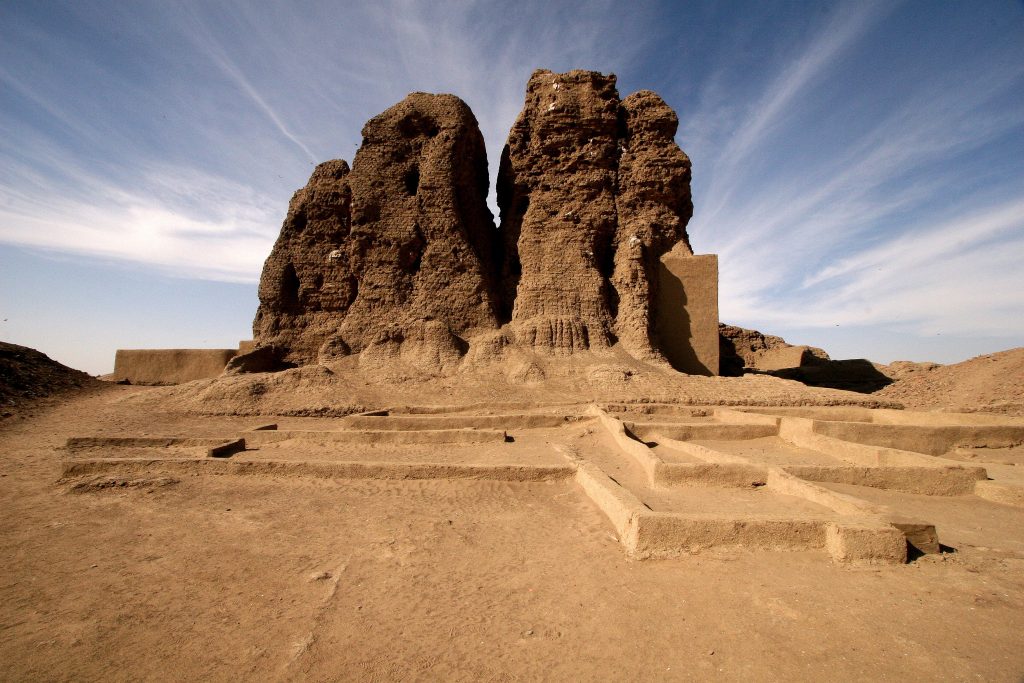
The most dramatic Egyptian parallel comes from much later. Writing in Greek in the Ptolemaic era, Manetho preserved a hostile tradition about a polluted population, stone-quarry labor in the east, a leader named Osarsiph who later took the name Moses, occupation of Avaris, and eventual expulsion toward Syria and Judea. The surviving text comes through later quotations, especially in Josephus.

This is not the Exodus story in biblical form. It is a polemical inversion. The villains and victims are reversed, Egyptian prestige is protected, and the memory of catastrophe is recast as a triumph. Yet the overlap is striking: Manetho’s preserved fragments mention 80,000 people sent to quarries, Avaris as a central setting, and a leader renamed Moses. A later retelling summarized the pattern as an Egyptian “upside-down take” on Exodus, where Moses becomes an enemy priest and Egypt becomes the injured party. Even in distortion, the narrative echoes biblical themes of oppression, separation, wilderness movement, and departure from Egypt.
Taken together, these texts do not collapse Egypt into the Bible or the Bible into Egypt. They show something more historically useful: the Hebrew Bible emerged in a world Egypt knew well, recorded often, and sometimes remembered bitterly.
From servant lists and brickmaking scenes to frontier inscriptions and later anti-Israel polemic, the Egyptian record preserves a chorus of partial reflections. None stands alone as a complete mirror. But side by side, they reveal how deeply the worlds of pharaohs and the Hebrew Bible were entangled.