
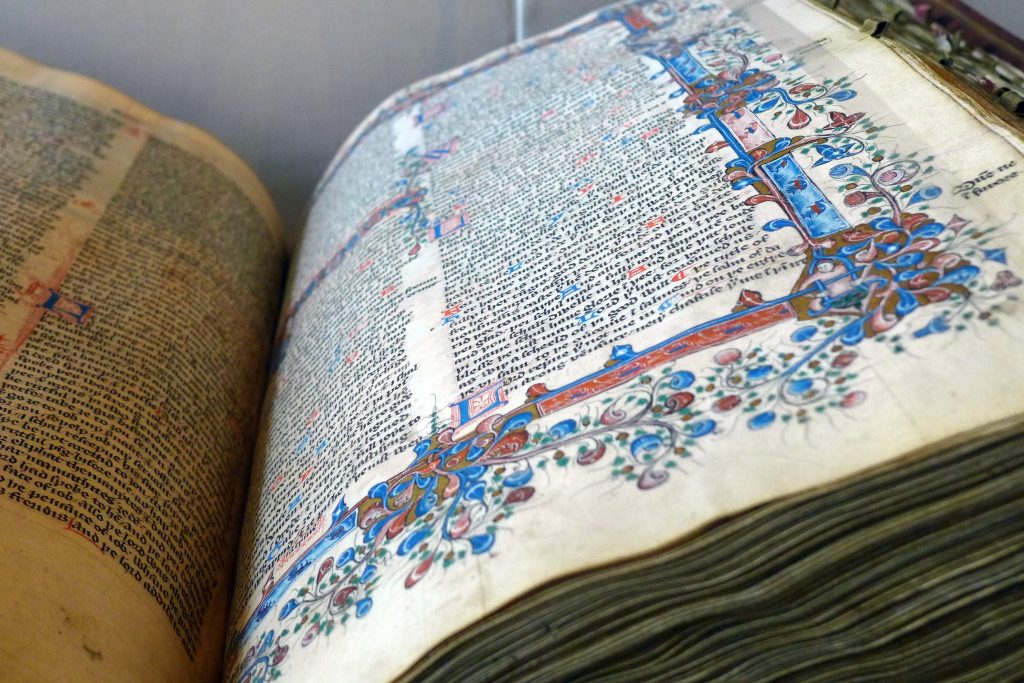
The Exodus has long lived in the space between memory, scripture, and history. What keeps the debate alive is not a single artifact that settles every question, but a growing cluster of texts, inscriptions, place names, and cultural traces that continue to pull the story back into serious discussion. That does not amount to proof in the modern courtroom sense. It does mean the old claim that the Exodus sits entirely outside recoverable history has become harder to sustain.
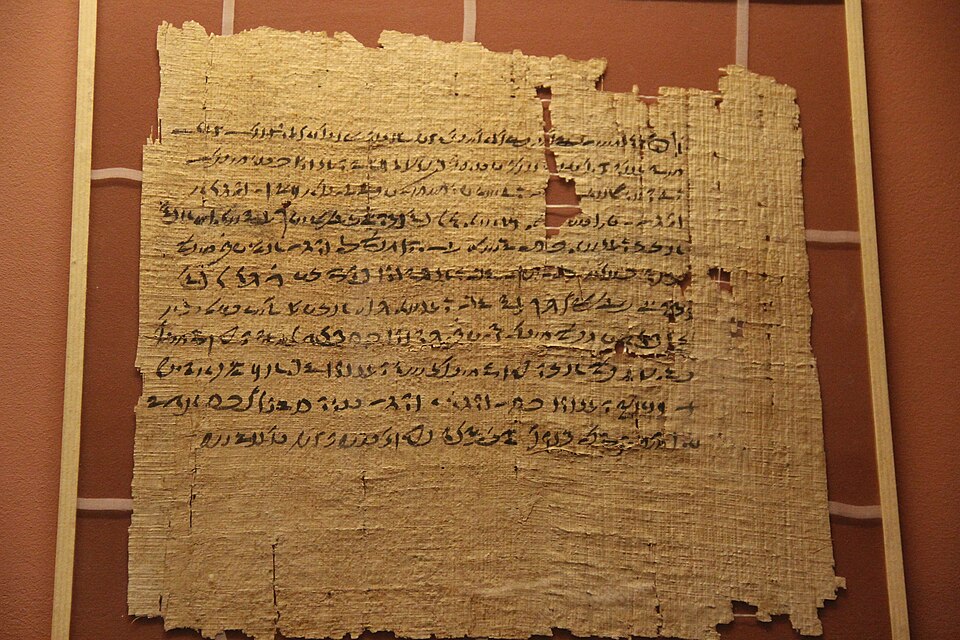
1. Egyptian texts preserve a story pattern that closely echoes Exodus
One of the strongest points of interest comes from Manetho, the Egyptian priest-historian whose work survives through later quotations. His account describes a marginalized group inside Egypt, conflict with Pharaoh, hostility toward Egyptian religion, outside allies from Canaan, and a leader who becomes associated with Moses. The details do not match the biblical text line for line, but the narrative shape is difficult to ignore.
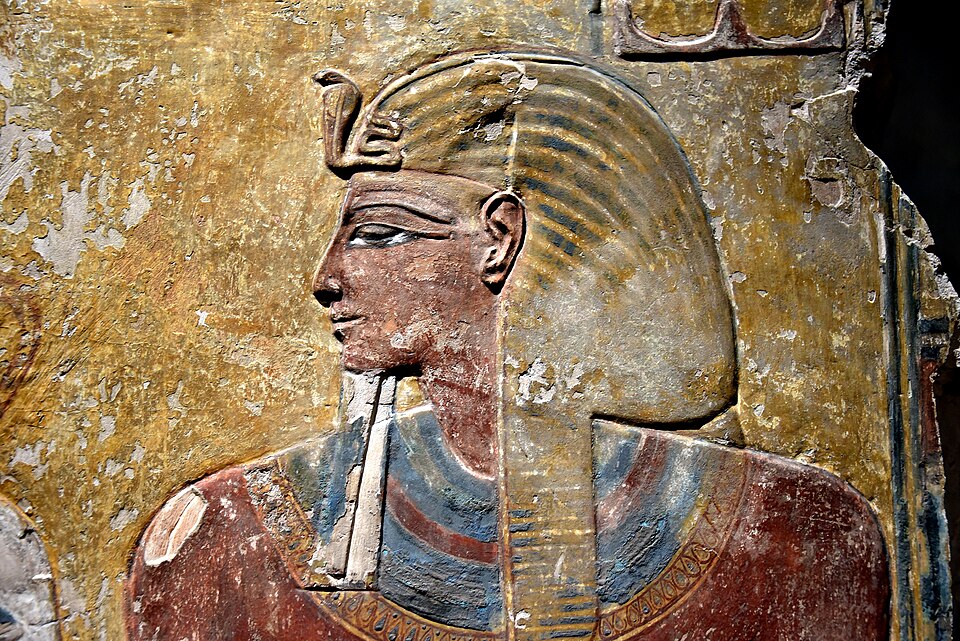
A Harvard Divinity School discussion of Manetho highlights the figure of Osarseph, who later “changed his name to Moses,” and connects the account with Pharaoh’s fear in Exodus that an internal population could join external enemies. That overlap is one reason the Manetho tradition remains relevant when asking whether Exodus preserves a memory of an older Egyptian crisis narrative.
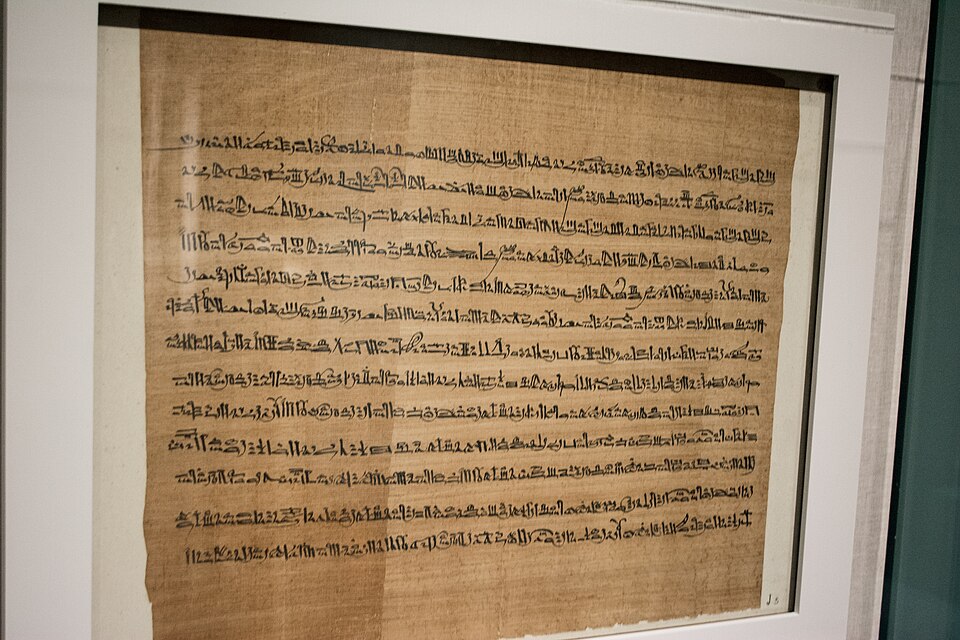
2. The Great Harris Papyrus describes a foreign ruler disrupting Egypt
The Great Harris Papyrus, one of Egypt’s major surviving documents, recounts a period of disorder after the death of Queen Tausert. In that account, a self-made ruler described as “Haru” a term linked with Syria-Canaan rose to power, imposed control, and disrupted traditional temple life. The portrait is not identical to Exodus, yet it places a foreign-linked upheaval squarely within Egyptian memory.
That matters because the biblical story also centers on tension between imperial authority and a distinct population that does not fit comfortably within Egyptian religious and political order. The papyrus does not name Israel, but it does show that Egyptian sources remembered a moment when outsiders and internal unrest became entangled.
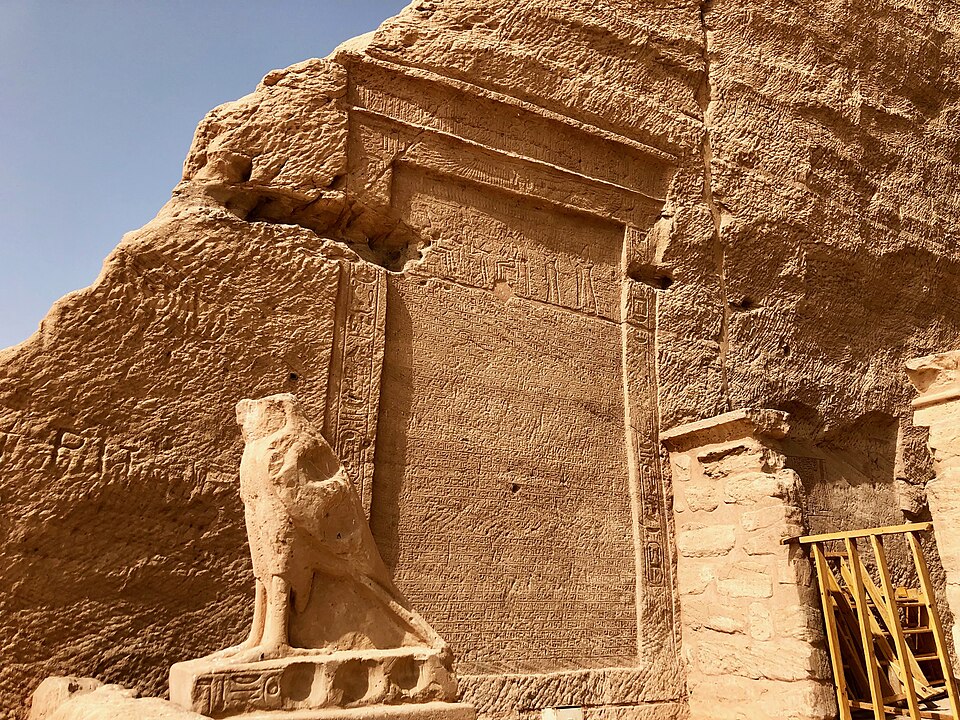
3. An Elephantine inscription preserves the image of enemies fleeing with silver and gold left behind
A monument from Setnakhte’s reign adds another striking detail. It describes opponents who “fled like swallows fleeing the hawk,” abandoning wealth in the process. In the biblical telling, the Israelites depart with silver and gold received from Egyptians before leaving.
The wording is not a direct parallel, but the image is memorable: frightened departure, precious metal, and a decisive break. In the broader Exodus discussion, this is the kind of convergence that draws attention because it joins literary memory with a pharaonic inscription rather than later interpretation alone.
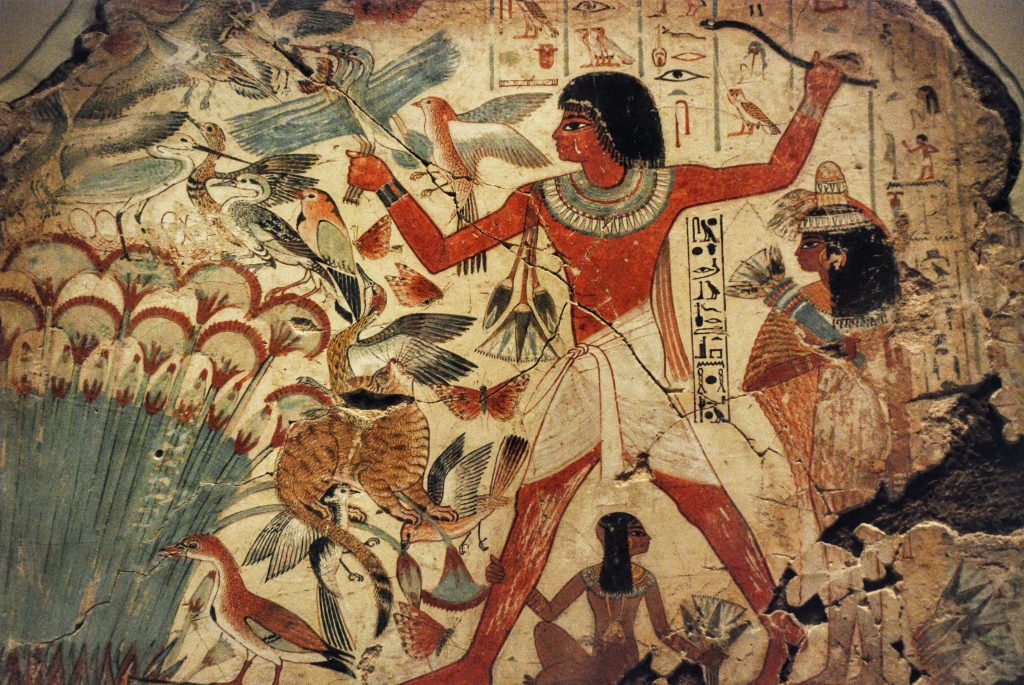
4. The Levites may preserve the earliest Egyptian strand of the Exodus memory
Some scholars have argued that the Exodus tradition may have begun not with an entire population moving at once, but with a smaller core group, often linked to the Levites. This theory attracts attention because several Levite names have a recognizable Egyptian character, including Phinehas and Hophni. It also helps explain why Egyptian cultural features appear more strongly in some biblical materials than in others.
Rather than requiring every later Israelite group to have shared the same migration story in the same form, this view suggests that one community carried the memory out of Egypt and then transmitted it into the wider national tradition. That would make the Exodus less a single flat event in public memory and more a layered inheritance.
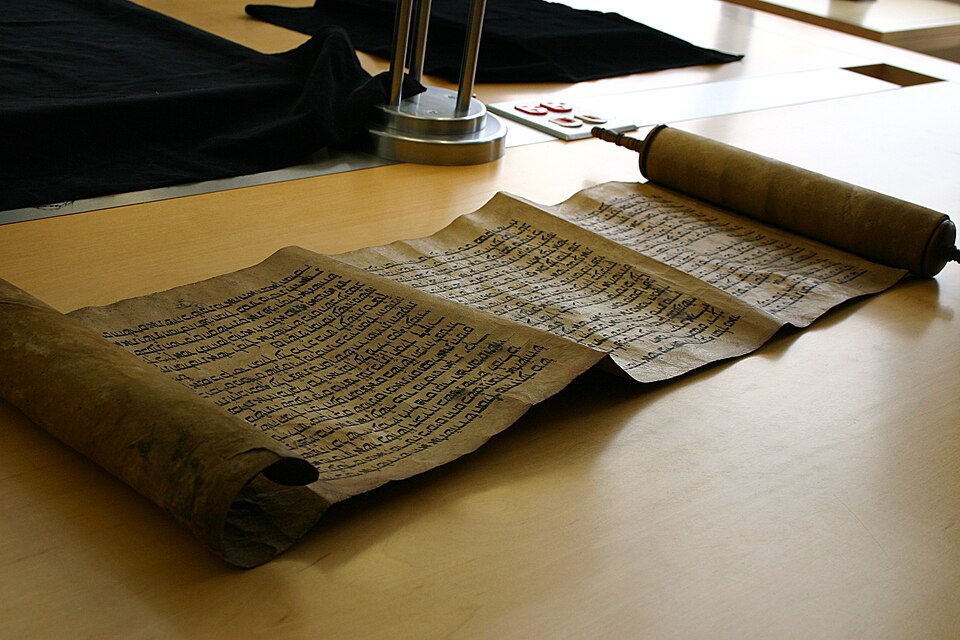
5. Ancient songs in the Bible preserve older, uneven memories
Two of the Bible’s oldest poetic texts are especially revealing: the Song of Miriam and the Song of Deborah. They do not read like polished later summaries. They preserve fragments of identity, victory, worship, and tribal memory that do not fully align with one another.
The Song of Miriam celebrates deliverance at the sea, while the Song of Deborah reflects a tribal landscape inside Canaan and notably does not center Levi in the same way. That unevenness is important. It suggests the biblical tradition may have grown by combining older memories from different communities rather than by inventing a seamless story all at once.

6. Geography on Egypt’s eastern frontier fits a “Sea of Reeds” setting better than many assume
The familiar phrase “Red Sea” can hide an older and more complex picture. Many specialists note that the Hebrew term yam suph means “Sea of Reeds”, not necessarily the deep open water often imagined in popular retellings.
Research on the marsh-lake zones of Egypt’s eastern delta, especially around the Ballah Lake region and frontier canals, has strengthened the case that the crossing tradition grew out of a real border landscape of water, reeds, embankments, and forts. That does not end debate over the exact route. It does show that the biblical setting matches a historically plausible frontier world far better than the old assumption that no such environment existed.
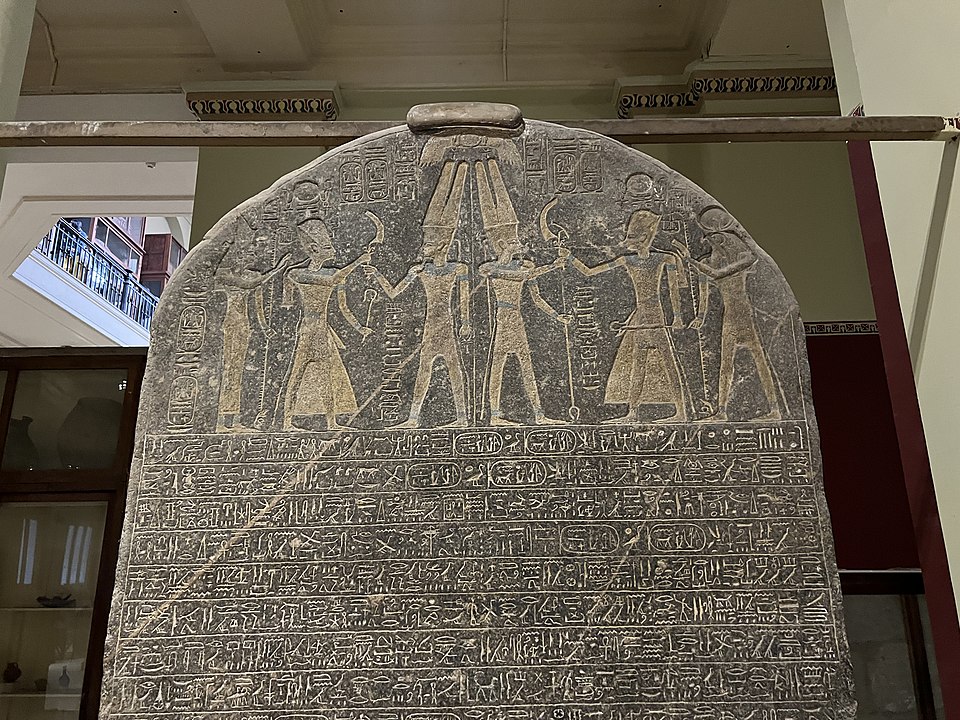
7. The Merneptah Stele shows Israel was already established in Canaan by about 1207 BCE
Any Exodus discussion eventually runs into chronology. Here the Merneptah Stele remains one of the most important anchors because it contains the earliest undisputed extra-biblical reference to Israel. The inscription is usually dated to around 1205 BCE, with the campaign it commemorates placed around 1207 BCE.
That does not prove the Exodus by itself. It does establish that a people called Israel was known in Canaan by the late 13th century BCE. Any theory that places Israel’s emergence too late has to account for that fact. The stele also serves as a reminder that ancient royal inscriptions were often highly rhetorical, so its language should be handled carefully, but its witness to Israel’s presence remains foundational.
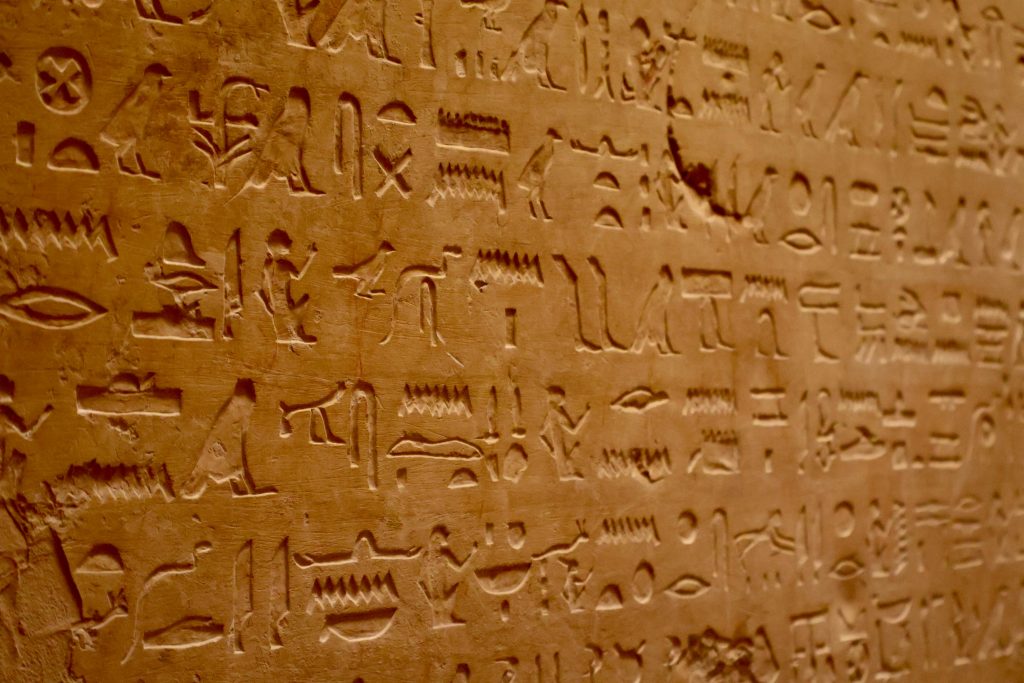
Taken together, these clues do not erase every uncertainty. They do something more durable: they show that the Exodus question belongs in history as well as theology. Egyptian texts, frontier geography, early biblical poetry, and cultural traces inside Israel’s own traditions all point toward a story with deep roots. The result is not a final verdict, but a richer and more serious conversation than the old claim that there is simply nothing there.


