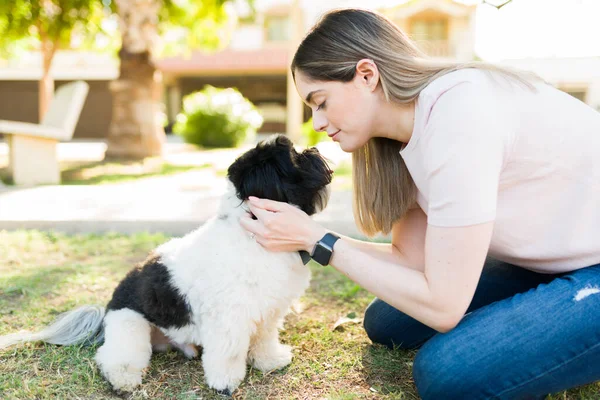
Dogs do not announce trust in grand gestures. More often, it appears in small, repeatable moments: a softened gaze, a settled body, a choice to stay close without asking for anything at all.
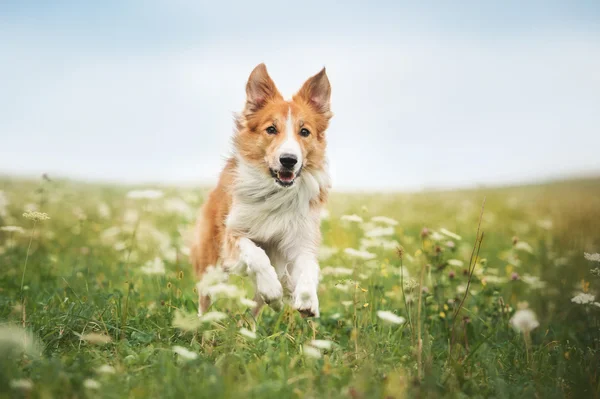
That matters because canine trust is built through ordinary life. Body language experts and behavior sources describe safety in dogs as a pattern of comfort, predictability, and social connection, not a single dramatic sign. These quieter signals can be easy to miss precisely because they look so calm.
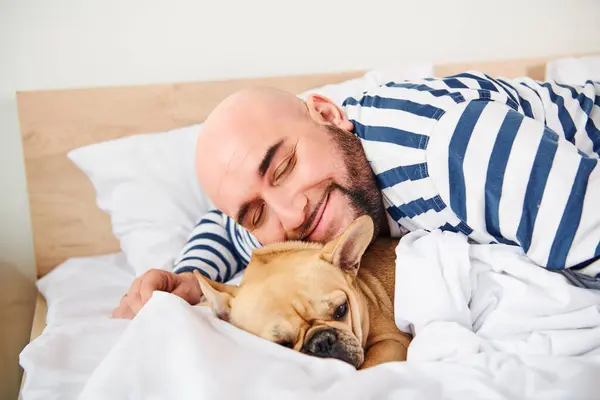
1. They settle down near you without needing constant contact
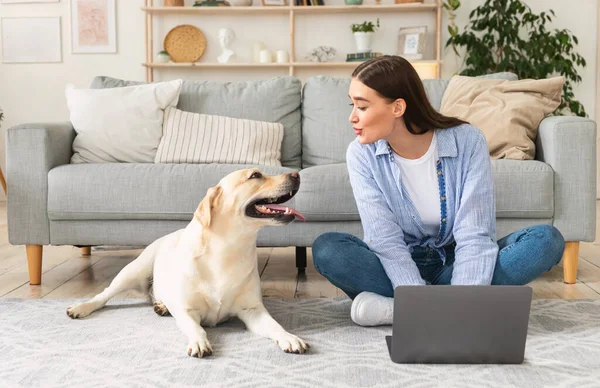
A dog that chooses the floor by the sofa, a bed beside the desk, or a spot near the bedroom door is often showing something deeper than convenience. Resting close by places the dog in a comfortable, low-vigilance state, which suggests the person nearby does not feel like a source of pressure or uncertainty. That closeness does not have to look cuddly. Some dogs press against a leg, while others simply remain within a few feet. Pet behavior guidance often notes that dogs who feel secure prefer to relax where they are comfortable, and that includes sleeping or resting in the same room as a trusted person.
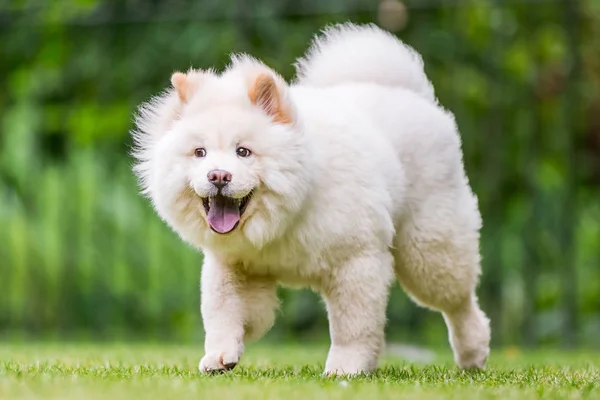
2. Their body goes soft when they are with you
Safety often shows up in posture before it shows up anywhere else. A trusting dog tends to have soft eyes, a relaxed face, and loose movement rather than a stiff gait or a guarded stance. According to dog body language guidance, signals work as a package rather than in isolation. A loose body, neutral tail position, relaxed mouth, and easy blinking together create a much clearer picture than one tail wag alone. In daily life, that can look like a dog leaning into a gentle pet, sprawling on one hip, or greeting with a full-body wiggle instead of alert tension.
3. They look to you when something feels uncertain
One of the clearest signs of emotional security is not independence, but reference. When dogs encounter something unfamiliar, many turn to the person they trust most before deciding what to do. Research discussed in behavior writing on canine social referencing found that dogs often check their owner’s face and response in ambiguous situations. In one experiment, 83% of them immediately looked at their owner and then back at the unfamiliar object. That pattern suggests the dog sees the person as a secure guide, not just a bystander.
4. They allow everyday handling without turning it into a struggle
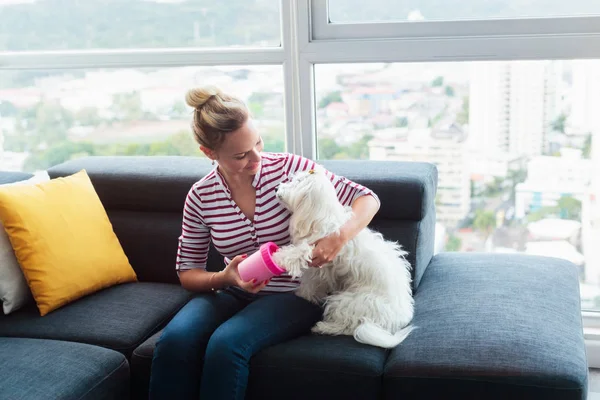
Trust becomes visible during the unglamorous parts of care. A dog that accepts tooth brushing, paw wiping, harnessing, or routine grooming with minimal resistance is often showing confidence in the human doing it. This does not mean a dog must enjoy every procedure. Many care tasks are awkward for dogs. What stands out is the absence of panic, avoidance, or defensive behavior. When a dog stays present through mildly uncomfortable moments, it usually reflects a history of being handled in ways that feel predictable and respectful.
5. They keep track of your routines and relax into them
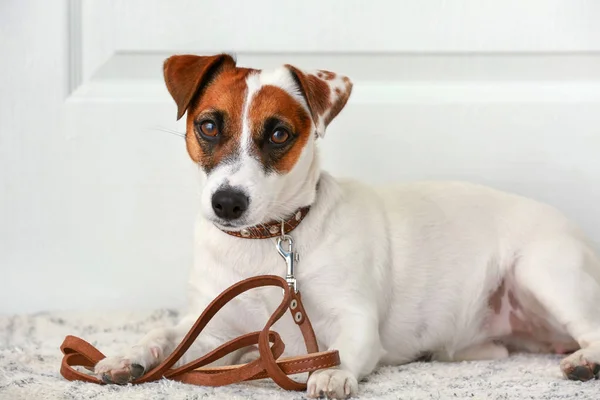
Dogs are highly attentive to patterns. Feeding times, walks, bedtime rituals, and the sound of keys at the door all become part of their map of daily safety. When a dog confidently waits for a familiar walk, heads to the kitchen before breakfast, or settles as the household follows a known rhythm, that predictability is doing emotional work. Behavior experts frequently emphasize that routine helps dogs feel secure because it teaches them what to expect from the people who care for them. In practice, the routine itself becomes a form of reassurance.

6. They bring home your scent, even in inconvenient ways
A stolen slipper is not always mischief for its own sake. Dogs often gravitate toward shoes, scarves, or laundry because scent is one of their strongest anchors, and familiar human scent can be calming. Behavior commentary has noted that carrying or resting near an owner’s belongings may reflect comfort with that connection, especially during absence. It is a small domestic habit, but it can point to a dog using the person’s scent as a steadying presence. The object may be ordinary; the meaning is not.
7. Their tail wag has an easy, positive quality
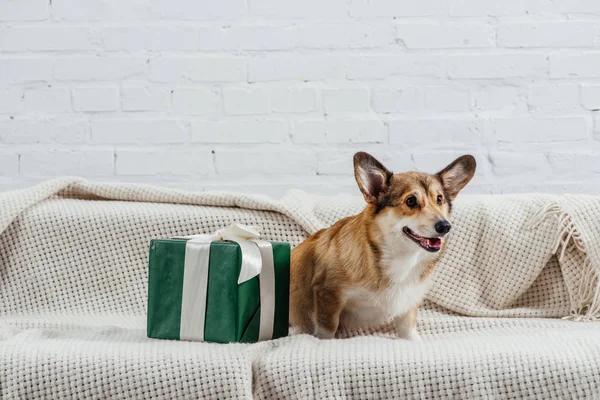
Tail wagging is famous for being misunderstood. A wag does not automatically mean happiness, and experts caution that speed, height, and the rest of the body all matter. Still, some patterns are more reassuring than others. The American Kennel Club notes that broad, sweeping wags and whole-body motion often reflect a relaxed emotional state, and studies have found dogs tend to wag their tails more to the right when responding positively. When that wag appears with soft eyes and a loose body, it often signals a dog that feels safe enough to be openly at ease.

Trust in dogs rarely arrives as a single proof. It accumulates through repeated moments when the dog expects comfort, reads calm behavior, and finds that closeness is met with consistency rather than force.
That is why the quiet signs matter. A dog resting nearby, loosening through the shoulders, checking in during uncertainty, or calmly accepting care is not performing affection. The dog is showing that safety has become part of the relationship.