
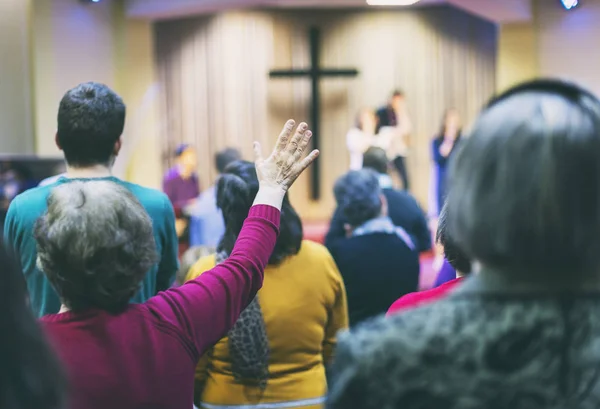
Some church questions wait politely through the hymns, the sermon, and the closing prayer. They do not disappear when the benediction lands. They simply become more audible in the parking lot, over coffee, or during the quiet drive home.
Many of those questions are not signs of indifference. They are often signs of attention, discomfort, longing, or the desire to belong more honestly. In Christian life, difficult questions tend to gather where belief meets practice, where doctrine becomes community, and where a person wonders how faith is meant to be lived with other people.
1. What is the church actually for?
This question often surfaces after a service that felt meaningful but hard to define. The church can be mistaken for a building, an event, or a familiar routine, yet a historic Christian understanding describes it as the corporate people of God, gathered locally while belonging to something larger than a single congregation.
That wider purpose is not narrow. The church’s role has commonly been summarized as worshiping God, building up believers, and sharing Christ’s love in word and deed. That means the service is not the whole of church life. It is one visible expression of a people meant to worship together, grow together, and bear a recognizable witness in ordinary life.

2. Why do doubts feel stronger in church than anywhere else?
Doubt often becomes sharper in sacred spaces because worship presses on ultimate questions. For some believers, uncertainty remains mild and passing. For others, it can intensify into something more disorienting, especially when unresolved questions have accumulated over time.
One reflection on faith crisis describes how hidden tensions can build quietly until a small event becomes a catalyst. The struggle is not always about one sermon line or one painful week. It may involve months or years of confusion, grief, or unanswered tension. In those moments, people are not always asking for instant solutions. As one article puts it, “At this moment, what a person in faith crisis often needs most is not immediate answers, but shelter.” That posture makes room for mercy without pretending the questions are small.

3. Is it normal to leave church with more questions than answers?
It is common for a service to clarify one truth while exposing another uncertainty. Hard questions about God are often personal before they are intellectual. Grief, betrayal, disappointment, and silence in prayer can all reshape what a person hears on Sunday.
One pastoral reflection argues that beneath many spiritual questions sits a deeper one: “Why should I trust you?” That helps explain why a polished answer does not always settle the heart. In times of distress, people often need care, patience, and presence before they can process explanation. The deepest questions are rarely solved by speed.
4. Why does church membership matter if someone already believes?
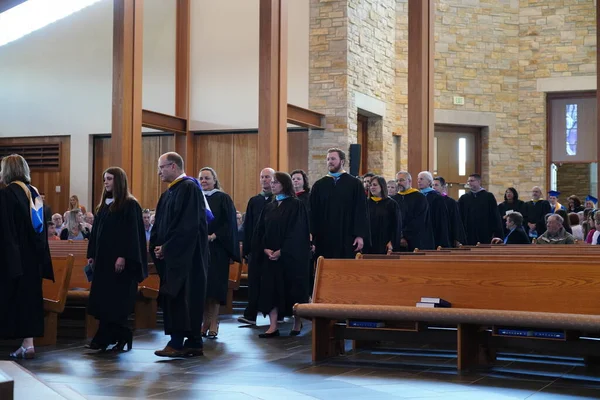
This question usually appears when attendance is regular but commitment remains undefined. In many churches, membership is not treated as a spiritual upgrade. It is a way of making visible the bonds that Christians already confess in Christ.
The case for membership is often communal rather than bureaucratic. Christians are not understood to mature in isolation, and discipleship is hardest to sustain without a known, accountable community. A local church gives shape to mutual care, correction, service, and belonging. It turns vague attachment into practiced responsibility.
5. Who is supposed to lead the church, and why does structure matter so much?
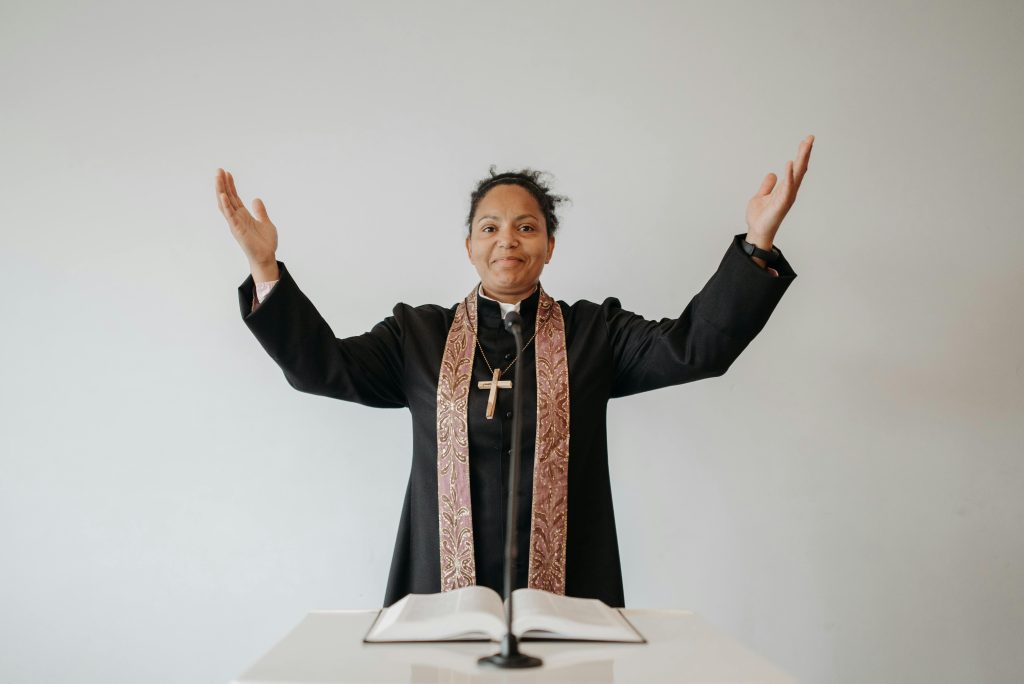
Church leadership becomes a live question when people notice how differently congregations are organized. Some are elder-led. Some place more authority in bishops. Others emphasize congregational decision-making. Those differences are not merely administrative preferences; they reflect convictions about accountability, authority, and the visible order of the church.
Even where traditions disagree, there is broad agreement on one central claim: Christ is the head of the church. The practical question is how a local congregation carries that conviction into decisions, care, teaching, and correction. Structure matters because people feel its effects long before they can define the model.
6. Why do Christians keep dividing into denominations if unity matters?
This question tends to arrive after a visitor notices how many churches sit on the same street with different names on the sign. The tension is real. Christian teaching has long emphasized unity, while church history includes repeated separation over doctrine, governance, worship, and mission.
One teaching resource notes that 1 Corinthians 11 should not be read as praise for denominational division. Instead, the New Testament vision keeps pressing toward unity among those who share the gospel. At the same time, churches continue to distinguish between central doctrines and secondary matters, a practice often described as theological triage. The result is an uneasy but familiar reality: visible difference inside a faith that still prays for oneness.

7. Why do debates about tongues, tithing, or revival never seem to end?
Some questions remain active because Christians agree on the authority of Scripture while disagreeing about how specific teachings apply. Questions about spiritual gifts, giving, and revival tend to endure for that reason. They do not belong only to scholars. They shape expectations in worship, prayer, and daily discipleship.
On tongues, one common conclusion is clear even amid disagreement: it is unbiblical to expect every Christian to speak in tongues. On revival, some describe it as an intensified work of the Spirit rather than a different kind of work. On tithing, the debate often turns on how believers relate to Old Testament law after Christ. These questions persist because they touch both doctrine and lived church culture.
8. Why is it so hard to ask these questions out loud?
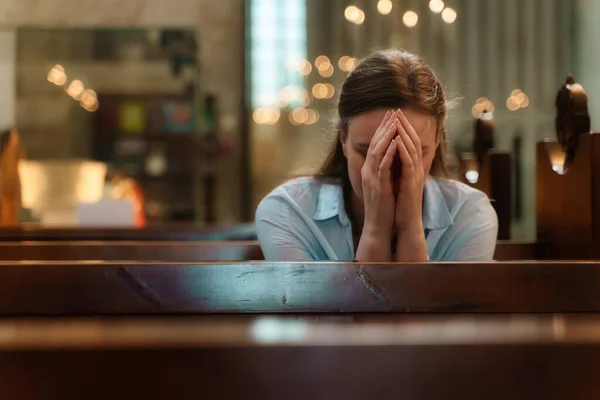
Some questions remain unspoken because church can feel like a place where confidence is more welcome than confusion. A person may fear sounding uninformed, divisive, or spiritually weak. That fear grows when the issue is not abstract but deeply personal.
Pastoral writing on difficult theological questions often notes that “I don’t know” can be an honest and faithful answer. That matters because not every question is solved by certainty, and not every struggle needs immediate correction. The ability to listen well, admit limits, and remain present can shape a healthier church culture than quick expertise. Communities become safer when honesty is not treated as rebellion.

Questions after church are not interruptions to faith. They are often part of how faith becomes more truthful, more mature, and more deeply rooted in community.
When churches make room for careful listening, sound doctrine, and patient care, the post-service questions stop feeling like threats. They begin to sound like what they often are: people trying to understand how belief and belonging fit together.


