
Tooth enamel is the body’s hardest outer tissue, but it is not indestructible. Repeated exposure to acids can gradually soften and demineralize that surface, leaving teeth more vulnerable to sensitivity, discoloration, and cavities.
What matters is not only how acidic a drink is, but also how often it touches the teeth and how long it stays there. Research shows that contact time in an acidic environment can play a major role in erosion, especially when drinks are sipped slowly or held in the mouth.
1. Cola
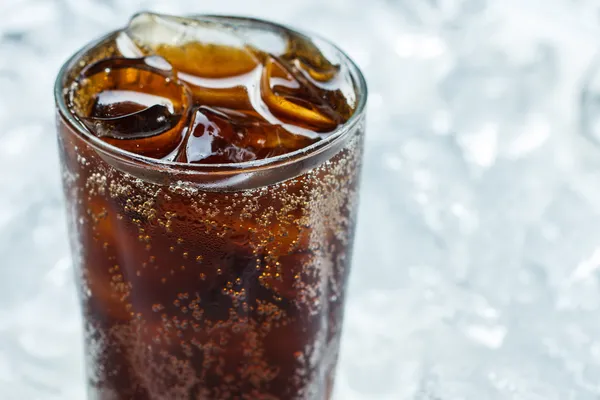
Cola is one of the most familiar enamel stressors because it combines acidity with frequent sipping habits. In laboratory research, Coca-Cola measured a pH of 2.49, far below the threshold commonly associated with enamel demineralization.
A study examining enamel after exposure to cola found statistically significant surface roughening after just 5 minutes of contact, with visible early demineralization and disruption of the crystal structure. Cola’s phosphoric acid content is part of what gives it that aggressive profile.
2. Diet soda
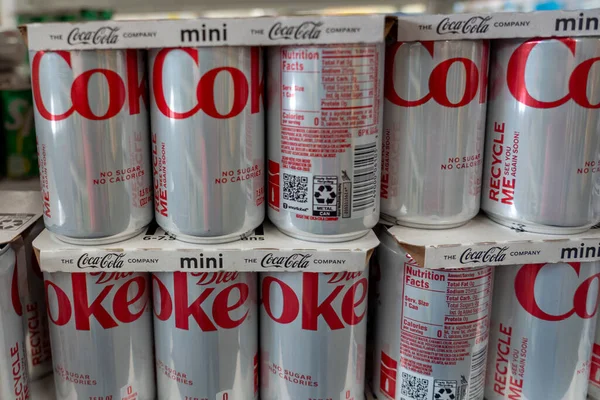
Sugar-free does not mean enamel-friendly. Dental sources note that even when soda does not contain sugar, carbonation still raises acidity, and many diet versions also contain added acids.
That matters because erosion is a chemical process that does not require sugar or bacteria to begin. When a drink is acidic enough, the enamel surface can still soften over time, making diet soda a regular contributor to wear when consumed often.
3. Sports drinks
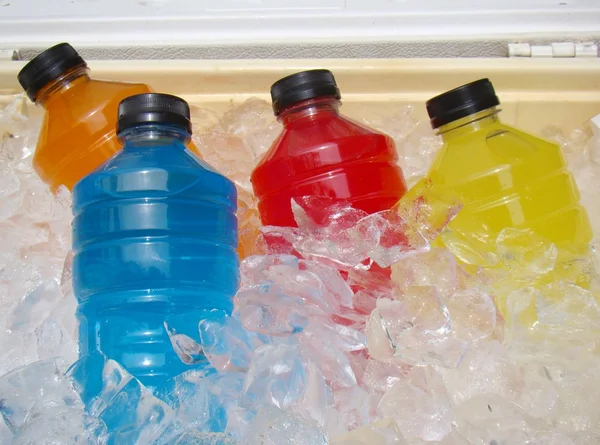
Sports drinks are often seen as functional beverages, but they are frequently acidic enough to challenge enamel. Research cited in dental literature found that people who consume sports drinks daily may have a 4 times higher risk of erosion-related lesions.
These beverages are also commonly used during workouts or long activities, which can stretch exposure over time. That repeated contact can be especially problematic when the mouth is dry, since saliva normally helps buffer acids and support remineralization.
4. Energy drinks
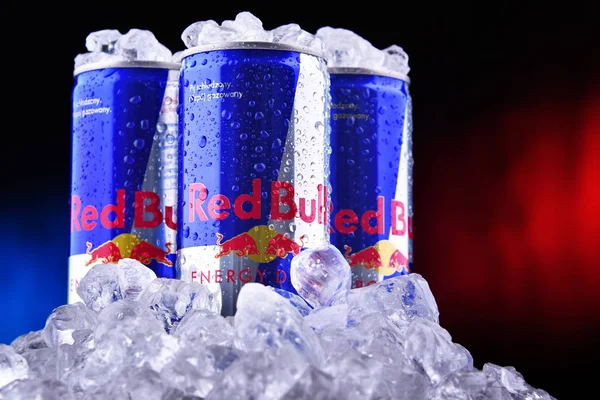
Energy drinks often fall into the same risk category as soda, but some evidence suggests they can be especially erosive because of their acid load. In one analysis of beverage acidity, Red Bull had a pH of 3.32, placing it well within an enamel-softening range.
They are also often consumed quickly and repeatedly during long workdays, study sessions, or exercise. That pattern can keep the mouth in an acidic state longer than a single meal-time drink would.
5. Fruit juice
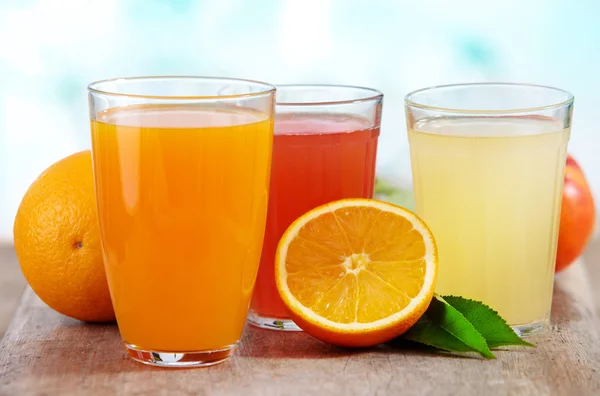
Fruit juice carries a health halo, but enamel responds to acid rather than branding. Dental guidance from the ADA notes that orange juice or fresh-squeezed lemonade is more acidic than plain water and is best treated as an occasional drink rather than a constant daily habit.
Citrus-based juices are especially relevant because citric acid can intensify mineral loss. One review also noted that fruit juices can have high buffering capacity, which may allow them to maintain acidity longer during contact with teeth.
6. Lemon water and lemonade
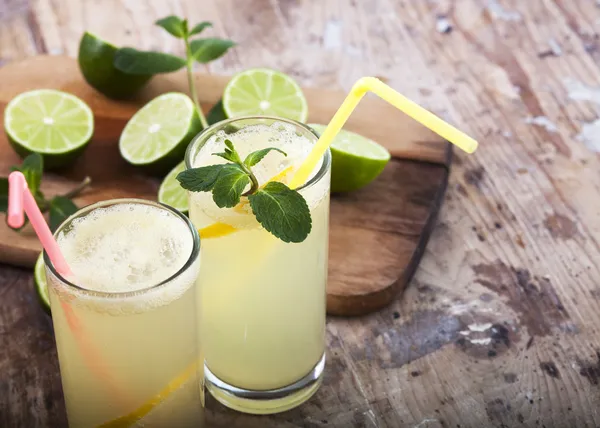
Lemon water can seem harmless because it is mostly water, but adding citrus changes the equation. Acidic flavorings can lower pH enough to start gradual enamel wear, especially when the drink is sipped over hours.
Research on dietary acids found that people consuming citric fruits more than twice a day had a dramatically higher risk of erosion lesions. The issue is often frequency rather than a single glass.

7. Sweetened iced tea and fruit tea
Tea itself is not always the main problem. The concern grows when it is sweetened, citrus-flavored, or prepared as fruit tea, which combines sugars with acid exposure.
Dental research identifies fruit teas among the more modern beverage patterns linked with erosion risk because frequent contact between acidic drinks and the tooth surface drives mineral loss. Sweetened versions may also add a cavity risk on top of erosion.

8. Kombucha and vinegar-based drinks
Fermented and vinegar-based drinks are widely used in daily wellness routines, but their acidic nature can be rough on enamel. Drinks made with vinegar or fermentation byproducts can lower oral pH enough to support gradual demineralization. They are often consumed slowly and repeatedly, which increases exposure time. That habit matters because enamel erosion is cumulative and irreversible once enough surface structure is lost.

Not every fizzy or flavored drink affects teeth in the same way. According to the ADA, plain sparkling water is generally fine for teeth, while citrus-flavored versions deserve more caution because of higher acidity. The overall pattern is consistent: drinks with an acid pH can gradually demineralize enamel, especially when they are sipped throughout the day. Water, shorter exposure, and avoiding the habit of holding drinks in the mouth can help reduce the wear that builds up over time.


