
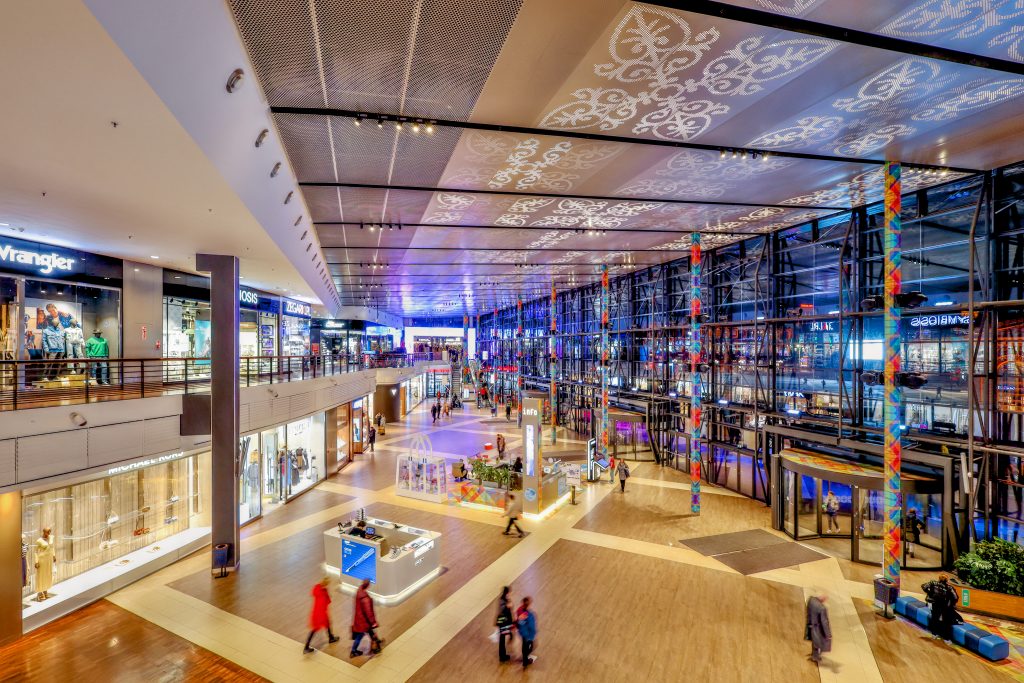
The traditional mall anchor was built around abundance: more square footage, more inventory, more departments, and more time spent wandering. That formula is no longer the only growth play.
Across department stores, big-box chains, furniture retailers, and grocery operators, major names are testing smaller footprints to reach urban neighborhoods, infill markets, and shoppers who value speed as much as selection. In many cases, these compact stores are not simply downsized versions of the original. They are tighter, more curated, and designed around pickup, convenience, or a more focused mission.
1. Macy’s
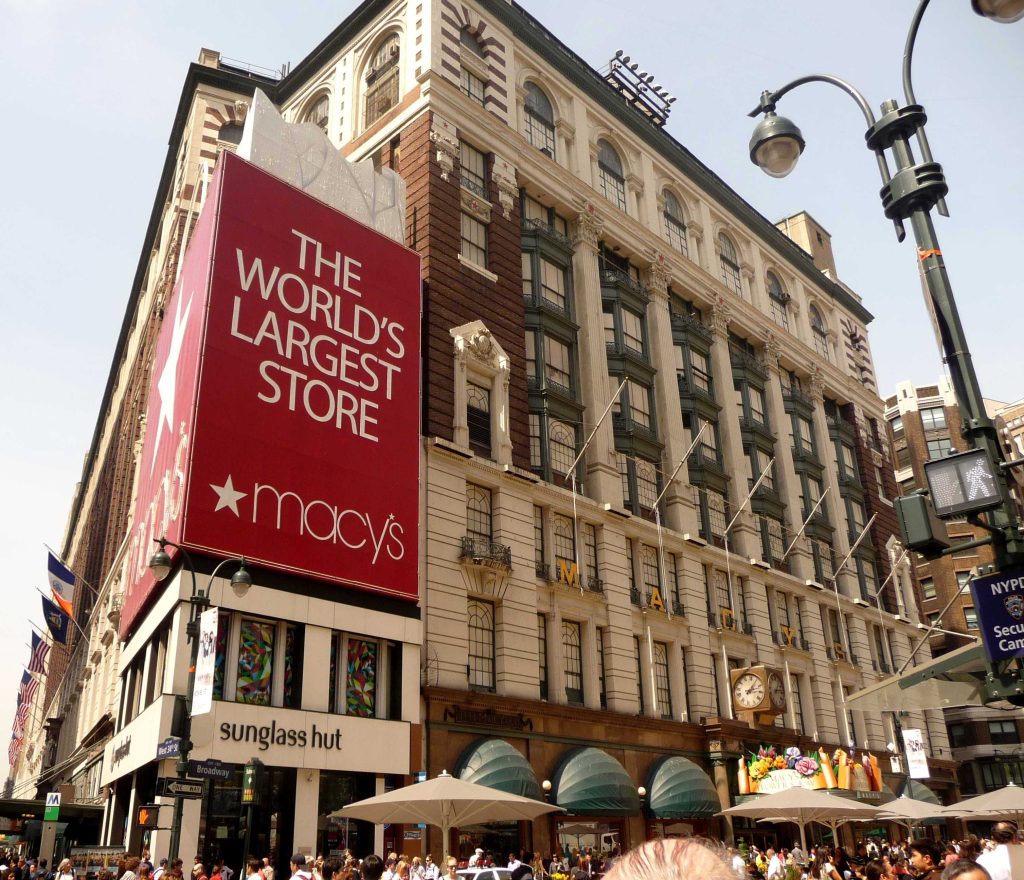
Macy’s has made small-format retail part of its broader reset. The company’s off-mall stores are about one-fifth the size of its full-line locations, giving it a way to stay present in markets where a traditional department store no longer makes sense. The strategy has unfolded alongside the retailer’s plan to close weaker stores and direct investment toward formats with better long-term potential. Retail experts cited in coverage of the company’s turnaround have described the move as a rightsizing effort rather than a retreat. Macy’s also said part of its capital spending was earmarked for more small-format openings, even as it continued trimming underproductive full-size stores.
2. Bloomie’s
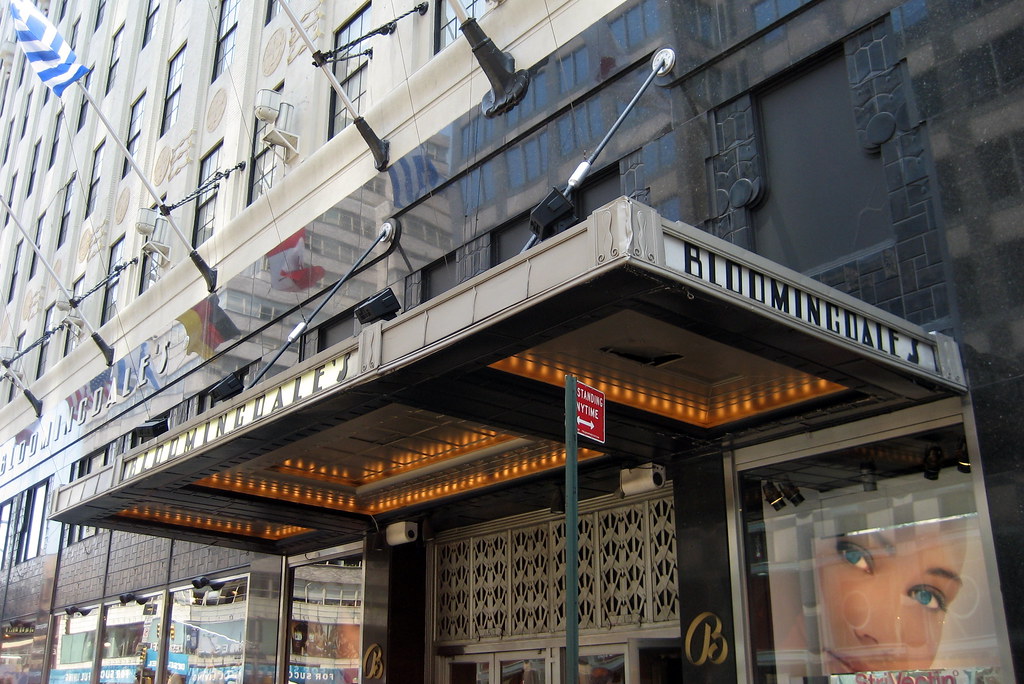
Bloomie’s, the smaller-format concept tied to Bloomingdale’s, reflects a similar shift inside the Macy’s Inc. portfolio. Rather than replicating the full department-store model, the concept offers a narrower assortment in a much smaller setting, with more emphasis on convenience and edited selection. That matters in an era when many mall-based fashion anchors are trying to preserve brand reach without carrying the cost and operational weight of oversized stores. Bloomie’s functions as a flexible format for markets that may not support a traditional Bloomingdale’s box.
3. Nordstrom
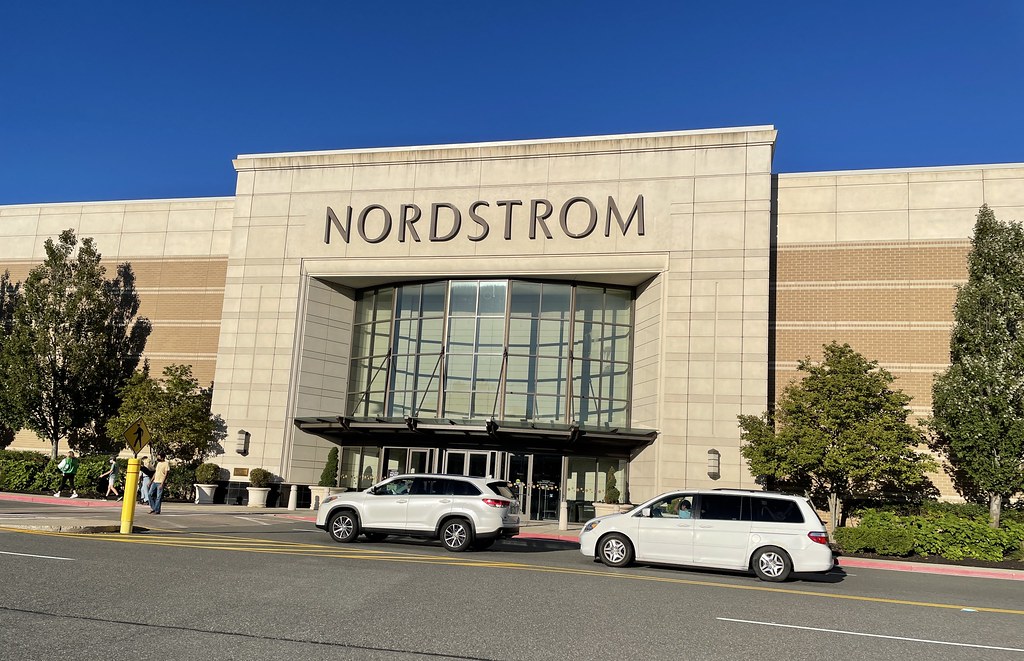
Nordstrom’s small-format experiment took a different route. Instead of shrinking the classic department store into a tighter merchandise box, the company built Nordstrom Local around services such as styling, returns, and pickup, with no dedicated inventory in the traditional sense. The model shows how an anchor brand can stay relevant without relying on a giant selling floor. For shoppers, that means less browsing and more task-focused visits. For landlords and retailers, it opens the door to prime locations that would never fit a full-line store.
4. Target
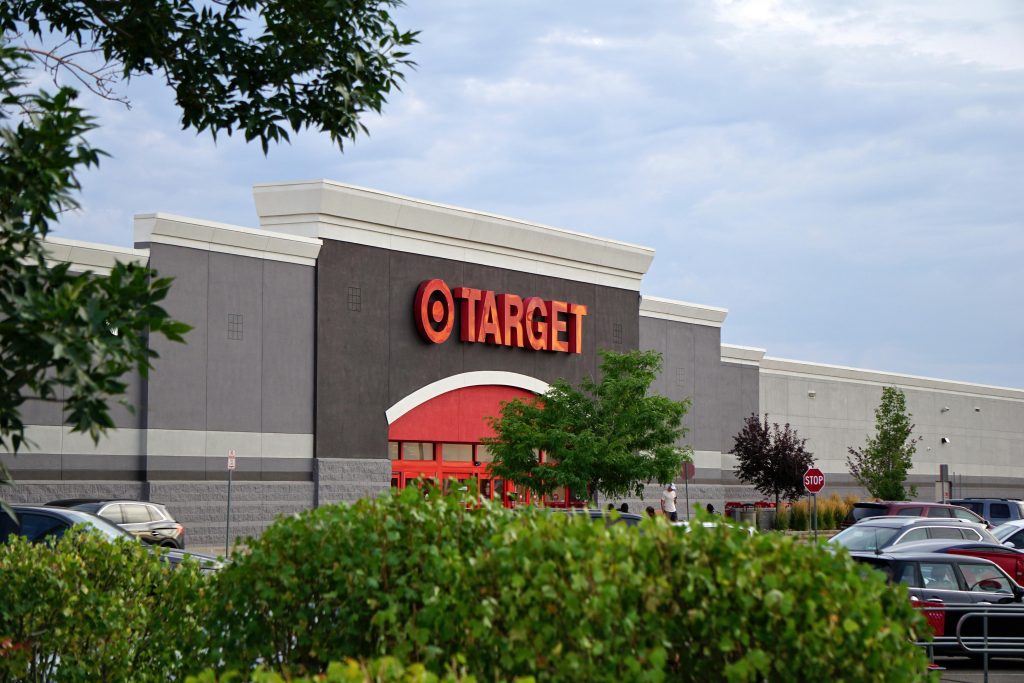
Target spent years developing small urban stores, especially near dense neighborhoods and college campuses. The company later acknowledged that these locations were harder to run than they looked. Executives said the boxes were difficult to operate, partly because limited space forced sharp cuts to product counts and required highly localized assortments. Even with some closures, Target did not abandon the idea entirely. The chain has said it still likes select 25,000-square-foot boxes when the location fits the market, especially in urban centers and near campuses.
5. IKEA
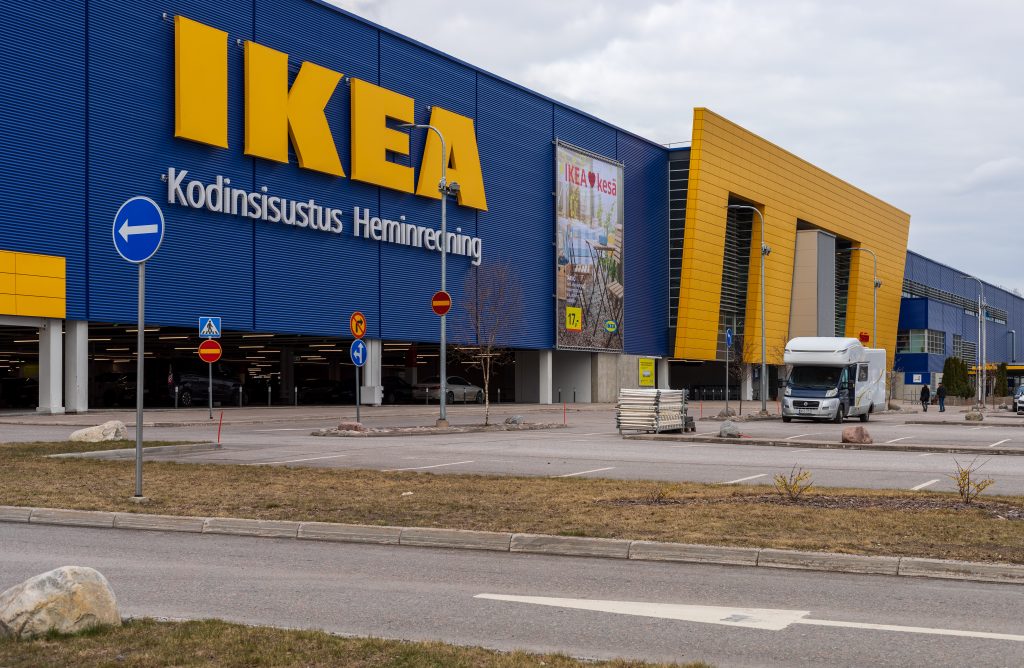
IKEA has moved beyond the classic warehouse-sized destination and leaned into smaller touchpoints. Its Plan and Order Point stores are built for shoppers who want design help and a convenient ordering process without navigating a huge showroom. The company has also expanded its city-store approach, including a planned 80,000-square-foot location in Manhattan. That is still large by many retail standards, but it is a major shift for a brand long associated with sprawling suburban formats.
6. Whole Foods
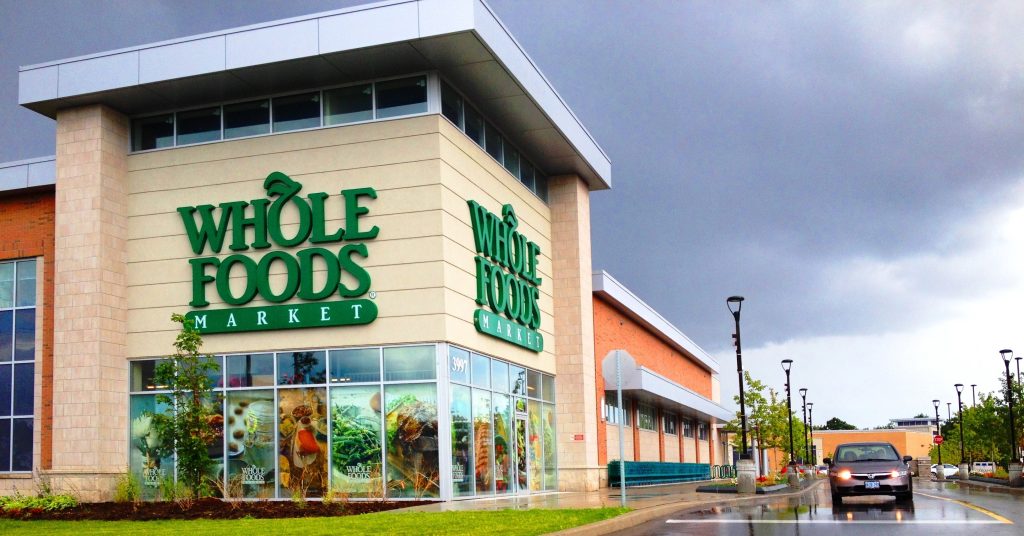
Whole Foods has revisited small stores with its Daily Shop concept in New York City. These locations run at roughly 7,000 to 14,000 square feet, far below the size of a conventional supermarket, and focus on a curated mix of groceries and grab-and-go meals. The appeal is practical. Research cited by Placer.ai found these fresh-format stores fit the way many city residents shop now: quick stops after work, dinner for one night, and fewer stock-up trips through massive aisles.
7. Aldi
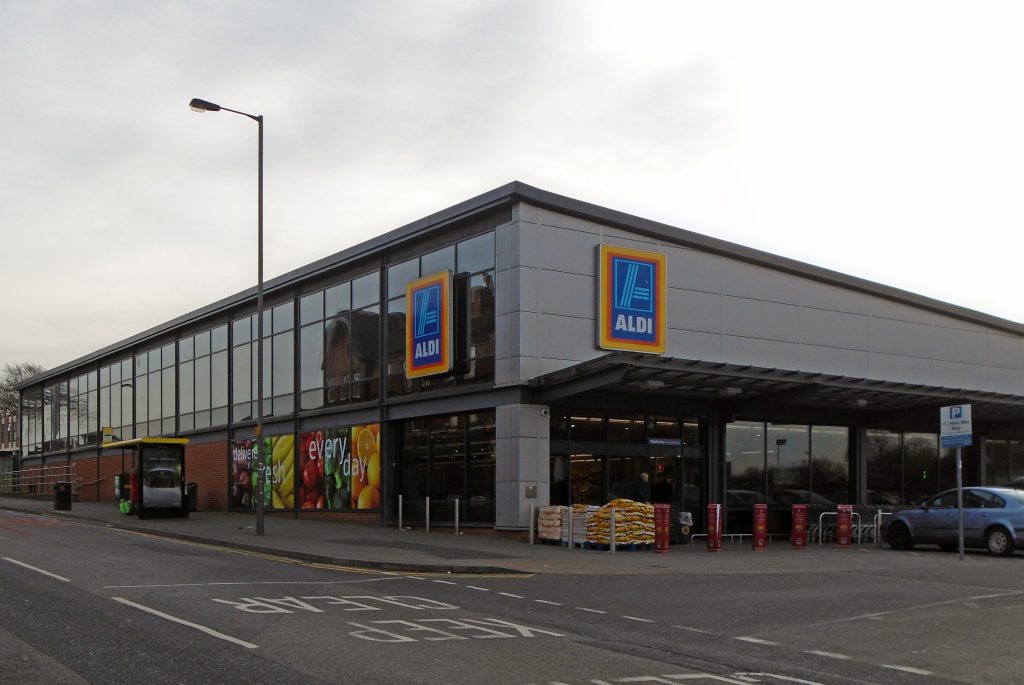
Aldi has spent decades refining the economics of compact grocery retail. Its new-store requirement is about 22,000 square feet, well below the footprint of many traditional supermarkets. That smaller box depends on discipline. Fewer SKUs, heavy use of private label, and faster navigation all support a model that treats convenience as part of value. Phil Lempert told Business Insider, “They’re curating these offers for you so you don’t have to spend as much time shopping.”
8. Grocery Outlet
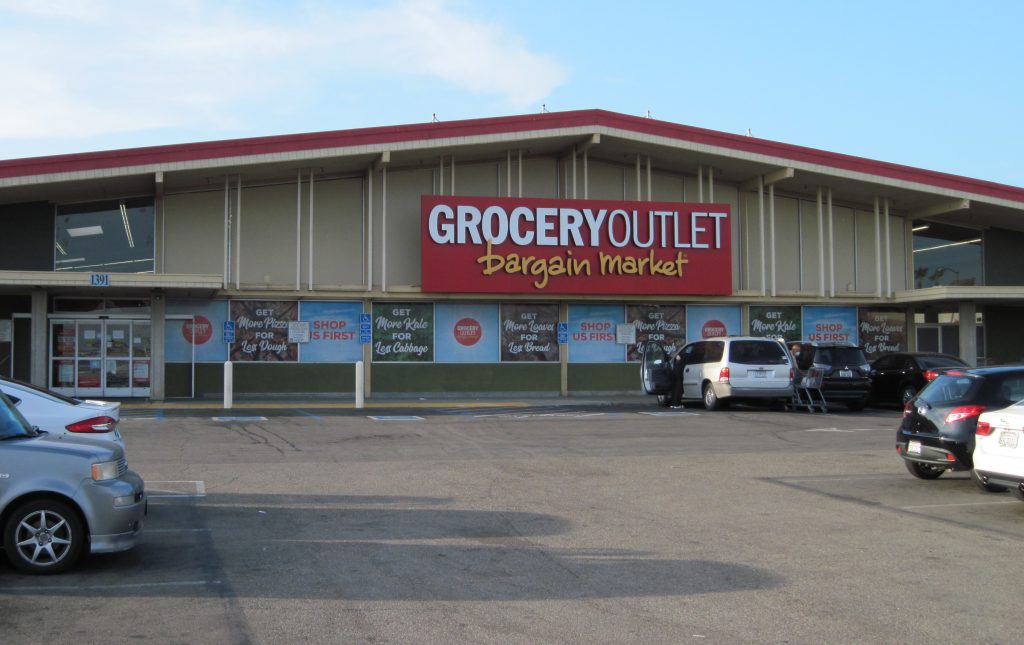
Grocery Outlet has turned the compact-store model into a treasure-hunt experience. Its stores generally range from 15,000 to 20,000 square feet, with constantly shifting inventory sourced from closeouts and other opportunistic buys. The reduced size does not just lower operating complexity. It also changes how shoppers use the store. The format fits a retail environment where more households split spending across several smaller trips instead of making one giant weekly run.
9. Meijer
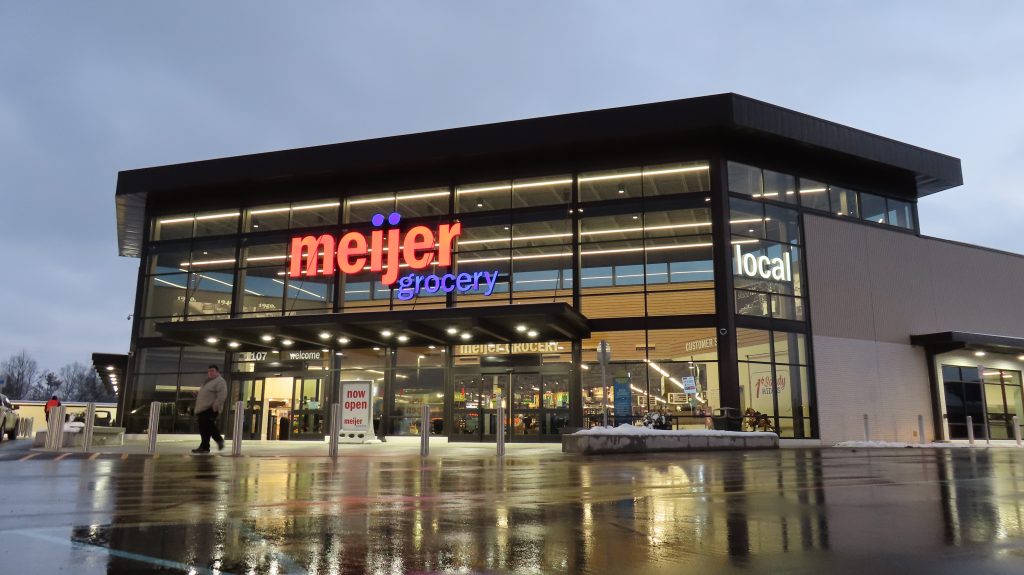
Meijer has also entered the smaller-format conversation, joining a broader wave of retailers testing compact stores to reach neighborhoods that cannot absorb traditional big-box footprints. While the concept differs from department-store downsizing, it reflects the same real estate logic. Large anchors once depended on a single prototype repeated almost everywhere. Smaller formats give chains more options in a market defined by higher construction costs, tighter sites, and changing shopping habits.
The common thread is not just downsizing. It is selectivity. Smaller anchors and anchor-like stores tend to narrow the assortment, shorten the trip, and use space more intentionally. That shift does not mean the big store disappears. It means the biggest names in retail are no longer treating one giant box as the only version of themselves worth building.


