

Comedy fandom often says as much about performers as their filmographies do. When actors and comedy creators point to the movies that stayed with them, the choices tend to reveal a blueprint: affection for absurdity, admiration for precision, or a lasting pull toward movies that mix silliness with craft.
Recent interviews and retrospectives offer a clear pattern. Jennifer Lawrence has spoken about the comedies that reliably make her laugh, Ben Stiller has reflected on how growing up around performers shaped his comic instincts, and “Weird Al” Yankovic has described the films that became part of his own humor vocabulary. Together, those selections sketch a larger map of the movies entertainers return to when they talk about what formed them.
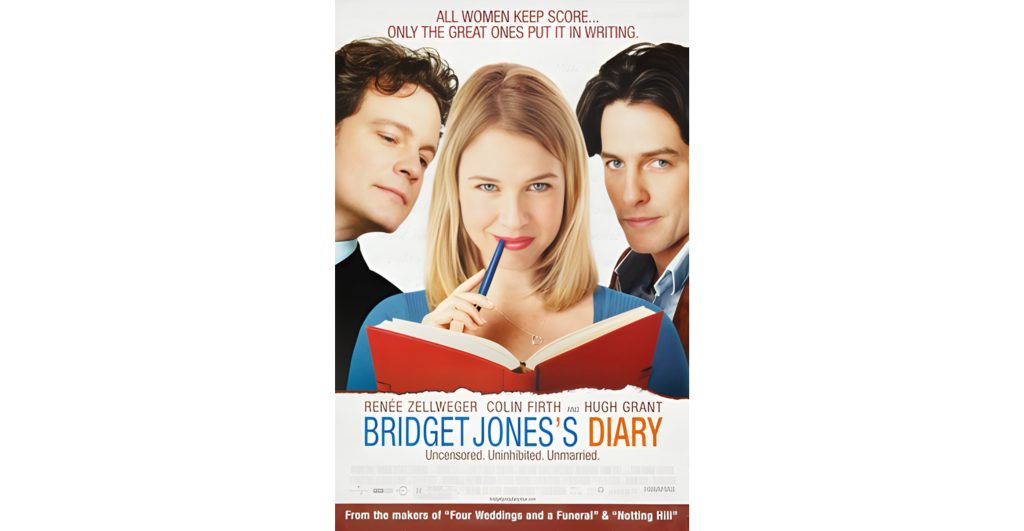
1. Bridget Jones’s Diary
One of the titles associated with Jennifer Lawrence’s comedy taste is “Bridget Jones’s Diary”, a film that has endured because its humor comes from messiness rather than polish. Renée Zellweger’s performance gives the character a frantic warmth, while the movie mines romantic embarrassment, self-sabotage and social awkwardness without sanding off any of the discomfort. That staying power matters. The film remains a reference point for character-driven comedy in which the laughs come from someone being fully, recognizably imperfect.
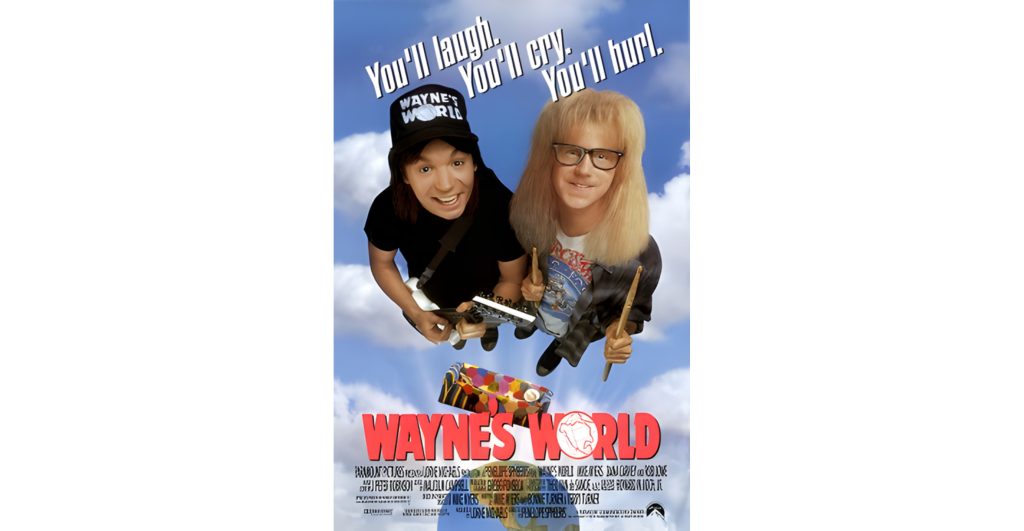
2. Wayne’s World
Another film tied to Lawrence’s repeat-watch laughter list is “Wayne’s World,” the rare sketch adaptation that expanded rather than diluted its central joke. Mike Myers and Dana Carvey built a comic universe around basement access TV, metal fandom and blissful immaturity, but the movie’s appeal still rests on chemistry.
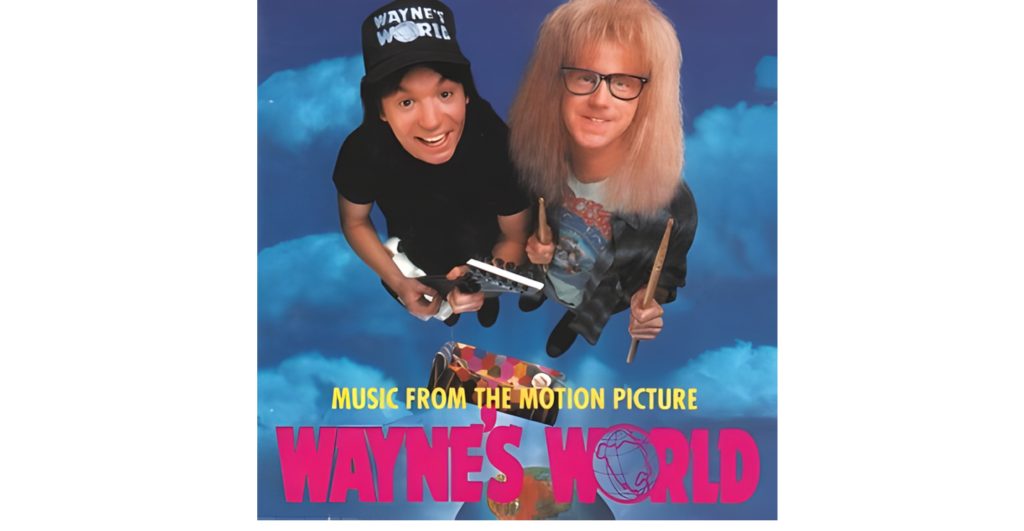
Its influence is easy to spot in later screen comedy: pop-culture riffing, direct audience address and a relaxed, hangout energy that feels less engineered than many studio comedies. It made silliness feel communal.
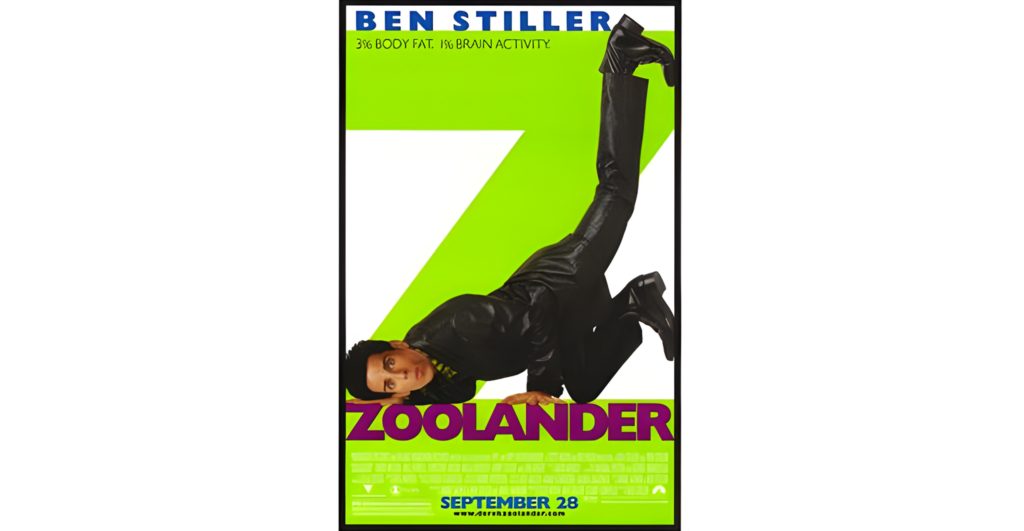
3. Zoolander
Ben Stiller’s own career is inseparable from “Zoolander,” a movie that turned vanity, image culture and fashion-world absurdity into a durable comedy object. In a later reflection on show business, Stiller described seeing fame’s pressures up close, saying, “The stress. The effect it has on relationships.” That background gives extra texture to a film that mocks surface obsession while understanding how performance shapes identity. The movie has also gained a second life as a cult favorite, with Blue Steel, the walk-off and Derek Zoolander’s unshakable self-belief becoming part of pop language. Its humor is broad, but its target is precise.
4. Top Secret!
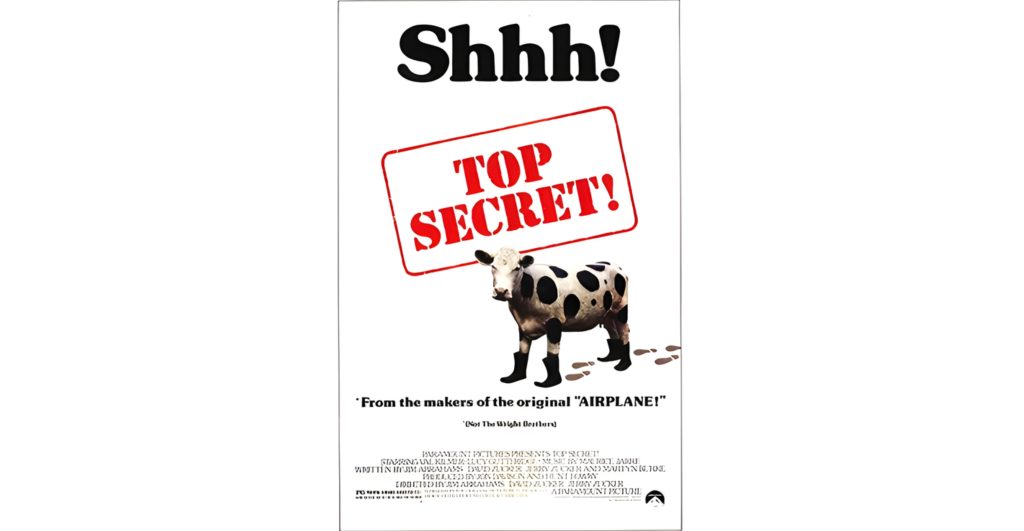
For “Weird Al” Yankovic, “Top Secret!” remains a defining touchstone. He said, “I don’t think I’d ever laughed that hard in a theater in my life.” That reaction captures the film’s particular effect: gag density so high that the movie behaves like a chain reaction. Yankovic has also described its blend of clever and dumb humor as an ideal balance, which helps explain why the film still resonates with performers drawn to parody, visual invention and relentless joke construction. It rewards rewatching because nearly every frame is working.
5. Monty Python and the Holy Grail
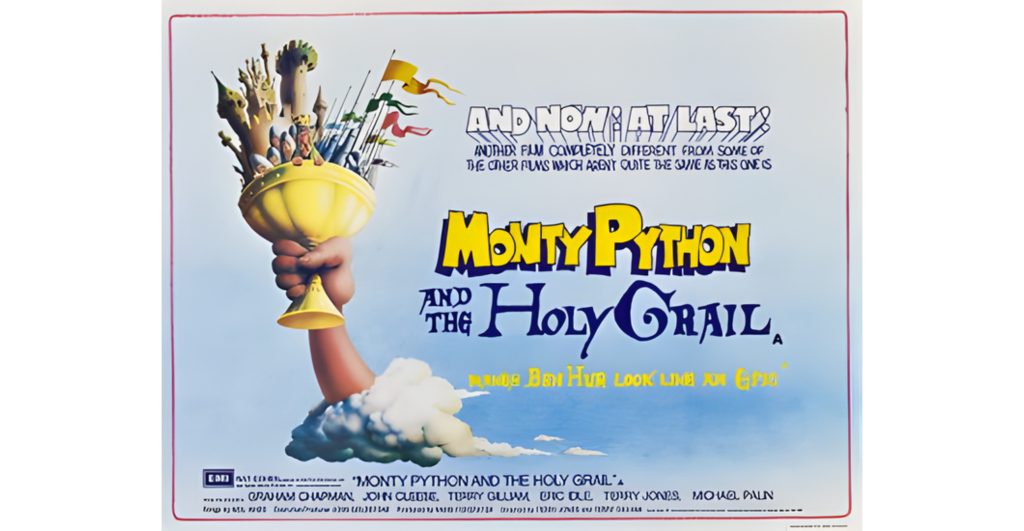
Yankovic’s attachment to “Monty Python and the Holy Grail” is rooted in repetition. He recalled memorizing every line in junior high, treating the film as both entertainment and a kind of comic code. That experience mirrors the movie’s long afterlife among comedians, writers and actors who learned its rhythms by quoting it. The film’s impact goes beyond catchphrases. Its style made nonsense feel intellectual, and its low-budget surrealism proved that a comedy could look handmade and still feel expansive.
6. This Is Spinal Tap
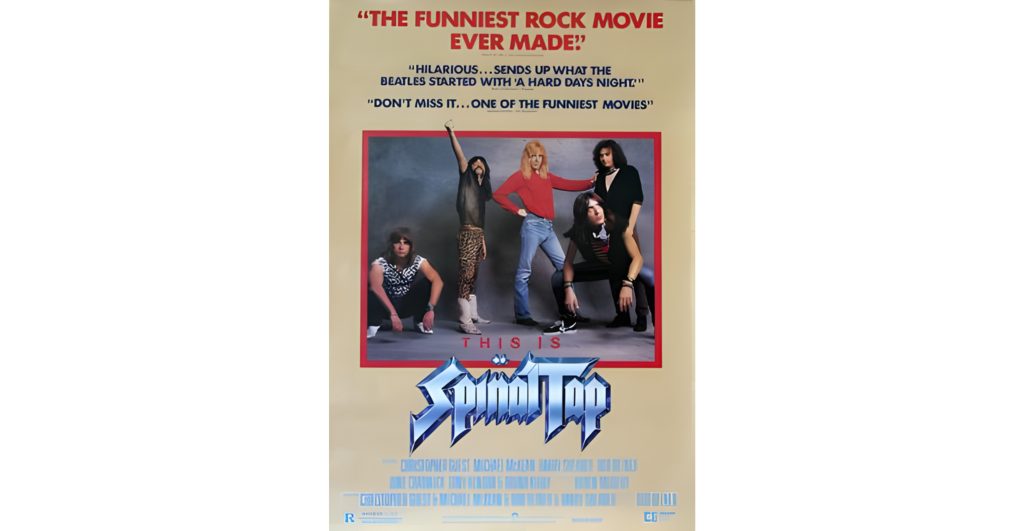
Among Yankovic’s formative favorites, “This Is Spinal Tap” stands out for how it blurs reality and invention. He has credited it with showing how lightly facts can be tweaked for satire to take hold, a lesson that echoes through mockumentary comedy and parody biography alike. That influence has been lasting because the movie never plays its jokes as winks. It treats absurdity with documentary seriousness, which lets the comedy arrive through behavior, ego and tiny humiliations instead of punchlines alone.
7. Raising Arizona
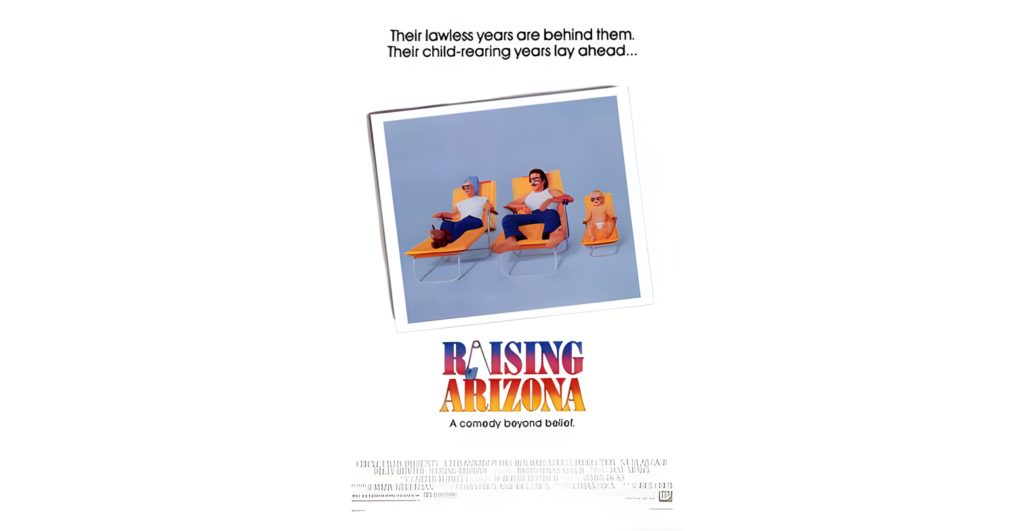
Yankovic also singled out “Raising Arizona,” describing it as his favorite Coen brothers film and praising its live-action-cartoon energy. That description fits a movie built on velocity: Nicolas Cage’s frantic performance, Holly Hunter’s intensity and a tone that can turn domestic chaos into near-mythic slapstick. It remains a key example of a comedy with heart under the anarchy. The movie is strange, stylized and emotionally sincere all at once, which is often the combination performers remember longest.
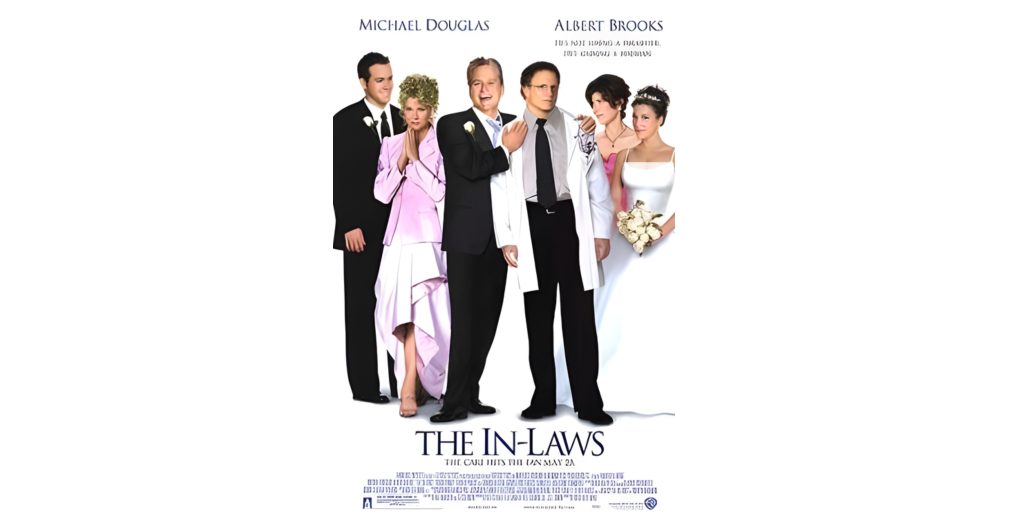
8. The In-Laws
Less frequently cited in mainstream comedy conversations, “The In-Laws” made Yankovic’s personal top tier because of structure as much as performance. He called it “a perfectly written, perfectly acted movie,” with Alan Arkin and Peter Falk creating an ideal odd-couple dynamic. That kind of admiration reveals another truth about what shapes comic taste: not every influential comedy is the loudest one. Some become foundational because they are tight, durable and beautifully controlled.
What connects these choices is range. Some are spoof machines, some are star vehicles, some are cult objects built on quotable dialogue, and some hinge on character embarrassment so sharp it becomes cathartic. Taken together, they show that actors and comedy performers are often shaped less by one definition of funny than by contrast: sophistication beside nonsense, precision beside chaos, and warmth beside ridicule. The movies that last are usually the ones that can hold more than one comic frequency at the same time.


