Film productions run on precision, stamina, and fragile chemistry. When a leading performer leaves after cameras have already started rolling, the disruption rarely stays contained to one trailer, one scene, or one difficult afternoon.
In some cases, the departure exposed a clash over creative control. In others, the issue was working conditions, performance style, or a role that no longer fit the actor who had accepted it. What remains especially striking is how often a mid-production exit forced a movie to reinvent itself on the fly.
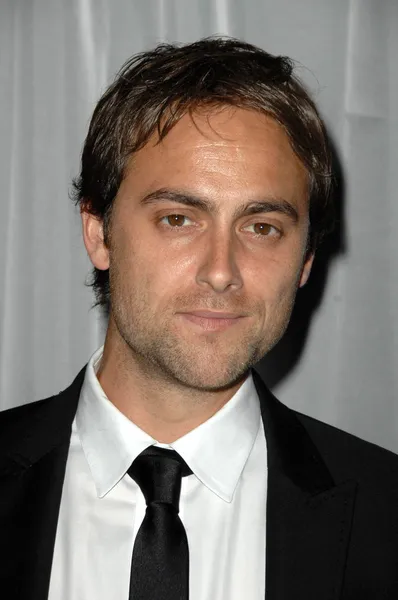
1. Stuart Townsend in The Lord of the Rings
Stuart Townsend trained for months to play Aragorn, only to leave after one day of principal photography. Accounts around the production framed the split as a serious mismatch between the filmmakers’ vision and the actor’s fit for the role. Aragorn was too central a character for uncertainty, so the production moved quickly.
Viggo Mortensen stepped in almost immediately, and the change became one of the defining recast stories in modern blockbuster history. The episode also revealed how little room a production of that scale had for hesitation once filming had begun.
2. Kel O’Neill in There Will Be Blood
Kel O’Neill began filming as Eli Sunday before leaving the set during production. The role placed him opposite Daniel Day-Lewis, whose intensity on set has long been part of his reputation, and the departure forced the film to do more than simply replace one actor with another.
Paul Dano was brought in, and the screenplay was adjusted so the character structure expanded into twins. That kind of rewrite in the middle of a shoot is unusually revealing: the production did not just patch a hole, it rebuilt part of the architecture around it.
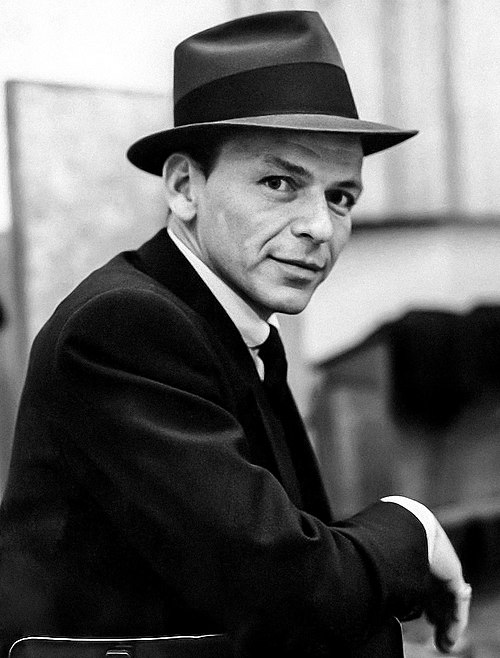
3. Frank Sinatra in Carousel
Frank Sinatra’s exit has endured because it happened over process rather than performance. He reportedly objected to the production’s plan to shoot scenes multiple times with different lenses and decided he would not stay.
The story has lasted as a classic example of old-school star power colliding with a director’s method. Sinatra left, the production continued, and Gordon MacRae took over. The incident still captures a period when a major star could simply decide that the workflow itself was unacceptable.
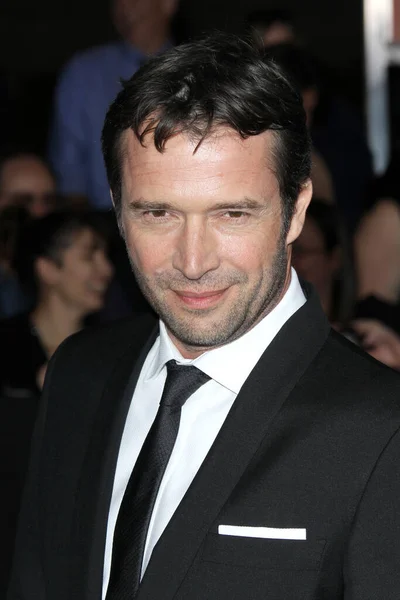
4. James Purefoy in V for Vendetta
James Purefoy was deep enough into V for Vendetta to have filmed footage in the character’s unmistakable mask before departing. The problem, according to widely cited accounts, was the mask itself, which he found too restrictive to work in for the full performance.
That left the film with a uniquely difficult replacement challenge. Hugo Weaving took over the role, and the production reworked the already-shot material through rerecorded dialogue and performance adjustments. A mid-production exit is disruptive in any movie, but it becomes especially complicated when the actor’s face is hidden and the voice carries so much of the character.
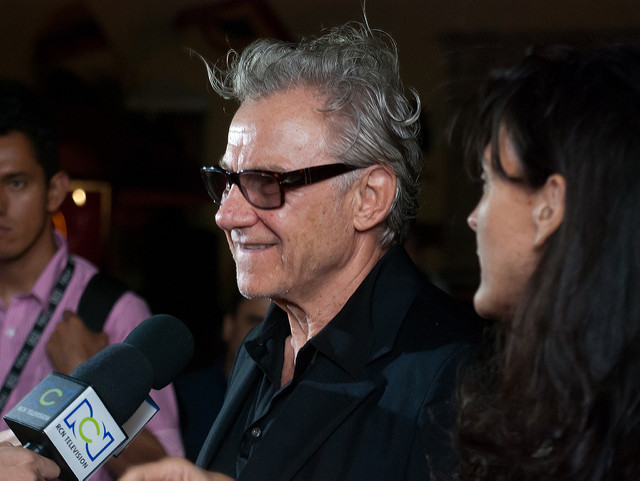
5. Harvey Keitel in Eyes Wide Shut
Harvey Keitel’s departure from Stanley Kubrick’s final film has become shorthand for the breaking point that can come with an exacting director. A recollection repeated for years held that Keitel left after an exhausting run of repeated takes, including a simple piece of blocking involving a doorway.
The anecdote survived because it reflects Kubrick’s reputation as much as Keitel’s impatience. The role was later filled by Sydney Pollack, but the larger fascination came from what the incident said about endurance on a Kubrick set, where repetition itself could become the central conflict.
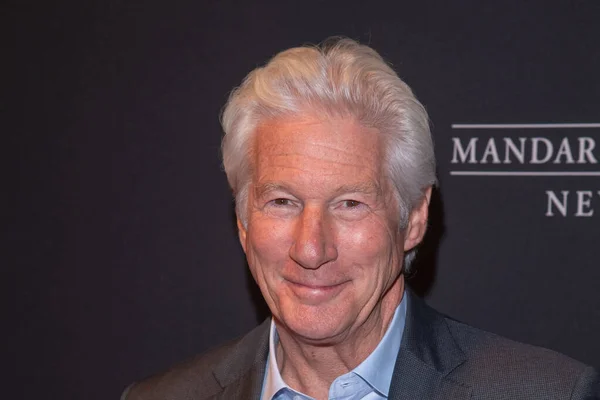
6. Richard Gere in The Lords of Flatbush
Before Richard Gere became a marquee name, he was removed from The Lords of Flatbush after a clash with Sylvester Stallone. The most repeated detail was almost absurdly mundane: an altercation involving mustard during a lunch break.
What makes the story endure is not the condiment but the speed with which a production can choose between competing personalities. Gere was out, another actor was brought in, and the film moved on. It remains one of those Hollywood stories that sounds too small to matter until the consequences become permanent.
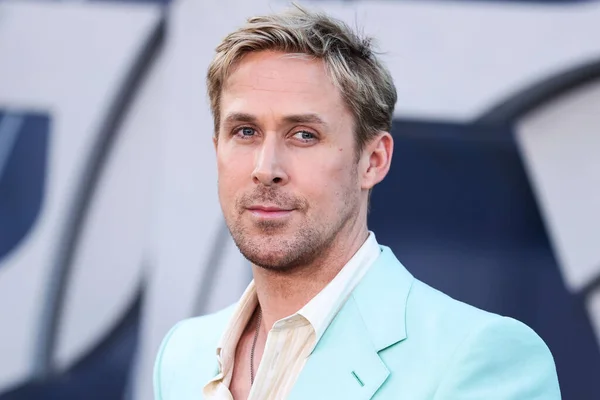
7. Ryan Gosling in The Lovely Bones
Ryan Gosling did not quietly drift away from Peter Jackson’s film; he arrived with a radically different idea of the character’s physicality. By his own account, he had put on 60 pounds for the role, while the director had envisioned something else entirely.
He later described the issue plainly: “We had a different idea of how the character should look.” Once that disagreement became impossible to bridge, Gosling exited and Mark Wahlberg replaced him. The replacement mattered, but so did the reason. This was not scandal or chaos so much as a reminder that film acting can collapse when two creative visions stop matching at the most basic visual level.
8. Eric Stoltz in Back to the Future
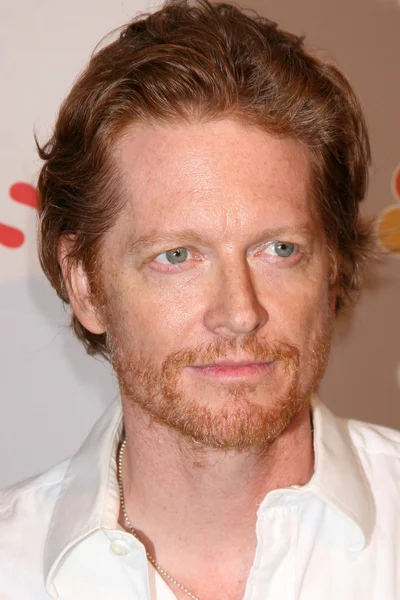
Eric Stoltz remains one of the most famous mid-production recasts in studio filmmaking. He had already spent weeks filming as Marty McFly before the creative team concluded that the tone was not landing the way the movie required.
Michael J. Fox eventually took the role, and the finished film became so iconic that Stoltz’s version now feels like an alternate timeline hidden inside the movie’s own mythology. It also stands as a rare case where a production absorbed a massive early setback and still delivered one of the most durable mainstream comedies of its era.
These departures did more than create tabloid drama. They changed scripts, altered casting histories, and, in several cases, reshaped the final identity of the films themselves.
A performer walking off a major set tends to be remembered as a moment of rupture. Just as often, it becomes the point where a troubled production discovers what it is actually going to be.