
The search for early Israelite origins rarely turns on a single dramatic discovery. Historians and archaeologists work instead with fragments: an Egyptian inscription, a settlement pattern, a change in food remains, a place-name embedded in poetry, or a deity’s name preserved in unexpected settings.
Read together, those clues suggest that early Israel emerged gradually within Canaan and its southern borderlands rather than appearing all at once as a fully formed people. The evidence is incomplete, often debated, and strongest when several kinds of sources point in the same direction.
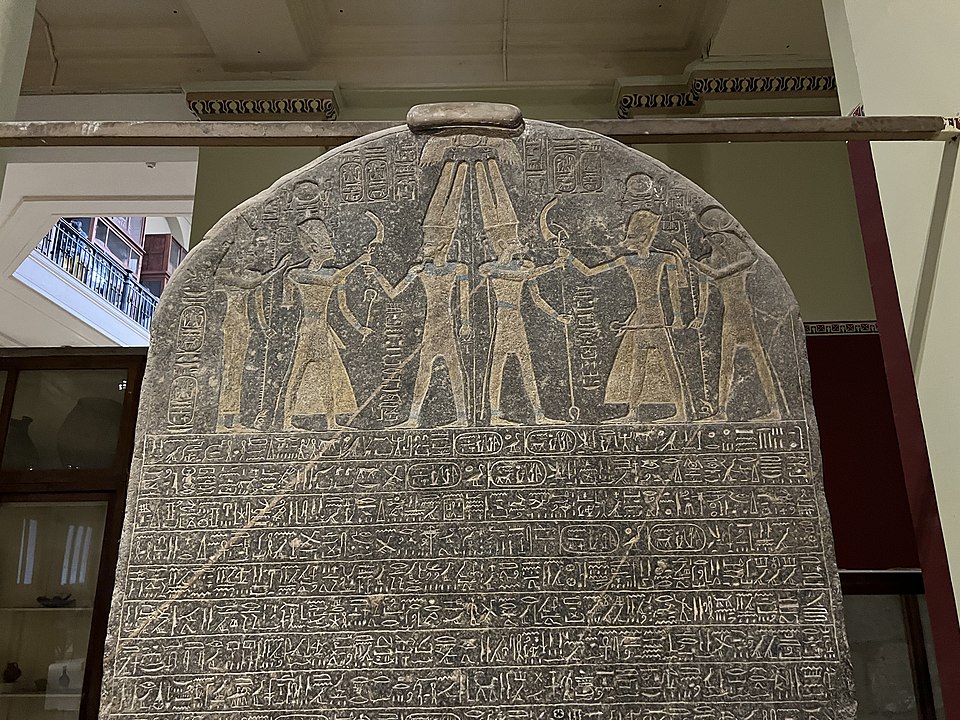
1. The Merneptah Stele places “Israel” in Canaan by the late 13th century BCE
One of the firmest chronological anchors is the Merneptah Stele of 1207 BCE, an Egyptian monument that mentions Israel in Canaan. For historians, that matters because it shows that a group known as Israel already existed in the land by that date.
The inscription does not describe a kingdom dominating the region. It points instead to a people among other peoples and cities of Canaan. That modest profile fits the broader archaeological picture of early Israel as a smaller highland population before the rise of later monarchies.
2. Central hill-country villages reveal a local highland population taking shape
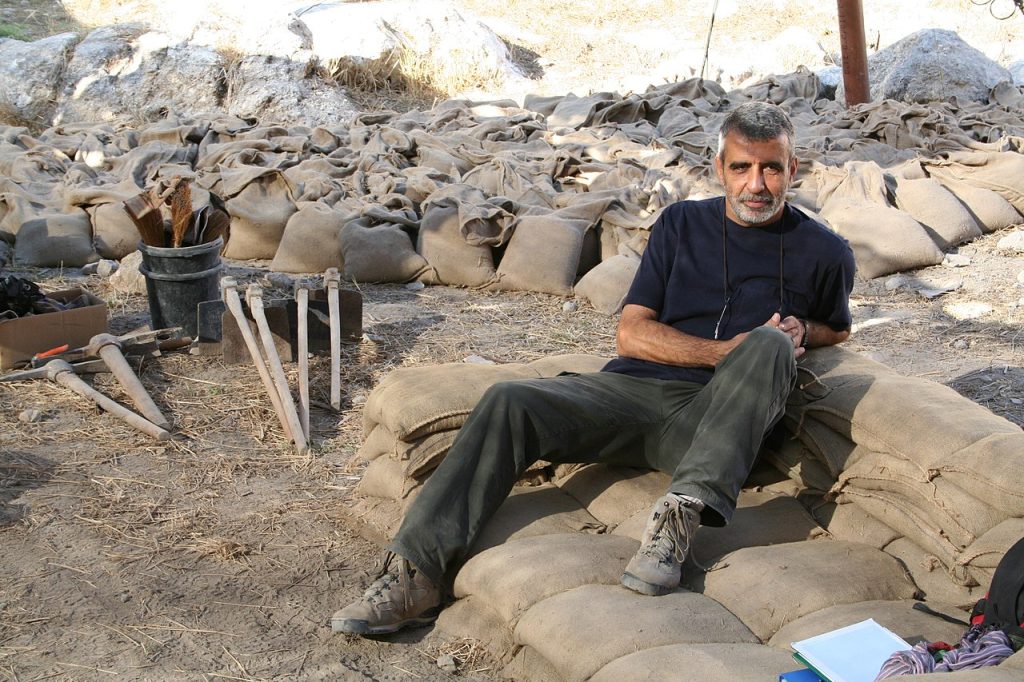
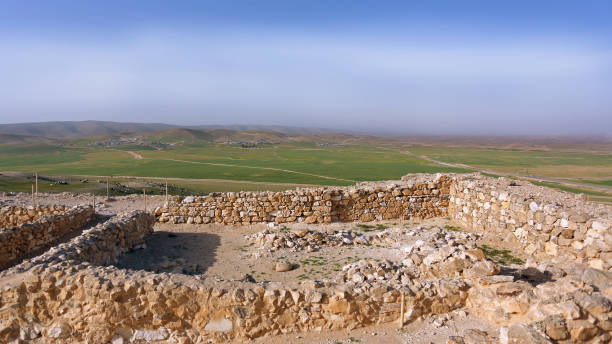
Excavations in the central hill country have uncovered waves of settlement and abandonment stretching across the Bronze and Iron Ages. Archaeologist Israel Finkelstein identified a significant new phase in the 12th and 11th centuries BCE, when many villages appeared and then continued into the era of Israel and Judah.
This pattern is important because it suggests continuity as well as change. Rather than indicating a sweeping replacement of one population by another, the archaeology points to communities that were likely tied to earlier pastoral groups already familiar with the landscape. Many historians therefore see early Israel as emerging in large part from people native to Canaan or nearby regions who settled more permanently in the highlands.
3. The absence of pork bones marks a distinct cultural boundary
Sometimes identity appears in ordinary refuse. At a number of early Iron Age highland sites associated with proto-Israelite settlement, archaeologists have noted a striking absence of pork bones.
That does not prove ethnicity on its own, but it helps distinguish these communities from some neighboring populations in Canaan. Food habits are often conservative, and when they align with settlement shifts, they become one more clue that a distinct social identity was forming in the hills.
4. Jericho and Ai complicate conquest-based origin stories
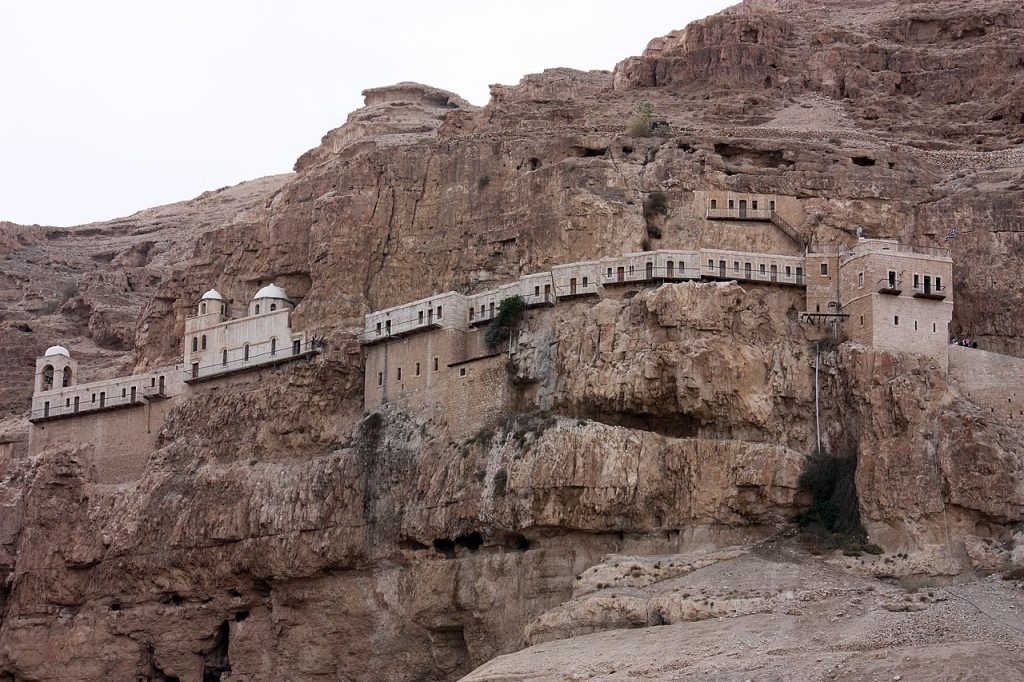
Two of the most discussed archaeological sites in biblical history are Jericho and Ai. Excavations summarized by historians of the region have long raised problems for reading these places as evidence of a single, rapid conquest in the late 13th century BCE. At Jericho, the expected fortified city of that period is not supported in the way older conquest models assumed, while Ai appears to have been unoccupied at the time it was supposedly captured.
This matters less as a rejection of memory than as a shift in method. Historians use these sites to distinguish between later national storytelling and the slower processes visible in the ground. In that slower picture, Israel’s beginnings look less like a sudden military takeover and more like a social formation within Canaan.

5. Egyptian references to the Shasu of Yhw hint at a southern Yahweh tradition
Some of the earliest extra-biblical references linked to Yahweh appear in Egyptian texts that mention the Shasu of Yhw. These texts connect the divine name with nomadic or semi-nomadic groups in the southern Levant, often associated with areas such as Edom, Seir, or Midian.
That southern association has drawn sustained scholarly attention. Some historians argue that Yahweh worship may have entered emerging Israel from southern borderlands before becoming central to Israelite religion. Old poetic passages in the Hebrew Bible that depict Yahweh coming from the south fit that broader geographic pattern.
6. The divine name appears to have spread before exclusive Yahweh worship took hold
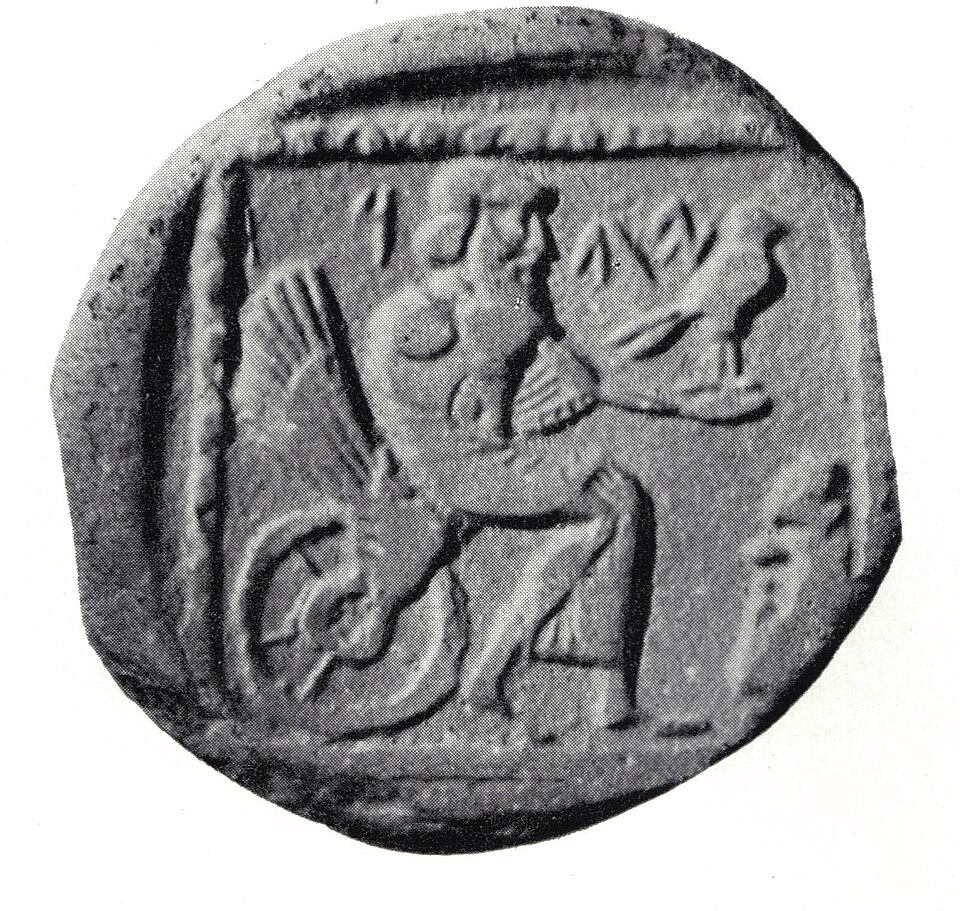
Names can preserve religious history long after beliefs change. Theophoric elements related to Yahweh, such as Yahu or Yaho, appear in some ancient naming traditions, suggesting that the deity was known before later Israelite religion became exclusively centered on him.
At the same time, earlier Israelite naming patterns often favored El-based names. That uneven distribution supports a gradual transition rather than an immediate beginning with strict monotheism. Historians often read this as evidence that early Israelite religion absorbed and elevated Yahweh over time.

7. The name “Israel” itself preserves an older layer centered on El
The very word Israel contains the divine element El, the high god known across the wider West Semitic world. That linguistic clue matters because it places early Israel within a broader Canaanite cultural and religious environment rather than outside it. It is a small detail with large implications.
If the people’s name preserves El while later tradition centers Yahweh, historians have reason to ask how those layers came together. Many conclude that the religion of early Israel was not born fully separate from its neighbors but developed through adaptation, merger, and reinterpretation.
8. Inscriptions from Kuntillet Ajrud preserve a less exclusive stage of worship
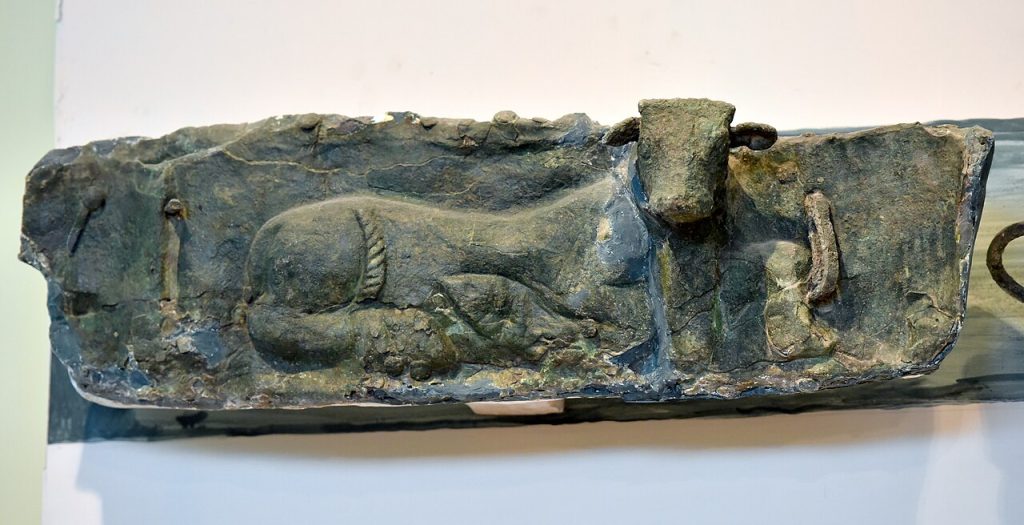
Among the most discussed finds for reconstructing early religion are the Kuntillet Ajrud inscriptions, which include references often rendered as “Yahweh and his Asherah.” Whatever the exact relationship implied, the inscriptions point to a religious world that was not yet stripped down to later monotheistic categories.
For historians tracing Israelite origins, this is crucial. It suggests that communities identifying with Yahweh could still participate in a wider Levantine religious culture, one in which divine relationships, local shrines, and overlapping traditions remained alive.
9. Ugaritic parallels help decode Israel’s earliest religious vocabulary
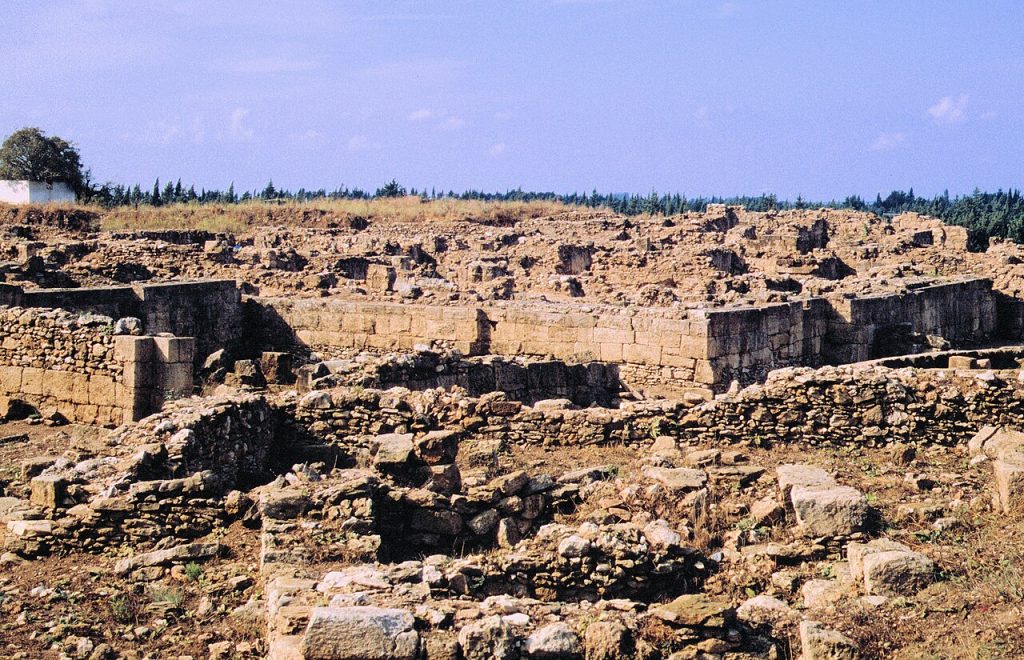
Texts from ancient Ugarit, farther north on the Levantine coast, preserve a West Semitic pantheon headed by El and populated by divine family members. Historians do not treat Ugarit as Israel, but they do use it as a cultural comparison because the languages and religious concepts are closely related.
These parallels help explain why terms such as El, Elyon, and divine council language appear in early biblical material. They also clarify why some scholars see early Israelite religion as emerging from a shared cultural inheritance before later writers reshaped it around the exclusive worship of one god.

10. Biblical poetry preserves geographic memories older than later theology
Some of the oldest biblical poems describe Yahweh in ways that seem to remember a southern origin. Passages in Judges, Deuteronomy, and Habakkuk portray the deity as coming from regions such as Seir, Paran, or Teman rather than from the later political centers of Israel and Judah.
Historians treat such poetry with caution, but also with respect, because poems can preserve old regional memories. When those poetic traces are set beside Egyptian references and southern inscriptions, they strengthen the case that an important strand of early Israelite identity was tied to lands south of Canaan’s highlands.
No single clue solves the puzzle of Israelite beginnings. The strongest reconstructions come from overlap: inscriptions, settlement archaeology, naming patterns, food remains, and religious language all pointing toward a people that formed gradually out of older Canaanite and southern Levantine worlds. That is why the history remains so compelling. Early Israel appears not as a sudden arrival, but as a long cultural becoming visible in broken stones, village remains, and the endurance of very old names.


