

Public conversations about faith often sound different in midlife. For many well-known figures, beliefs that once stayed private became part of a broader discussion about purpose, identity, discipline, and resilience as they moved past 40.
These examples are not a ranking of devotion or influence. They are a look at celebrities who spoke openly about religion or spirituality in ways that gained sharper public focus in adulthood, often when experience, family life, and career pressure had already reshaped how they understood themselves.
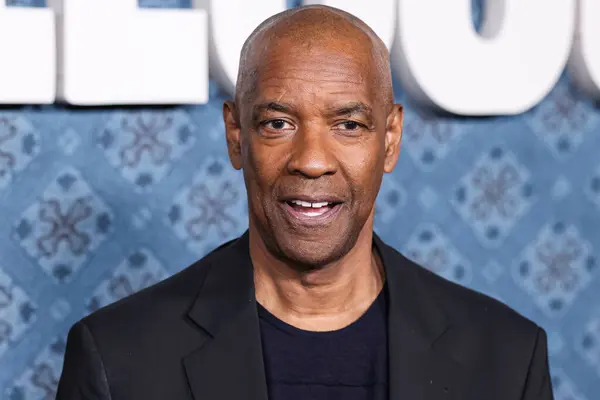
1. Denzel Washington
Denzel Washington has spoken about faith in practical, daily terms rather than as a branding exercise. In a 2012 interview with GQ, he said, “I read from the Bible every day, and I read my Daily Word.” He also shared the line, “Don’t aspire to make a living. Aspire to make a difference.”
That kind of language stood out because it framed belief as routine and discipline, not occasional inspiration. By that stage of life, he was already an established actor with decades in the industry, which gave his comments a different weight than youthful testimony. His public image suggested steadiness, and his remarks about scripture fit that pattern.
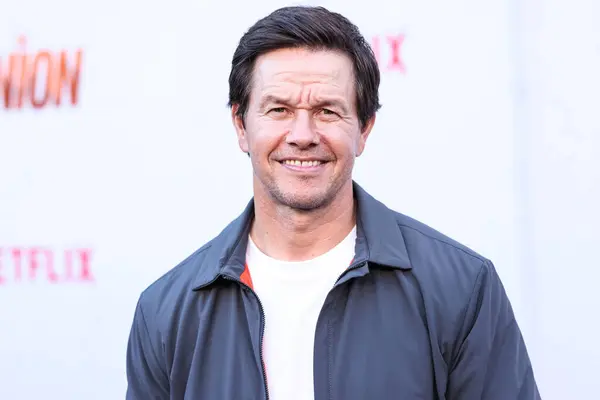
2. Mark Wahlberg
Mark Wahlberg discussed faith with unusual regularity once he was well into midlife, presenting it as central rather than peripheral. He told Parade that it was “the most important part of my life,” and he later said, “I definitely go to church every day.”
Those statements resonated because they came from a figure long associated with reinvention. By his 40s and beyond, his public comments placed Catholic practice alongside family and work, turning faith into part of his visible daily structure instead of a private footnote.
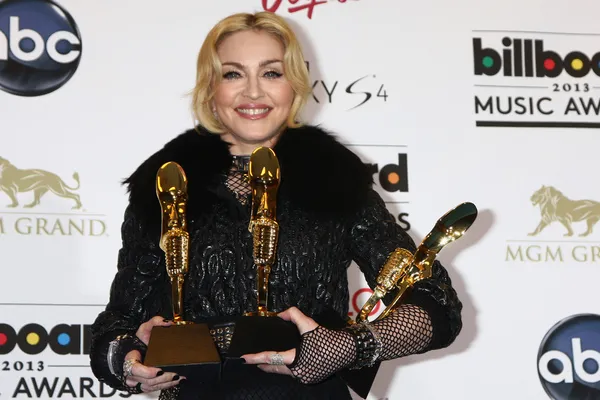
3. Madonna
Madonna’s public reflections on spirituality became especially pointed in mature adulthood, when she addressed scrutiny around Kabbalah and religious study. She said, “When the world discovered I was studying Kabbalah, I was accused of joining a cult,” before adding that she was “actually trying to become a better person.”
She also spoke about reading widely across traditions, saying she was studying the Qur’an and that “it is important to study all the holy books.” That framing made her comments less about formal affiliation and more about a sustained spiritual search, one she described after many years of public reinvention.
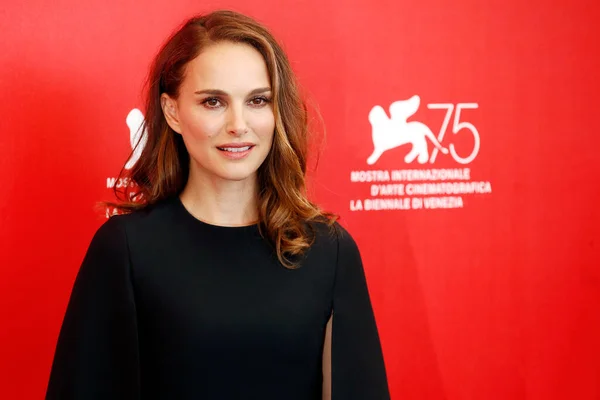
4. Natalie Portman
Natalie Portman’s remarks about Jewish identity took on a more mature tone as she got older. In comments highlighted by The Hollywood Reporter, she said, “The older I get, the more I realize how different it is to be a Jew in a Jewish place as opposed to a Jew in a non-Jewish place.”
That sentence is less about doctrine than lived belonging. It reflects how faith and identity often become more visible with age, especially when family, geography, and public life intersect. Her comments showed a later-life willingness to discuss religion not just as heritage, but as something felt in everyday safety, culture, and self-expression.
5. Orlando Bloom
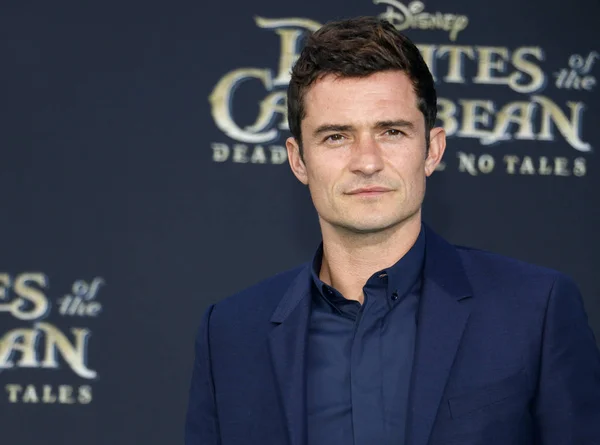
Orlando Bloom has described Buddhism as something active and grounded in ordinary life rather than escape. In comments revisited by multiple outlets, he said the philosophy he embraced was “about studying what is going on in my daily life and using that as fuel to go and live a bigger life.”
That perspective gained added depth as he moved through adulthood and spoke more openly about practice as an “anchor,” a phrase also noted in his discussion with SGI. The emphasis was not spectacle. It was steadiness.
6. Dave Chappelle
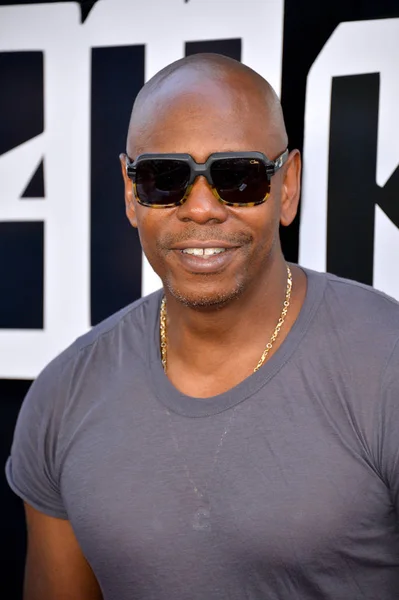
Dave Chappelle has been careful about discussing religion publicly, which made the moments when he did speak about Islam especially notable. He said, “I don’t normally talk about my religion publicly because I don’t want people to associate me and my flaws with this beautiful thing.”
He also described faith as “a lifelong effort” and said, “Your religion is your standard.” Those words landed differently because they were articulated after major career turns and public scrutiny, when conversations about balance, ego, and intention had become central to how he explained his life.
7. Tina Turner
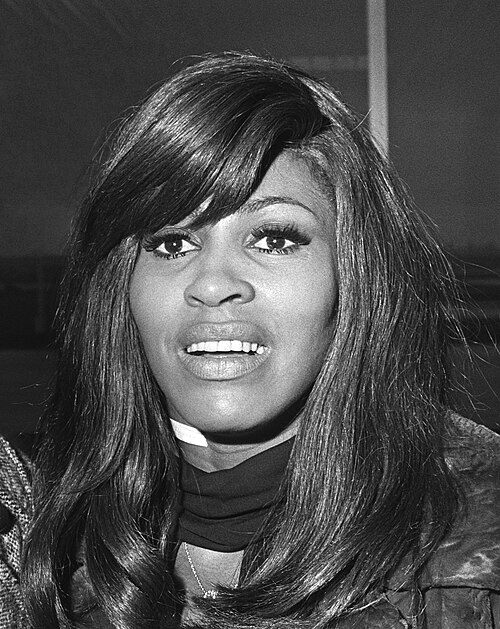
Tina Turner spoke openly about how Buddhism entered her life during a period of severe personal strain. In her account, someone told her, “Buddhism will save your life,” and she began chanting. She later said, “I was willing to try anything.”
Her reflections carried unusual force because they linked spiritual practice to survival, discipline, and renewal. In later life, those comments became part of a larger public understanding of how faith traditions can function as tools for endurance, not only belief systems on paper.
8. Mayim Bialik
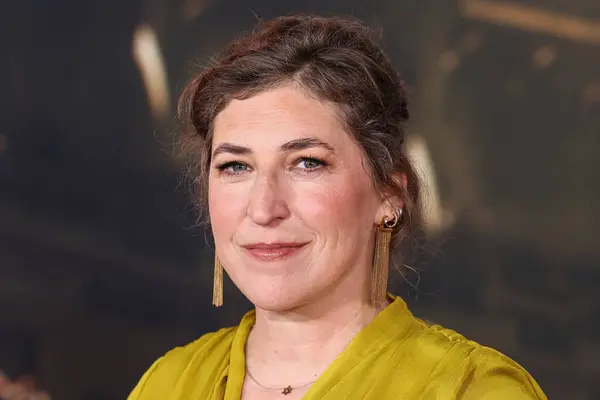
Mayim Bialik’s public comments about religious identity in entertainment arrived after 40 and were direct about the social climate she perceived. She said, “I think in general it’s never going to be trendy to be observant or religious in Hollywood circles.” That quote, highlighted in coverage of her remarks, framed faith as something that can feel unfashionable in celebrity culture.
Her willingness to say that out loud mattered. Rather than presenting belief as polished image-making, she described it as a real part of identity that may sit awkwardly inside an industry built on visibility and approval.
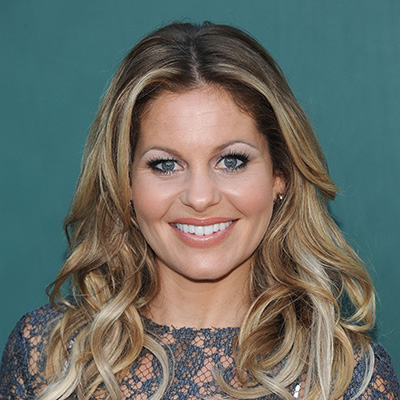
9. Candace Cameron Bure
Candace Cameron Bure has long been vocal about Christianity, but in midlife she continued speaking about it in deeply relational terms. She said, “God’s my best friend,” and described faith as “a daily relationship.”
That language kept the focus intimate and ordinary. Instead of treating religion as a public stance, she described prayer, guidance, and scripture as part of everyday life, which is often how conversations about faith evolve after years of family and career experience.
What connects these figures is not a single creed or a shared kind of fame. It is the way age changed the tone of their public language. After 40, faith was often described less as performance and more as rhythm, grounding, heritage, or recovery.
That shift explains why these stories continue to draw interest. Midlife disclosures about belief tend to reveal not only what a person follows, but how they make meaning from pressure, change, and the long arc of adulthood.


