

Some movies are entertaining on a first viewing and far more revealing on a second. A twist, a visual motif, or a background prop can completely change how earlier scenes play, turning a familiar film into a small puzzle box.
That is part of the appeal of rewatchable cinema. Directors often build meaning into color, set design, recurring objects, and blink-and-miss-it references, and those details tend to land hardest once the audience already knows where the story is going.
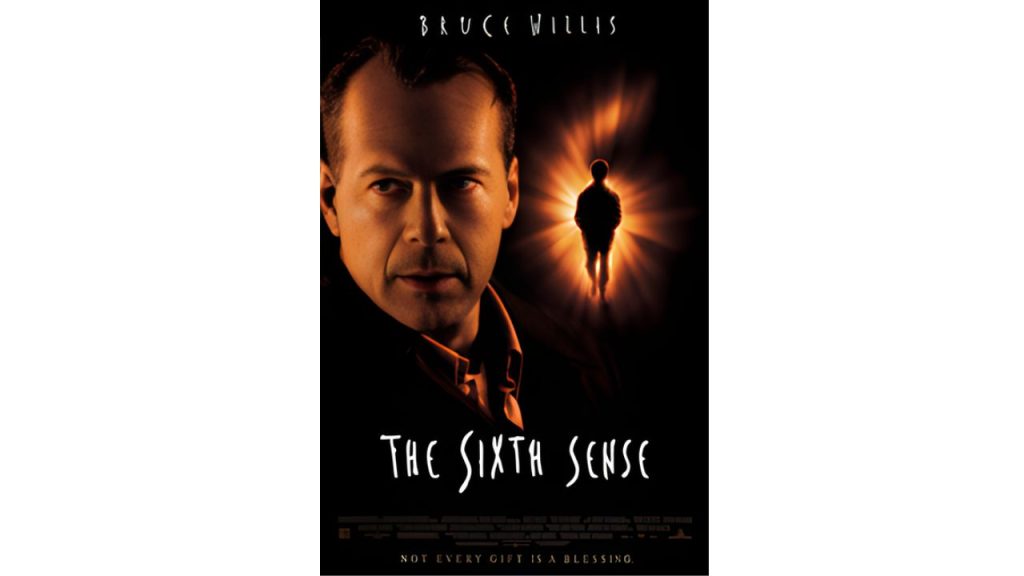
1. The Sixth Sense
Once the ending is known, M. Night Shyamalan’s control over visual storytelling becomes much easier to spot. One of the clearest examples is the recurring use of red, which marks moments connected to the boundary between worlds.
Malcolm’s scenes gain an entirely different tone on rewatch, especially when doors, objects, and blocked spaces quietly signal his true condition. A first watch follows the mystery. A second watch reveals how openly the film has been hinting at it the whole time.
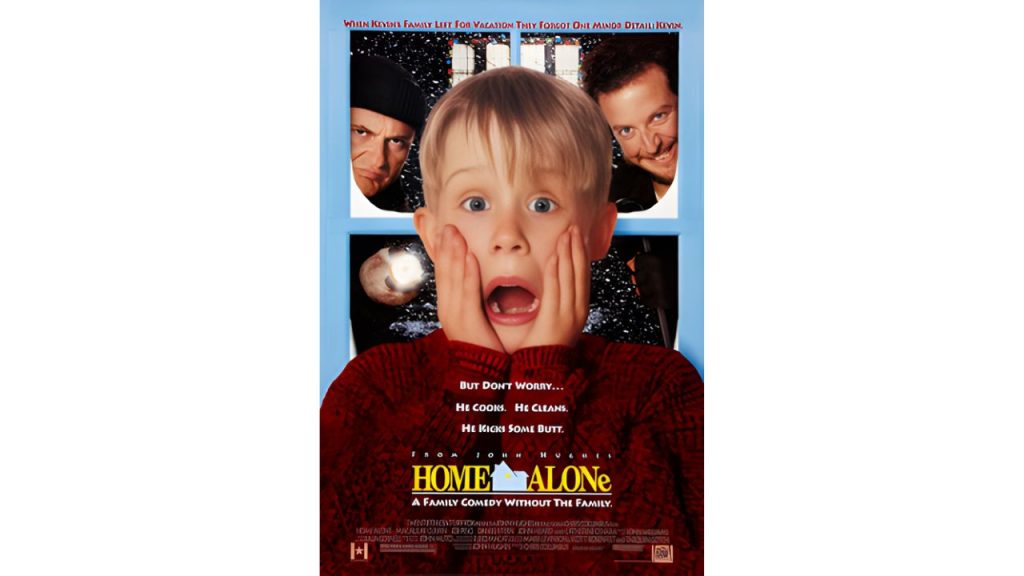
2. Home Alone
This holiday favorite hides one of its smartest story explanations in a burst of family chaos. During the kitchen scene the night before the trip, Kevin’s plane ticket is accidentally thrown away along with soaked napkins after milk spills across the counter.
That tiny detail makes the next morning’s confusion much more believable. It also shows how carefully the film sets up its premise, because Kevin was not just overlooked in the head count; one of the most important physical reminders of his place in the trip had already disappeared.
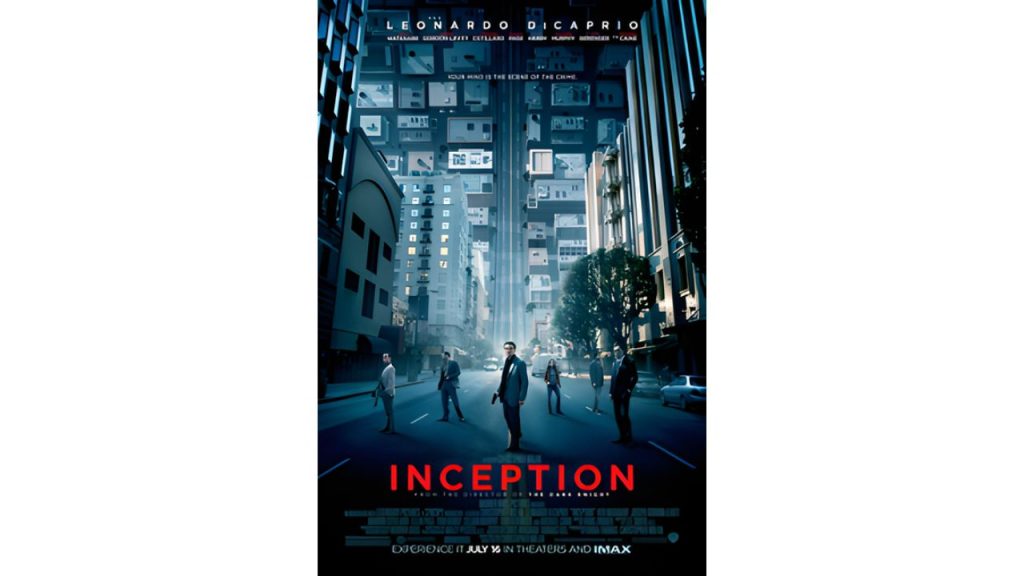
3. Inception
Christopher Nolan built a film that almost demands repeat viewing, but the ending is where the second watch becomes especially rewarding. The spinning top draws attention, yet later discussion around the movie focused on a different clue: Michael Caine’s character appears only in reality.
That shifts the ending from a simple object-based riddle to a character-based signal. Instead of watching only the totem, many viewers return to trace how Cobb’s emotional state and the presence of family reshape the film’s final moments.
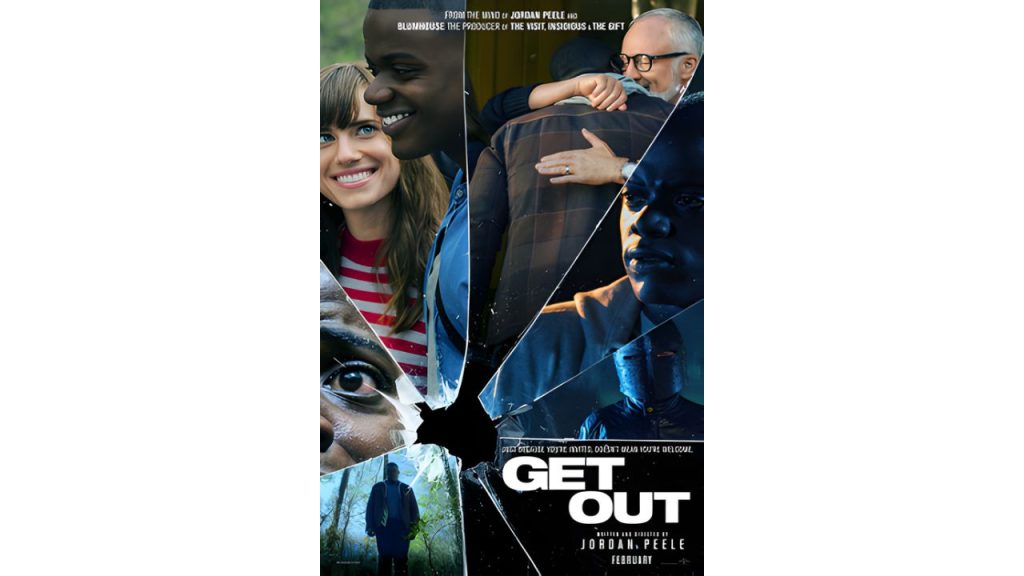
4. Get Out
Jordan Peele threads symbolism through the film so carefully that several images feel ordinary until the full meaning clicks. The deer motif is one of the strongest examples, appearing in conversation, in décor, and on the road during a pivotal early drive.
On rewatch, the symbolism is difficult to miss. The animal reflects vulnerability, predation, and the way Chris is being watched long before the story says it directly. The details are not hidden for the sake of obscurity; they deepen the unease already in the frame.
5. Fight Club
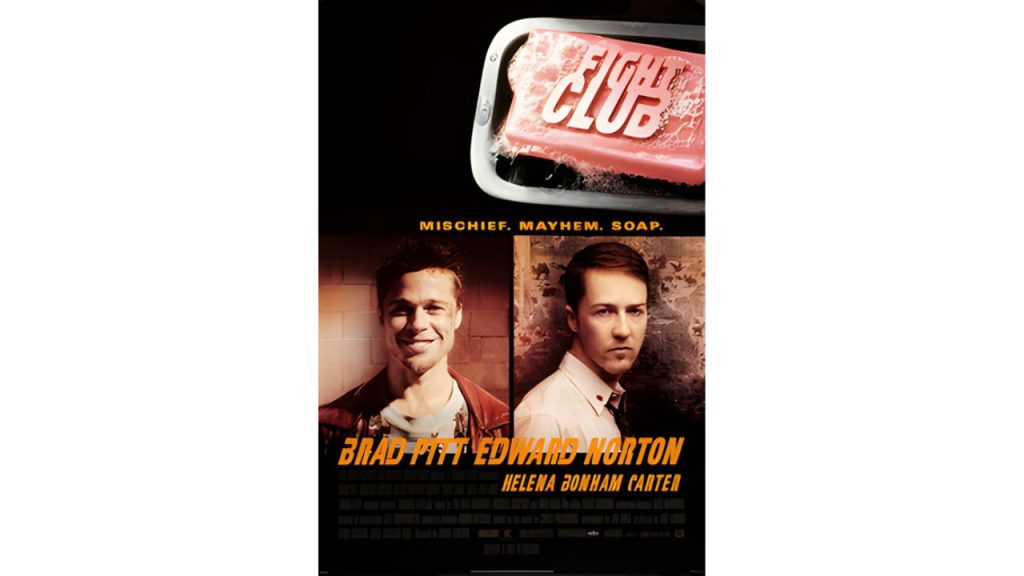
David Fincher loaded the film with clues that become obvious only after the central reveal is understood. One of the sharpest examples comes from the payphone’s “No incoming calls allowed” sign, which undermines a key moment that seems normal on first viewing.
There is also the film’s broader design language. According to commentary highlighted in coverage of the movie, coffee cups appear throughout the film as a recurring corporate symbol, reinforcing its consumerist critique. Small props and background gags end up serving the story’s fractured point of view.
6. The Godfather
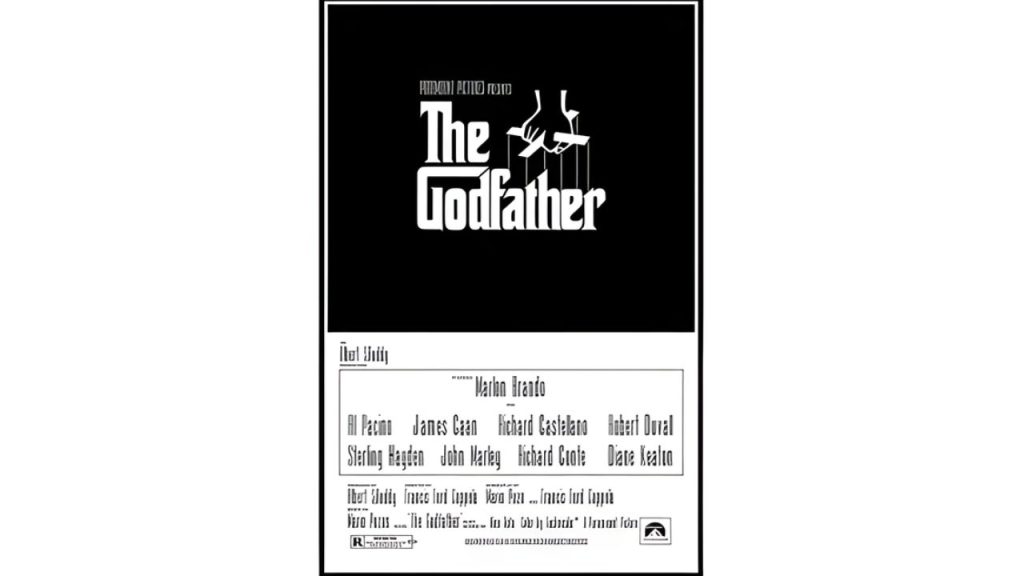
Francis Ford Coppola’s use of oranges has become one of cinema’s most famous visual patterns. The fruit repeatedly appears around danger and death, including scenes involving Vito Corleone, which turns an ordinary grocery item into a quietly ominous signal.
That device works because it never stops the story to explain itself. It simply keeps reappearing until the audience begins to notice the pattern. On a second watch, each orange in the frame carries tension before anything has even happened.

7. Parasite
Bong Joon-ho’s film is filled with class commentary that is embedded into physical space. The repeated movement up and down staircases is not just practical staging but a visual expression of status, aspiration, and collapse.
That layered design becomes even richer on rewatch because the film constantly ties elevation to power. A longer look at the house, the semi-basement, the hidden spaces, and the relentless descent during the storm sequence reveals how architecture itself tells the story. The script is sharp enough on its own, but the visual structure does an enormous amount of silent work.

8. Titanic
James Cameron’s epic is often remembered for scale, but its finer details are just as striking. Reports on the production have noted the use of original blueprints, historically matched décor, and White Star Line markings placed throughout the ship’s interiors.
That commitment means even background scenes reward closer attention. Tableware, upholstery, uniforms, and room layouts all help create the impression of a fully lived-in vessel rather than a simplified movie set, which makes revisiting the film feel like walking through a carefully reconstructed world.
9. The Breakfast Club
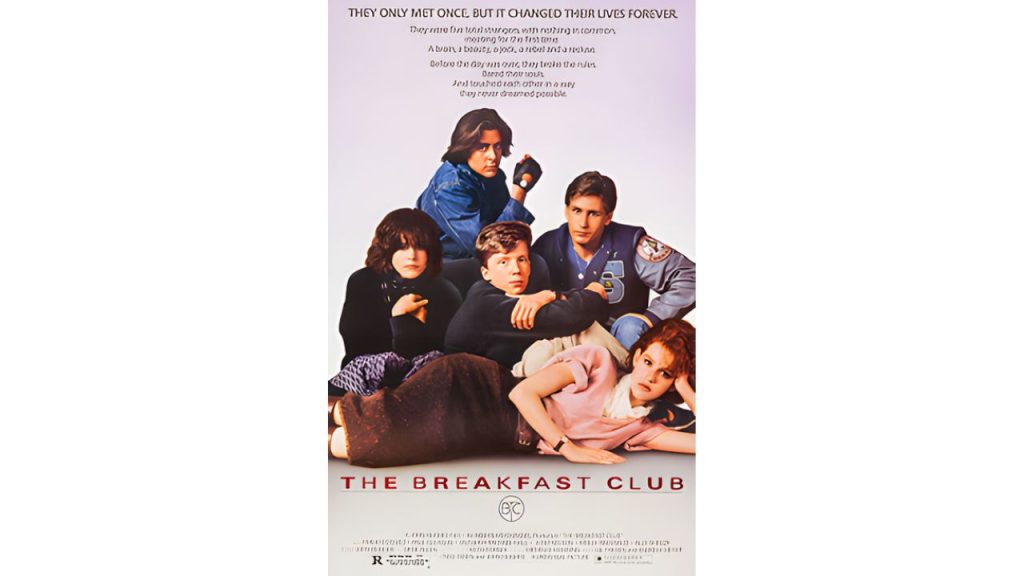
John Hughes slipped a subtle character detail into the school’s background imagery. The montage of old student photos reveals that Carl the janitor was once named “Man of the Year” in 1969, adding a quiet layer to a character who initially seems easy to dismiss.
That small reveal fits the film’s larger point about stereotypes and the limits of first impressions. It is easy to miss because the movie never underlines it, but once noticed, it changes how Carl’s place in the school is understood.
10. Raiders of the Lost Ark
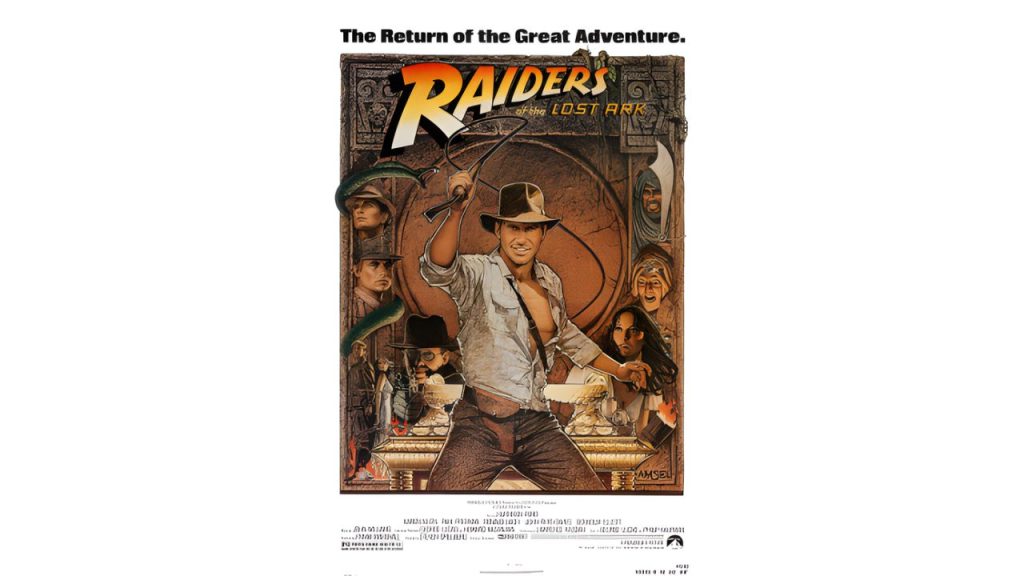
Some hidden details are less about foreshadowing and more about playful craftsmanship. In this case, viewers who look closely can spot R2-D2 and C-3PO in the hieroglyphs, a sly visual crossover tucked into the film’s ancient setting.
It lasts only a moment, but it captures why second watches are fun. Not every hidden detail needs to rewrite the story; sometimes it simply reveals the filmmaker’s sense of humor and the larger web of movie history sitting inside the frame.
The best hidden details do more than reward sharp eyes. They create the feeling that a movie has been built with enough care to keep unfolding after the credits roll.
That is why certain films remain endlessly rewatchable. A second watch does not just confirm what happened; it reveals how skillfully the story was guiding the audience there from the beginning.


