
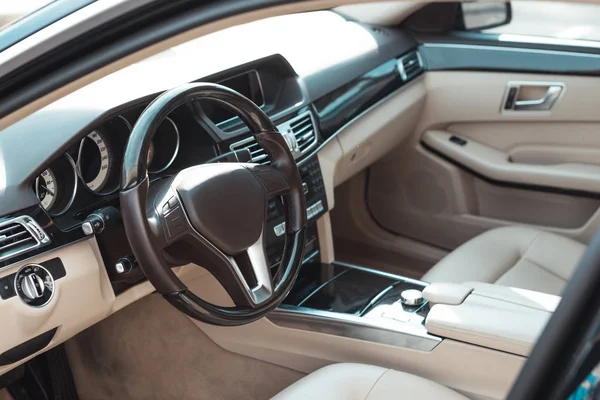
The glove compartment was once a simple place for maps, manuals, and driving basics. In many cars, it has turned into a catchall for paperwork, spare items, and anything that needs to be hidden quickly.
That habit can create security problems. The glove box is often one of the first places a thief checks, and documents left there can expose personal details, household access, or financial information. In some cases, drivers can reduce that risk by using digital proof of insurance or carrying copies elsewhere instead.

1. Vehicle Title
A car’s title does not belong in the glove compartment. It is not something a driver typically needs during a routine stop or after a minor incident, yet it carries information that can be misused if the car is broken into or stolen. Reference materials note that a title may include a signature and ownership details that make fraud easier. AAA warns that the vehicle title should never be left in the car. Keeping it at home is the safer choice.
2. Driver’s License or State ID
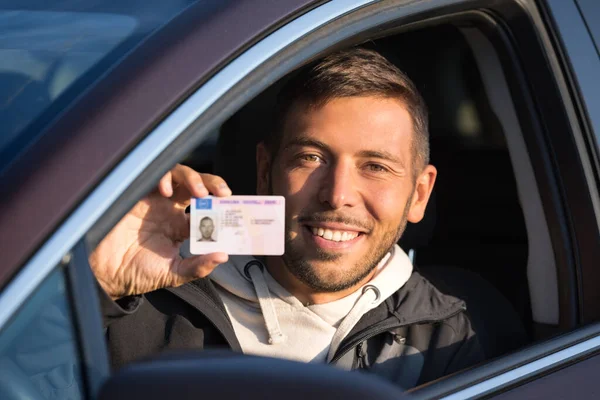
A driver’s license is meant to stay with the driver, not in the vehicle. If it is left behind, it can hand over a full set of identifying details to anyone who gets inside the car. That includes a name, address, date of birth, and other information commonly used in identity theft. One source described a license as a “treasure trove of information” for thieves. In practical terms, that makes a wallet or purse a better place for it than the dashboard.

3. Checkbooks, Credit Cards, and Loose Payment Records
The glove box should never become a backup wallet. Credit cards, checks, and payment slips can expose account numbers and create a direct route to fraud. Even when these items are tucked out of sight, they are still inside a part of the car that burglars know to search. A stolen card can be used quickly, while checks can reveal banking information that is difficult to undo once exposed.

4. Receipts With Personal Information
Receipts often look harmless. Many are not. Store-bought printouts may contain a full name, partial card number, email address, phone number, or home address. When several receipts are collected in one place, they can create a surprisingly detailed profile of a driver’s routines and accounts. That makes the glove compartment a poor long-term storage spot for old shopping slips and service paperwork.
5. Registration Papers With a Home Address
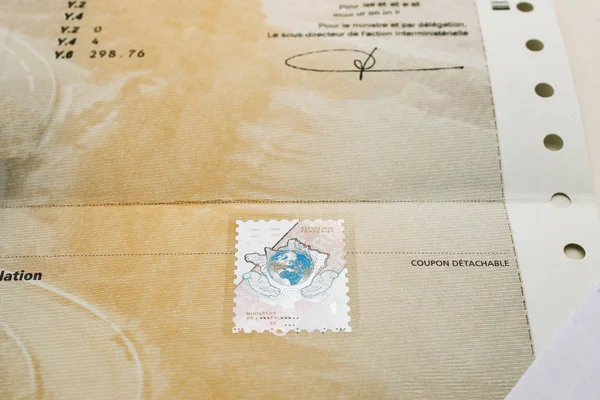
Registration is one of the trickier glove-box items because drivers may need access to it. At the same time, it can reveal personal details that make a break-in more costly than a stolen car window. Some states accept digital insurance cards, while registration rules vary, and some officers can verify records by plate number. Because requirements differ, the safest approach is to carry only what is legally necessary and avoid storing extra copies. Where allowed, a copy or alternate form may reduce the risk tied to leaving the original in the car.
6. Garage Door Openers
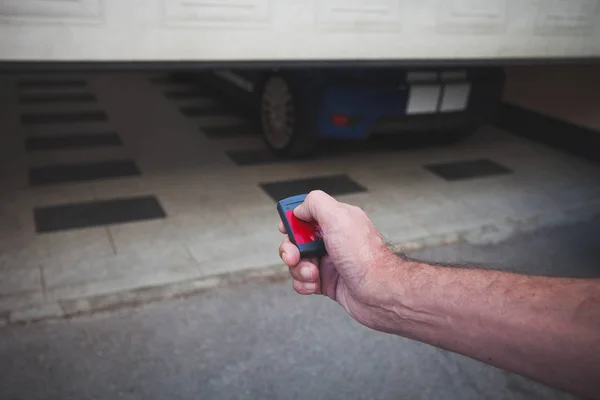
A garage door opener can turn a vehicle break-in into a home-security problem. If a thief also finds paperwork showing the owner’s address, access to the house becomes much easier. Joe Wehrle, president and CEO of the National Insurance Crime Bureau, told Clark.com, “We have reports from our law enforcement partners that car thieves have stolen the car, driven it to the residence, and burglarized the home before the owner even knew the vehicle was missing.” That is why pairing address-bearing documents with a garage remote creates a particularly avoidable risk.

7. Spare House Keys or Extra Car Keys
An extra key may feel like smart preparation, but storing it in the glove compartment defeats the purpose. If someone gets into the car, that person may also gain an easy way into the home or continued access to the vehicle. This is one of the shortest convenience decisions with the longest consequences. A spare key belongs in a more secure location.

8. Electronics and Other Small Valuables
Phones, earbuds, small cameras, and similar devices should not be hidden in a glove compartment and forgotten. Concealed is not the same as secure. Reference guidance also points out that personal items stolen from a vehicle may not be covered by auto insurance. That means a glove box full of gadgets can create both a theft risk and an expensive surprise afterward.

9. Bills of Sale, Service Invoices, and Other Personal Paperwork
Many drivers keep repair invoices because they want maintenance records close by. The problem is that these papers often include far more than a list of parts and labor. Service documents, bills of sale, and related forms may contain addresses, phone numbers, financing references, and signatures. A bill of sale can contain extensive personal and banking-related information, which makes it an unnecessary risk inside the car.

10. Loose Batteries
Not every glove-compartment mistake involves identity theft. Some involve heat. Battery performance can degrade in a hot car, and temperature swings can shorten useful life. One auto-parts source also warns that overheated batteries can start fires. Emergency gear matters, but batteries should be checked regularly and stored with temperature in mind rather than forgotten in the glove box for months.
The safest glove compartment is usually the least revealing one. Papers that prove identity, ownership, address, or account access are better kept at home, on the driver, or in secure digital form when local rules allow it.
A quick cleanout can remove the items that create the biggest problems: identity theft, home access, and avoidable loss. For most drivers, that makes the glove box less of a filing cabinet and more of a space for only the essentials.


