
Some losses arrive with public spectacle. Others settle in more slowly, becoming visible only when a familiar voice, face, or screen presence no longer anchors the stories audiences thought would keep going forever.
Television history is filled with performers whose deaths did more than interrupt productions. They closed chapters in entertainment culture, changed how shows handled grief, and revealed how deeply certain actors had become tied to the tone of an era. These names did not all exit with the same level of attention, but each disappearance altered the medium around them.
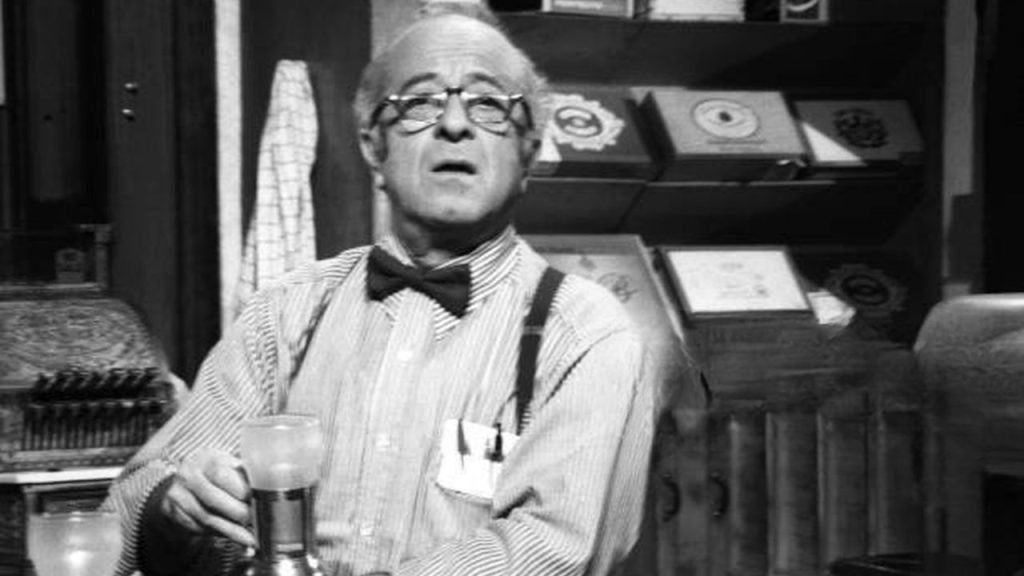
1. Will Lee
When Will Lee passed away in 1982, Sesame Street faced a question children’s television had rarely confronted directly. Lee’s Mr. Hooper was not simply a recurring adult on the block; he was part of the emotional architecture of the show. The eventual episode “Goodbye, Mr. Hooper” became one of television’s most important lessons in explaining death to young viewers without disguise or melodrama.
That moment marked the end of a gentler early era of educational television, when neighborhood familiarity was the format’s core strength. The show continued, but it never again had the innocence of a world where absence did not need explaining.
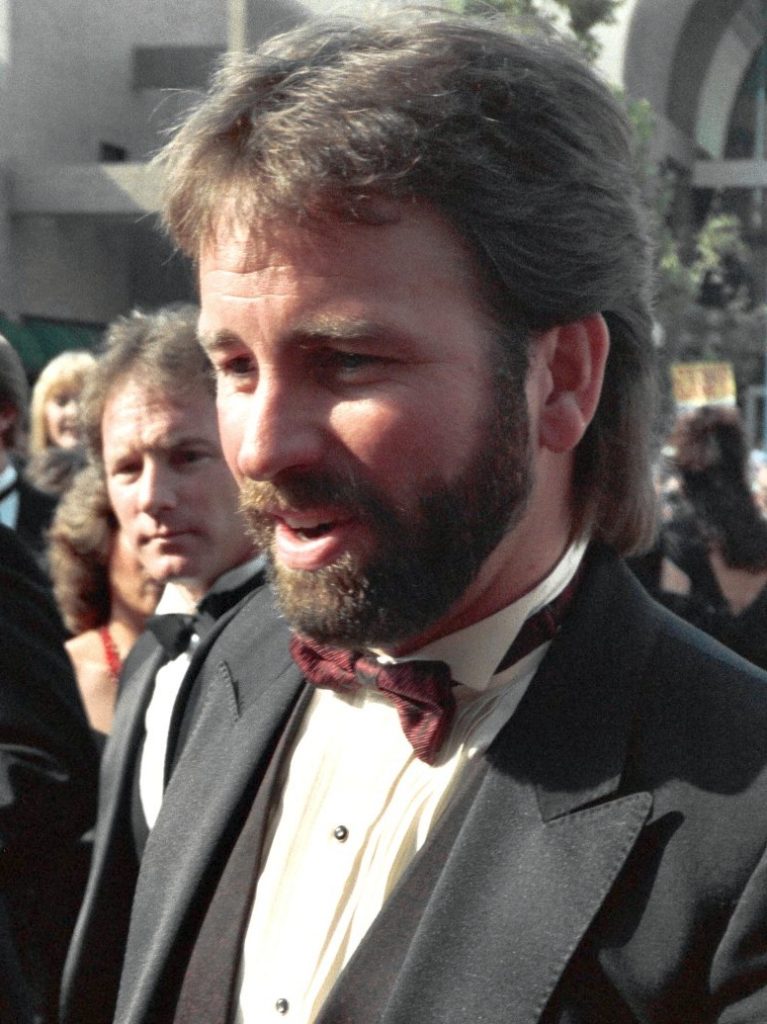
2. John Ritter
John Ritter’s death in 2003 changed 8 Simple Rules overnight. He had been the comic and emotional center of the sitcom, and his loss forced the series into a public act of mourning that many viewers still associate more strongly than its original premise. The show wrote his character out through the two-part episode “Goodbye,” turning a family comedy into a portrait of sudden grief.
Ritter’s death also signaled the fading of a type of television performer once common in American homes: the broadly accessible sitcom lead with impeccable physical timing and no need for irony to seem modern. His career connected classic network comedy to a newer generation, and that bridge disappeared with him.
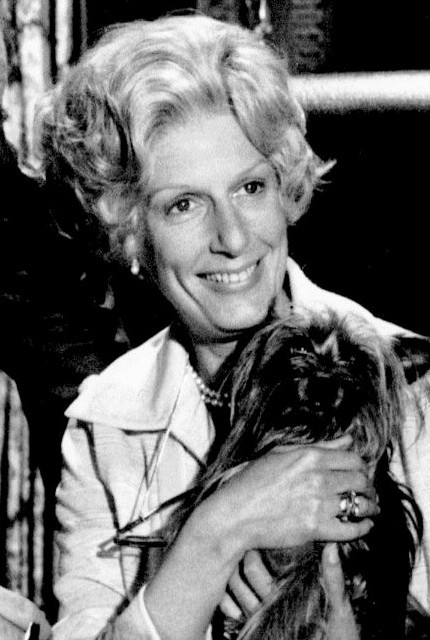
3. Nancy Marchand
Nancy Marchand’s death during The Sopranos run had an effect larger than one character exit. Livia Soprano represented an older form of family power, a domestic ruthlessness that grounded the show’s criminal world in something more intimate and unsettling. After Marchand’s death was written into the series, the show lost one of its sharpest embodiments of inherited dysfunction.
That shift mattered. Early prestige television often depended on veteran actors who carried decades of dramatic authority into newer, riskier formats. Marchand’s absence narrowed one of the strongest links between old-school screen acting and the emerging antihero age.
4. Phil Hartman
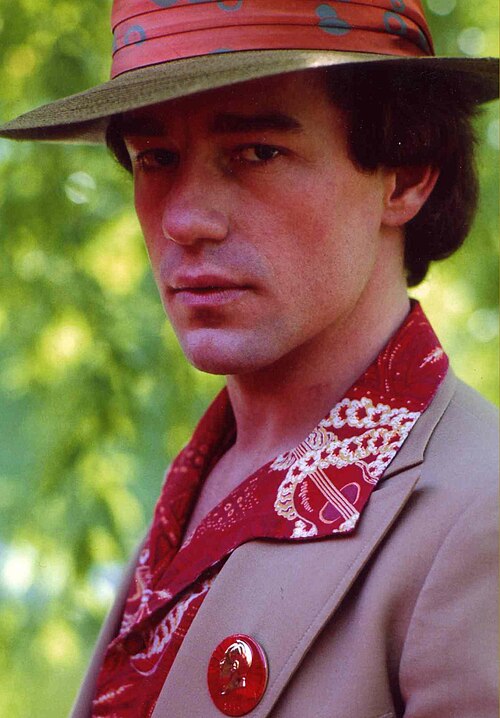
Phil Hartman’s death in 1998 stunned comedy television because his range had made him seem permanent. On NewsRadio, his Bill McNeal brought ego, weariness, and polish to an ensemble built on chaos. The series responded with a tribute episode and then moved forward, but the balance was altered.
Hartman belonged to a generation of performers who could move between sketch comedy, sitcoms, voice acting, and supporting film work without losing authority in any of them. That versatility helped define late-20th-century comedy. His death did not just remove a cast member; it dimmed an entire model of comic craftsmanship.
5. Jim Henson
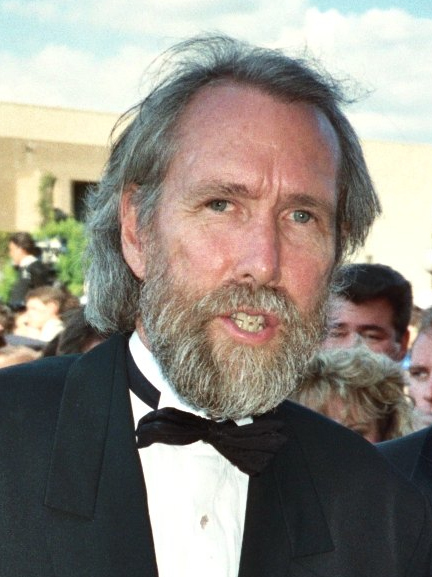
Jim Henson’s death in 1990 was unlike most television losses because he was both performer and architect. His roles on Sesame Street and across the Muppet universe could be recast, and some were, but the larger change was creative. Henson had shaped a whole television language in which puppetry, sincerity, absurdity, and emotional intelligence coexisted without strain.
The productions continued. The characters continued. But the original era of Muppet performance as a singular personal vision had ended, and children’s television lost one of its defining makers.
6. John Spencer
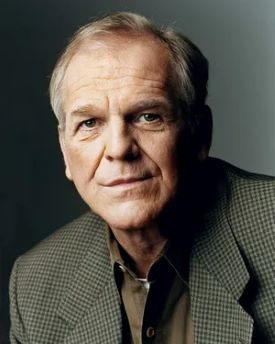
John Spencer’s death in 2005 landed heavily because The West Wing already carried a strong sense of political history and institutional memory. Leo McGarry represented the weary operator, the loyal fixer, and the older governing class that gave the show its seriousness. When the series wrote in his death, it also acknowledged that its own idealistic political universe had been permanently altered.
Spencer’s presence belonged to a period when network drama still trusted seasoned character actors to hold moral weight without grand speeches in every scene. His loss quietly marked the decline of that television style.
7. Carol Ann Susi
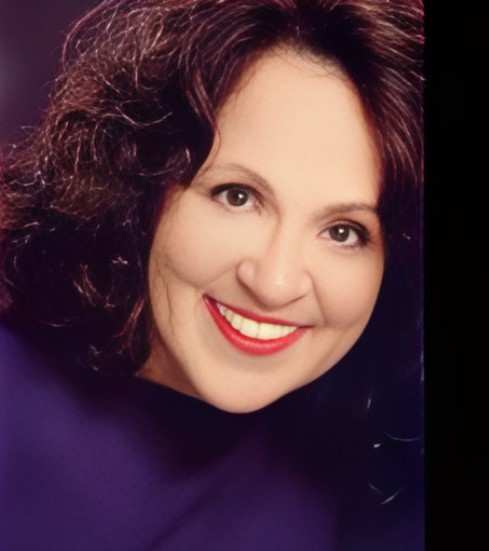
Carol Ann Susi never appeared onscreen as Howard’s mother on The Big Bang Theory, yet her voice became one of the show’s most recognizable signatures. After her death in 2014, the series chose to let the character die as well. It was a reminder that television identity is not always visual; sometimes it lives in rhythm, interruption, and sound.
Her absence also pointed to the end of a sitcom habit that once thrived: the partly unseen but vividly imagined character who enlarged a show’s world through performance alone. That format has grown rarer in modern comedy.
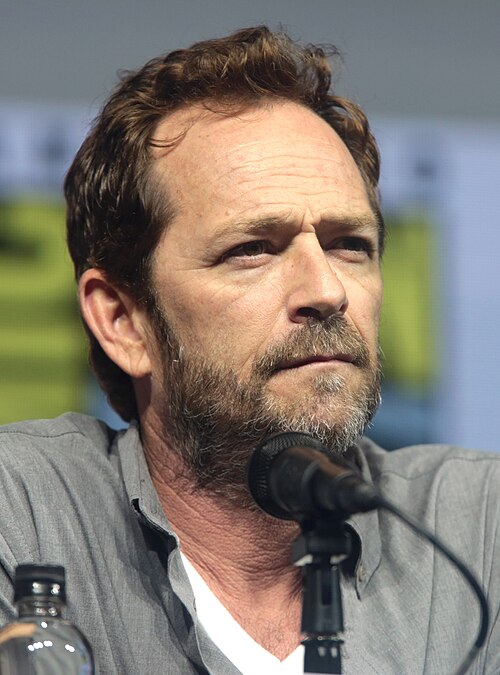
8. Luke Perry
Luke Perry’s death in 2019 carried more than the loss of a Riverdale cast member. For many viewers, he still represented a lasting piece of 1990s teen television, and his later role as Fred Andrews gave that legacy a second life. The series responded by giving his character an off-screen death and building a memorial episode around it.
Perry’s passing underscored how strongly one generation’s youthful icons had become the stabilizing adults in another generation’s dramas. His death closed a circle in teen TV history, from heartthrob culture to parental grounding.
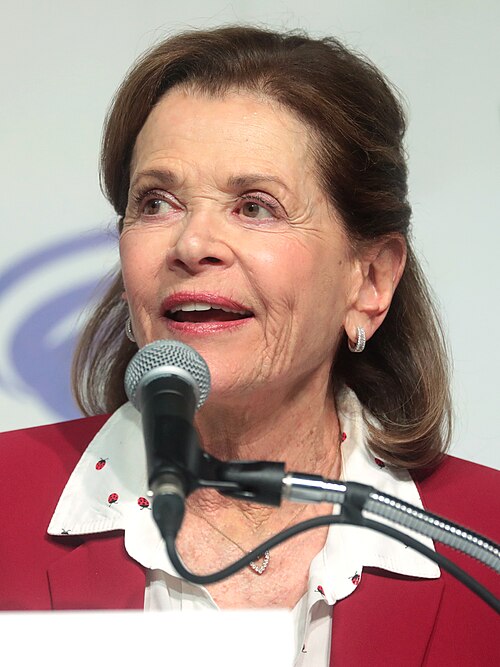
9. Jessica Walter
Jessica Walter completed work for Archer before her death in 2021, allowing Malory Archer to exit with wit intact. That mattered because Walter’s performance linked acid comic timing to a far older tradition of stage and screen authority. She could make a line sound both theatrical and contemporary, severe and playful in the same beat.
Her death felt like the fading of a performer type television once relied on constantly: the formidable elder presence who could dominate a scene without raising volume. Animation preserved the voice a little longer, but the era it represented was already closing.
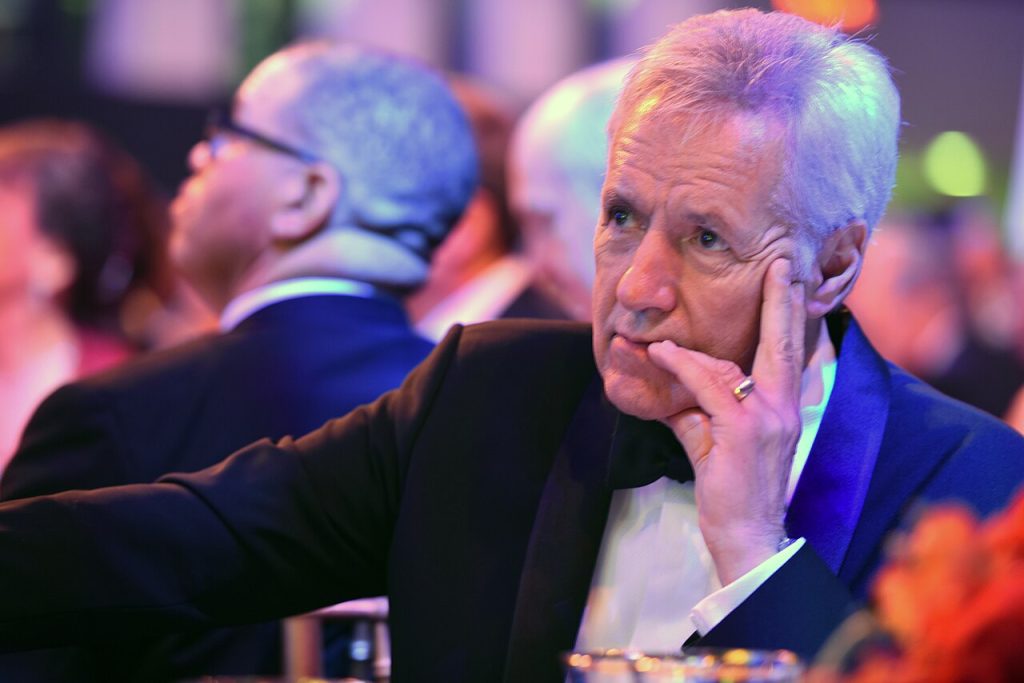
10. Alex Trebek
Alex Trebek was not an actor in the usual sense, but television culture treated him as an enduring on-screen presence with a role no one else could quite replicate. After his 2020 death, interim hosts filled the lectern on Jeopardy! before the show settled into a new arrangement. The transition made plain how much of the program’s identity had rested in Trebek’s steadiness.
His death quietly marked the end of an era when hosts were built to last for decades and become inseparable from the format itself. In that sense, the loss was bigger than one program. It reflected the fading of television’s old promise of continuity.
These performers left different kinds of legacies: comic, dramatic, educational, and ceremonial. What links them is that their deaths changed not only productions, but also the emotional rules of the mediums they worked in.
Sometimes the end of an era is not announced by a finale. Sometimes it arrives when a show keeps going, yet never feels quite the same again.


