

Television history is full of series that ended before audiences were ready to let them go. In some cases, a network buried a show in a weak time slot. In others, production costs, executive turnover, or scheduling decisions mattered more than quality. The result was the same: a short run on air, followed by a much longer life in living rooms, DVD collections, streaming queues, and fan conversations.
That second life is where cult status tends to begin. A cancellation can freeze a show at its most vivid point, leaving behind a compact body of work that feels unusually rewatchable, quotable, and influential.
1. Firefly
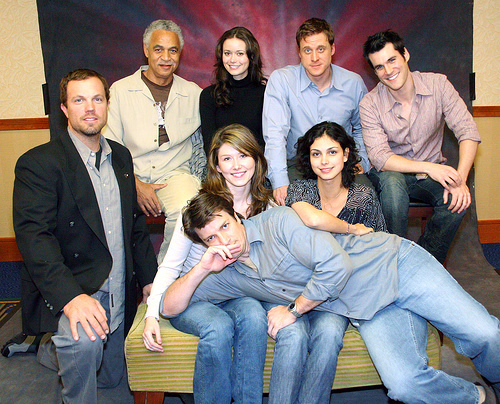
Firefly remains one of the clearest examples of a series whose reputation expanded after cancellation. The space Western followed Captain Malcolm Reynolds and the crew of Serenity, blending frontier grit with science-fiction worldbuilding in a way that felt distinct even in a crowded genre field.
The show’s initial run was undermined when Fox aired episodes out of order, making it harder for viewers to settle into the story. It lasted just one season, yet its afterlife was unusually strong, driven by home-media sales and a committed fan base. That loyalty eventually helped lead to the 2005 follow-up film Serenity, giving the series a rare second act after television had already let it go.
2. Freaks and Geeks
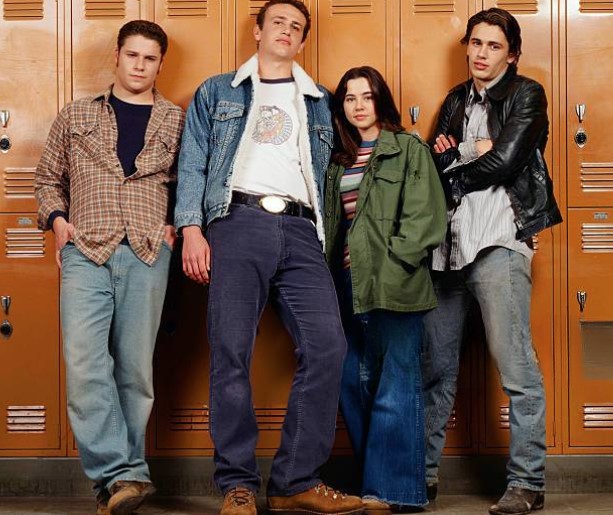
Before many of its cast members became major film and television names, Freaks and Geeks captured adolescence with an uncommon level of specificity. Set in suburban Detroit in the early 1980s, it centered on siblings Lindsay and Sam Weir as they moved through different corners of high school life.
The series was canceled during its first season, despite critical praise. Its legacy grew because the show treated teenage insecurity, social drift, and family tension as everyday realities rather than as sitcom punch lines. It also benefited from later rediscovery, as viewers returned to see early work from Linda Cardellini, James Franco, Seth Rogen, Jason Segel, and Busy Philipps. What once looked like a short-lived network misfire became a benchmark for teen dramedy.
3. My So-Called Life
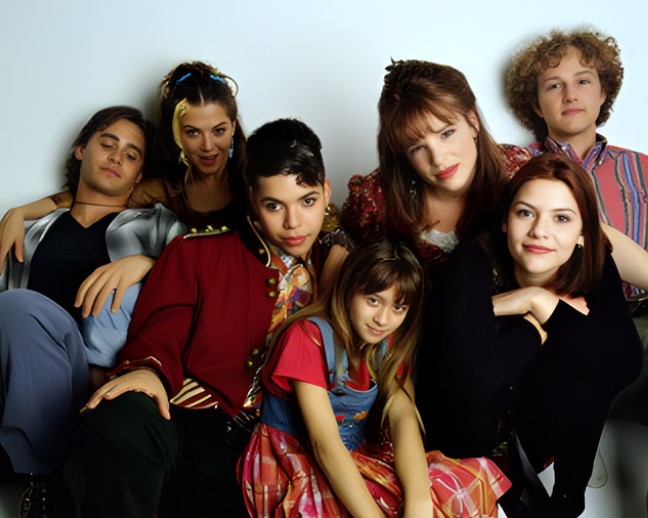
My So-Called Life aired only one season, but its influence on teen television has proven lasting. Starring Claire Danes as Angela Chase, the series approached adolescence with a seriousness that stood apart from more polished youth programming of its era. Its stories engaged with issues that many network dramas handled only occasionally, including identity, alienation, abuse, and homelessness.
The cancellation left viewers with unresolved storylines, but it also locked the series into memory as something unusually honest and unfinished. According to coverage of the show’s legacy, low ratings and heavy competition contributed to its end, while Danes’ growing film career also pulled attention elsewhere. Even so, the series became one of the earliest examples of fans trying to rally online after a network cancellation.
4. The Dana Carvey Show
Some cult favorites are dramas. Others are comedies that arrived before a mainstream audience knew what to do with them. The Dana Carvey Show belongs firmly in the second category. It lasted only seven episodes, yet the show’s creative roster alone explains why its reputation endured. Its writers included Bob Odenkirk, Charlie Kaufman, and Louis C.K., while Steve Carell and Stephen Colbert appeared on screen before either became a household name.
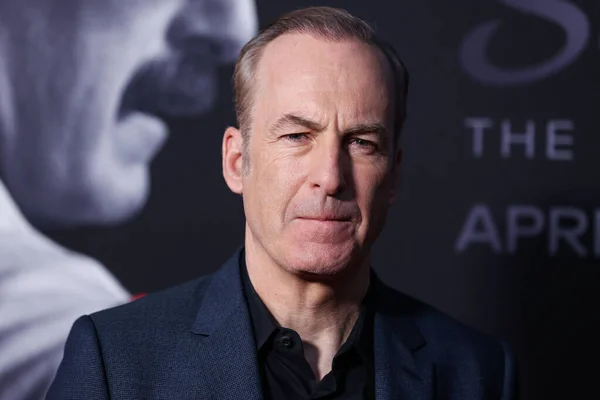
The series lost momentum quickly because its surreal and abrasive comedy did not align neatly with the broader audience ABC had placed around it. Over time, though, that same mismatch made it easier to view the show as a genuinely strange artifact that anticipated later sketch comedy sensibilities.
5. The OA
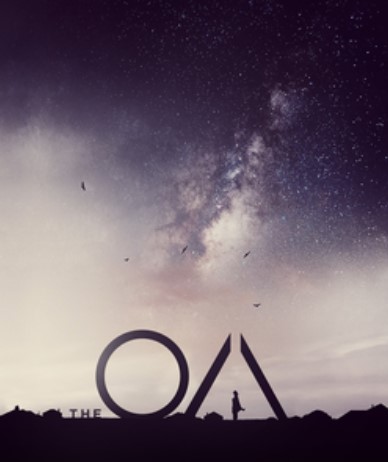
The OA was not a one-season cancellation, but it still fits the larger pattern of an early ending that intensified audience devotion. Co-created by Brit Marling and Zal Batmanglij, the series mixed mystery, spirituality, science fiction, and metaphysical drama with an unapologetically singular tone.
Netflix canceled the show after two seasons even though it had been designed as a longer arc. That abrupt stop transformed it from an ambitious streaming original into a modern cult object, with fans holding onto its unfinished design as part of its identity. The cliffhanger became part of the mythology. So did the visible intensity of viewer response, which turned the show into a reference point whenever conversations return to how streaming platforms measure success.
6. Garth Marenghi’s Darkplace
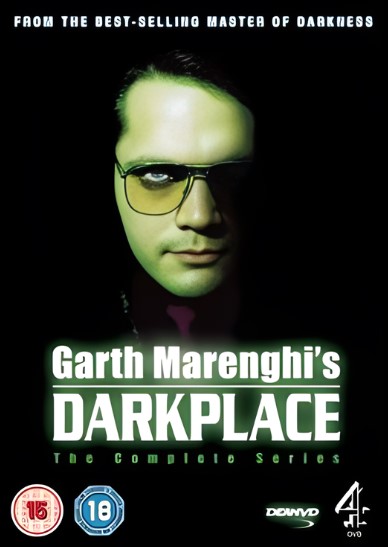
British cult television has its own tradition of short runs that grow louder with time, and Garth Marenghi’s Darkplace is a standout. Built as a parody of a lost 1980s horror series, it leaned into stiff acting, fake gravitas, cheap effects, and self-mythologizing absurdity.
Its original run was brief, but the show became a favorite with viewers drawn to comedy that rewards repetition. Richard Ayoade, Matt Berry, and Matthew Holness helped turn the series into something that felt both niche and endlessly shareable. Its cult status owes a great deal to that exact quality: it seems designed for viewers who enjoy quoting a show as much as watching it.
7. The Night Of
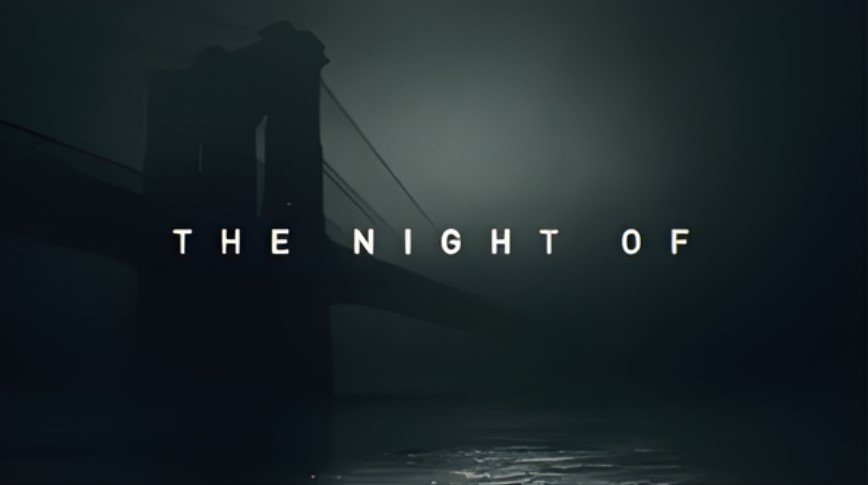
Unlike the others here, The Night Of was structured as a contained story rather than a conventional ongoing series. Still, its single-season status helped give it the same concentrated force that often defines cult favorites. Over eight episodes, it examined a murder case, the criminal justice system, and the personal erosion that comes with being swallowed by both. Riz Ahmed and John Turturro anchored the show with performances that gave the material unusual weight. Its reputation has lasted because it delivered the scale of a prestige drama without overstaying its welcome. For many viewers, that compactness is part of the appeal.

Shows like these often outlive the conditions that ended them. A poor slot, an expensive budget, a network clash, or a platform recalculation may cut a run short, but those decisions do not necessarily decide cultural staying power. In many cases, the opposite happens. A brief run leaves behind a series that feels concentrated rather than diluted, and audiences keep returning until cancellation stops looking like an ending and starts looking like the beginning of a cult legacy.


