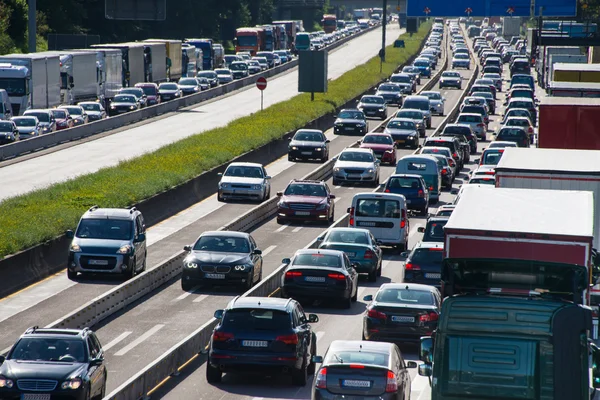
California’s road rules for 2026 reach far beyond routine DMV fine print. The changes touch impaired-driving penalties, roadside behavior, camera enforcement, low income ticket relief, e-bike visibility, and even how abandoned vehicles are handled.
For everyday drivers, the practical theme is simple: small habits now carry bigger consequences. A blocked license plate, a hurried pass by a stranded car, or a missed red light in a camera zone can lead to very different outcomes than in prior years.
1. DUI-related vehicular manslaughter can bring longer probation
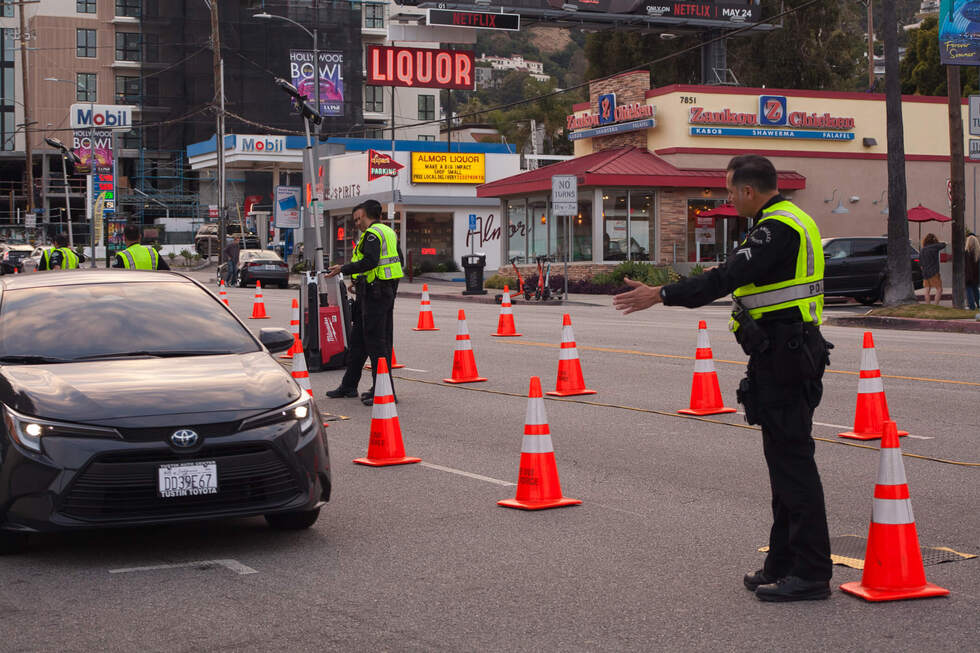
California is extending probation terms for people convicted of vehicular manslaughter or gross vehicular manslaughter while intoxicated. Instead of a shorter two-year period, courts can now impose three to five years of supervision.
That change gives courts more time to enforce conditions tied to alcohol treatment, monitoring, and driving restrictions. It also aligns oversight for these cases more closely with the seriousness of impaired driving that ends in a fatality.
2. Ignition interlock devices are staying in place longer
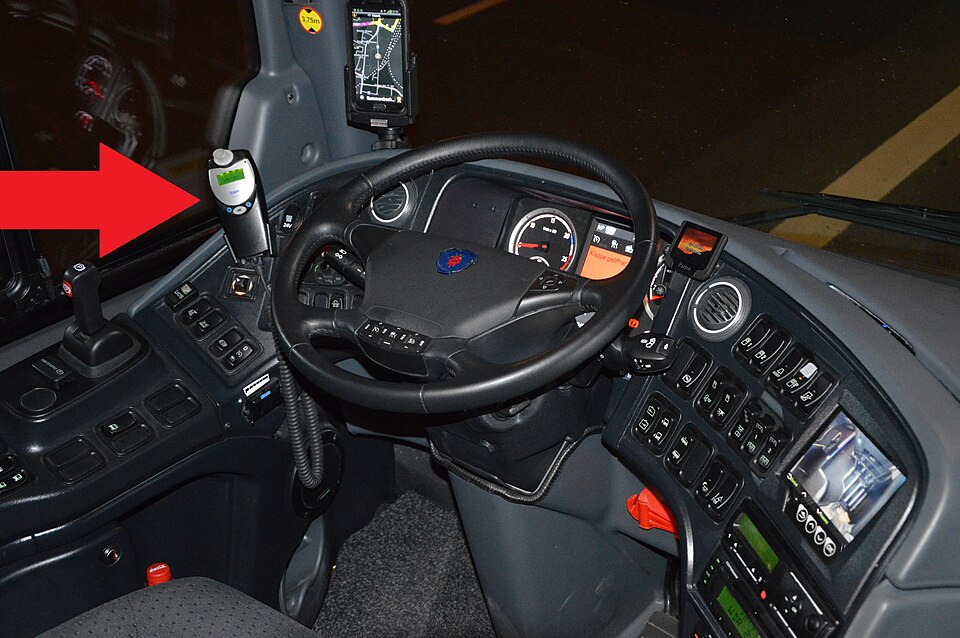
The statewide ignition interlock device program is no longer approaching an immediate sunset. Under the updated law, the requirement continues until 2033, preserving a system that prevents a vehicle from starting when alcohol is detected on a driver’s breath.
This matters because the program is no longer a short-term experiment. It remains part of California’s long-range impaired-driving framework, extending a safeguard that has become a routine feature of DUI enforcement.
3. The “move over or slow down” rule now protects more stopped vehicles
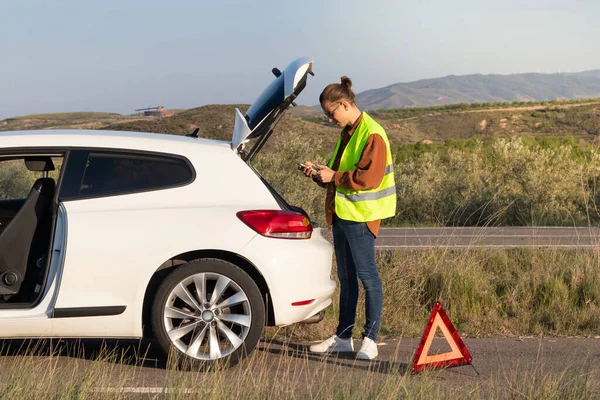
One of the most practical 2026 changes affects the shoulder of the road. Drivers must now slow down or change lanes not only for emergency or highway-service vehicles, but also for stationary vehicles using hazard lights or warning devices.
That broadens roadside protection to stranded drivers, disabled vehicles, and others stopped in vulnerable conditions. It reflects a wider safety concern on busy roads, where a shoulder stop can become dangerous in seconds.

4. Automated red-light enforcement is expanding
Cities and counties have clearer authority to use automated systems to enforce red-light violations. The registered owner can receive the citation based on plate data, and new systems installed after January 1, 2026, must begin with a 60-day warning period before fines start.
The shift fits into a broader statewide move toward camera-based traffic enforcement. In Los Angeles, for example, transportation officials have already identified 125 proposed speed camera system locations as part of a separate pilot effort, showing how automated monitoring is becoming more common in traffic safety policy.

5. License plate tampering is getting closer scrutiny
California is tightening the rules around devices and alterations that interfere with plate visibility or electronic capture. The 2026 change targets products designed to obscure plates, and drivers also face consequences for using plates that cannot be clearly read.
That focus arrives as automated tolling and camera enforcement expand. A plate’s reflective surface and readability now matter more in everyday compliance, not less.
6. Some drivers can get relief from parking fine spirals
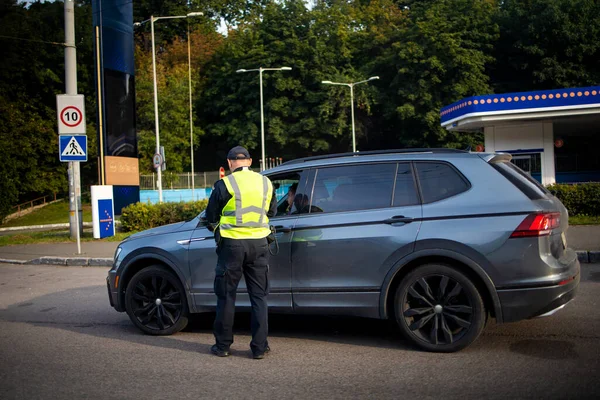
Local governments now have authority to reduce or waive parking penalties for people who cannot afford to pay, and payment plans must be available on request. The practical goal is to interrupt the cycle in which one unpaid ticket snowballs into added fees, towing, or loss of transportation.
For households that rely on a car to keep work, school, and caregiving routines moving, that change is significant. It shifts part of parking enforcement away from pure punishment and toward a more workable compliance model.

7. Off-road electric motorcycles now fall under clearer rules
California has formally classified certain “eMoto” vehicles as off-highway motor vehicles. Riders must wear helmets and display a DMV-issued identification plate or placard.
The classification closes a gray area that had left some electric motorcycles floating between categories. These vehicles are not cleared for ordinary public-street use and are limited to designated off-highway areas or private property with permission.
8. E-bikes need rear visibility equipment at all times
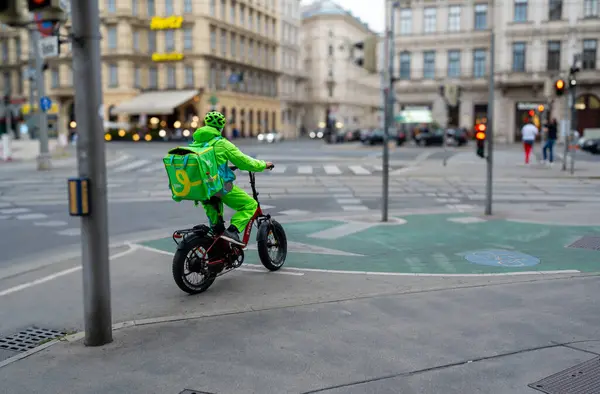
Electric bicycles must now carry a red reflector or a rear red light with a built-in reflector during all hours of operation. The rule is notable because it is not limited to nighttime riding.
It arrives amid broader concern about rider safety, especially for younger riders. California already requires helmets for riders under 18, and some areas are testing local youth e-bike restrictions, including county pilot programmes tied to age and e-bike class.
9. Abandoned RV removal is becoming easier in two counties
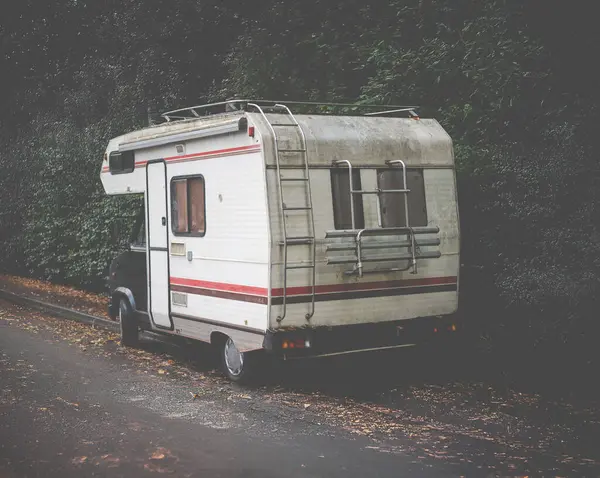
A pilot program now gives Alameda and Los Angeles counties power to remove and dispose of abandoned, inoperable recreational vehicles valued at $4,000 or less. The measure is designed to address long-standing street and lot blockages tied to derelict RVs.
Though it is narrow, the change has a visible neighborhood impact. It also includes an inoperability requirement, which is intended to separate genuinely abandoned vehicles from RVs that are still functional.

10. Distracted driving remains a legal risk, not just a bad habit
Not every important rule for 2026 is brand new. California’s hands-free law continues to be one of the easiest for drivers to violate without thinking, especially as dashboards and phones compete for attention. The state defines distracted driving broadly, and using a phone while holding it in your hand remains illegal.
The California Office of Traffic Safety says phone-based distraction can increase the risk of getting into a crash by three times. For younger drivers, the rule is stricter: motorists under 18 are prohibited from any cell phone use while driving.
Taken together, California’s 2026 updates show a road system leaning harder on visibility, accountability, and prevention. Enforcement is widening in some places, but so are protections for stranded motorists, vulnerable riders, and drivers trapped by unmanageable fines.
For most people, compliance will come down to ordinary details: a clear license plate, a phone left alone, more caution near the shoulder, and better attention at intersections. In 2026, those details matter more.