Celebrity image has always been fragile, but by 2025 it is being shaped faster, louder, and more permanently than ever. A single courtroom update, leaked message, old allegation, or off-screen story can change how audiences talk about a performer almost overnight.
That also means “disliked” no longer points to one thing. For some actors, the damage comes from criminal convictions or misconduct allegations. For others, it comes from public behavior, reputation on set, or an online persona that keeps pushing viewers away. These names stand out because the backlash around them has become part of how their careers are now discussed.
1. Bill Cosby
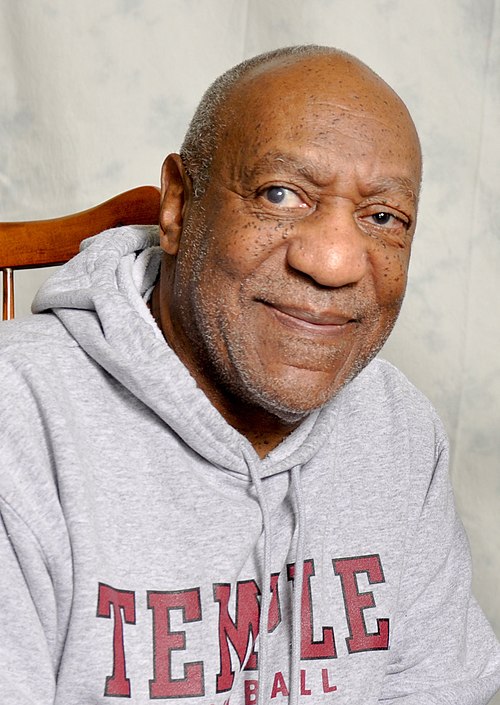
Bill Cosby remains one of the clearest examples of a total reputational collapse. Once marketed as a family-friendly cultural institution, he is now more often discussed as a symbol of how fame can shield misconduct for years before public opinion turns decisively.
The scale of the damage is hard to separate from the number of accusations and the long legal fallout. Public memory around his sitcom legacy has been permanently altered, and his name still appears near the top of broad public-opinion celebrity lists. In 2025, that enduring backlash still defines him more than any screen role.
2. Kevin Spacey
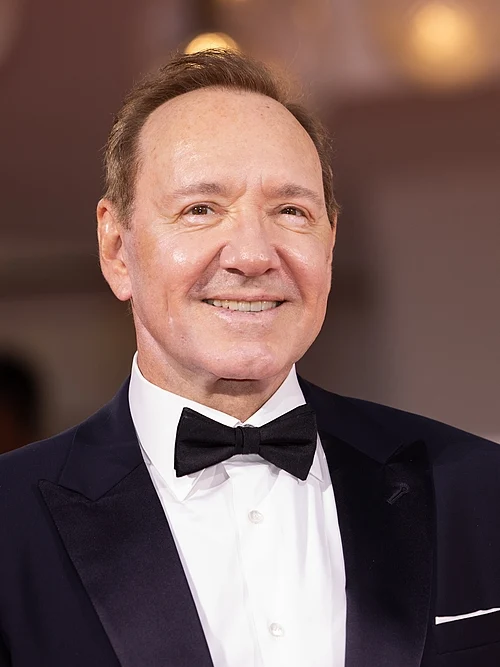
Kevin Spacey’s fall remains one of the starkest in modern entertainment. His removal from major projects became a turning point in how studios respond when serious allegations overwhelm a star’s public standing.
Even with acquittals in some legal cases, the wider reputational damage has not lifted. His career is still discussed through the lens of allegations, recasting, and vanished prestige rather than awards or performances. That kind of public rejection tends to outlast any single headline.
3. Danny Masterson
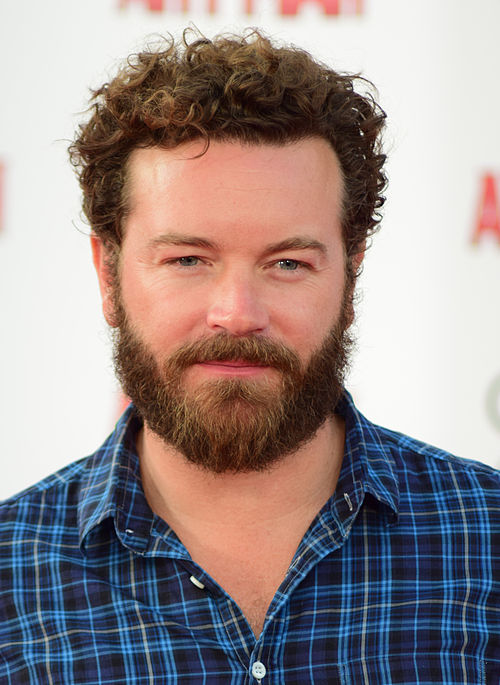
Danny Masterson’s name is now inseparable from his conviction and prison sentence. For many viewers, that ended any remaining separation between a nostalgic sitcom image and real-world conduct.
The reaction has also extended beyond him. The controversy pulled renewed attention toward colleagues and supporters, especially after letters written on his behalf created backlash for others in his orbit. In 2025, he remains one of the most heavily rejected figures connected to television comedy.
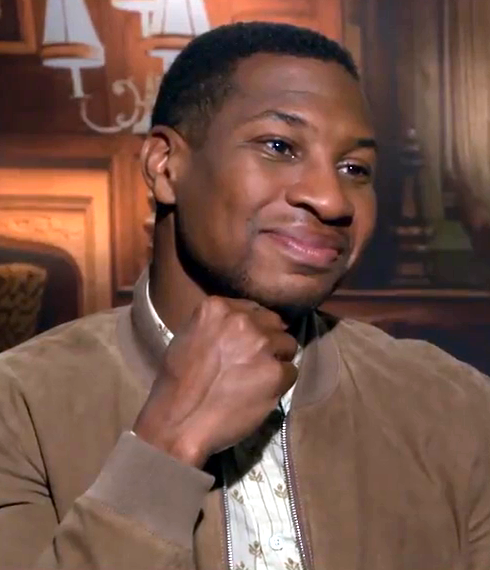
4. Jonathan Majors
Jonathan Majors had been positioned as one of Hollywood’s biggest rising stars, which made the reversal especially sharp. His conviction for assault and harassment turned what looked like a franchise-building run into a cautionary tale about how quickly momentum can disappear.
The professional fallout was immediate, including removal from major film franchises. That speed mattered. It signaled that audience trust, studio investment, and blockbuster planning can all unravel at once when public disapproval hardens.
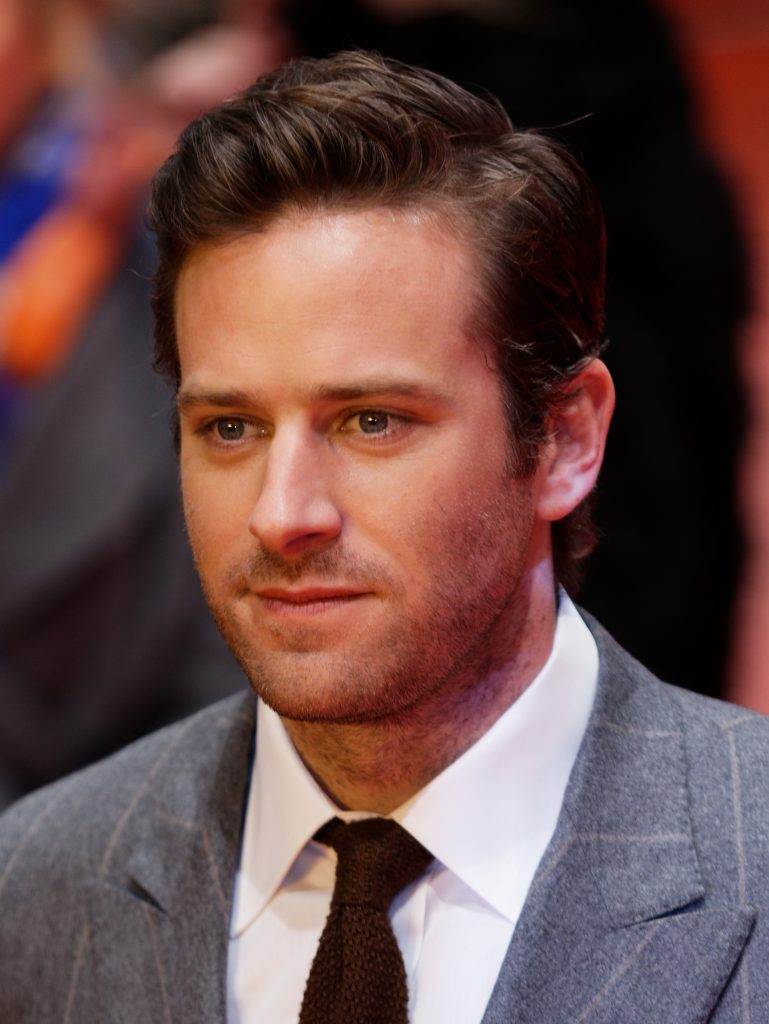
5. Armie Hammer
Armie Hammer went from prestige-film leading man to one of the most discussed collapses in Hollywood. The disturbing nature of the private messages and abuse allegations reshaped his image almost completely.
In cases like this, the details become impossible for the public to ignore, and the actor’s earlier career suddenly looks secondary. By 2025, the gap between where his career seemed headed and where it landed is still one of the industry’s most dramatic examples of reputational free fall.
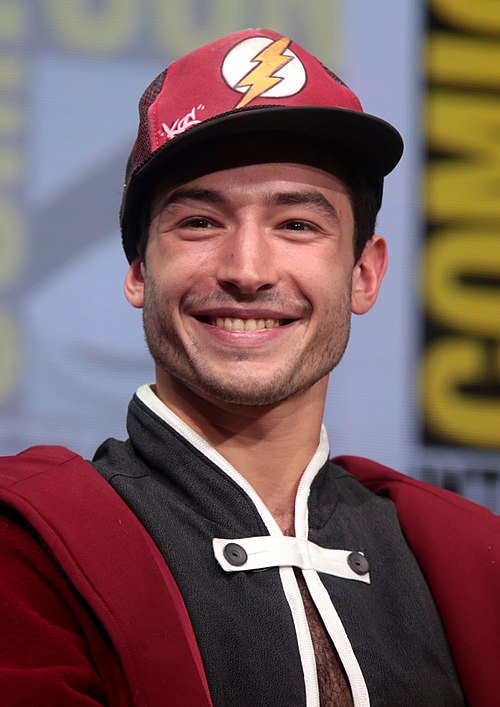
6. Ezra Miller
Ezra Miller became a flashpoint for a different kind of backlash: the kind that collides directly with franchise economics. A stream of legal controversies and disturbing reports created a cloud that followed every discussion of studio decision-making.
Many viewers questioned why a major superhero release moved forward under that pressure. The actor’s case became bigger than one performance. It turned into a debate about accountability, risk tolerance, and whether blockbuster branding can survive sustained public outrage.
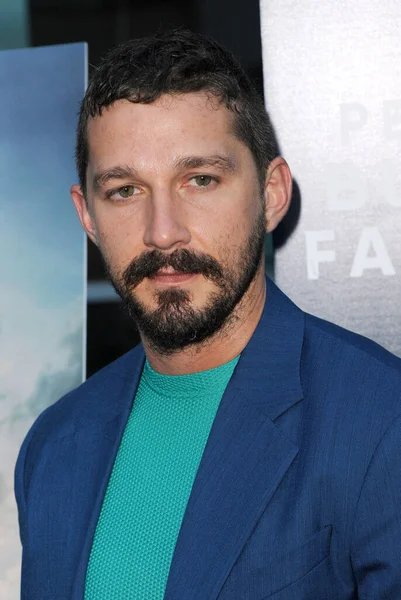
7. Shia LaBeouf
Shia LaBeouf has spent years moving between admiration for his talent and alarm over his personal conduct. By 2025, the backlash tied to abuse allegations and erratic public behavior continues to outweigh any comeback narrative.
This is what makes his image especially unstable. He is not being discussed only as a former star with legal problems, but as someone whose off-screen history keeps interrupting how audiences process the work itself. That tension has never really eased.
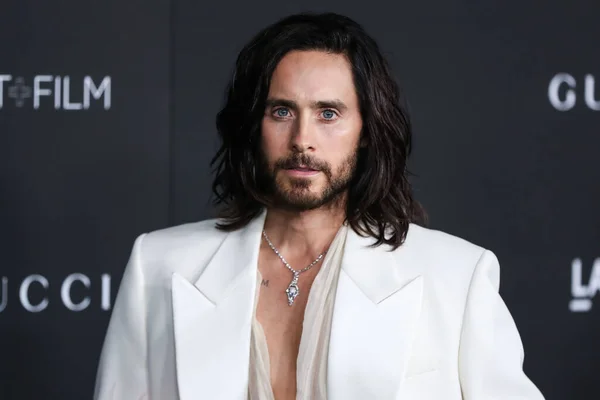
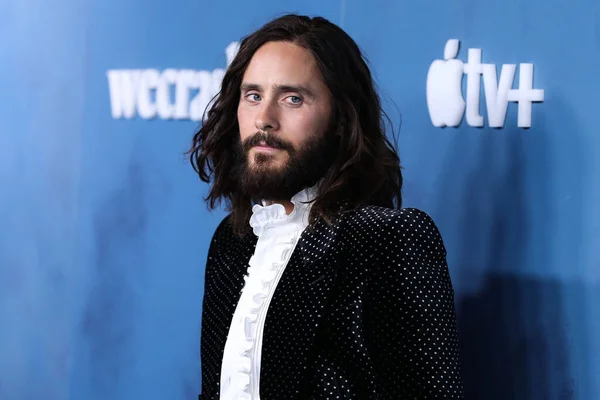
8. Jared Leto
Jared Leto occupies a different lane of dislike, one built less on legal collapse than on a long-running sense of irritation and distrust. Stories about extreme method acting and his behavior during the making of Suicide Squad left a stubborn stain.
Then came the internet mockery around “Morbius”, which turned him into an easy punchline. In 2025, he still represents a very online version of backlash, where pretension, overexposure, and old behind-the-scenes stories combine into a public image that many viewers simply refuse to warm to.
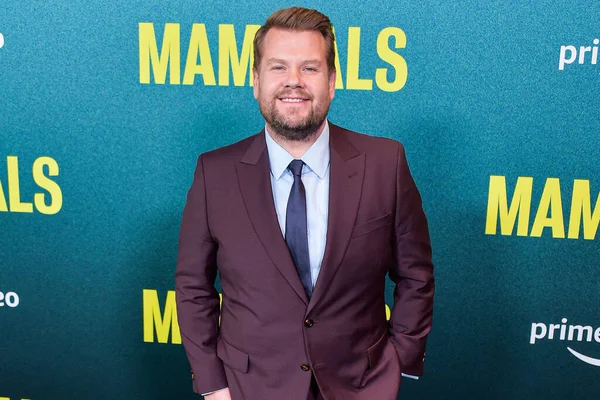
9. James Corden
James Corden’s reputation problem is unusually sticky because it clashes so directly with his on-screen persona. His brand depended on cheerful accessibility, which is why stories about rude off-camera behavior hit so hard.
That contrast kept resurfacing after restaurateur Keith McNally publicly described being rude to restaurant staff. Once that image set in, it became difficult for audiences to see the warm late-night host without also thinking about the complaints.
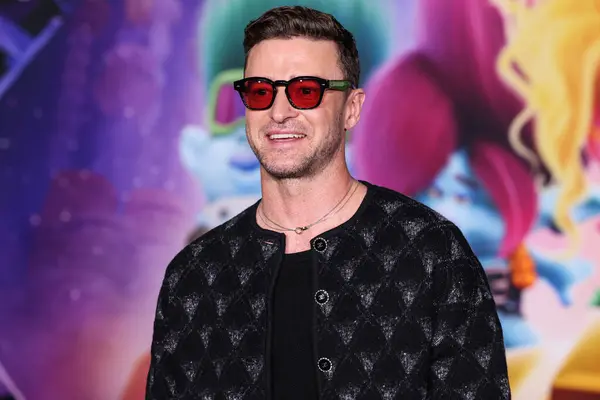
10. Justin Timberlake
Justin Timberlake sits in a more complicated category because the backlash is cumulative. It is not tied to just one moment, but to years of reevaluation around how he treated women in the public eye, combined with more recent legal trouble.
By 2025, that reassessment had only deepened. Coverage of his DUI arrest in 2024 kept the criticism active while older grievances stayed in circulation. The result is a star whose once-smooth image now feels far more contested than secure.
What connects these men is not a single kind of controversy. Some are facing rejection tied to convictions or allegations. Others are dealing with reputations shaped by arrogance, instability, or behavior that audiences no longer excuse.
In 2025, public dislike is rarely just about one bad press cycle. It becomes a lasting identity marker, and for these actors, that marker now follows every project, every appearance, and every attempt at a comeback.