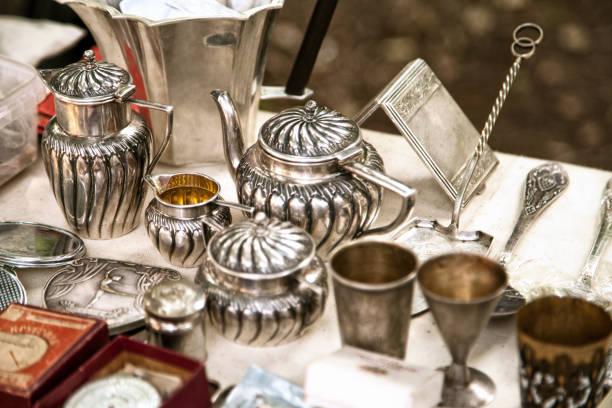
Some antiques announce themselves with size. Others fit in a desk drawer, perch on a shelf, or disappear into a sewing basket until someone looks closely.
That small scale is part of the appeal. Compact antiques often combine craftsmanship, daily usefulness, and easy display, which helps explain why they still catch the eye in homes shaped by analog lifestyle trends. The pieces below are especially good examples: modest objects with stories, distinct design details, and, in some cases, surprisingly strong collector interest.
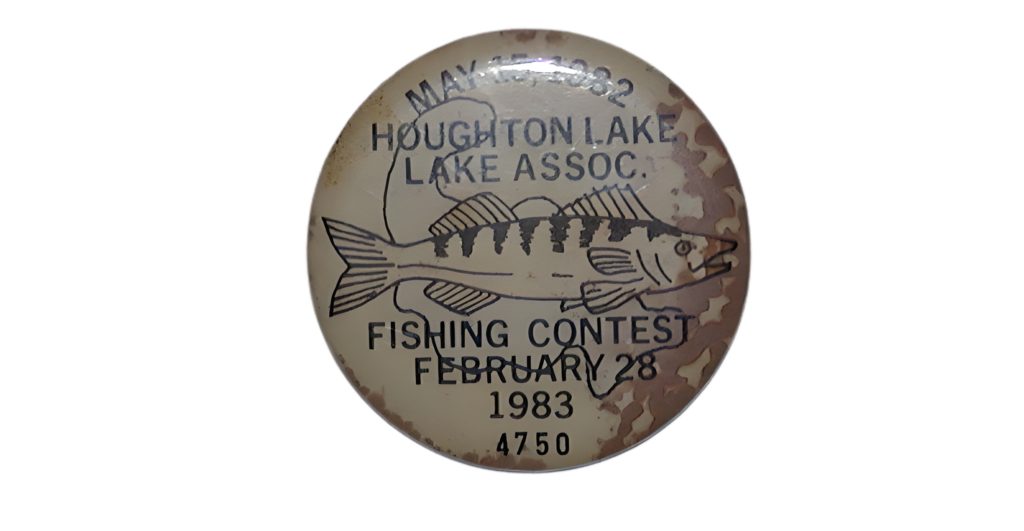
1. Fishing license badges
Early 20th-century fishing licenses were often made to be worn, not tucked away in a file. That made them practical in the moment but vulnerable over time. Sun, water, bent fasteners, and simple loss all reduced the number of crisp survivors. Collectors tend to notice the same things immediately: clear lettering, intact color, and original hardware.

Common examples often land around $20 to $100, while scarcer regional issues can move much higher. Southern badges, in particular, have been known to reach $500 or more when the condition is unusually strong. Their charm comes from the same quality that supports value: they were once everyday paperwork turned into durable, wearable design.
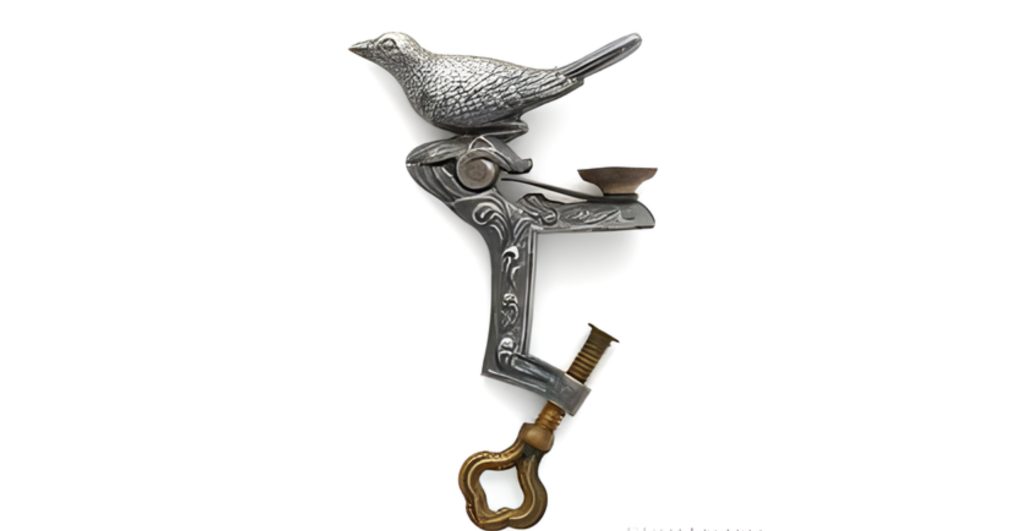
2. Sewing birds and sewing clamps
A sewing bird worked like an extra hand at the table, clamping in place and gripping fabric while hemming or finishing by hand. In the United States, Charles Waterman of Connecticut received a patent in 1853, helping secure the place of this now highly recognizable sewing tool. These clamps are collectible for more than function. Many were made in decorative forms, including birds, animals, and figural shapes, and they were also given as sentimental gifts in the 19th century.
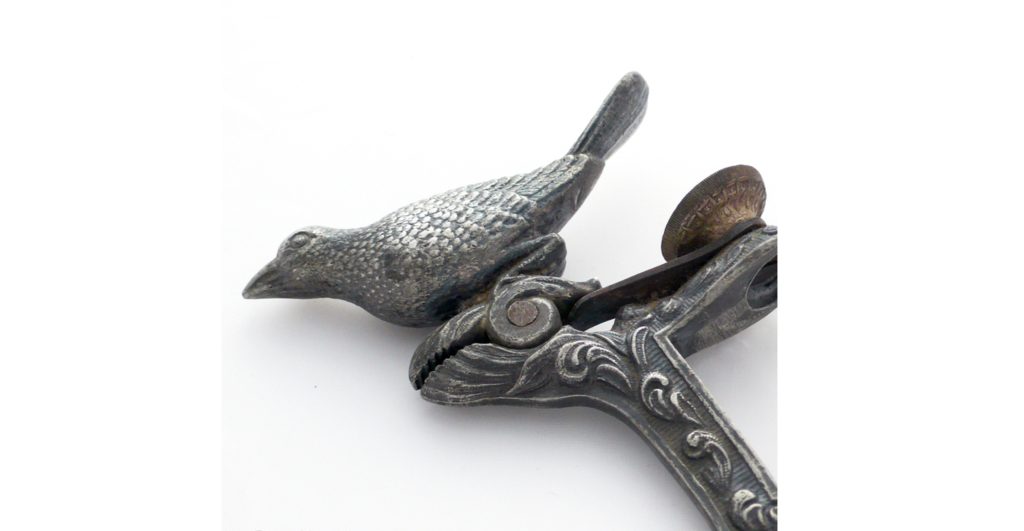
Most vintage examples trade in the $75 to $200 range, though better ornament, cleaner metal, and extras such as cushions or attached accessories can make a difference. Reference guides to vintage collectibles also show steady interest in practical sewing pieces such as pincushions and scissors, which places sewing birds within a broader market for tools that are both useful and display-worthy.
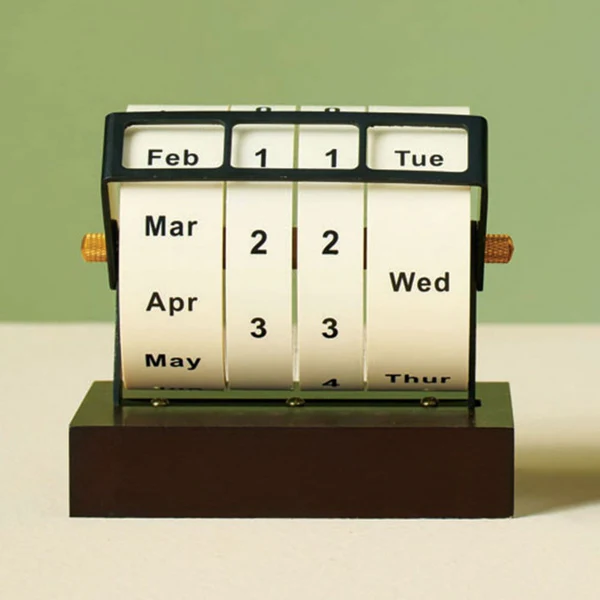
3. Desktop perpetual calendars
Some antiques feel current again without changing at all. The desktop perpetual calendar is one of them. The mechanism is simple and satisfying: a physical way to keep track of the date without batteries, alerts, or screens. The perpetual calendar is famously linked to an 1889 patent for a watch complication, and manual desk versions became popular in the early 1900s.
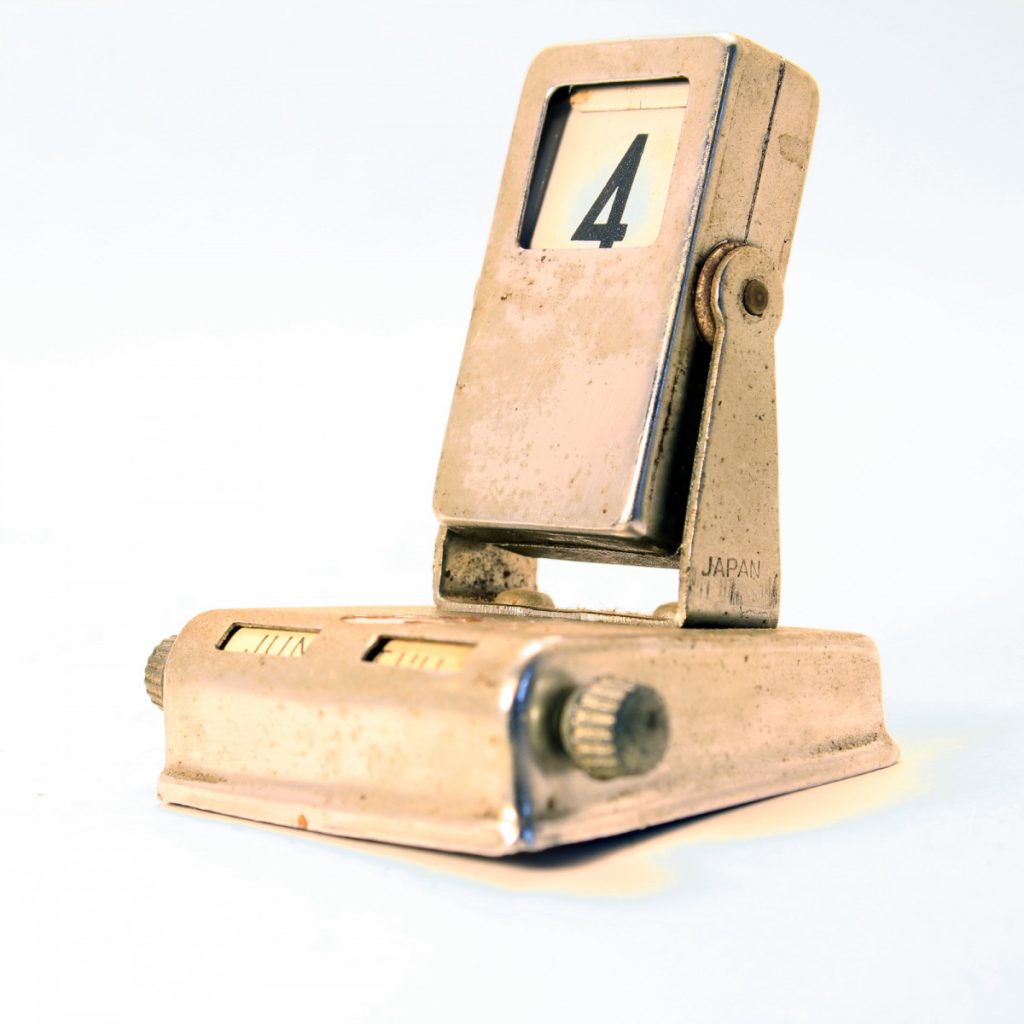
Today, Edwardian wooden turn-knob examples can reach up to $1,000, while many midcentury brass styles remain in the $50 to $200 range. Some souvenir-style flip calendars are far less expensive, but even they tap into the same appeal: a small object with movement, purpose, and a bit of ritual built in.
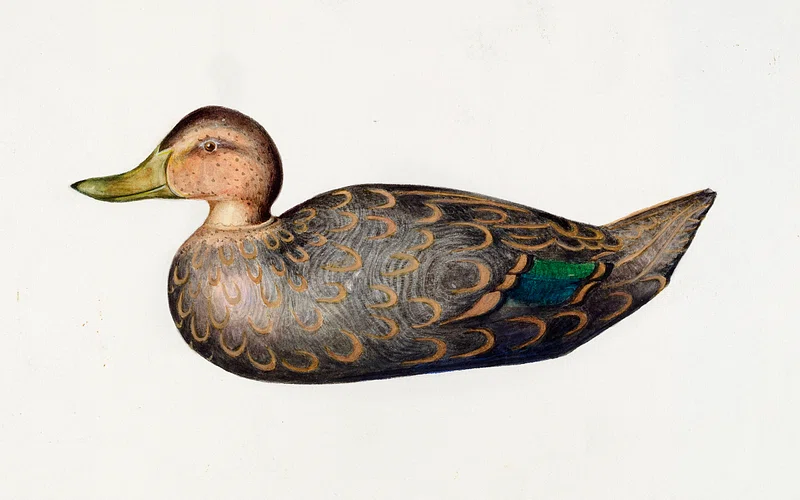
4. Miniature duck decoys
Miniature decoys prove that folk art does not need much space to make an impression. Often measuring 5 inches or less, these carvings condense the lines, paint, and personality of working decoys into a form that reads almost like sculpture. Many examples date from the 1920s through the 1970s, and signed carvings usually draw stronger attention than anonymous ones. Handmade miniatures can reach up to $5,000, especially when the carving is confident and the paint remains appealing. The larger decoy market helps explain that interest. At the top end, an Elmer Crowell wood duck brought $504,000 at a sporting art auction, showing just how seriously collectors treat this category. Miniatures do not need that pedigree to matter; careful carving alone can make a small bird stand out.
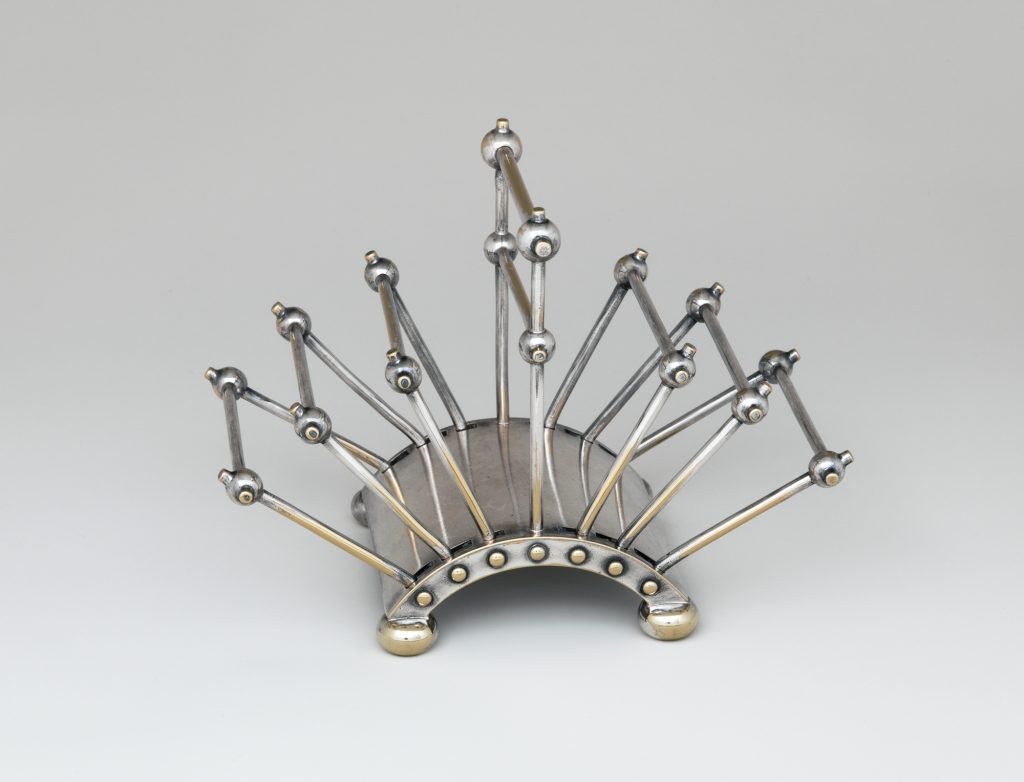
5. Silver toast racks
The toast rack was built for a very specific household task: keeping slices upright so steam would not soften them. That narrow purpose gives antique examples a crisp, sculptural look that still works well on a breakfast table, desk, or entry console. Value depends on material, maker, age, and marks. Silver plate is common, but sterling examples can climb much higher, with some pieces selling for more than $550. The most useful clues are often tiny ones. Collectors and appraisers routinely check for hallmarks or stamps like “925” or “sterling”, along with maker’s marks and pattern details.
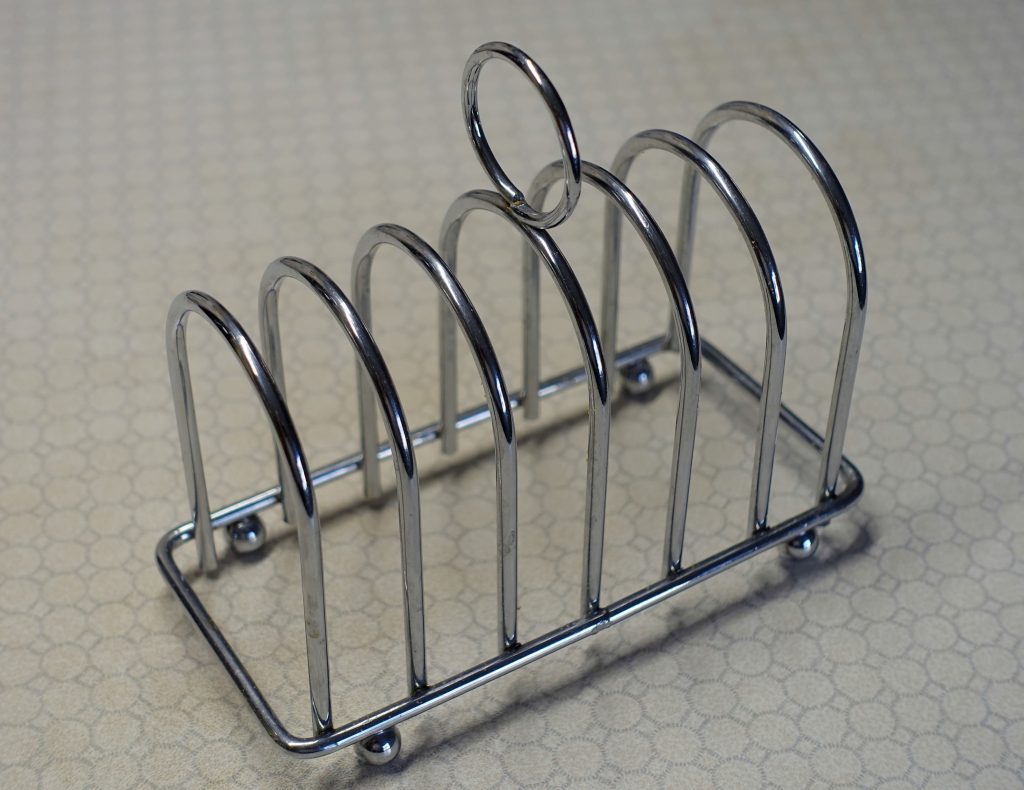
Those little stamps can separate an attractive tabletop piece from one with stronger collectible weight. Across all five categories, the same principle keeps showing up: specificity matters more than size. Clean paint, legible lettering, complete parts, maker marks, and signed surfaces often do more for value than sheer age. That is part of what makes tiny antiques so compelling. They are easy to overlook, easy to live with, and often easy to understand at a glance, yet the right example can carry history, craft, and collector appeal in the palm of a hand.