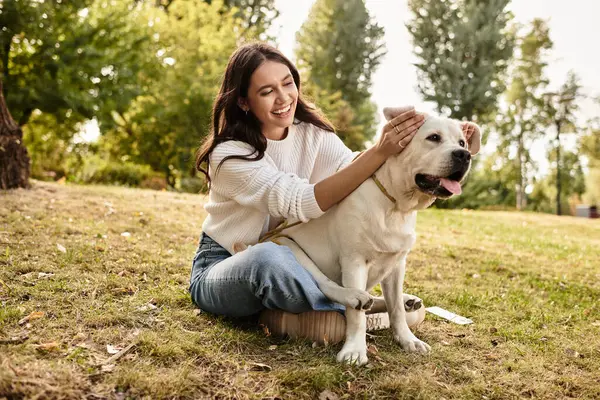
Dogs do not build their deepest bonds from grand gestures alone. They remember the repeated details: the tone that settles them, the pause that lets them sniff, the moment a familiar person answers a quiet check-in.
That pattern matters because canine memory is strongly tied to emotion, scent, and association. A dog’s nose holds about 300 million olfactory receptors, and familiar voices, routines, and interactions can become part of the long-term map they use to recognize safety and connection.
1. Letting a walk slow down for scent
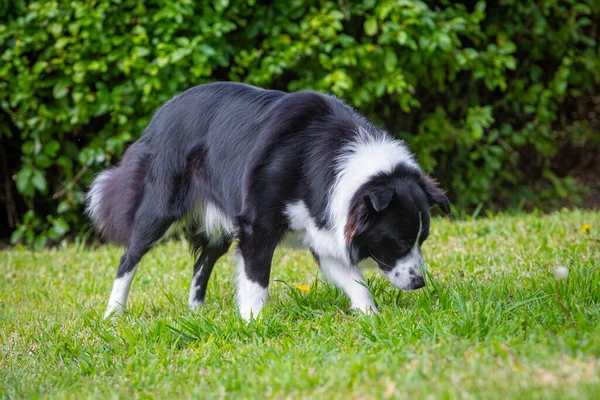
For many dogs, sniffing is not a side activity. It is how they read the world. Allowing extra time to investigate grass, trees, sidewalks, and changing air currents turns a routine outing into mental enrichment. It also supports one of the main ways dogs process memory and recognition, through 300 million olfactory receptors.
A walk with scent time gives a dog more than exercise. It offers problem-solving, novelty, and a calmer pace that can lower frustration while making the outing feel personally meaningful.
2. Giving full attention for a few undistracted minutes
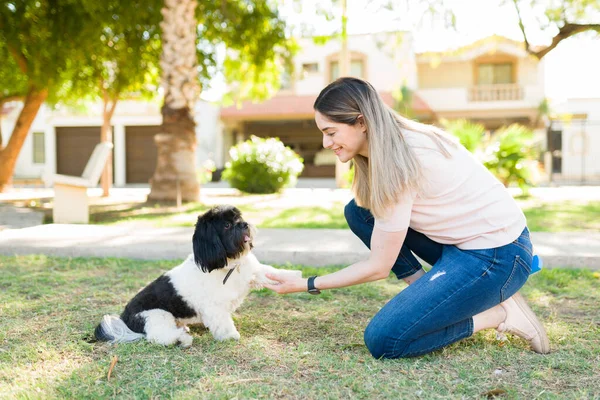
Dogs notice when attention is fragmented. A brief game, a focused petting session, or a moment of steady eye contact can communicate more clearly than multitasking during a longer stretch of time.
That kind of presence strengthens social connection, which veterinarians describe as a daily need alongside movement and mental engagement. When attention is deliberate, a dog is more likely to associate that person with security, interest, and emotional steadiness.
3. Speaking in a soft, steady voice
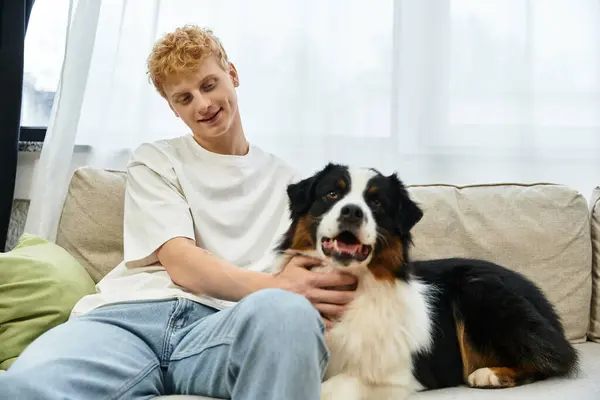
Dogs respond to how words sound long before the words themselves carry meaning. According to the Humane Society of Missouri, dogs respond to certain intonations and volumes regardless of what is being said.
A calm voice can help a dog settle in unfamiliar places, recover after a startling moment, or stay engaged during training. The source puts it plainly: “A soothing tone of voice expresses affection and caring and is often used when bonding with your dog.”

4. Respecting the need for space
Not every loving interaction looks cuddly. Some dogs show trust by staying nearby without wanting direct contact, especially when tired, overstimulated, or uncertain.
Honoring that distance teaches a dog that communication works. When a person pauses instead of crowding, the dog learns that discomfort will be noticed rather than ignored. Over time, that kind of respect often creates a more confident bond because the dog does not have to choose between affection and self-protection.
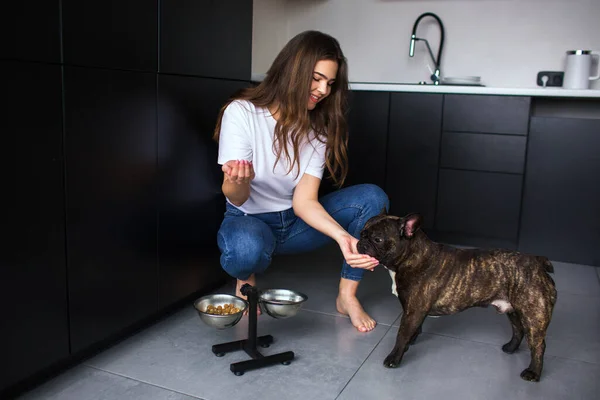
5. Using hand-feeding as a calm trust exercise
Hand-feeding can slow down mealtime and make a nervous or impulsive dog more attentive. It pairs food with the human hand in a predictable, low-pressure way, which can be especially helpful for dogs still learning that closeness is safe.
It also adds mental engagement to a daily routine. Even simple feeding rituals can support impulse control, focus, and cooperative communication without turning every meal into a high-energy training session.
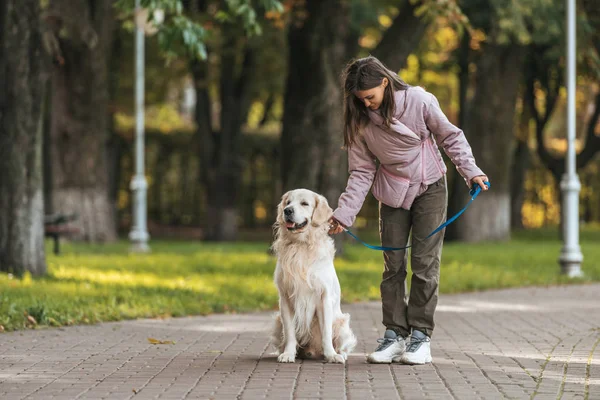
6. Keeping daily routines predictable
Dogs often relax when life becomes easier to anticipate. Regular feeding, walks, rest, and bedtime create structure that can reduce uncertainty and help a dog move through the day with less stress.
Consistent routines can improve sleep and digestion while also supporting training and emotional stability. Veterinary guidance echoes the same theme: dogs feel safest when daily needs are met in predictable, positive ways. That predictability becomes part of the environment they trust.
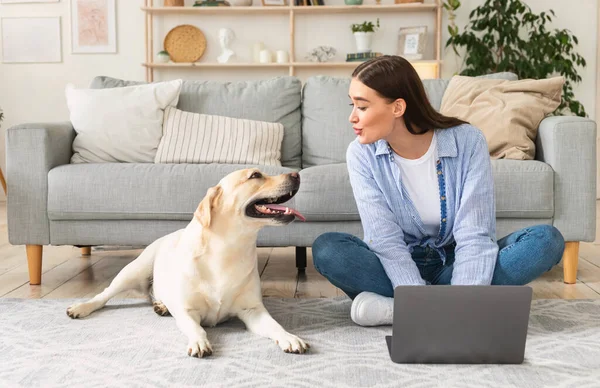
7. Answering their small check-ins
A glance across the room, a nudge at the knee, or quietly choosing the same corner of the couch can all be forms of connection. Trainers often describe bonded dogs as ones that seek out their person and use them as a secure base when something feels uncertain.
Responding does not need to be dramatic. A brief touch, a few words, or shifting attention toward the dog confirms that the bond is active and mutual.
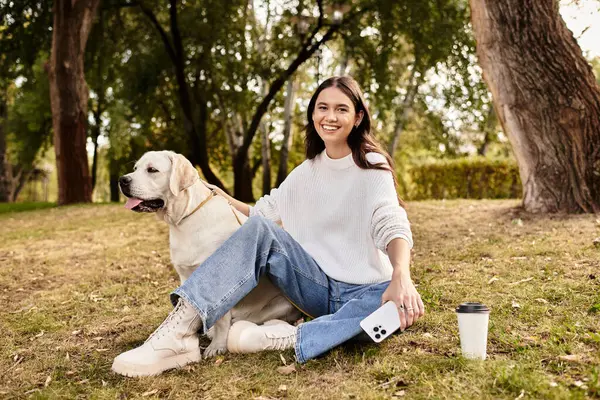
8. Sharing calm, low-demand time together
Some of the most important moments are quiet ones. Resting in the same room, working while the dog naps nearby, or sitting together after a walk gives social animals the benefit of companionship without constant stimulation. That matters because dogs thrive on positive daily connection with people.
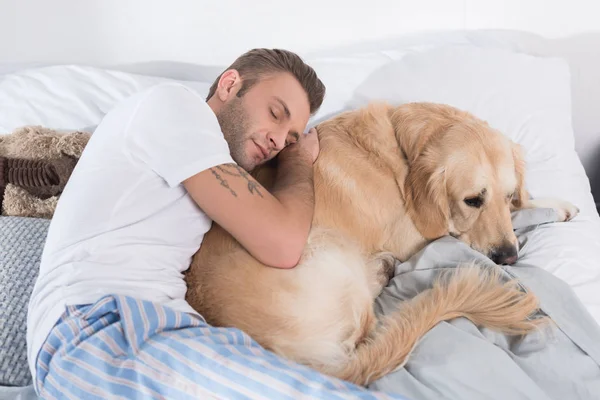
Being together without pressure can be especially reassuring for older dogs, easily overstimulated dogs, and those who simply show affection through presence rather than activity. What lasts most in a dog’s memory is rarely the flashy moment. It is the repeated experience of feeling safe, understood, and included. Small habits shape that feeling. A slower walk, a gentle voice, a respected boundary, and a dependable routine can become the details a dog carries for years.