
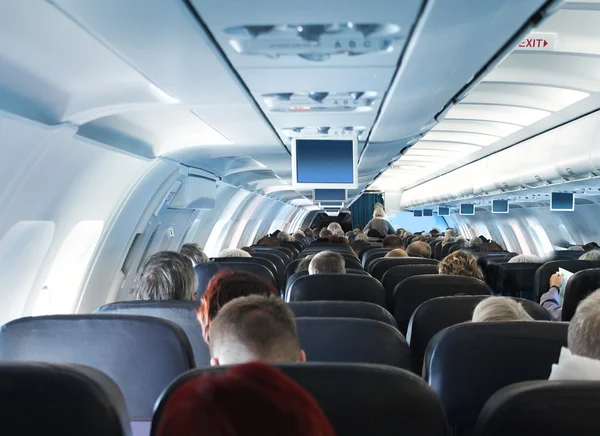
Good manners on a plane do not always look the way travelers think they do. In a tight cabin, the gestures that feel considerate on the ground can slow boarding, interrupt safety routines, or create extra work for the crew.
That disconnect matters because flight attendants are not only handling snacks and seat questions. As one crew member told Travel + Leisure, “We are first and foremost safety professionals”, and much of what happens during boarding and service is built around that responsibility.
1. Acting like the cabin’s unofficial rule enforcer
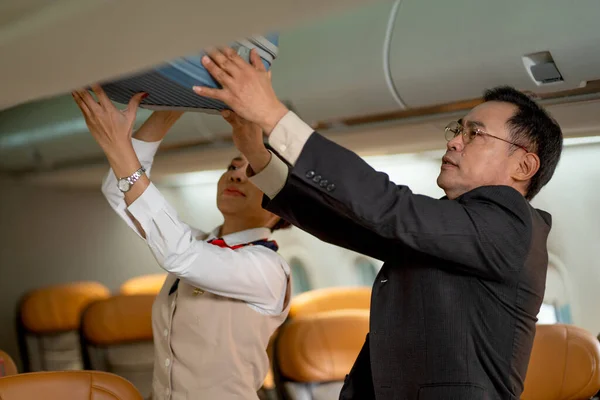
Passengers sometimes step in when someone ignores a seat belt sign, argues over space, or breaks another onboard rule. It may seem civic-minded, but it can quickly turn into a conflict in a confined space. Flight attendants are the people trained to de-escalate problems and decide when intervention is necessary.
A quieter approach helps more: alert the crew and let them handle it. Public confrontations in the aisle or across rows rarely improve the mood of a flight.
2. Reorganizing the overhead bins without being asked
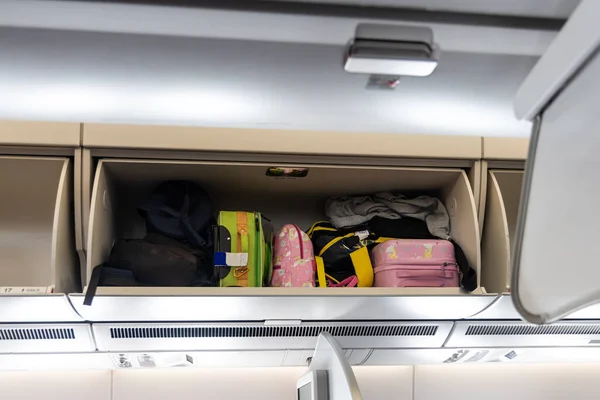
Nothing creates instant boarding tension like a stranger shifting someone else’s belongings. The overhead bin is shared space, but that does not make every passenger the cabin’s storage manager. Moving bags, turning them around, or stuffing in coats and smaller items without checking can make it hard for owners to find their things later and can disrupt the crew’s effort to get everyone seated quickly.
Bin space is also not automatically tied to the row below it, and crew members often have to solve a real-time packing puzzle to avoid delays. During boarding, the simplest etiquette is to store one larger item efficiently, keep smaller items under the seat when possible, and avoid touching bags that are not yours unless a crew member asks for help.
3. Tapping, poking, or grabbing a flight attendant for attention
Many travelers think a light touch is more polite than calling out, but crew members consistently say otherwise. A verbal “excuse me” works better, and the call button exists for a reason.
One flight attendant quoted by Travel + Leisure put it plainly: “Do not touch us.” In a workplace built around constant movement, safety checks, and close quarters, that boundary matters.
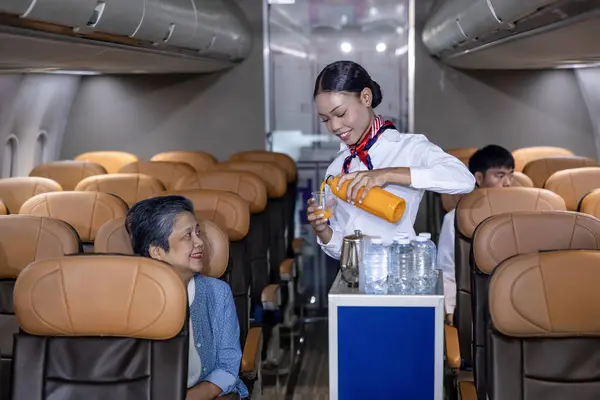
4. Asking for large bottle refills in the middle of service
Bringing a reusable bottle is practical, but asking the crew to fill a large bottle from empty can hold up service and drain limited onboard supplies. Cabin service is designed around cups and standard portions, not repeated full-bottle fills across dozens or hundreds of passengers.
The smoother option is to fill up after security and use inflight water service as a top-up rather than the main source. It keeps the line of service moving and reduces pressure on the cabin’s supply.
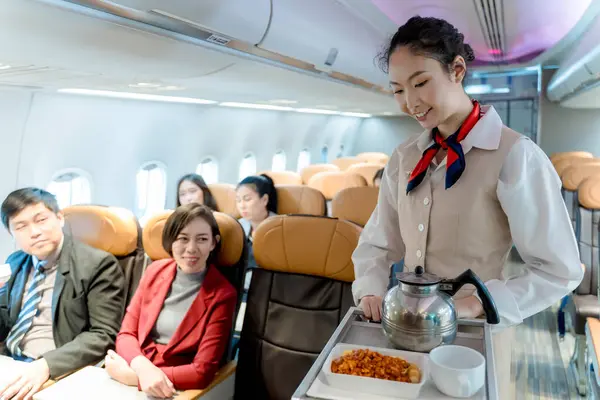
5. Treating the drink cart like self-serve storage
Reaching over for a soda, grabbing napkins uninvited, or pulling something from the cart before the attendant reaches the row may seem efficient. In practice, it interrupts the service pattern and increases the chance of spills and confusion.
Cabin carts move through narrow aisles with little room for error. Waiting a few seconds for the crew to offer the item is usually faster than creating a moment they have to correct.
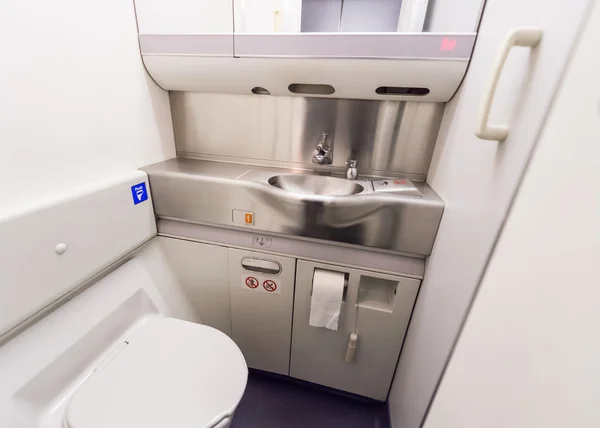
6. Handing over dirty diapers, tissues, or airsickness bags
This is one of the clearest examples of a passenger trying to solve a problem by passing it directly to the crew. Flight attendants regularly remind travelers that items with bodily fluids should not be placed into their hands.
That includes diapers, heavily soiled tissues, and used sickness bags. The better practice is to seal the item and use the lavatory trash when appropriate. Basic handwashing also matters, especially in airplane bathrooms, where shared surfaces and cramped conditions make hygiene more important than comfort.
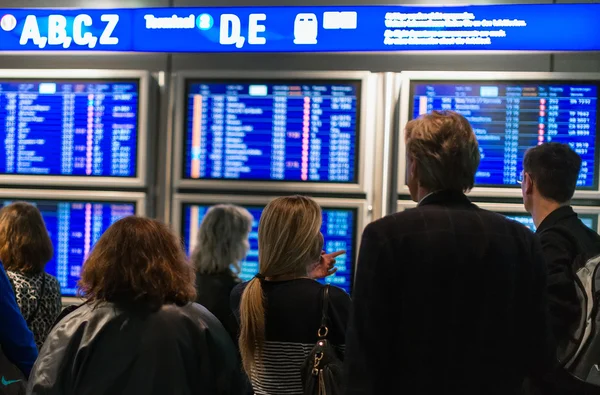
7. Slowing boarding by fussing over one carry-on
Passengers who spend too long rotating a suitcase, guarding bin territory, or adjusting a bag again and again often believe they are being careful. To everyone behind them, it reads as a traffic jam.
Etiquette experts routinely note that boarding works best when travelers have documents ready, know their seat, and stow items quickly. Being prepared to board is less about speed for its own sake and more about keeping the aisle clear for everyone else.
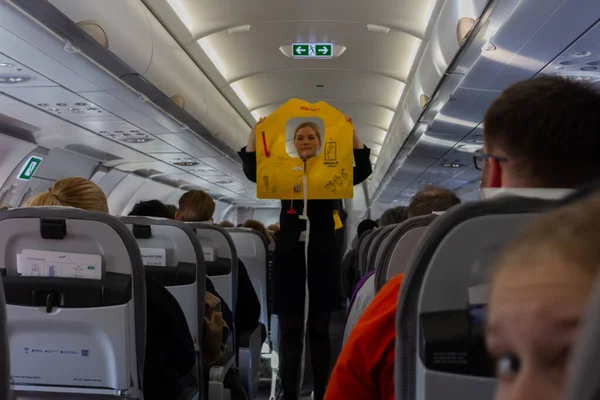
8. Starting long conversations while the crew is working
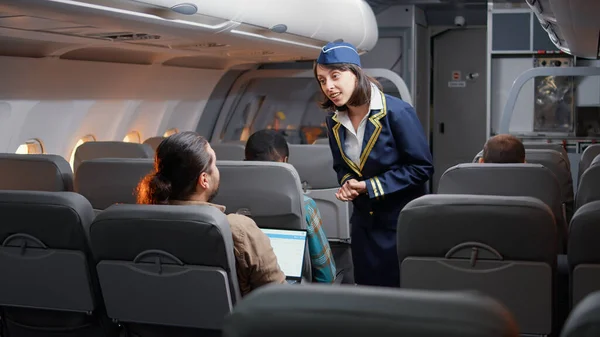
Most flight attendants are friendly, but friendliness is not an invitation to interrupt safety checks, paperwork, beverage service, or boarding duties with casual conversation. The same goes for repeatedly pressing the call bell for non-urgent chat or requests that can wait.
That applies even more strongly during safety demonstrations. Industry groups have warned for years that tuning out preflight safety announcements has real consequences, especially when passengers are distracted by devices and headphones. The crew’s busiest moments are usually not social ones.
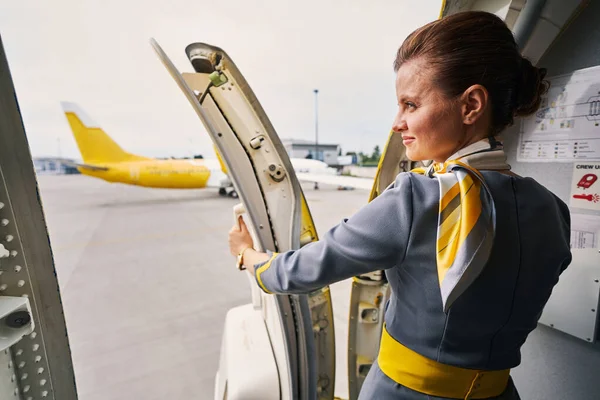
9. Thanking the pilot and walking past the cabin crew
Many travelers make a point to acknowledge the pilot while leaving the plane. Flight attendants notice when that courtesy stops there. The crew members at the door handled boarding, service, safety checks, passenger issues, and the cabin environment from takeoff to landing. A simple thank you as passengers deplane takes seconds, but it recognizes the people whose work was most visible throughout the trip.
Air travel compresses a great deal of stress into a small shared space. The habits that help most are usually the least dramatic ones: waiting a turn, respecting workspace, listening during safety moments, and keeping “help” from turning into interference. On a plane, courtesy is often quieter than passengers expect. That is usually what the crew appreciates most.


